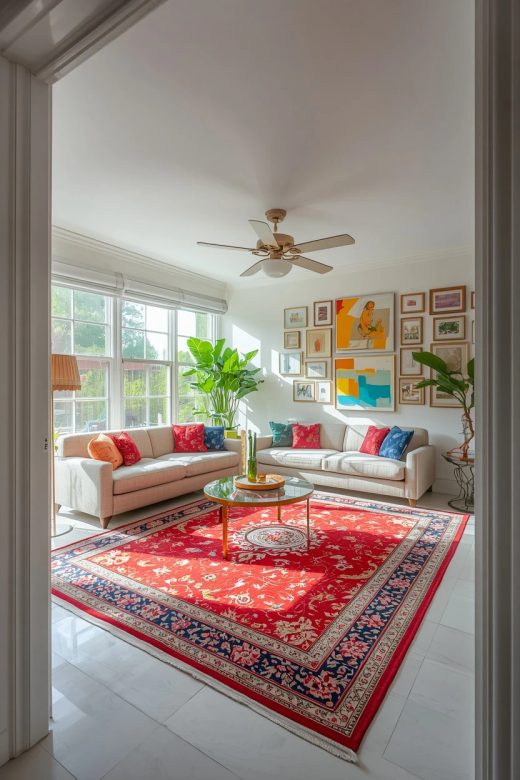
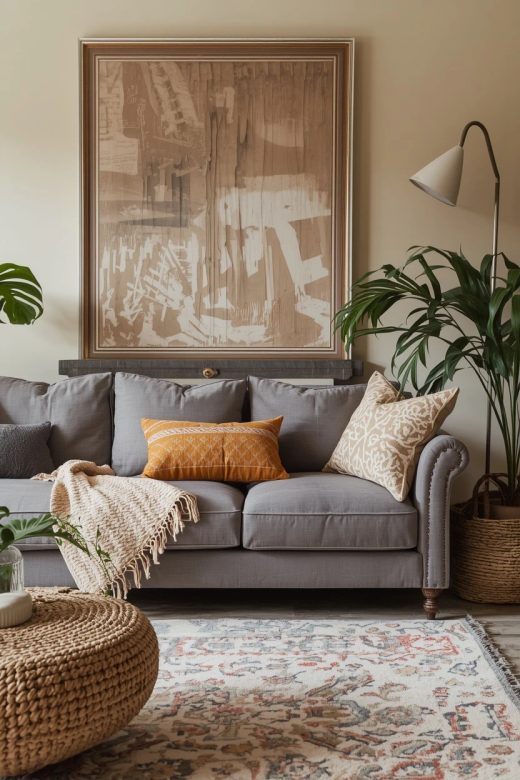
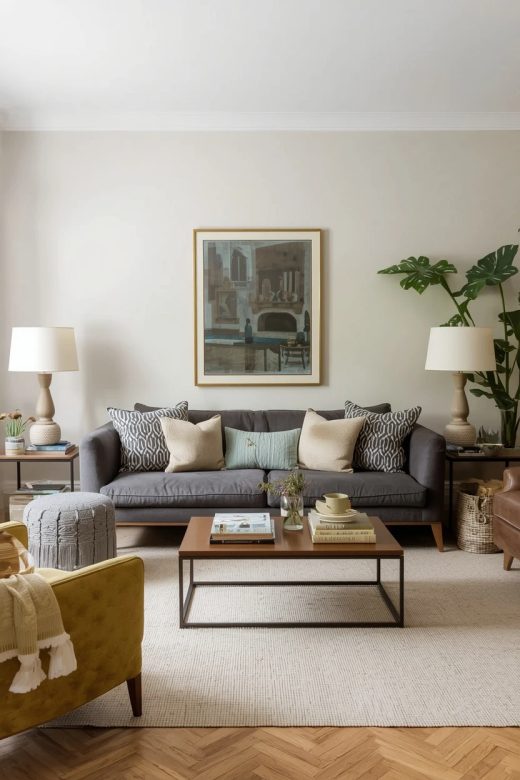
30 Fresh Living Room Decor Ideas & Design Inspiration
May 19, 2026
 By Khawar Iqbal
Table of Contents
- 1. Curved Furniture — The Living Room Trend Designers Won't Stop Talking About
- 2. Limewash Painted Walls for an Artisan Living Room Finish
- 3. Sunken Conversation Pit — The Most Dramatic Living Room Statement
- 4. Japandi Living Room with a Wabi-Sabi Mindset
- 5. Dopamine Decor — A Living Room That Makes You Happy on Purpose
- 6. Textured Plaster Fireplace as a Living Room Sculpture
- 7. Bold Color Blocking in the Living Room — Paint as Decor
- 8. Living Room with a Built-In Bookcase Wall as the Hero Feature
- 9. Maximalist Living Room Done with Discipline
- 10. Double-Height Ceiling Living Room with Statement Lighting
- 11. Earthy Organic Living Room with Raw Clay and Stone Textures
- 12. Living Room Inspiration: The Power of a Single Oversized Art Piece
- 13. Tonal Dressing — A Living Room in 50 Shades of One Color
- 14. Living Room Decoration with Architectural Archways and Niches
- 15. The Living Room Inspo: Moody Dark Palette with Jewel Accents
- 16. Biophilic Living Room Design — Bringing the Outside In
- 17. The New American Traditional — Updated Classic Living Room Design
- 18. Living Room Decor Inspiration: The Unexpected Ceiling Treatment
- 19. Living Room Design with a Dramatic Corner Floor Lamp Collection
- 20. Checkerboard Floor as the Living Room's Personality Piece
- 21. Living Room Decoration with a Sofa Table Behind the Sofa
- 22. Living Room Inspo: Natural Light as the Primary Design Element
- 23. Statement Wallpaper on One Living Room Wall
- 24. Living Room Design with a Window Seat and Reading Nook Built In
- 25. Living Room Decor Using Vintage and Antique Pieces Modernly
- 26. Soft Minimalist Living Room with Warm Tactile Surfaces
- 27. Living Room Inspiration: The Conversation-First Layout
- 28. Living Room Decorations: Styling the Five Zones of a Great Room
- 29. Warm Amber and Cognac Living Room — The Autumn Forever Palette
- 30. The Living Room That Grew — Layered Over Time, Not All at Once
- The 8 Principles Behind Every Great Living Room Design
- Frequently Asked Questions
- Conclusion
Every living room starts as a blank rectangle. What happens inside that rectangle — the decisions made about light and material, about scale and color, about what to include and what to leave out — is what transforms four walls into a room that actually means something to the people who live in it.
This guide brings together 30 completely fresh living room decor ideas and design inspirations — none recycled from the typical Pinterest board, none following the same safe formula. These are ideas for people who want their living room to reflect a genuine point of view rather than the prevailing trend of the moment.
Whether your instinct is toward the dramatic, the serene, the colorful, or the architectural, you will find your starting point here. Read through once for the overview, then return to the three ideas that made you stop. Those three are your brief.
1. Curved Furniture — The Living Room Trend Designers Won't Stop Talking About
Straight lines dominated interiors for over a decade. Now curves are back — and they are doing something that rigid furniture never could: making rooms feel instinctively warmer and more human the moment you walk in.
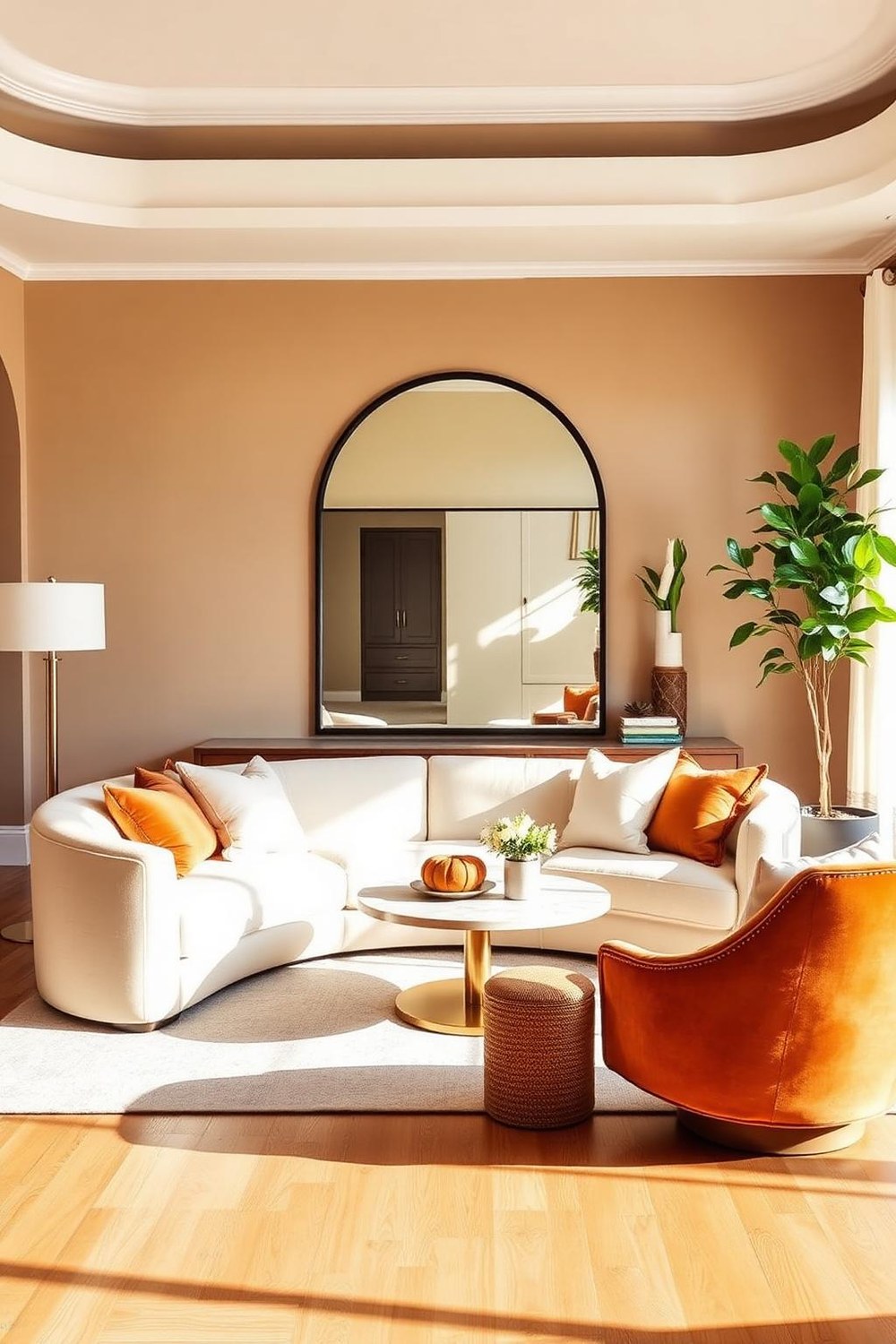
Tip: Start with one curved piece — a round coffee table or a semi-circular accent chair — before committing to a full curved sofa. Even one rounded silhouette in a room of straight lines immediately softens the entire space.
2. Limewash Painted Walls for an Artisan Living Room Finish
Limewash paint — an ancient technique experiencing a powerful design renaissance — creates walls that look like aged Italian plaster. No two walls look identical, and that beautiful imperfection is exactly the point.
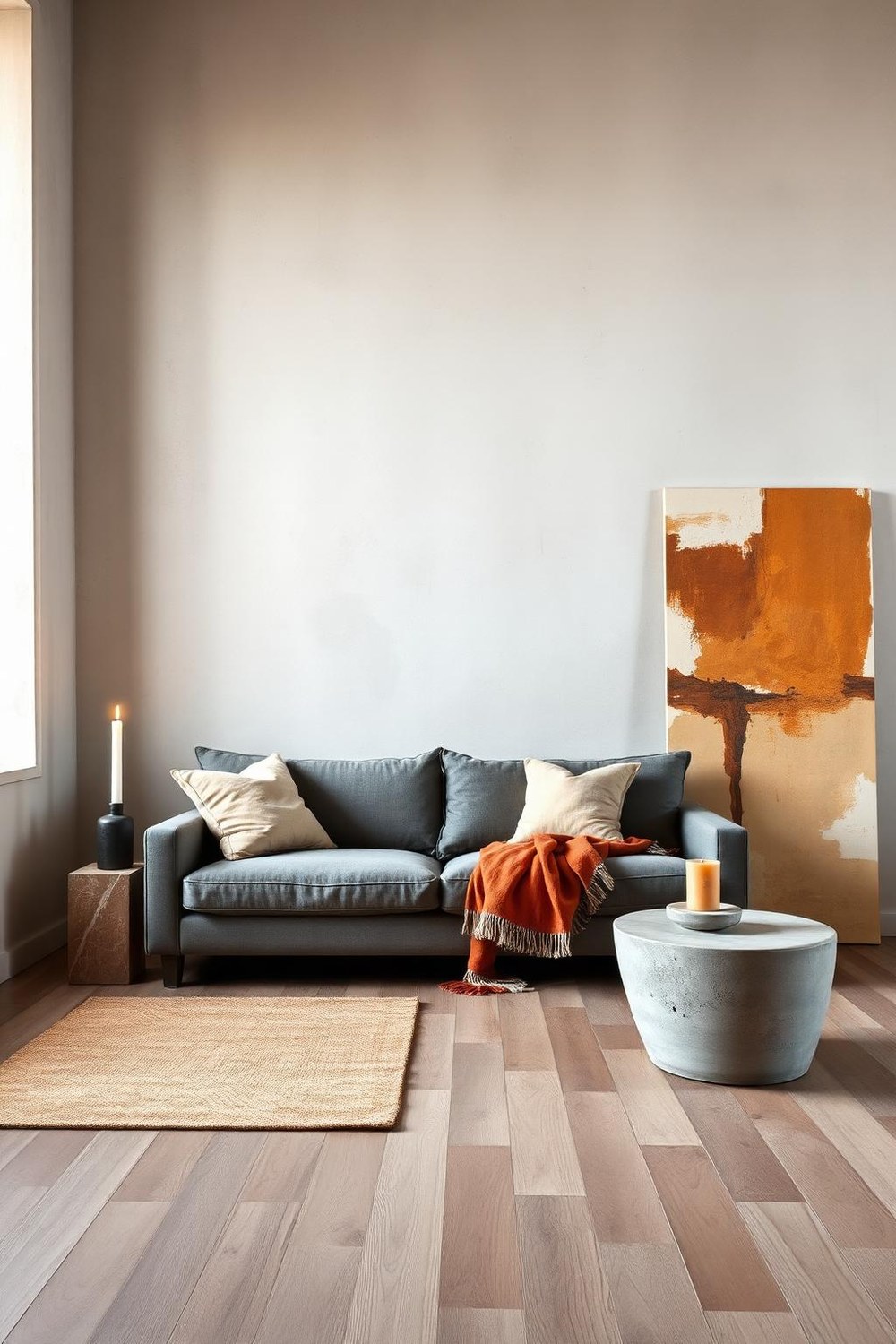
Tip: Limewash paint is surprisingly DIY-friendly — most major paint brands now offer ready-mixed versions with application instructions. Apply in two directional coats for the most authentic aged-plaster depth.
3. Sunken Conversation Pit — The Most Dramatic Living Room Statement
The sunken conversation pit was a 1970s icon that interior designers are reimagining for the modern era — and the result is the most architecturally dramatic living room design available to homeowners today.
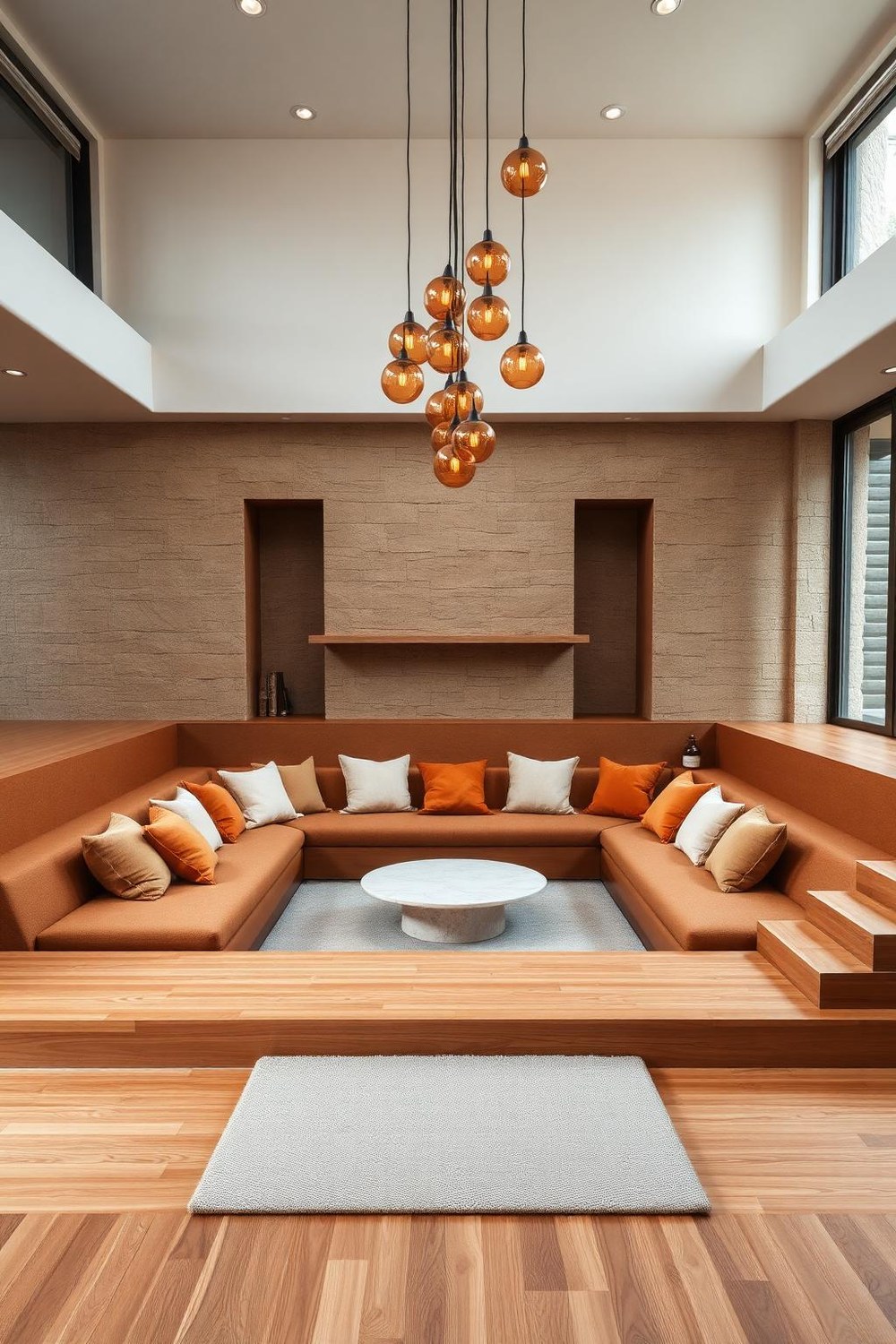
Tip: If a full renovation is not possible, you can create the visual effect of a conversation pit by defining a seating zone with a deeply bordered area rug and low-profile furniture that sits closer to floor level than standard pieces.
4. Japandi Living Room with a Wabi-Sabi Mindset
Japandi is more than a visual aesthetic — it is a philosophy of intentional living that shows in every object chosen for the room. Nothing is accidental. Nothing is decorative without purpose. And nothing is rushed.
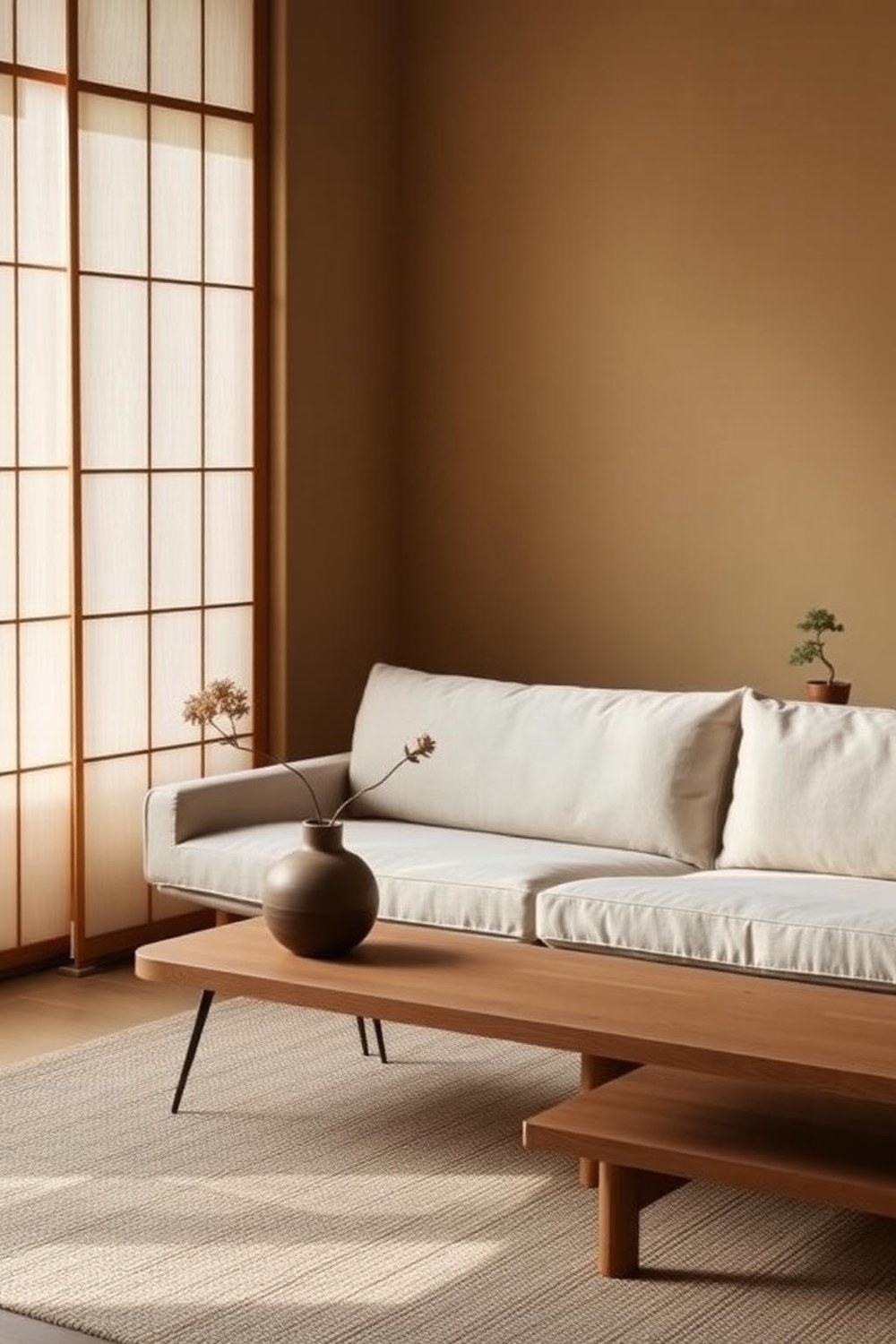
Tip: In a Japandi room, the absence of objects is as deliberate as the presence of them. Before adding anything new, remove something first — this discipline produces rooms that breathe and genuinely rest the eye.
5. Dopamine Decor — A Living Room That Makes You Happy on Purpose
Dopamine decor is the joyful antidote to minimalism — the deliberate use of color, pattern, and playful objects to design a room that actively lifts your mood every time you enter it.
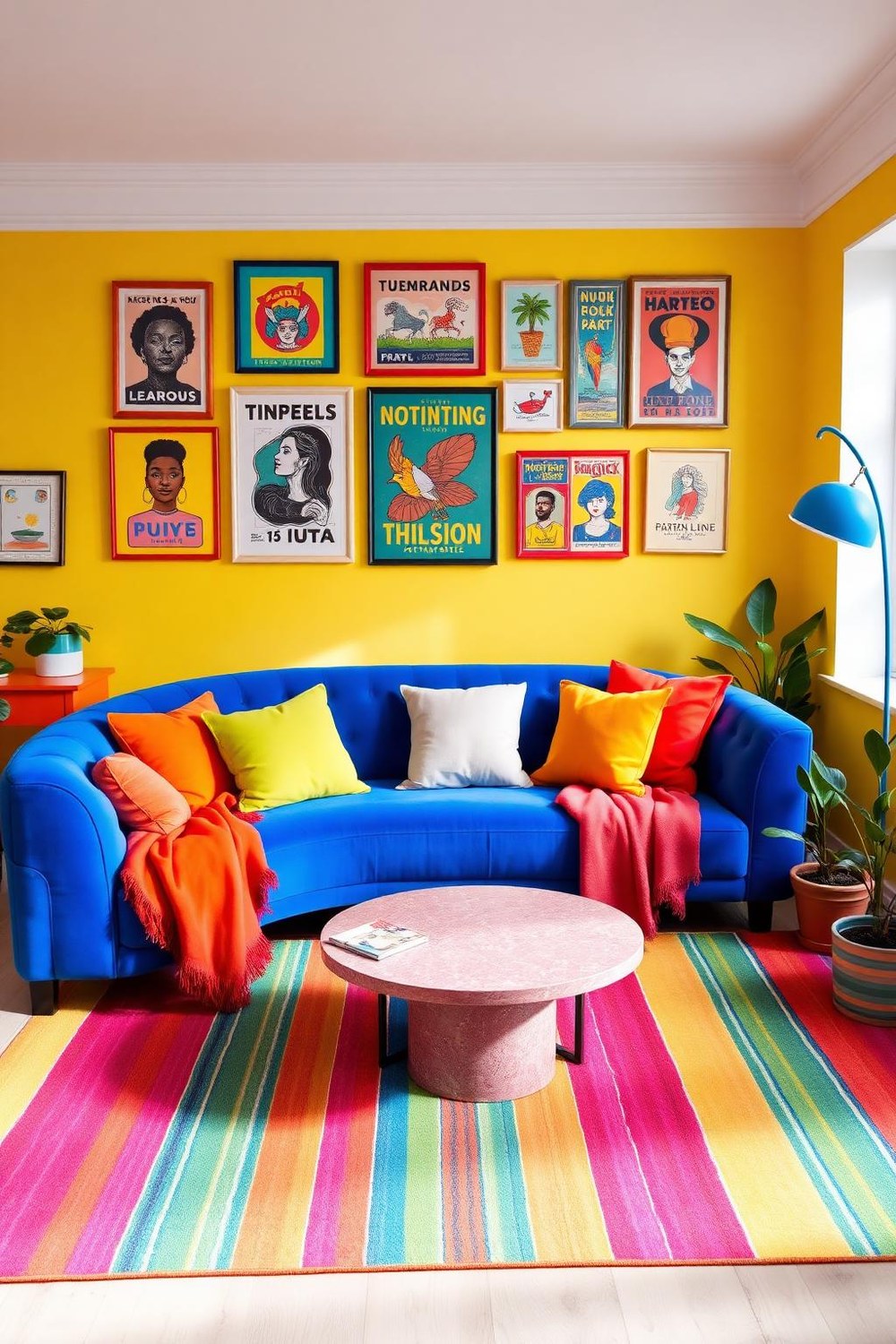
Tip: Dopamine decor works best when every color chosen comes from the same warm or cool family — mixing warm yellows and oranges with warm pinks keeps the room energetic without becoming visually exhausting.
6. Textured Plaster Fireplace as a Living Room Sculpture
A custom plaster fireplace surround is the closest thing to having a living sculpture in your living room — it changes character with every shift of light throughout the day.
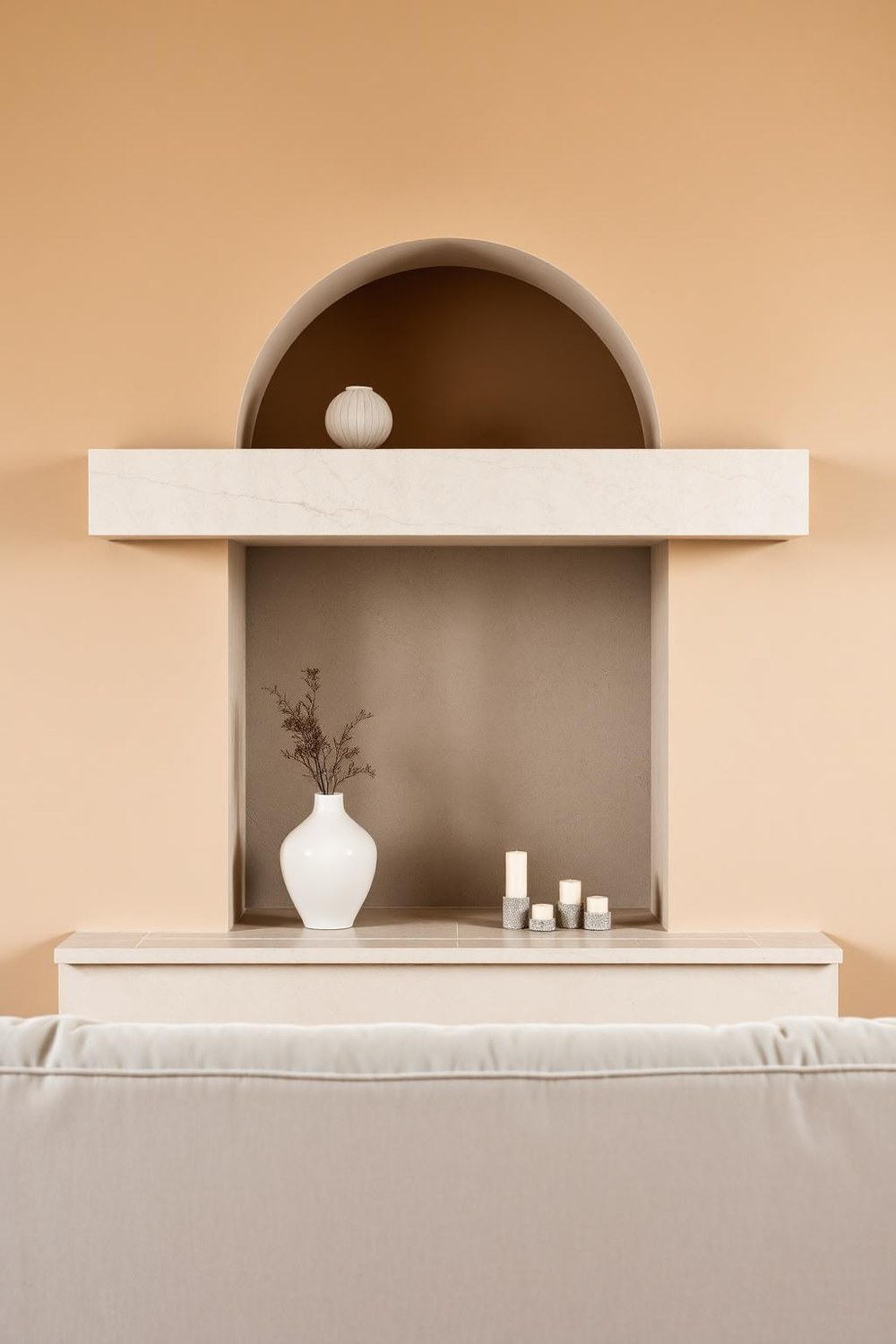
Tip: A plaster fireplace surround can be applied over an existing brick or drywall surround without demolition — a skilled plasterer can transform an ordinary fireplace in a single day for a fraction of a full renovation cost.
7. Bold Color Blocking in the Living Room — Paint as Decor
Color blocking — painting different sections of a room in contrasting bold colors without wallpaper or artwork — is the most radical and most rewarding use of paint as a design tool.
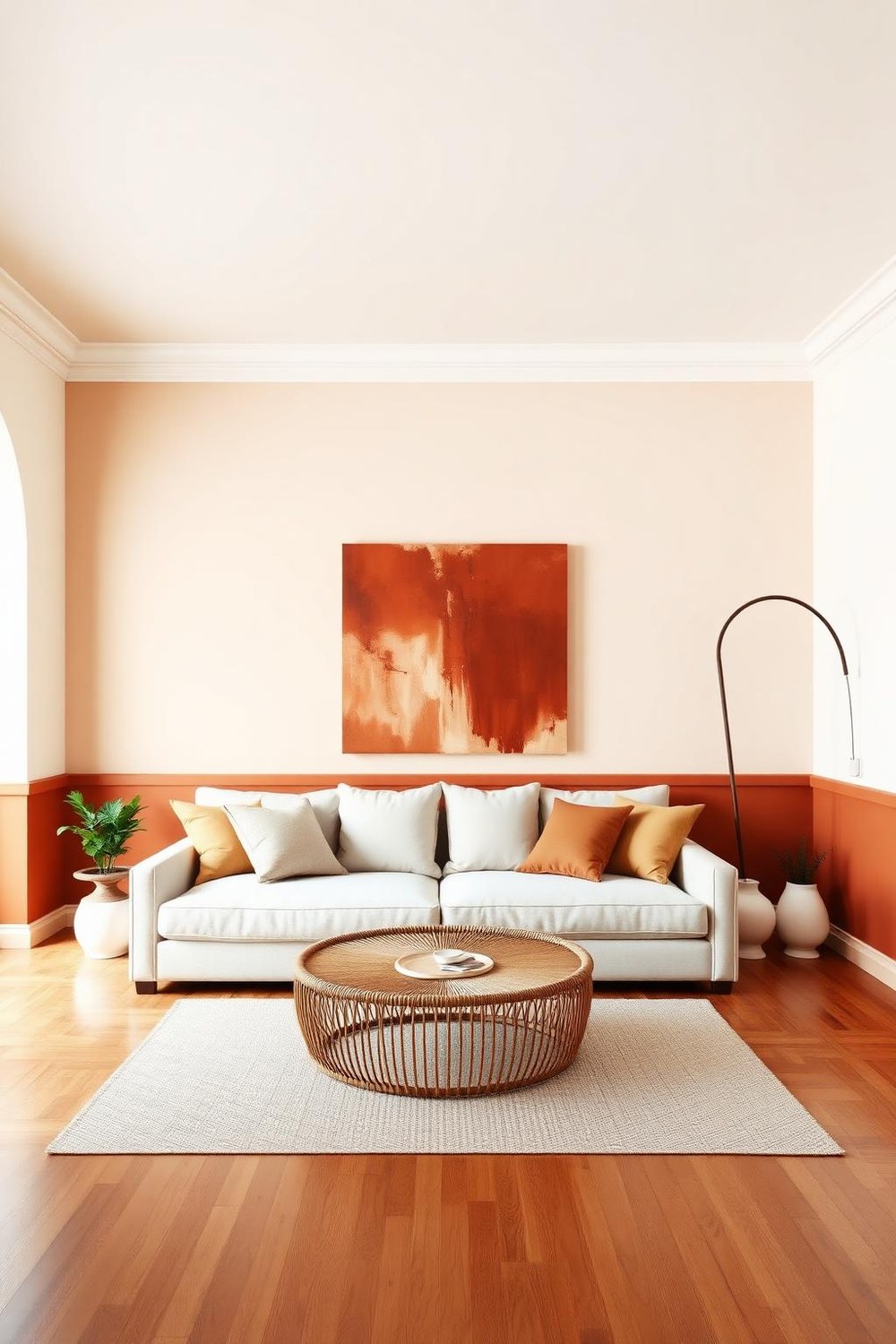
Tip: The two-thirds/one-third split — painting the lower portion of walls in a deeper tone and the upper in a lighter one — is the most forgiving color block ratio for living rooms. It grounds the room visually without making ceilings feel lower.
8. Living Room with a Built-In Bookcase Wall as the Hero Feature
A floor-to-ceiling built-in bookcase wall transforms a plain living room into a room with genuine architectural character — the kind of room that makes guests stop and look before they even sit down.
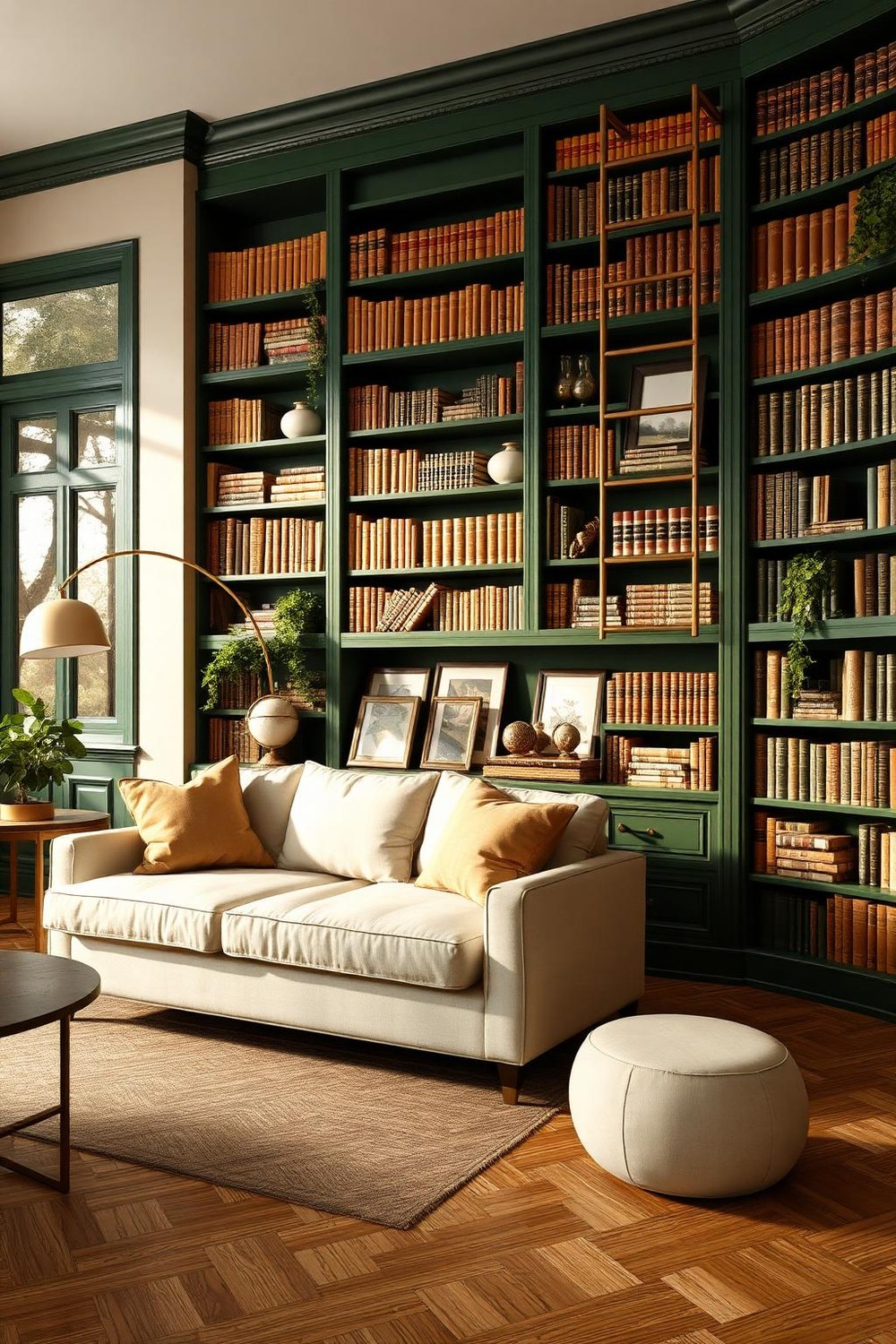
Tip: Paint built-in bookcases in a contrasting color to the walls — a deep green, navy, or charcoal bookcase against cream walls creates a far more dramatic and luxurious effect than matching the bookcases to the wall color.
9. Maximalist Living Room Done with Discipline
Maximalism is not the absence of rules — it is a different set of rules. A maximalist living room done well has more in common with a curated museum gallery than a cluttered storage room.
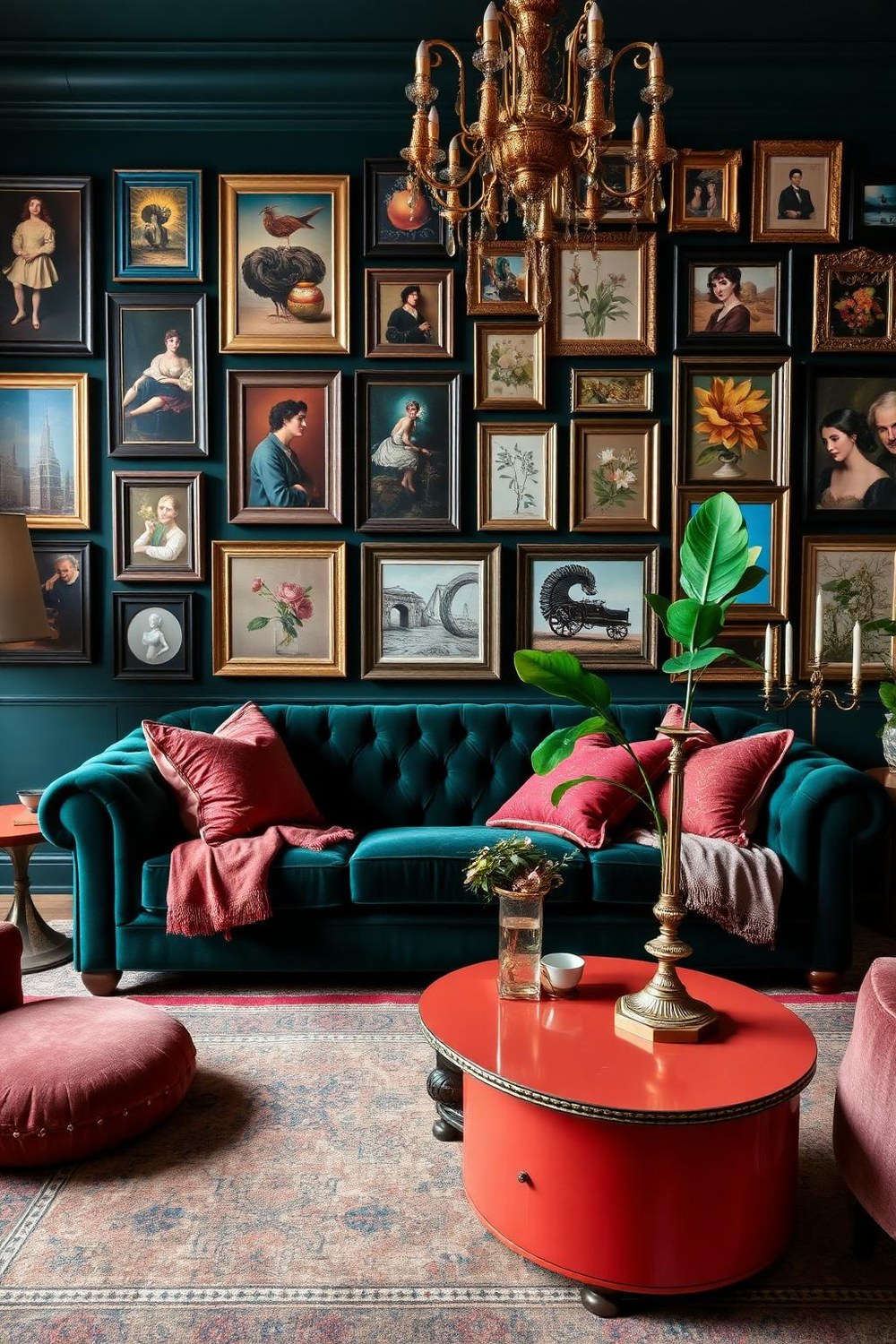
Tip: The discipline of maximalism lies in consistent color story — every element should relate to a shared palette (jewel tones with rich metallic gold, for instance). Without that thread, maximalism becomes clutter. With it, it becomes a masterpiece.
10. Double-Height Ceiling Living Room with Statement Lighting
A double-height or vaulted ceiling is one of the rarest and most coveted architectural features in American homes — but only when the design of the room rises to meet it with equally dramatic decisions.
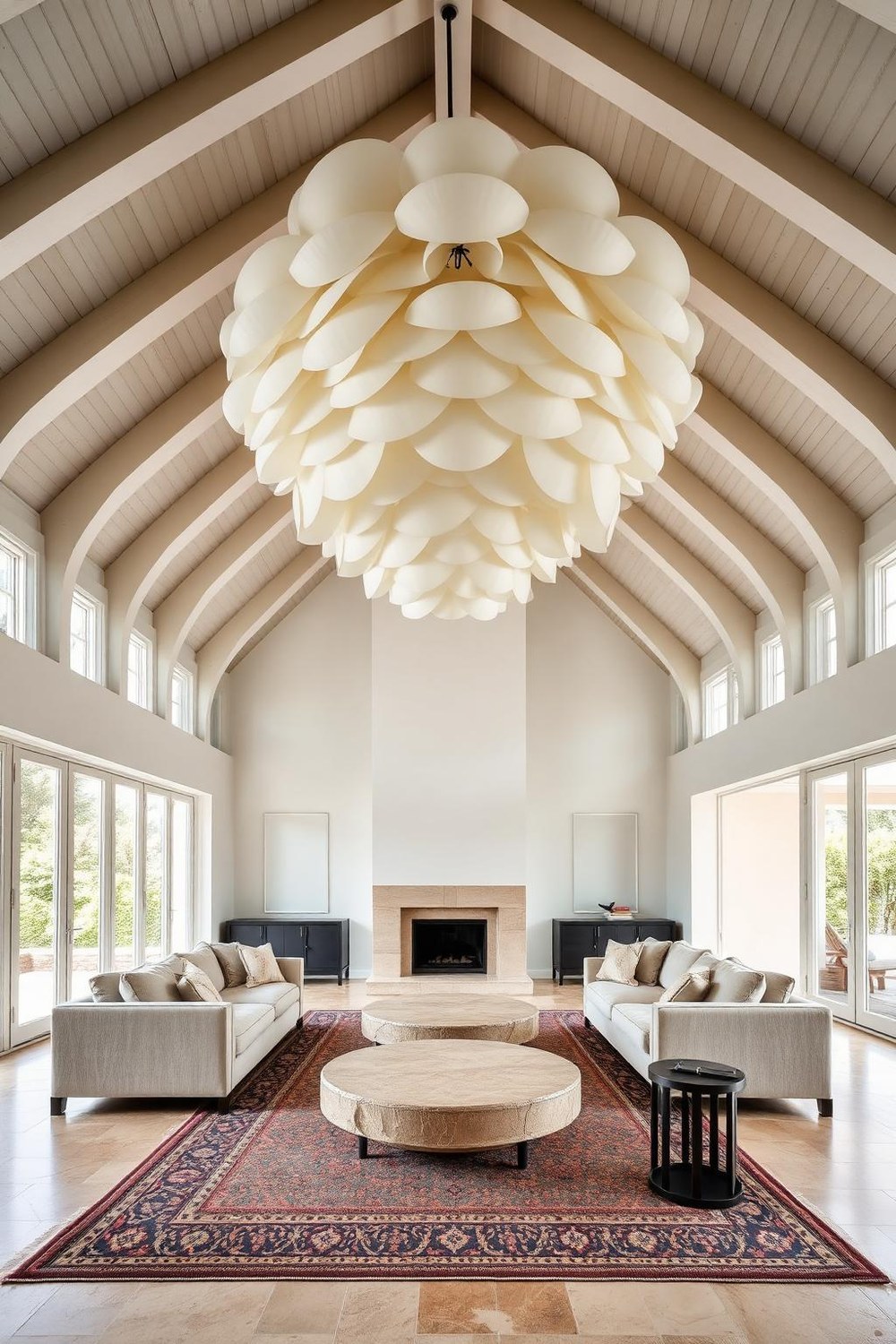
Tip: In a room with exceptional ceiling height, the lighting must match the scale — a small chandelier in a tall room looks lost and makes the ceiling feel even higher and colder. Scale up dramatically and without apology.
11. Earthy Organic Living Room with Raw Clay and Stone Textures
The organic modern movement — also called biophilic design — is about bringing the materials of the natural world directly into the interior: raw stone, unfinished clay, natural wool, and wood in its most honest form.
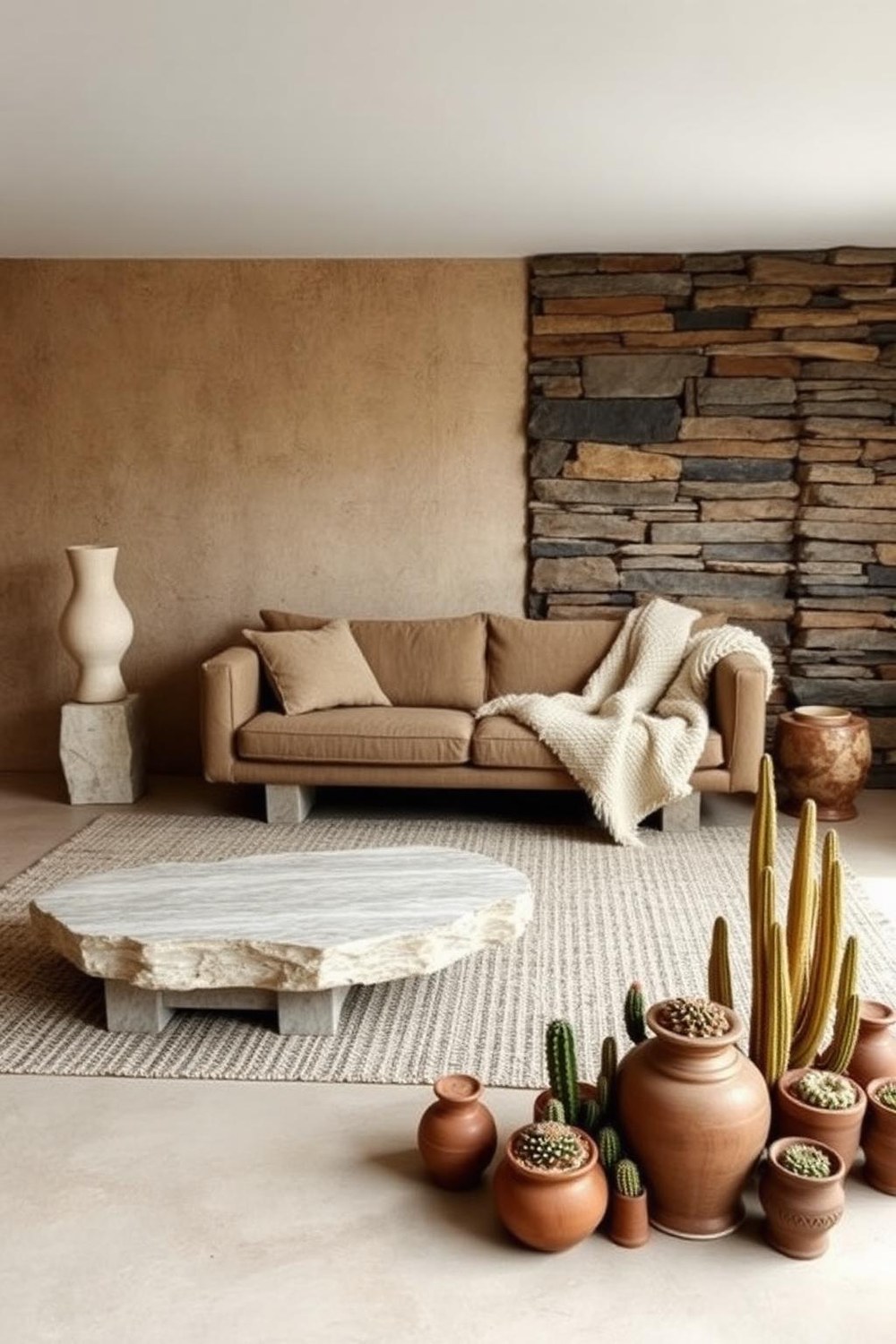
Tip: Mix three or four raw natural textures — stone, wool, clay, and unfinished wood — and keep the color palette entirely within the tones those materials provide naturally. This constraint produces rooms of extraordinary quiet beauty.
12. Living Room Inspiration: The Power of a Single Oversized Art Piece
One oversized artwork — hung confidently on a wall with plenty of breathing room around it — communicates more design sophistication than an entire gallery wall of smaller pieces ever could.
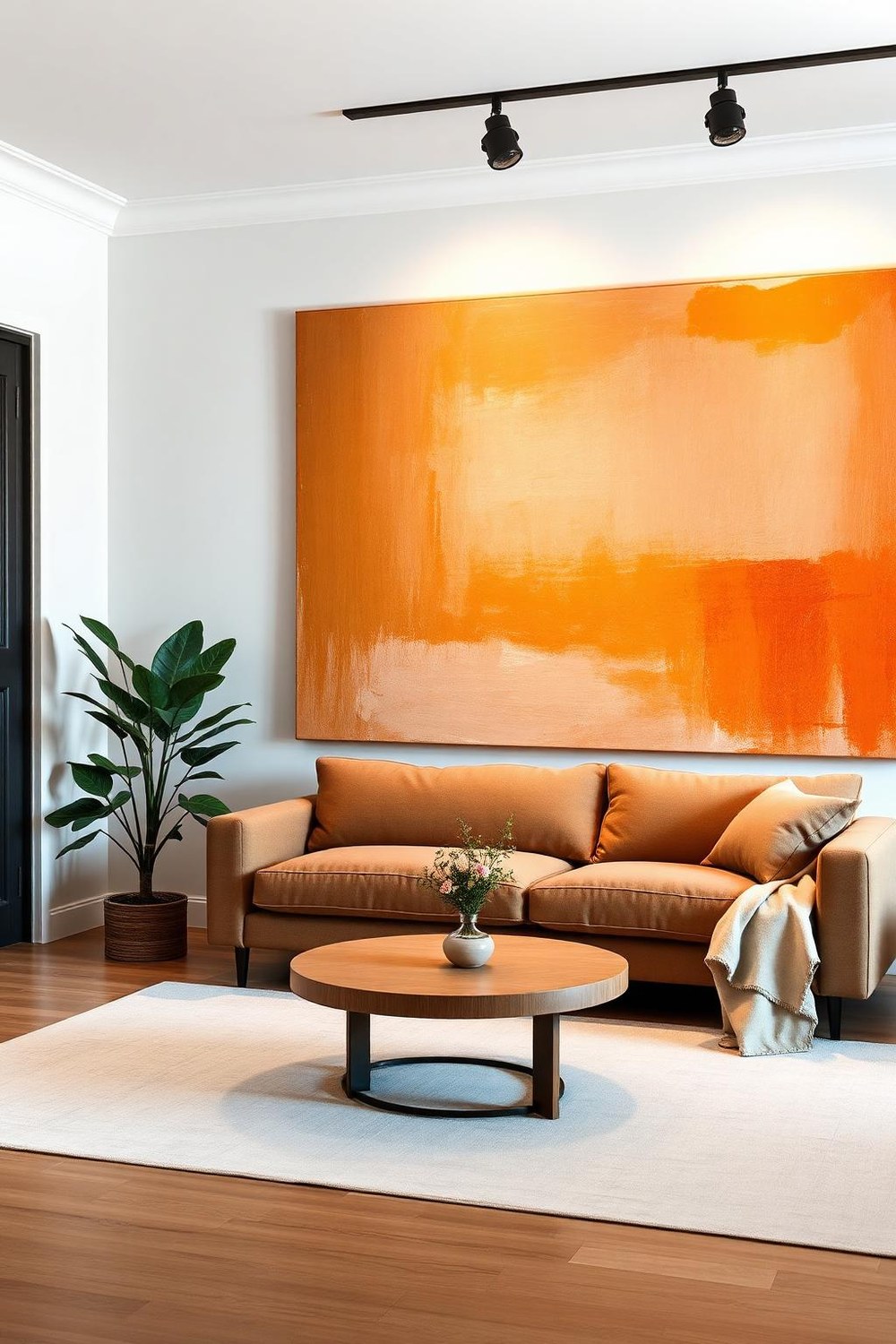
Tip: Hang oversized art so the center of the piece sits at 57 inches from the floor — the standard eye-level gallery height — regardless of how large the canvas is. This keeps the art connected to the human scale of the room rather than floating near the ceiling.
13. Tonal Dressing — A Living Room in 50 Shades of One Color
Tonal dressing — styling a room in varying shades and textures of a single color — is one of the most sophisticated techniques in interior design. Done in warm sand, it produces rooms that feel endlessly layered.
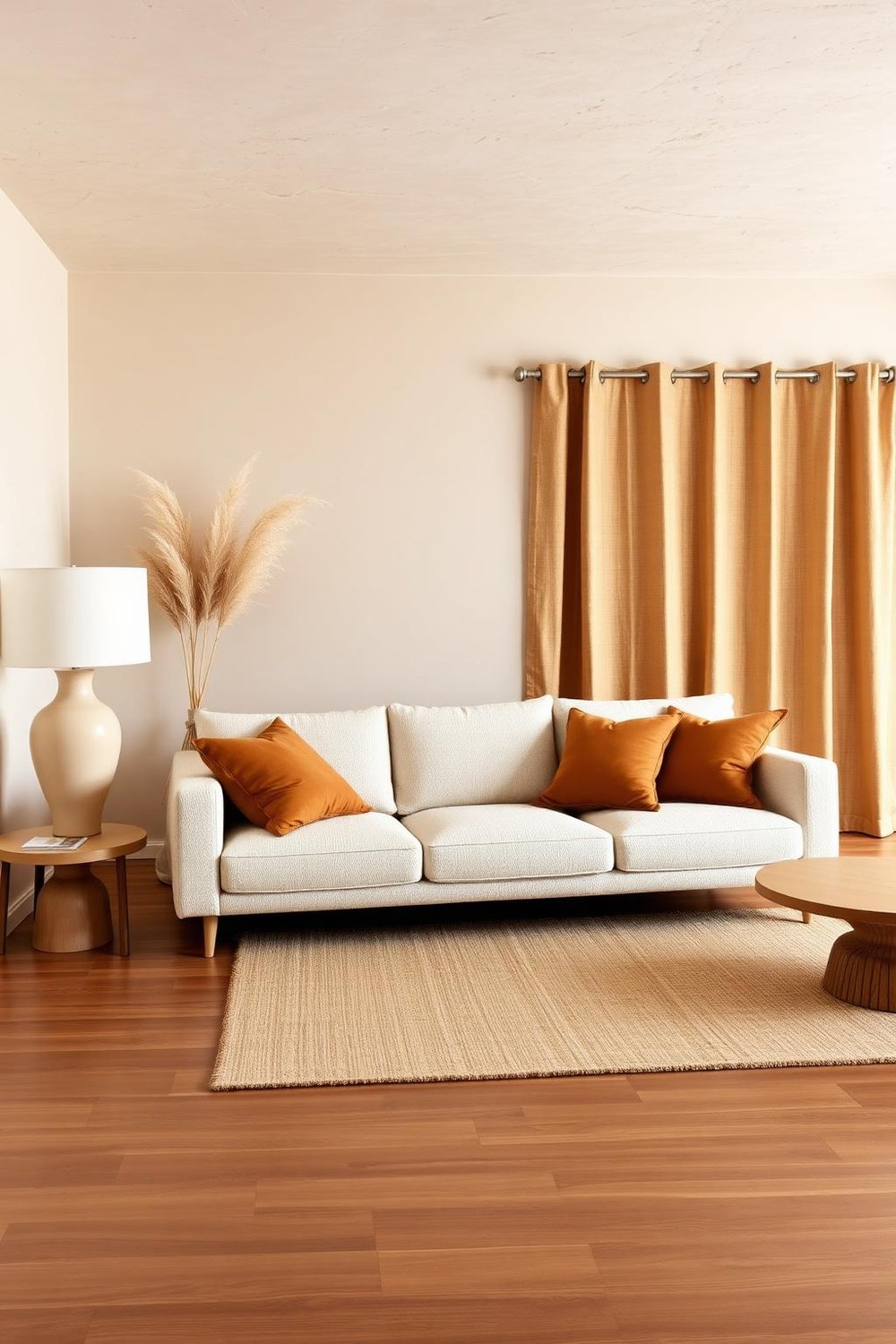
Tip: Tonal rooms succeed through texture contrast — when the colors are all related, the interest must come from material differences. Pair rough against smooth, matte against sheen, heavy against light, to prevent the room reading as flat.
14. Living Room Decoration with Architectural Archways and Niches
Architectural details — arched doorways, recessed wall niches, built-in alcoves — are the features that distinguish a designed room from a furnished room. They give a living room genuine bones.
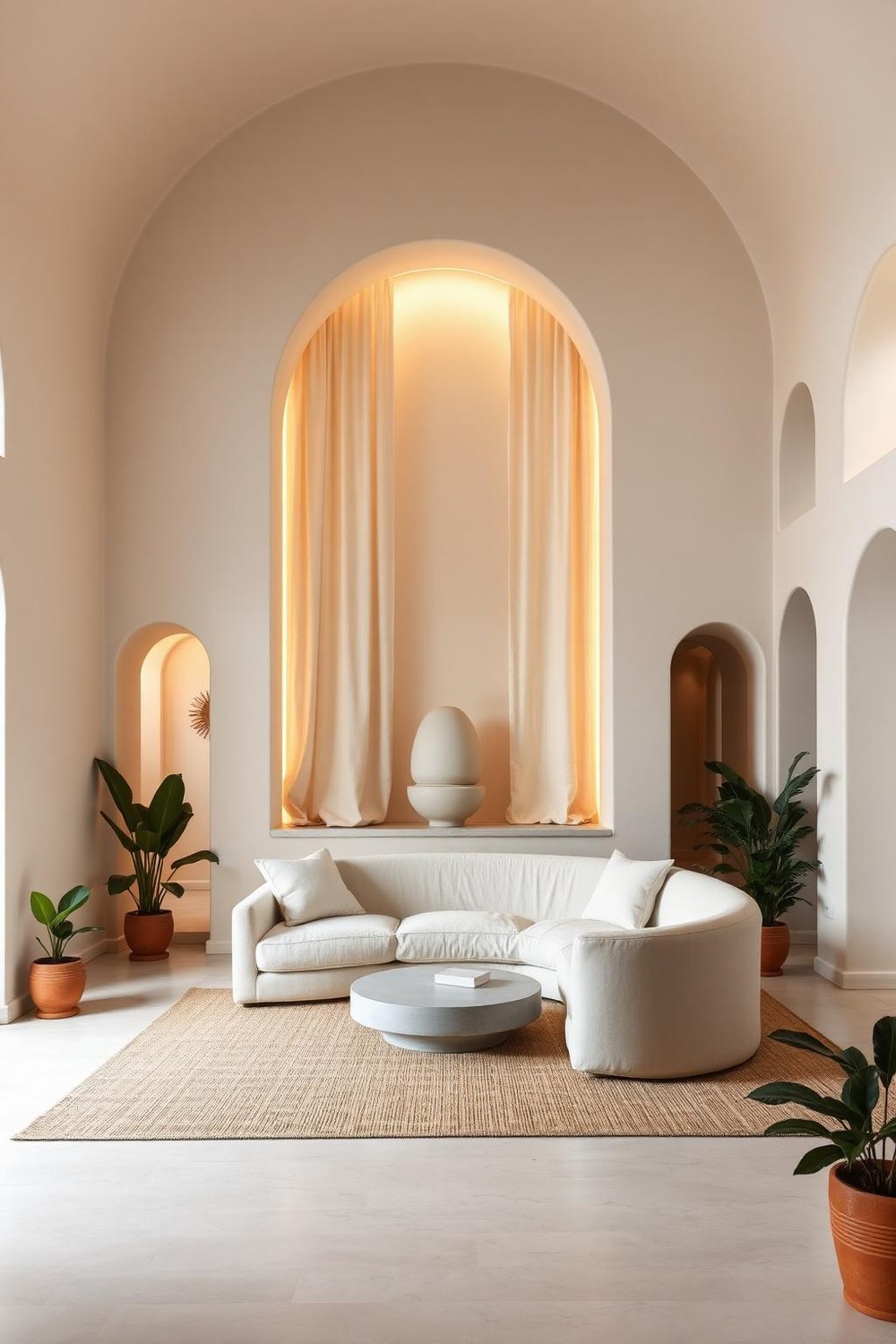
Tip: A recessed wall niche lit from within is one of the most impactful architectural additions possible in a living room renovation — it costs relatively little to add during a drywall phase and becomes the most photographed feature of the room.
15. The Living Room Inspo: Moody Dark Palette with Jewel Accents
Dark living rooms — when designed with intention — feel like stepping into a room that has been waiting specifically for you. They are intimate, immersive, and quietly theatrical in the best possible way.
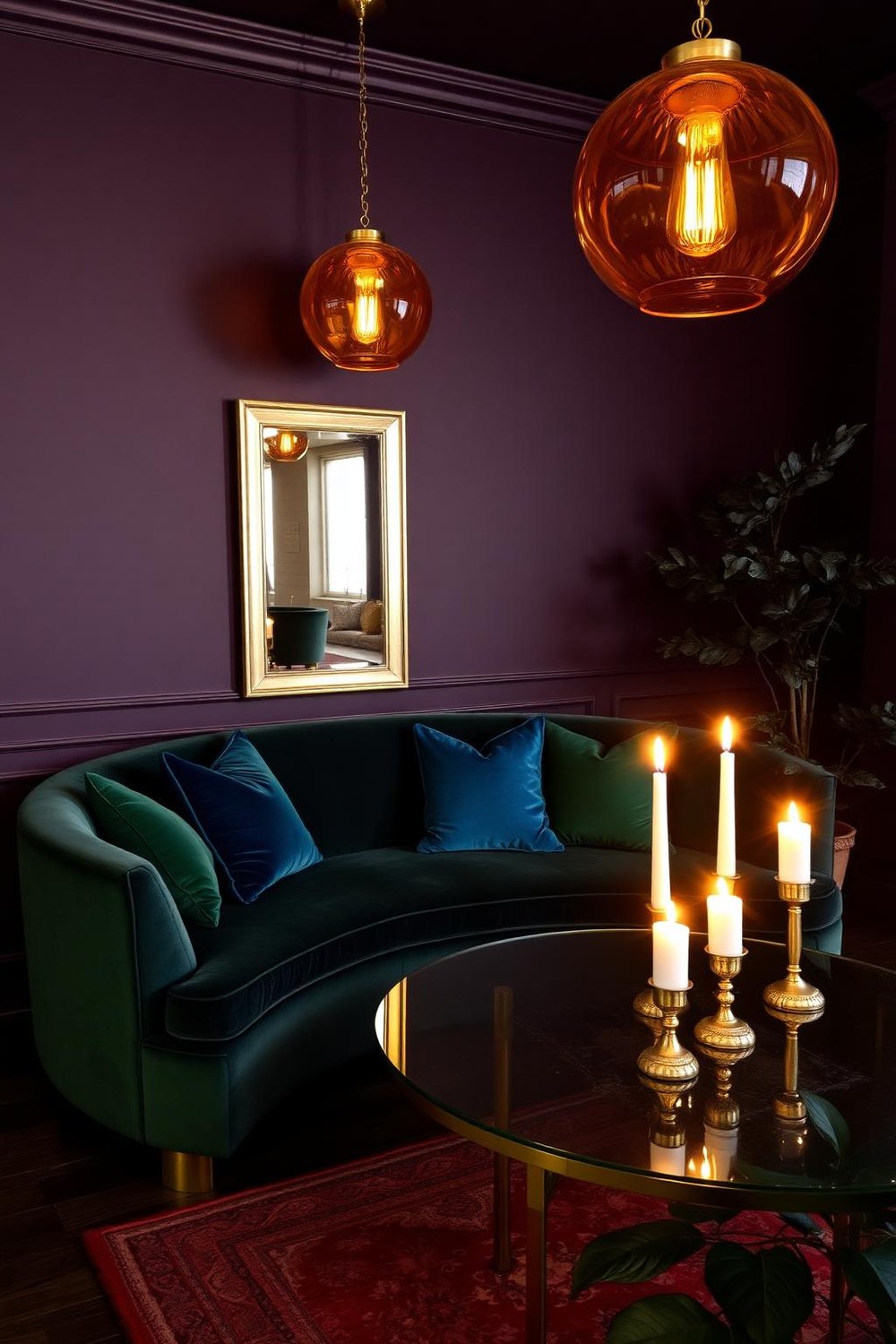
Tip: Dark wall colors require more artificial light sources, not fewer — add at least one lamp more than you think the room needs. The interplay between deep dark walls and warm golden lamplight is what creates the theatrical effect.
16. Biophilic Living Room Design — Bringing the Outside In
Biophilic design — the practice of connecting interior spaces deliberately to nature — has moved from an architectural theory to one of the most requested living room design approaches in American homes.
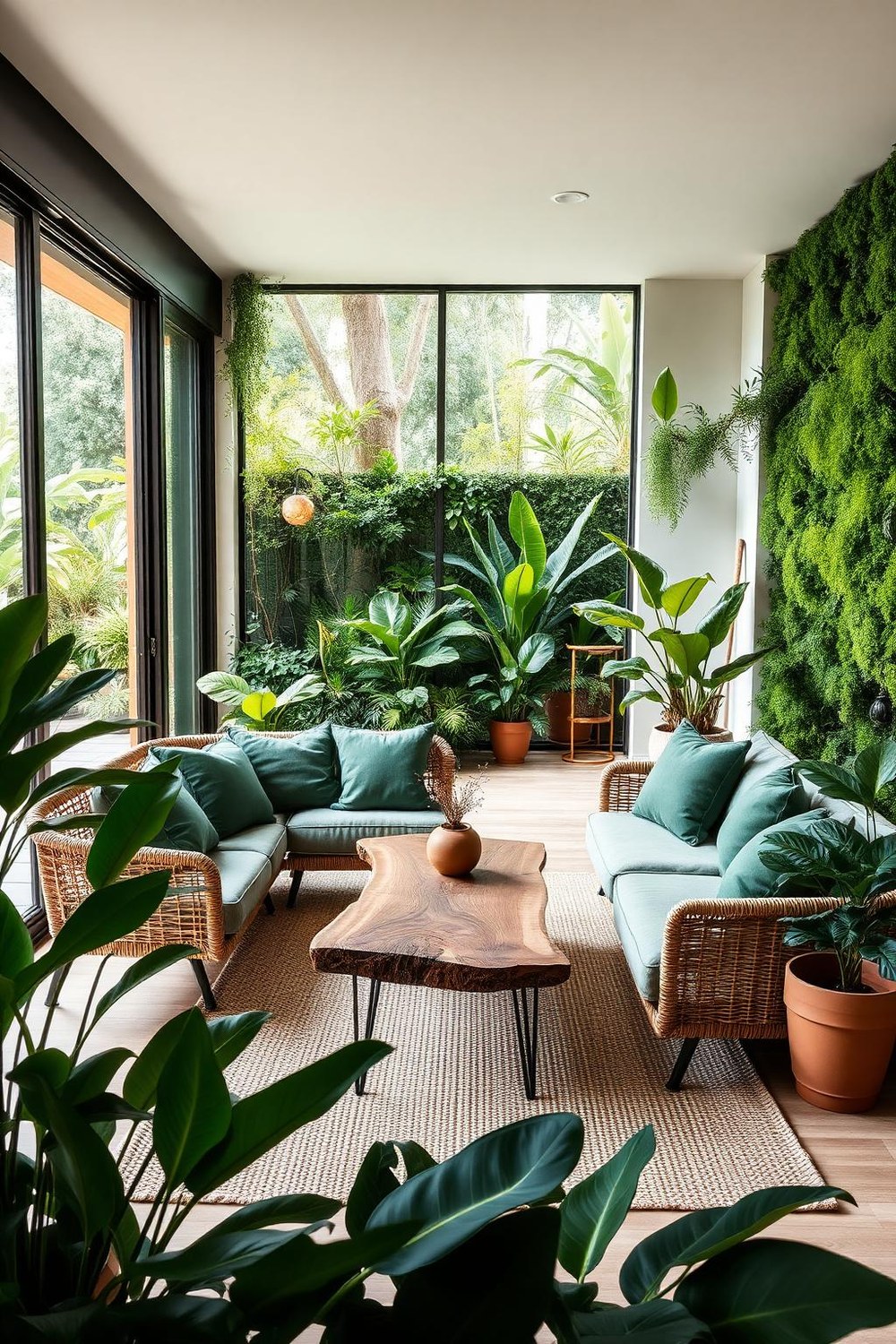
Tip: A living moss wall panel is available as a prefabricated preserved moss installation — no irrigation required. It lasts years with zero maintenance and adds a quality of living texture to a room that no paint or wallpaper can replicate.
17. The New American Traditional — Updated Classic Living Room Design
Traditional American living room design is having a thoughtful reinvention — the formal symmetry and rich materials remain, but the stuffiness has been edited out entirely, replaced by a warmer, more approachable spirit.
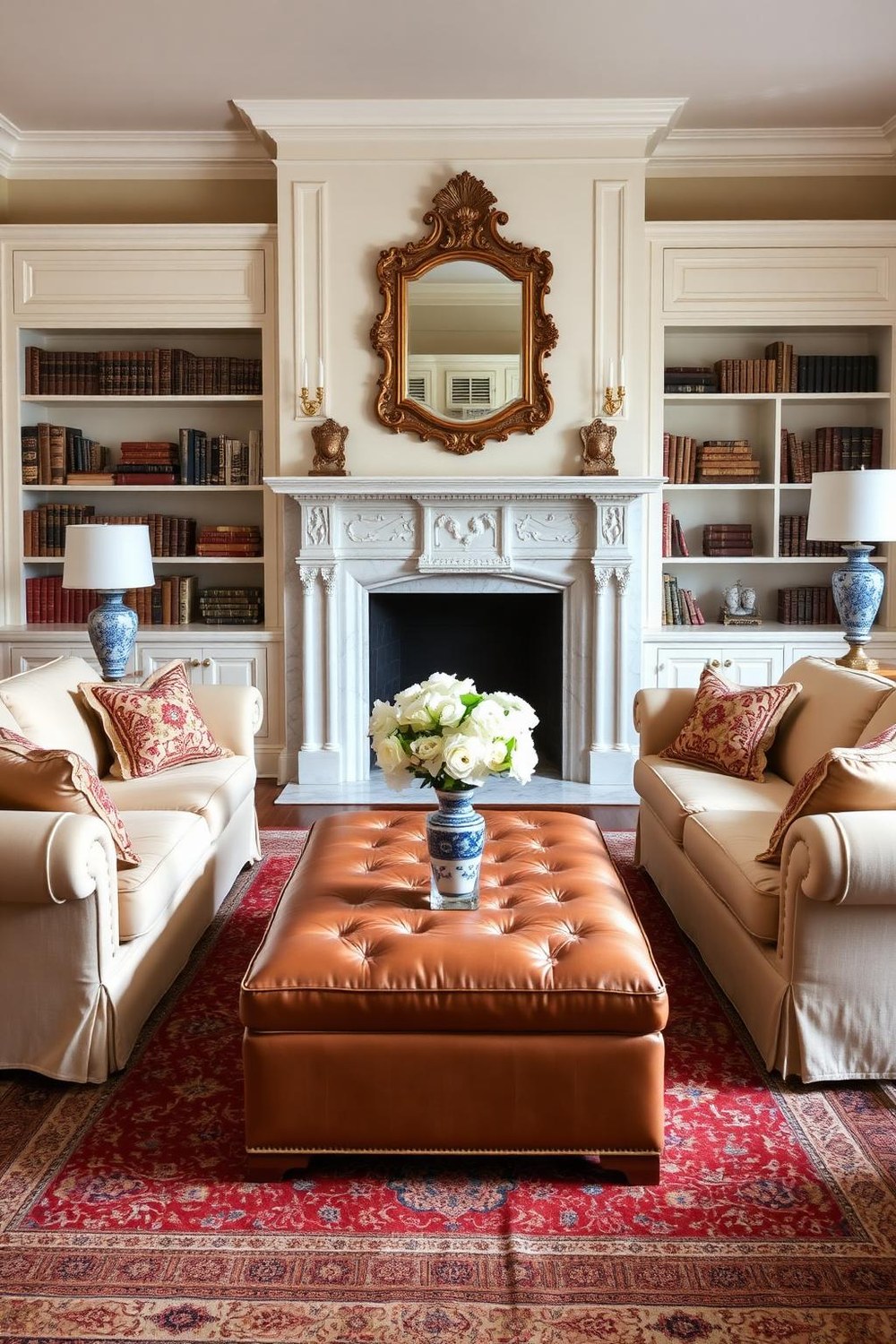
Tip: The key to updating traditional design without losing its warmth is editing the accessories ruthlessly — keep the quality furniture and architectural details, but remove 40 percent of the decorative objects to let the room breathe.
18. Living Room Decor Inspiration: The Unexpected Ceiling Treatment
Most homeowners treat the ceiling as the fifth wall to be painted white and forgotten. Interior designers treat it as the most underused design surface in the entire room.
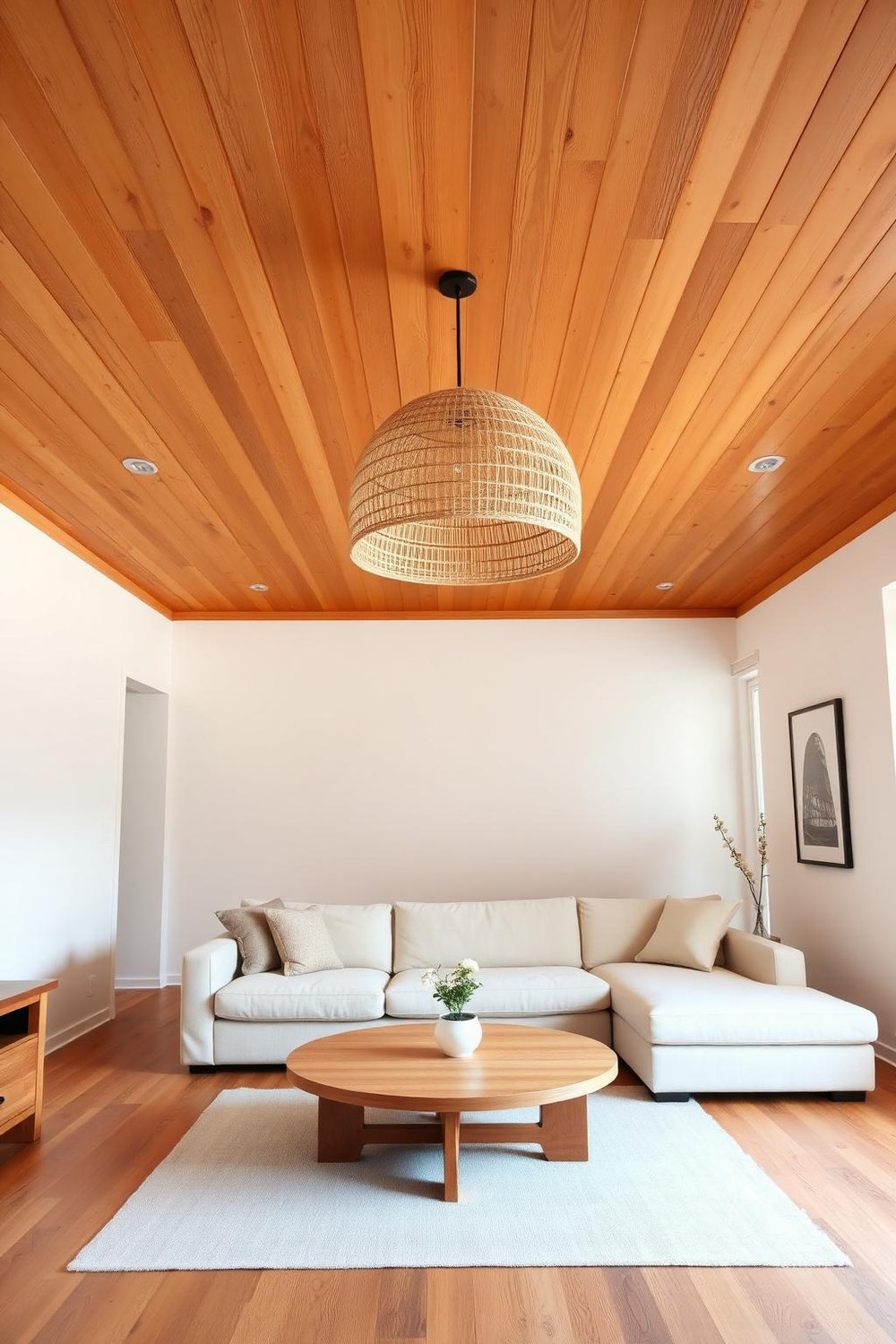
Tip: A wood-planked ceiling adds warmth without a single piece of furniture — it is one of the most transformative architectural upgrades available at a moderate renovation cost. Install planks parallel to the longest wall dimension to make a room feel more spacious.
19. Living Room Design with a Dramatic Corner Floor Lamp Collection
A single floor lamp in the corner of a living room is expected. A collection of three dramatically different floor lamps in the same corner — at varying heights and in complementary materials — is a design statement.
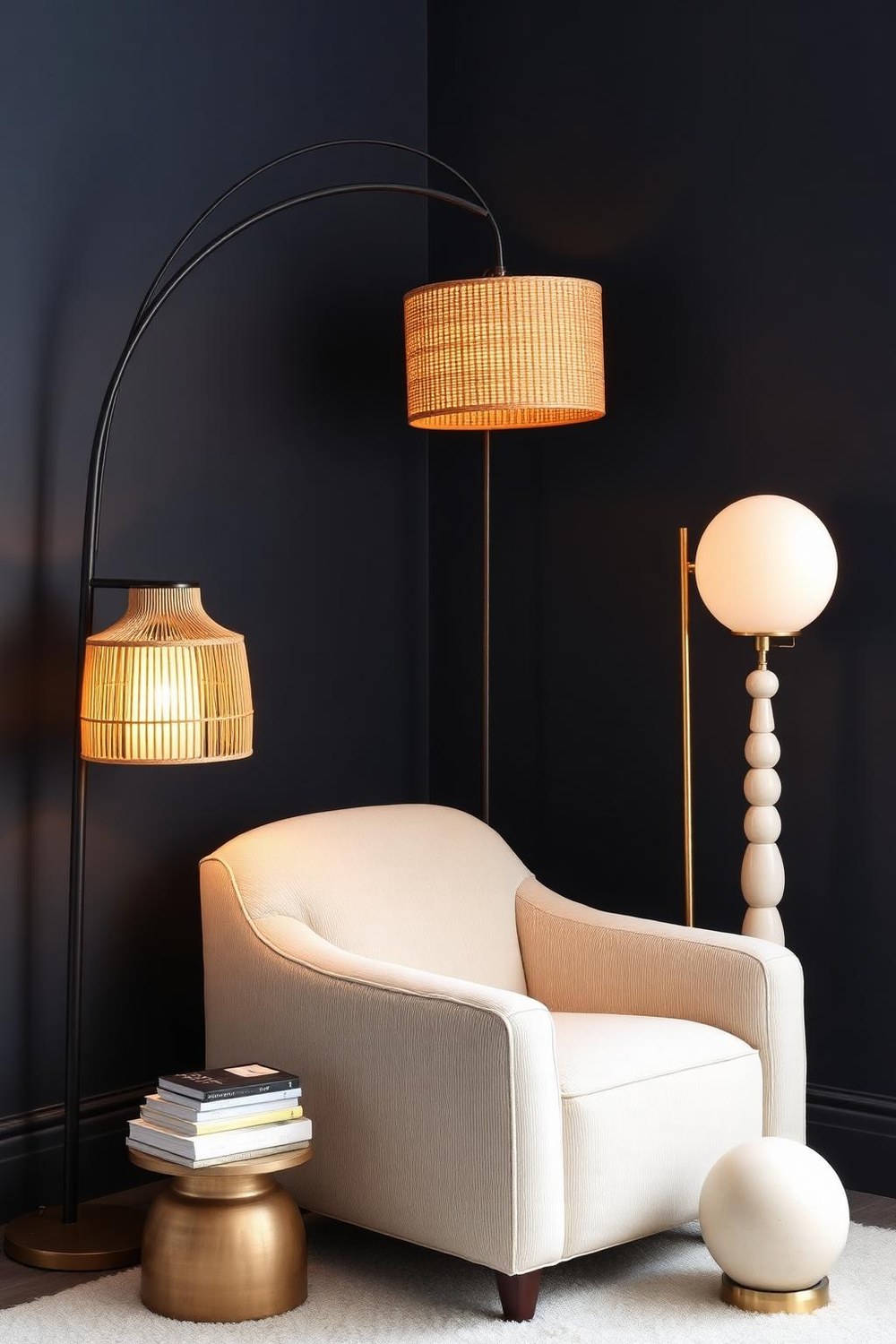
Tip: Clustering lamps of different heights in one corner of a living room creates a dramatic lighting installation effect without a single electrical installation — everything is plug-in and completely rearrangeable as your space evolves.
20. Checkerboard Floor as the Living Room's Personality Piece
A checkerboard floor — in stone, painted wood, or luxury vinyl — is the single most impactful floor treatment you can introduce to a living room. It gives the room instant character that no rug can replicate.
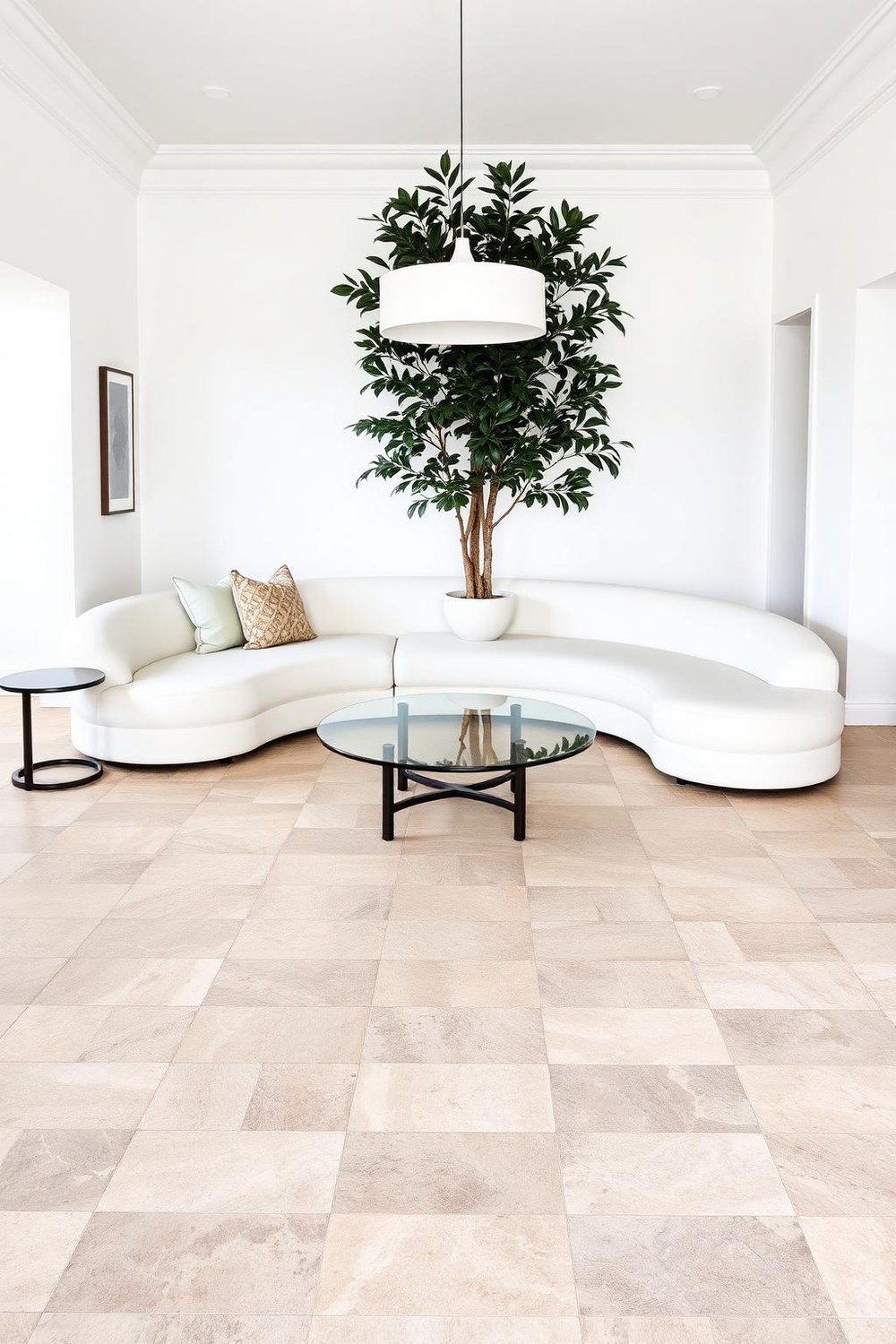
Tip: When using a bold checkerboard floor, keep every other element in the room simple and monochromatic — the floor is the art. A glass or clear acrylic coffee table is the ideal choice as it does not interrupt the pattern below.
21. Living Room Decoration with a Sofa Table Behind the Sofa
A sofa table — a narrow console placed directly behind the sofa — is one of the most practical and most underused pieces of furniture in living room design. It creates a visual layer that makes rooms feel more intentional.
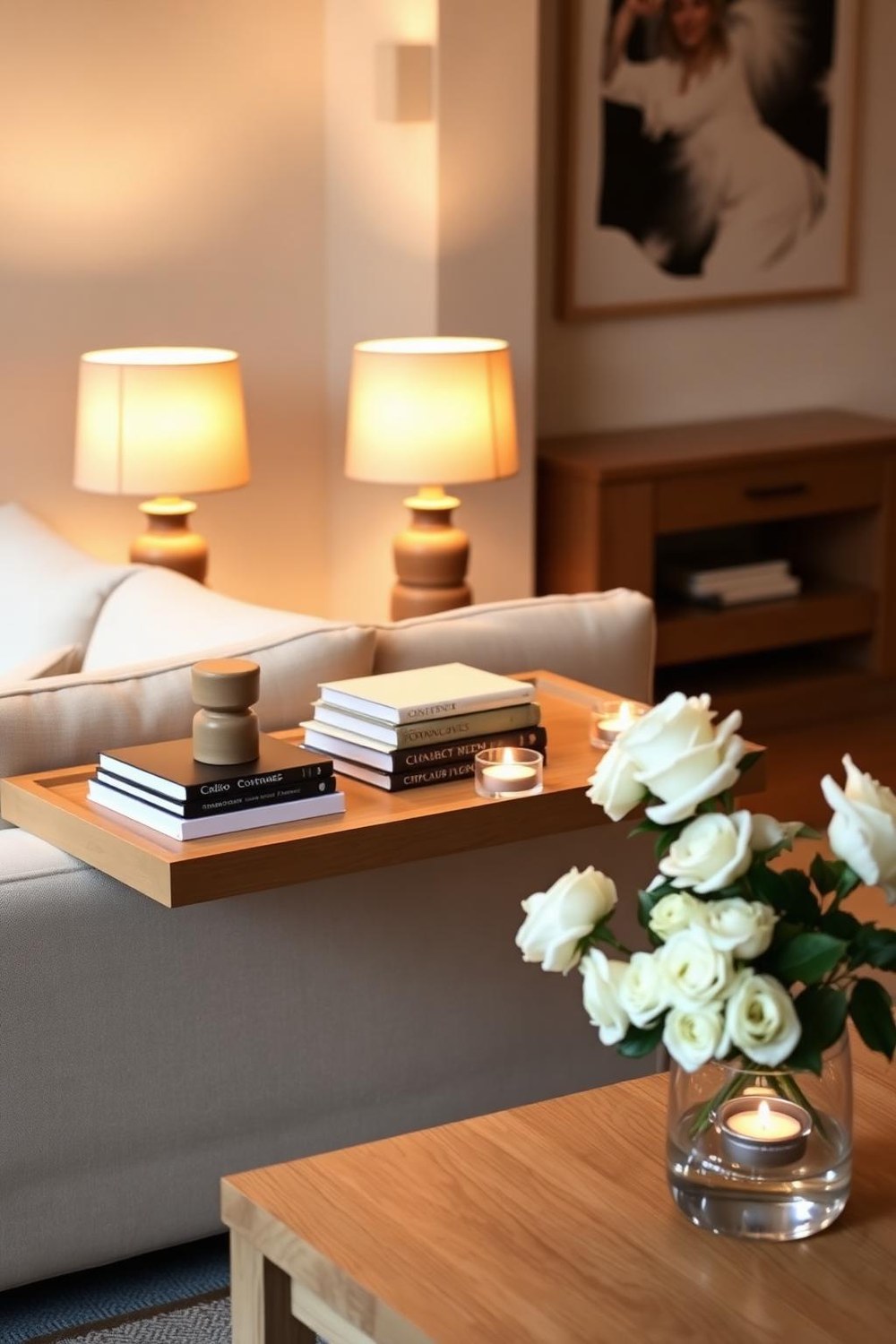
Tip: A sofa console serves a room in two ways simultaneously — it creates the visual depth of a styled vignette from across the room, and it provides a practical surface for lamps and objects within arm's reach of the sofa.
22. Living Room Inspo: Natural Light as the Primary Design Element
The most beautiful living rooms in the world have one thing in common that money cannot simply purchase: they were designed around their natural light, not in spite of it.
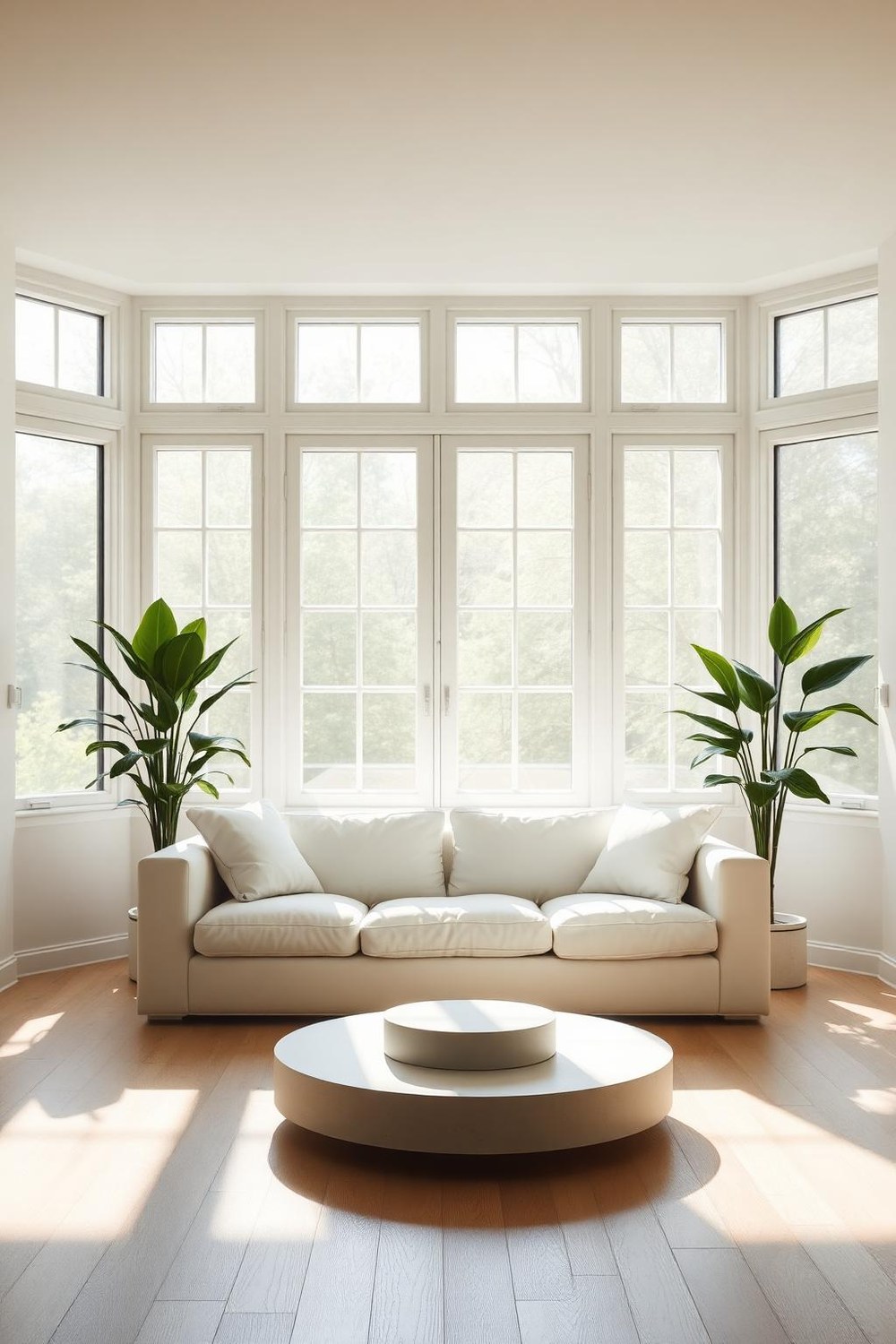
Tip: Bleached or whitewashed oak floors reflect natural light back upward into a room — this dramatically increases the perceived brightness of a space without any additional windows or artificial light sources.
23. Statement Wallpaper on One Living Room Wall
A single wallpapered accent wall — in a bold pattern or textured finish — does in one afternoon what years of decorating sometimes fails to achieve: it gives the room a genuine identity.
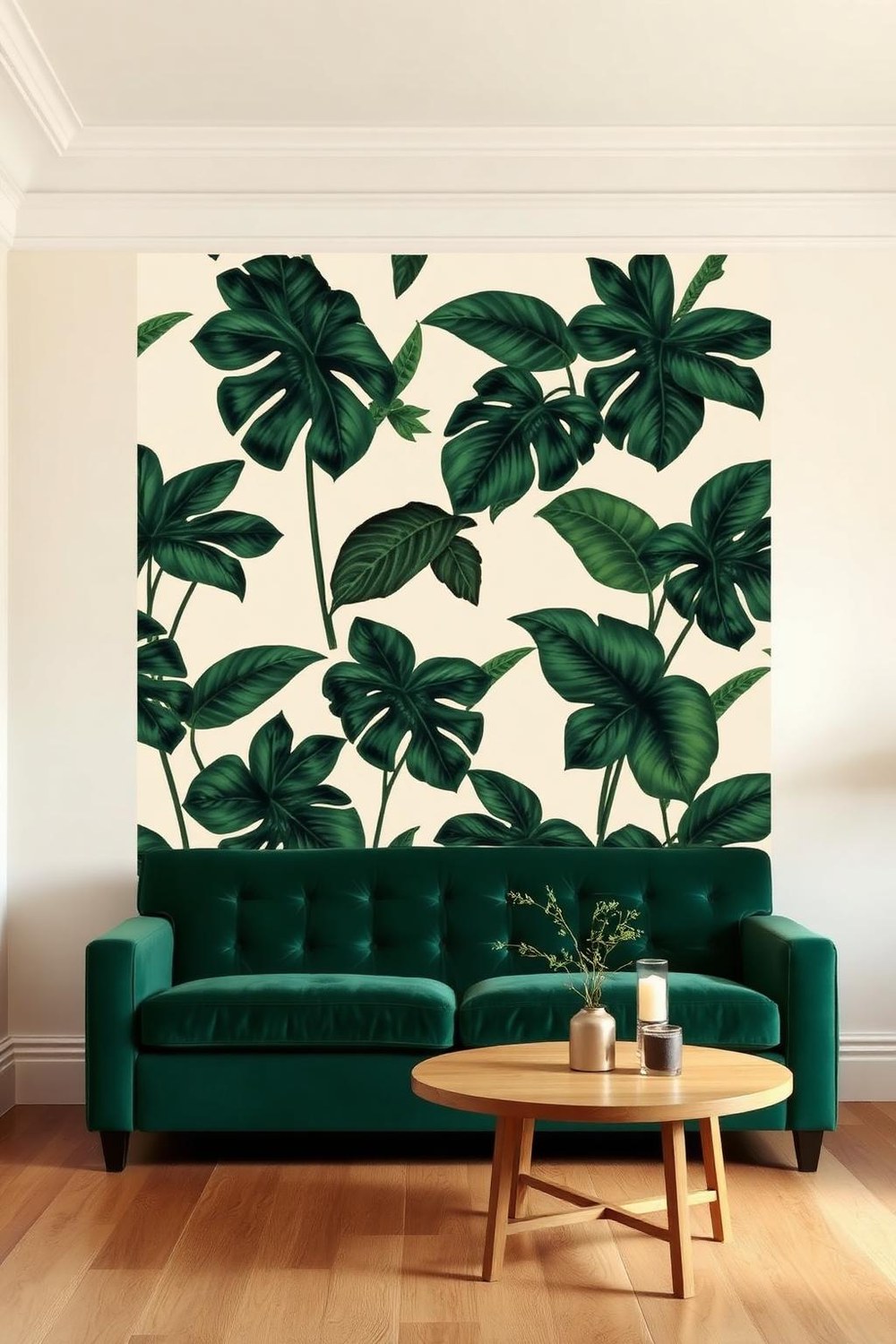
Tip: Pull one color from your statement wallpaper and repeat it in exactly two other places in the room — a throw pillow and a plant pot, for example. This technique ties the wallpaper to the room and makes the design feel considered rather than added as an afterthought.
24. Living Room Design with a Window Seat and Reading Nook Built In
A built-in window seat transforms what is typically dead architectural space — the area directly in front of a window — into the most coveted spot in the entire house.
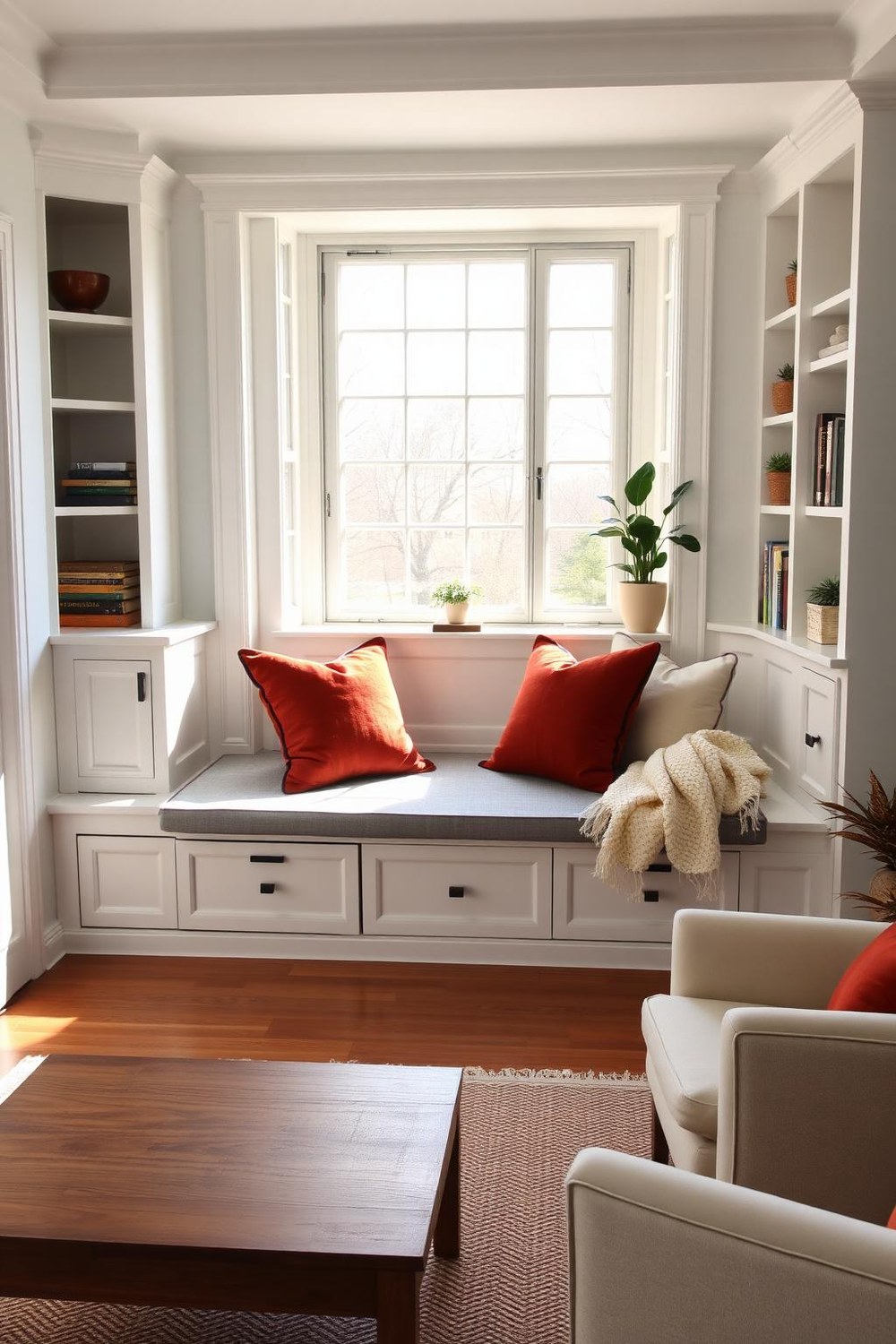
Tip: A window seat cushion should be at least 4 inches thick — anything thinner quickly becomes uncomfortable. Use a high-density foam core wrapped in Dacron batting for a cushion that stays full and inviting for years without losing its shape.
25. Living Room Decor Using Vintage and Antique Pieces Modernly
The most interesting living rooms are never entirely new — they contain at least one piece with a previous life. Vintage and antique objects bring a quality of accumulated history that new furniture simply cannot manufacture.
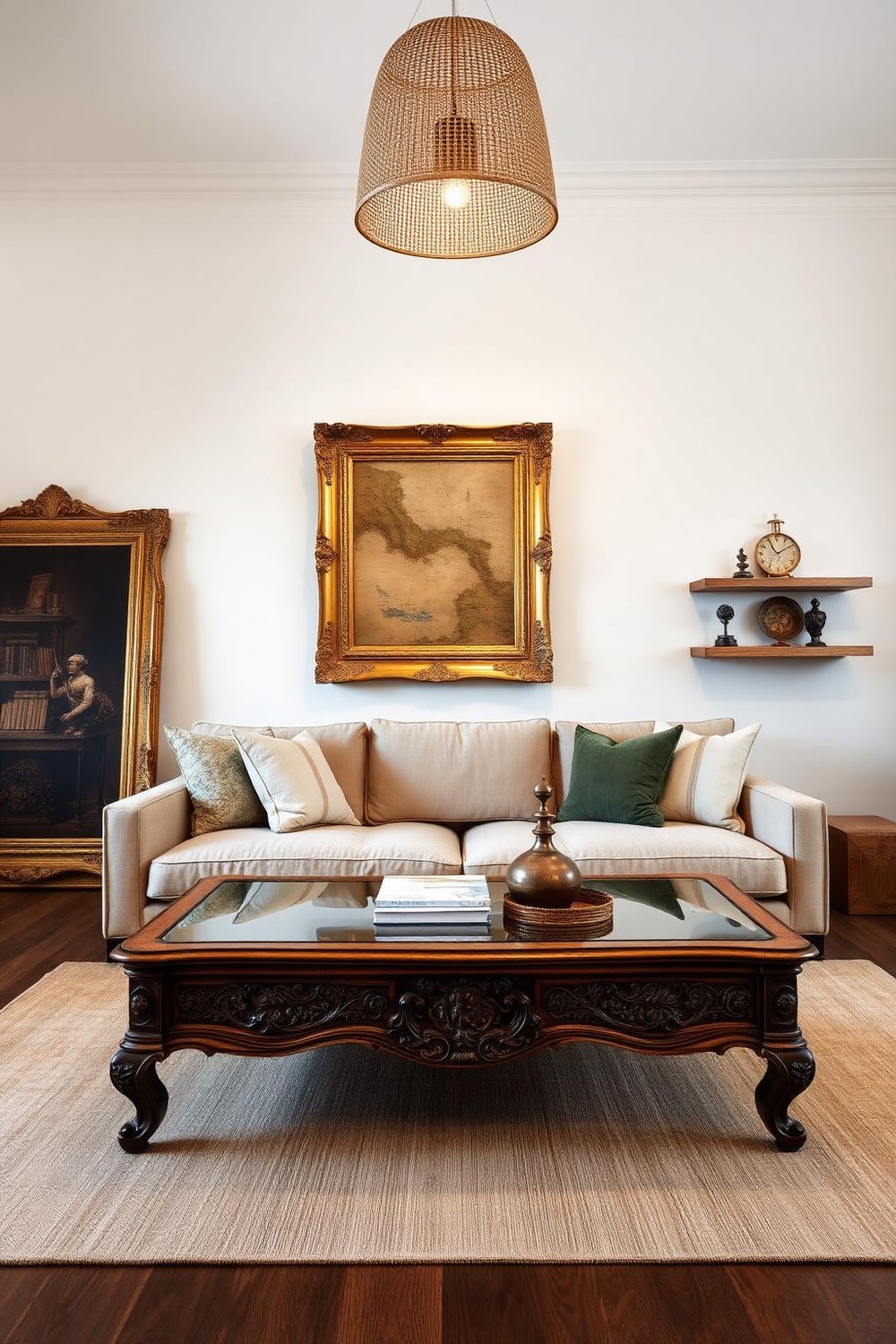
Tip: The most successful approach to mixing vintage and modern is to keep the large modern pieces (sofa, coffee table, rug) contemporary and let vintage objects fill the decorative roles: lamps, mirrors, frames, and accent furniture.
26. Soft Minimalist Living Room with Warm Tactile Surfaces
Soft minimalism is minimalism that has learned from its mistakes — it keeps the restraint and the clean lines but wraps them in materials warm enough to actually want to spend time with.
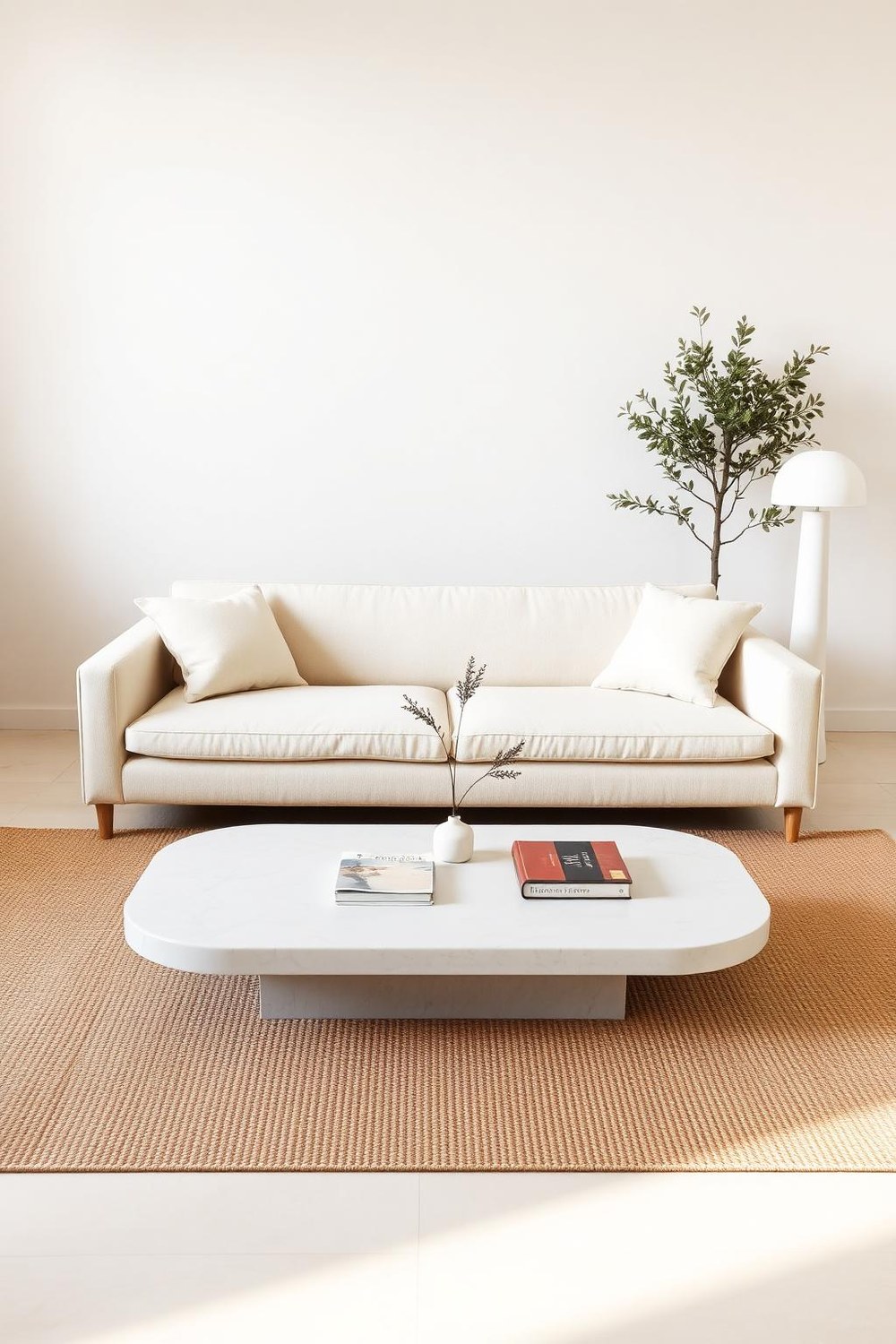
Tip: In a soft minimalist room, the quality of every single object matters more than in any other style — because there is nowhere to hide anything. Buy fewer, better things, and let each one be genuinely beautiful.
27. Living Room Inspiration: The Conversation-First Layout
Most living rooms are designed around the television. A conversation-first living room is designed around the people in it — and the resulting layout feels immediately different when you walk in.
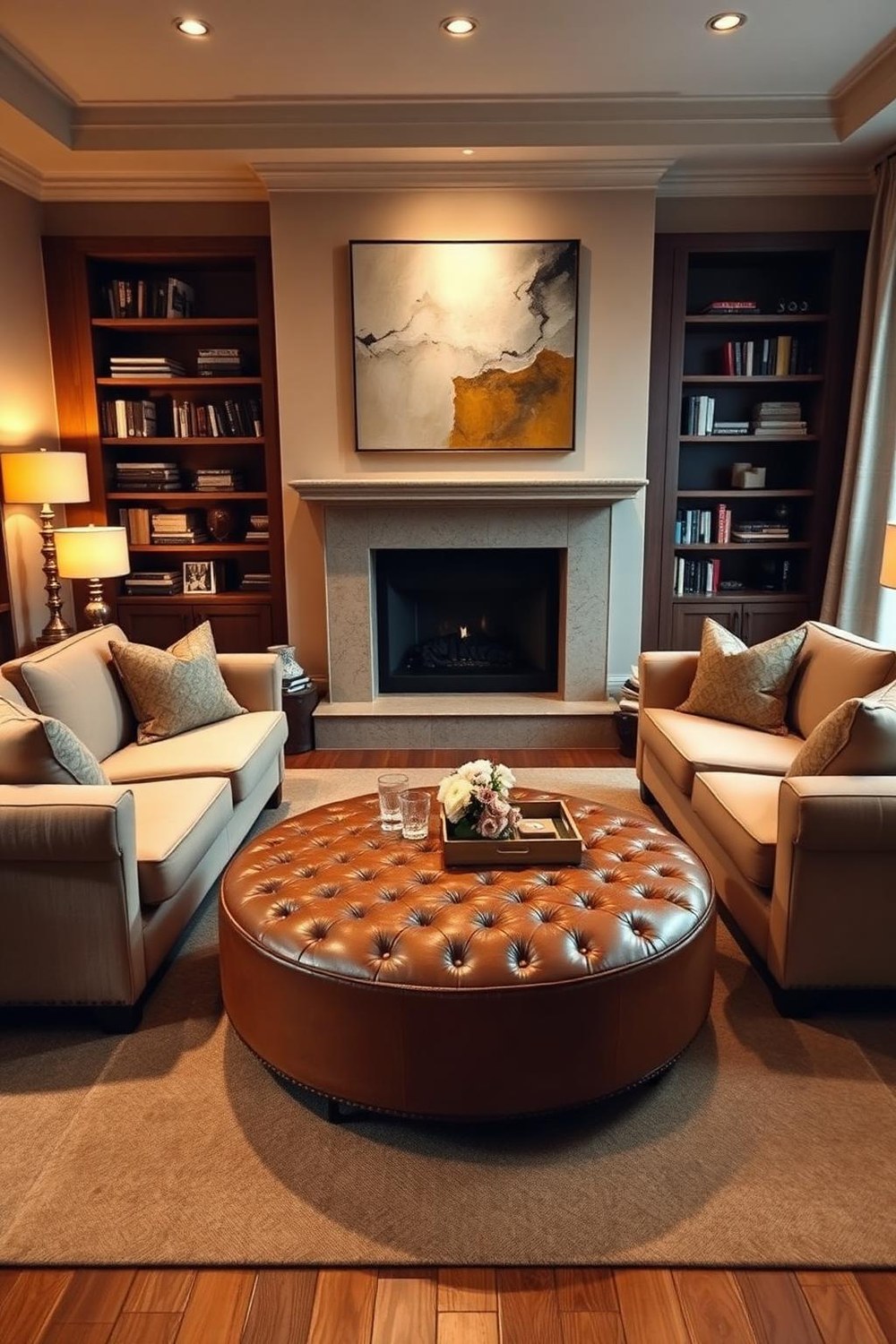
Tip: If removing the television entirely feels too dramatic, conceal it behind a pair of hinged cabinet doors painted to match the wall — this makes it disappear completely when not in use and restores the room's primary identity as a conversation space.
28. Living Room Decorations: Styling the Five Zones of a Great Room
The most beautifully decorated living rooms are not styled as one unified surface — they are composed of five distinct micro-zones, each with its own moment of visual interest and purpose.
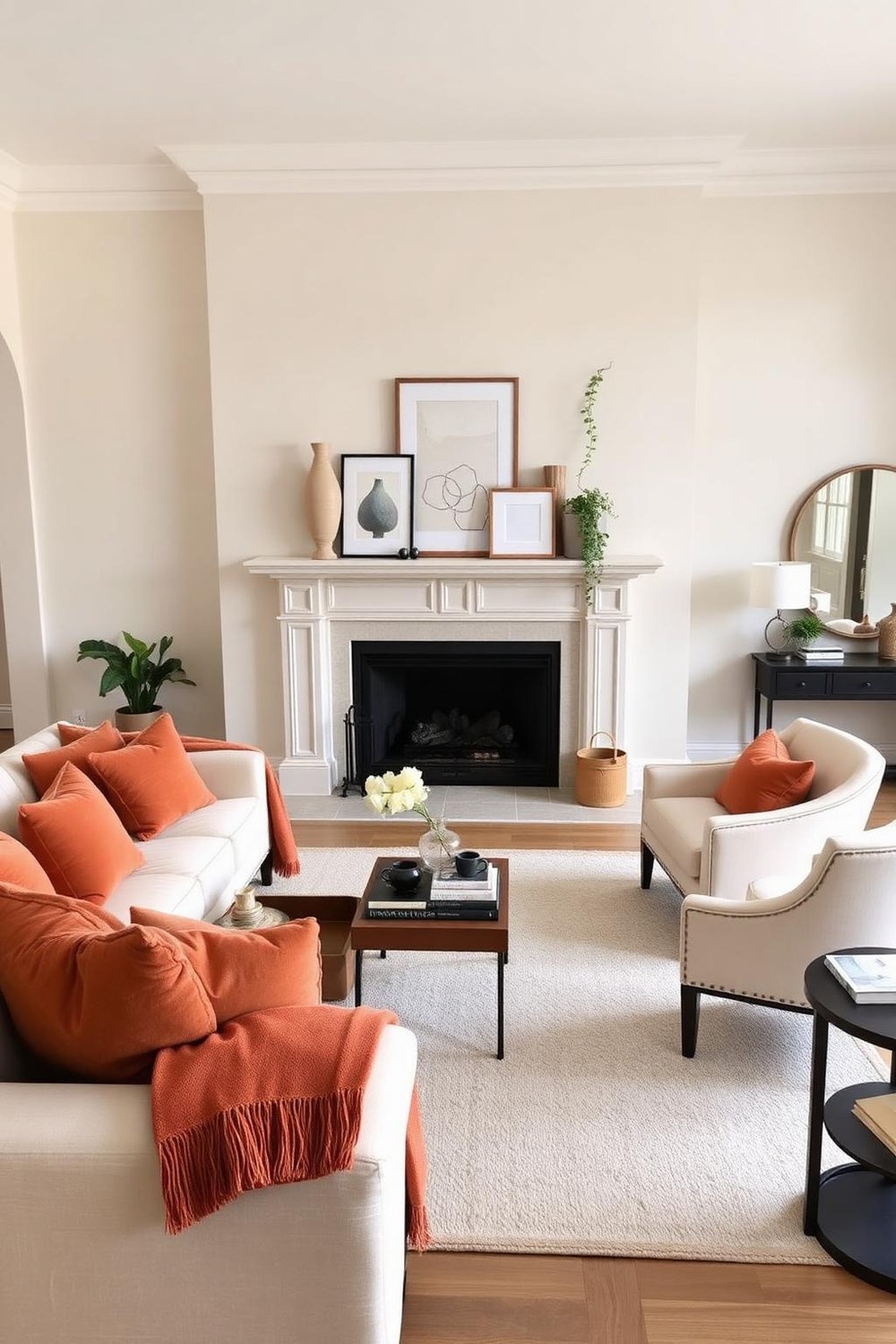
Tip: When decorating any living room, style these five zones in sequence before adding anything else: sofa, coffee table, mantle or focal wall, reading corner, and entry moment. Together they create a room that reads as complete from every angle.
29. Warm Amber and Cognac Living Room — The Autumn Forever Palette
Some color palettes are permanently seasonal — and amber, cognac, warm rust, and burnished gold create the feeling of autumn all year long, making a living room feel perpetually welcoming regardless of what month it is outside.
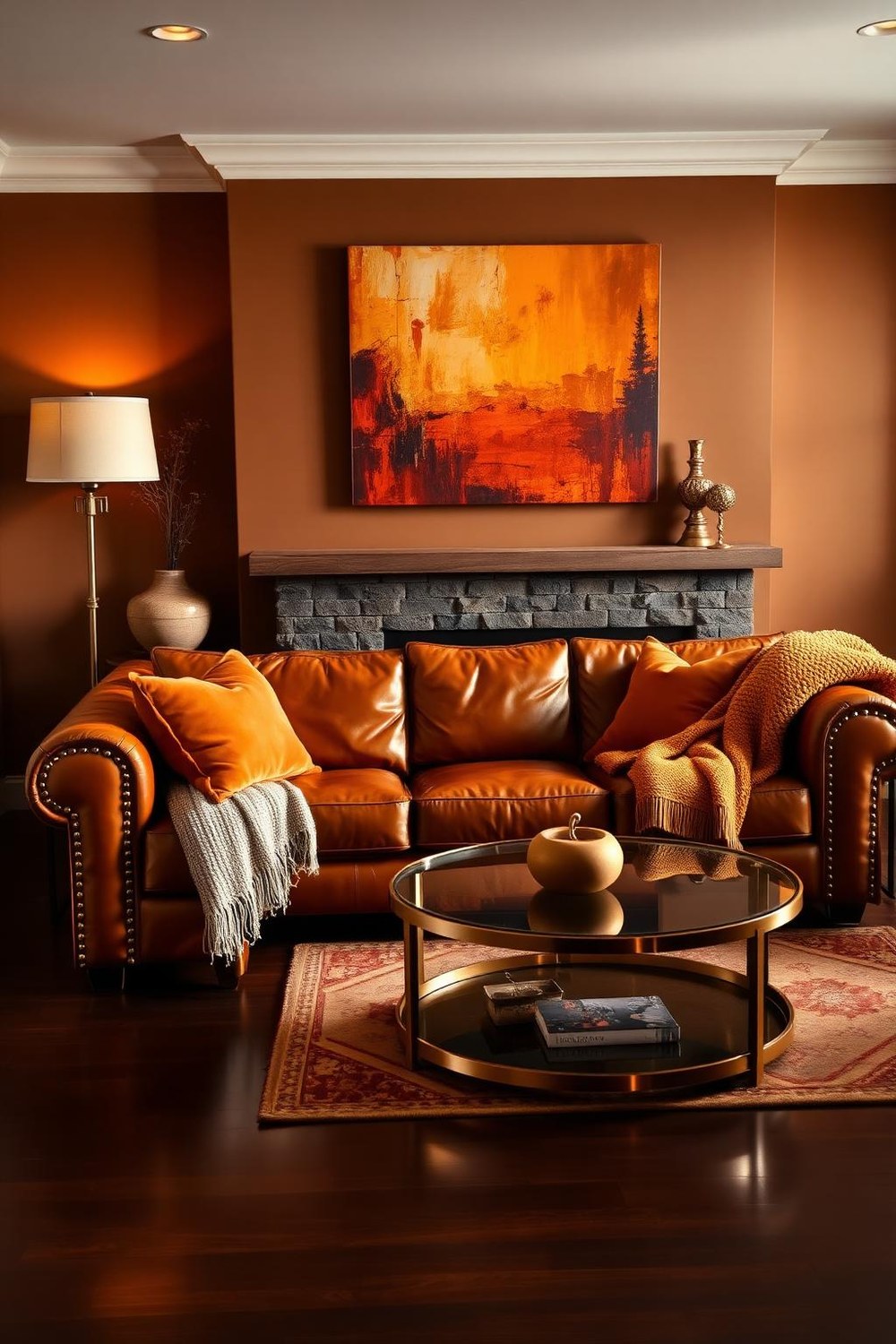
Tip: The cognac leather sofa is one of the most versatile investments in this palette — it works in autumn, winter, spring, and summer because its tone is simultaneously warm and neutral. It ages beautifully and only gets better with years of use.
30. The Living Room That Grew — Layered Over Time, Not All at Once
The most authentic living rooms in the world were not completed in a single shopping trip. They were assembled gradually — one right piece at a time — until the room told a complete and personal story.
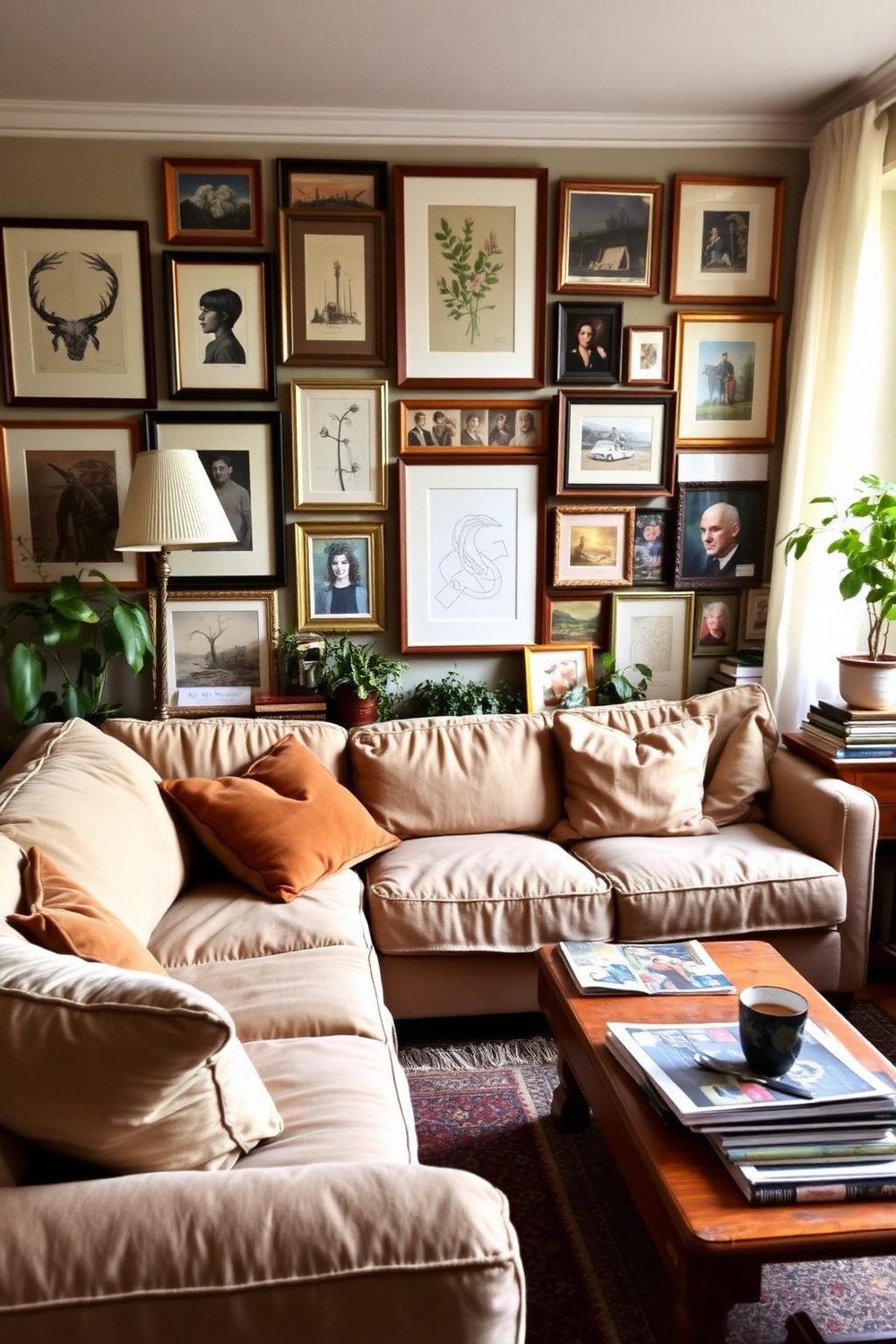
Tip: The most important design rule for a lived-in room is to resist the urge to make everything match. Your living room should look like you — accumulated, personal, imperfect, and completely irreplaceable.
The 8 Principles Behind Every Great Living Room Design
Scale: Every room needs at least one piece that surprises with its size — too large or too low. Scale creates drama.
Light layering: No single light source creates coziness. Three sources minimum — ambient, accent, and decorative.
Texture contrast: Pair rough with smooth, matte with sheen, heavy with light. Contrast is what the eye finds interesting.
Negative space: The empty wall, the bare corner, the uncrowded shelf. Restraint communicates confidence.
One clear focal point: Every room needs one thing to look at first. Everything else supports that one thing.
Consistent metal finish: Pick one — brass, black, chrome — and commit. Mixed metals signal indecision.
Living material: At least one plant, one flower, or one piece of natural wood. Rooms without organic material feel institutional.
Personal objects: At least one thing in the room that cannot be bought in a store. Your living room should contain proof that you live there.
Frequently Asked Questions
What is the most impactful change I can make to my living room decor?
Lighting — specifically replacing a single overhead fixture with multiple warm-toned lamps at varying heights. This one change affects how every other element in the room reads and feels, and it costs less than almost any piece of furniture or decor object you could buy. Follow it immediately with a beautiful rug and a great throw blanket, and your room will feel transformed before you have spent a significant budget.
How do I find my living room design style?
Rather than starting with a style label and working backward, start by collecting images of rooms that make you feel something — not rooms you think you should like. After collecting 20 to 30 images, look for the patterns: Are they light or dark? Minimal or layered? Do they use color or avoid it? Do they have pattern or texture? The answers tell you your genuine aesthetic far more accurately than any style quiz.
What size rug should I use in a living room?
The most common living room rug mistake is buying too small. In a standard living room, aim for a rug where the front legs of all seating pieces sit on the rug — this anchors the furniture into a cohesive zone. For an open-plan room, go even larger. A rug that is too small makes furniture float disconnectedly and makes rooms read as smaller than they are.
How do I decorate a living room without making it look cluttered?
Clutter in a living room is almost always the result of too many objects at the same height and scale. Break the uniformity by grouping objects at three heights — low on the coffee table, mid on side tables and shelves, and tall with plants and lamps. Then edit: remove everything that does not contribute color, texture, personal meaning, or function. What remains will look curated rather than accumulated.
What is living room inspo and how do I use it effectively?
Living room inspo — inspiration collected from magazines, design accounts, and articles like this one — is most useful when you filter it through your specific constraints: your room's dimensions, its natural light direction, its existing architectural features, and your actual daily life in the space. The best use of inspo is to identify the emotional quality you want to replicate — the warmth, the drama, the calm — and then find ways to achieve that quality within your specific room rather than copying the image literally.
Should my living room furniture all match?
No — and rooms where everything matches from the same collection tend to feel like showroom floors rather than lived-in homes. The most interesting living rooms combine pieces from different sources, different eras, and different scales. The unifying elements should be color palette and metal finish, not brand or collection.
How do I make a living room feel larger without knocking down walls?
Use a rug that is larger than you think is necessary. Hang curtains from ceiling height rather than window height. Choose a coffee table in glass, clear acrylic, or with visible legs so the floor is visible beneath it. Keep one wall completely bare of furniture and art. Use a large mirror on the wall opposite the main window. Keep the color palette within the warm neutral family — light walls and floors extend the visual space.
What is the difference between living room decor and living room design?
Living room design refers to the structural and spatial decisions — furniture layout, architectural features, lighting plan, color scheme, and material selection. Living room decor refers to the layer of objects, textiles, plants, and art placed within that design framework. Great living room decor cannot save poor living room design, but great design creates a framework within which even simple, affordable decor can look extraordinary.
Conclusion
Thirty ideas. One room. Your choices.
The best living room is not the one with the most expensive furniture or the most sophisticated color palette. It is the one that makes you want to be in it.
Design is not finished when there is nothing left to add. It is finished when there is nothing left to remove — and what remains is entirely, unmistakably yours.