12 Living Room Arrangement Ideas for a Warm, Balanced Space
 By zarcoyt2025
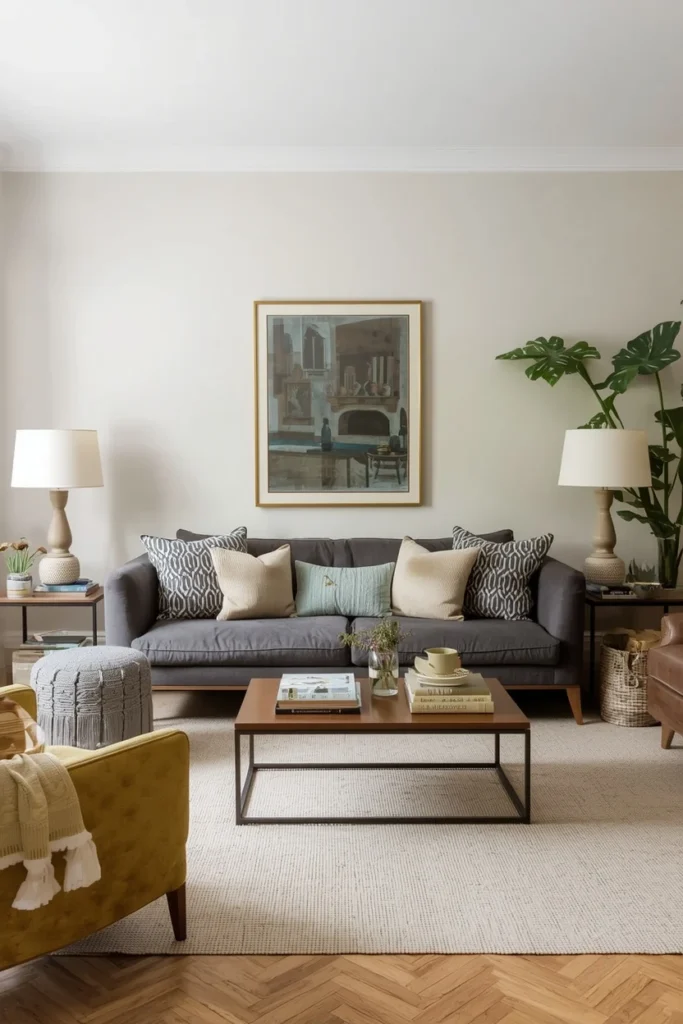
Table of Contents
- 1. Anchor the Arrangement to One Focal Point
- 2. Group the Seating into a Real Conversation Circle
- 3. Balance a Big Sofa with the Right Companions
- 4. Arrange for Scale and Proportion
- 5. Keep the Seating Close Enough to Feel Intimate
- 6. Make the Coffee Table the Heart of the Arrangement
- 7. Ground the Whole Arrangement on a Rug
- 8. Mix Seating Types for a Collected, Relaxed Look
- 9. Balance the Visual Weight Across the Room
- 10. Arrange Confidently Around Corners and Angles
- 11. Style the Surfaces with Considered Vignettes
- 12. Step Back, Edit, and Finish the Arrangement
- If I Only Changed Three Things
- Frequently Asked Questions
- How do I arrange living room furniture in a small space?
- What is the correct way to arrange a sofa and chairs?
- How do I make my living room feel cosy and inviting?
- Should all my living room furniture match?
- Final Thoughts
There’s a difference between a room that’s furnished and a room that’s arranged. Furnished just means the pieces are in there; arranged means they relate to each other — balanced, grouped, and composed so the whole thing feels considered. The living room arrangement ideas here are about that second step: how the sofa, chairs, table, and rug talk to one another, how you balance weight across the room, and how you style the surfaces so it all reads as intentional. It’s the part that turns a collection of furniture into a room you actually want to sink into.
I’ve kept these tips focused on composition rather than floor plans, so they apply whether your pieces are brand new or the same ones you’ve had for years. Move things as you read — arrangement is one of the few design levers that’s completely free. A handful of these living room arrangement ideas, tried in an afternoon, can make a tired room feel freshly designed.
1. Anchor the Arrangement to One Focal Point
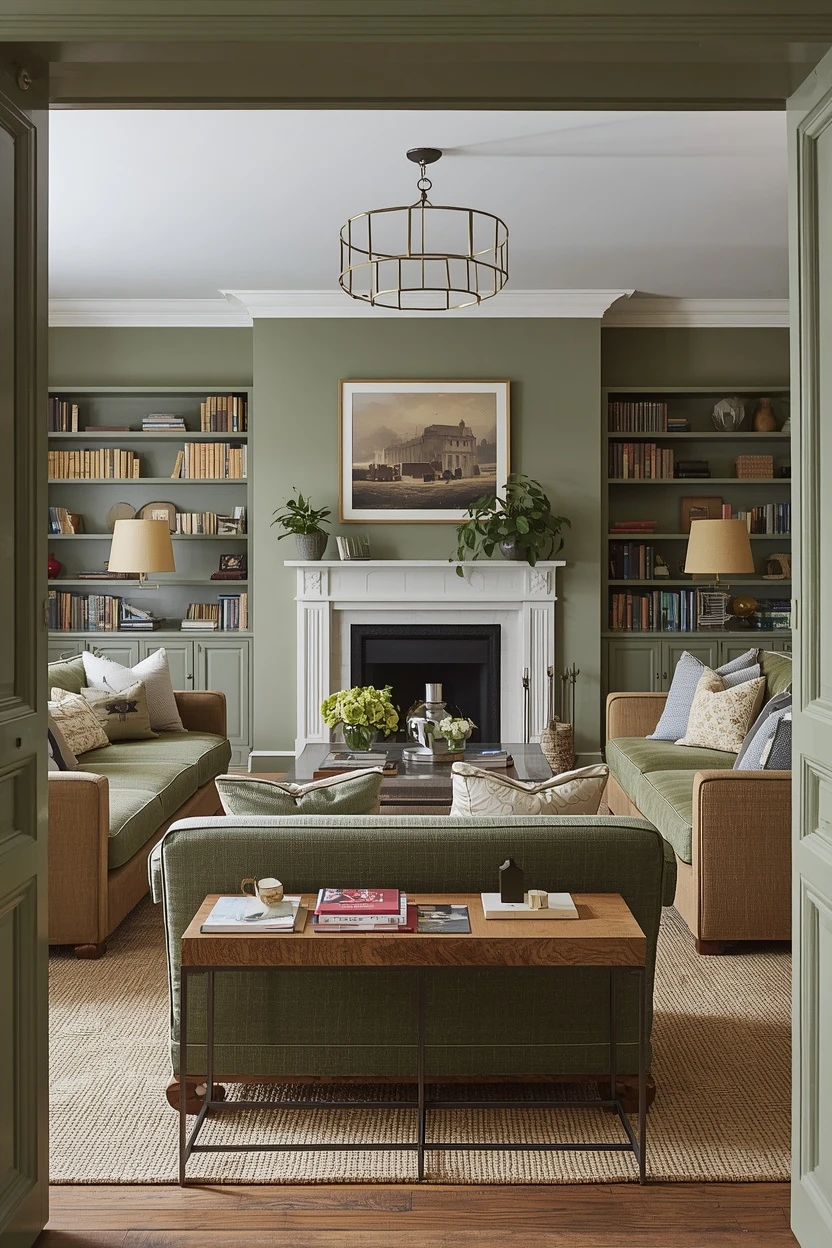
Every good arrangement has something it gathers around. Pick the room’s natural hero — the fireplace, a lovely window, or the media wall — and orient your main seating toward it so the composition has a clear centre of gravity. Everything else then falls into supporting roles rather than competing. Anchoring to a single focal point is what gives a living room arrangement its sense of purpose instead of feeling like furniture set adrift.
2. Group the Seating into a Real Conversation Circle
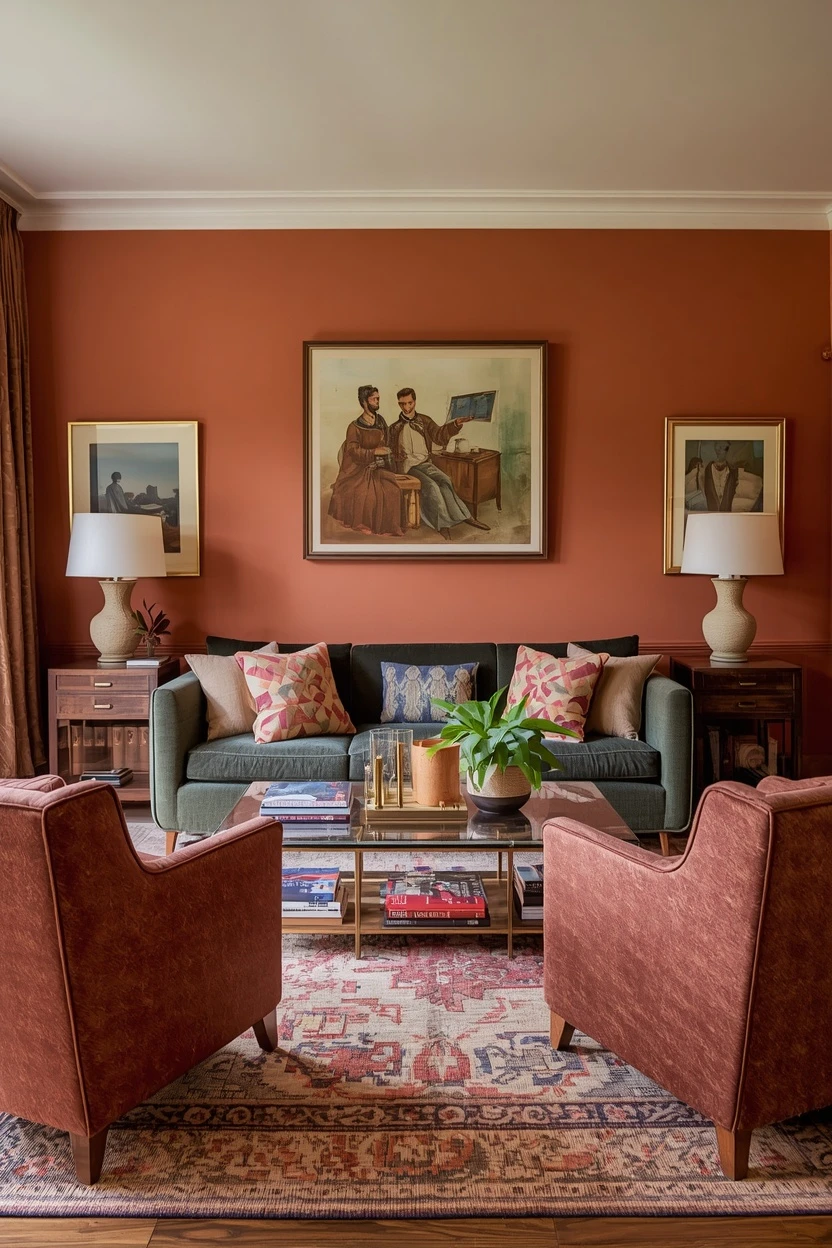
The heart of any arrangement is a seating group where people can actually talk. Pull the sofa and chairs into a loose U or a rough circle so no one has to crane or shout across the room. Angle a pair of chairs toward the sofa rather than lining everything up in a straight row facing the TV. A proper conversation grouping is the most sociable of all living room arrangement ideas, and it’s what makes guests linger.
3. Balance a Big Sofa with the Right Companions
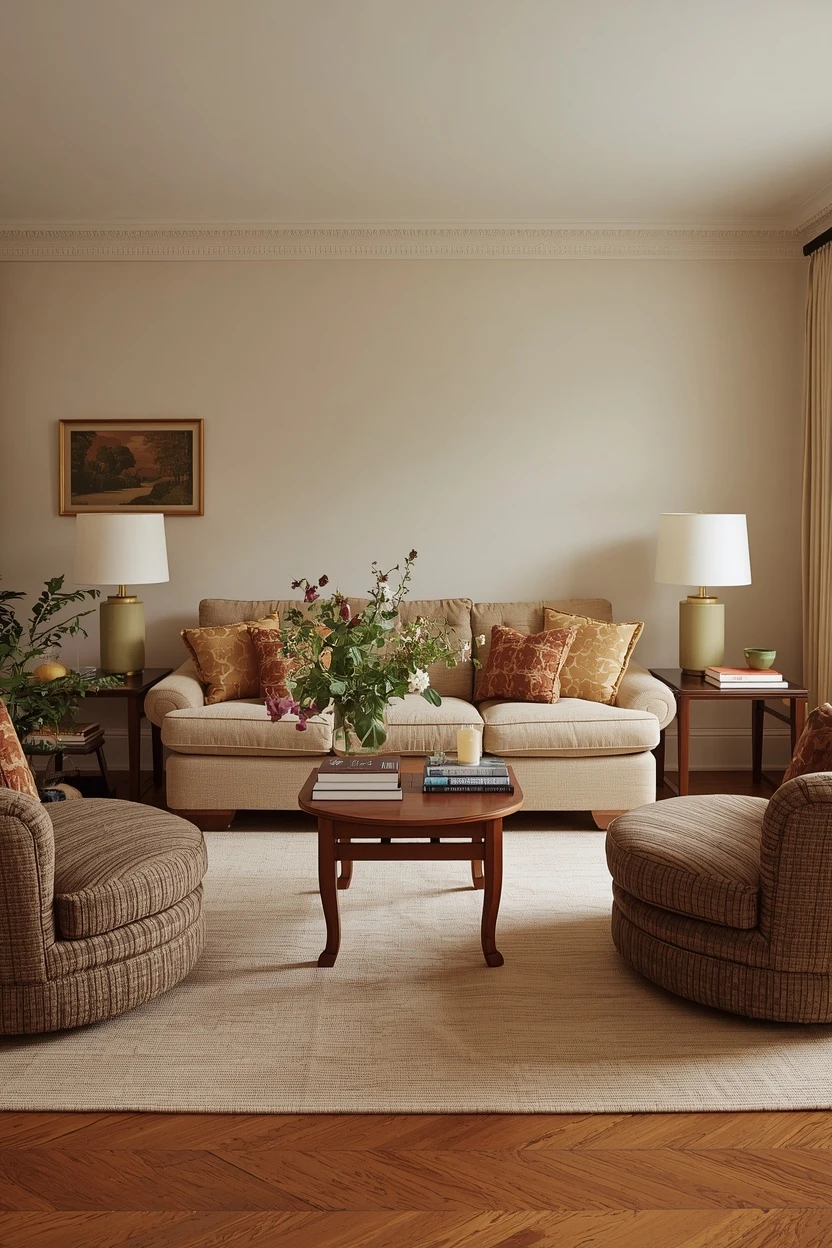
A large sofa needs company of similar visual heft or it sits there looking lonely and top-heavy. Pair it with two substantial armchairs, a loveseat, or an ottoman with real presence rather than a couple of spindly little stools. Keep the pieces in the same rough weight class so the arrangement feels balanced side to side. Matching the mass of your seating is a quiet trick that stops one item dominating the whole room.
4. Arrange for Scale and Proportion
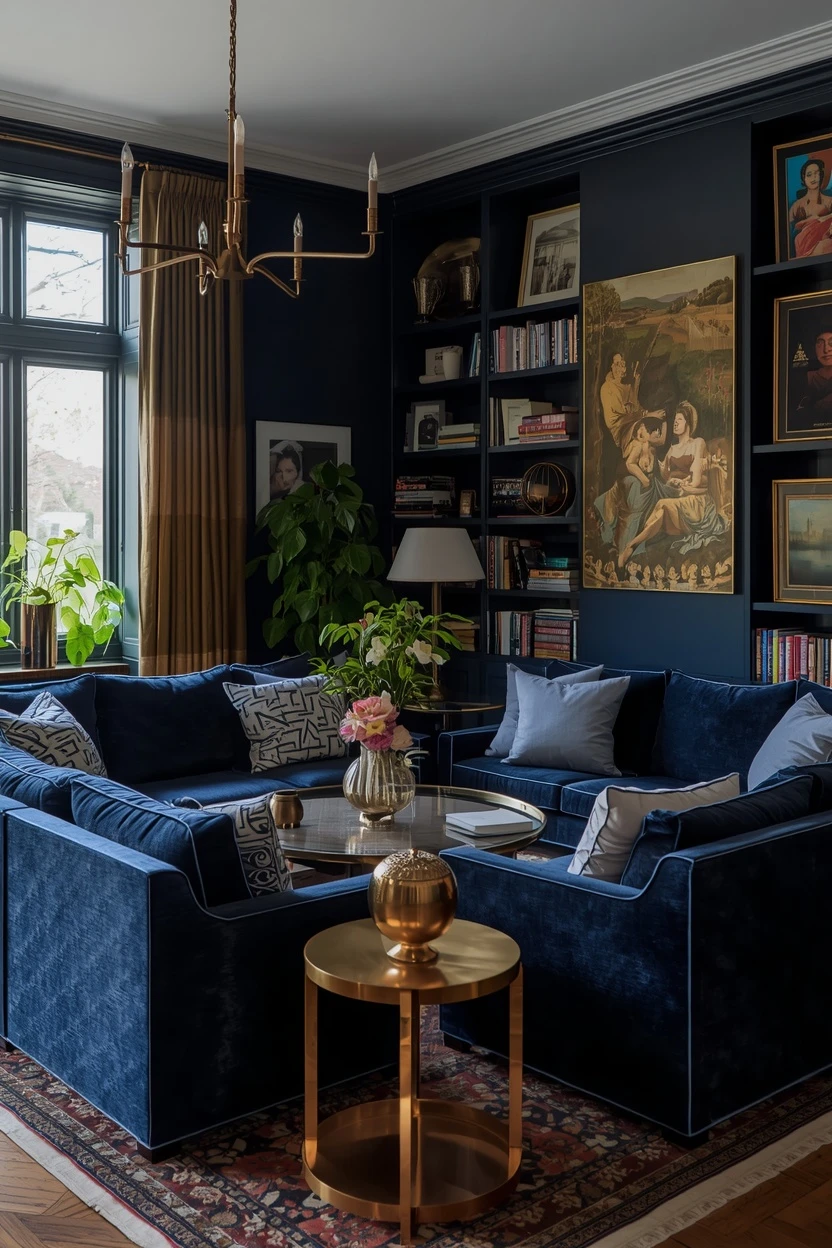
Scale is where arrangements quietly succeed or fail. In a big room, spread generously and use larger pieces so nothing looks marooned; in a small one, choose trimmer furniture and let it sit closer together. A coffee table should run roughly two-thirds the length of the sofa, and side tables should land near the arm height of the seat beside them. Getting proportion right is the unshowy backbone of every arrangement that simply feels correct.
5. Keep the Seating Close Enough to Feel Intimate
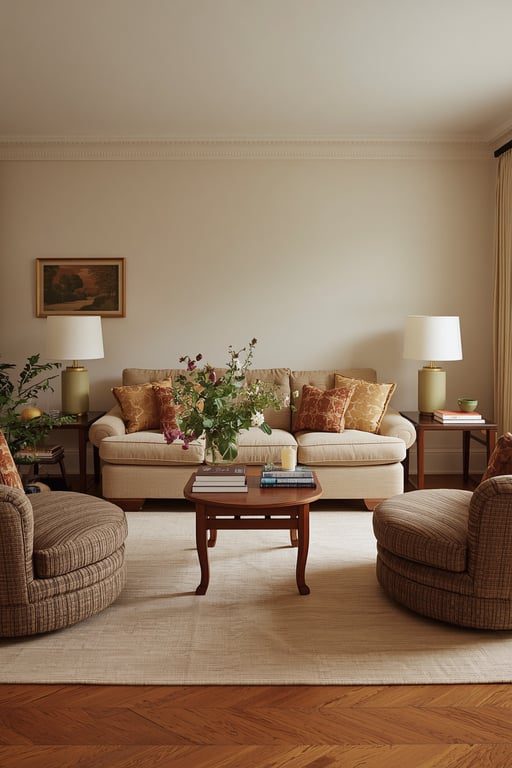
The commonest arrangement mistake is spacing everything too far apart, which makes a room feel cold and cavernous. Keep facing seats roughly 1.8–2.4m apart and no seat more than about a metre from a surface to put a drink on. Draw the group inward, even if that means floating pieces away from the walls. Intimacy in the spacing is what makes a large living room arrangement still feel warm and human.
6. Make the Coffee Table the Heart of the Arrangement
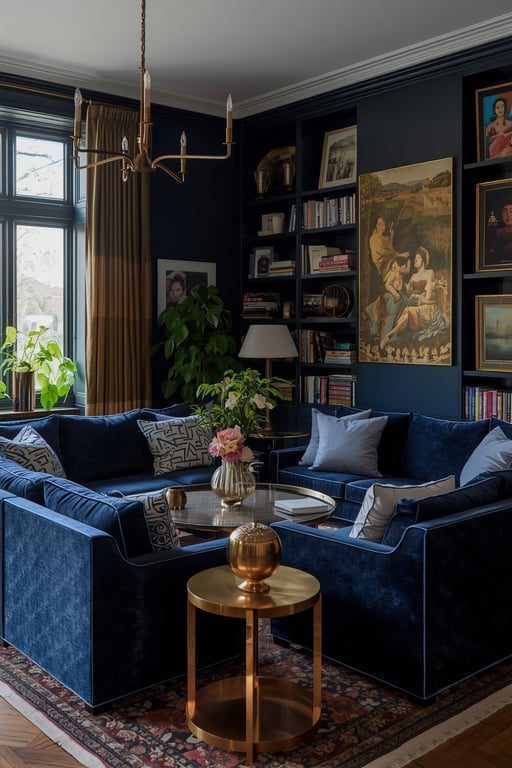
The coffee table is the anchor everyone reaches for, so let it earn its central spot. Centre it within the seating group with about 40cm of legroom on the main sides, and choose a shape that echoes the grouping — a round table softens a tight circle, a long rectangle suits a pair of facing sofas. A well-placed coffee table locks the whole arrangement together and gives the eye a resting point.
7. Ground the Whole Arrangement on a Rug
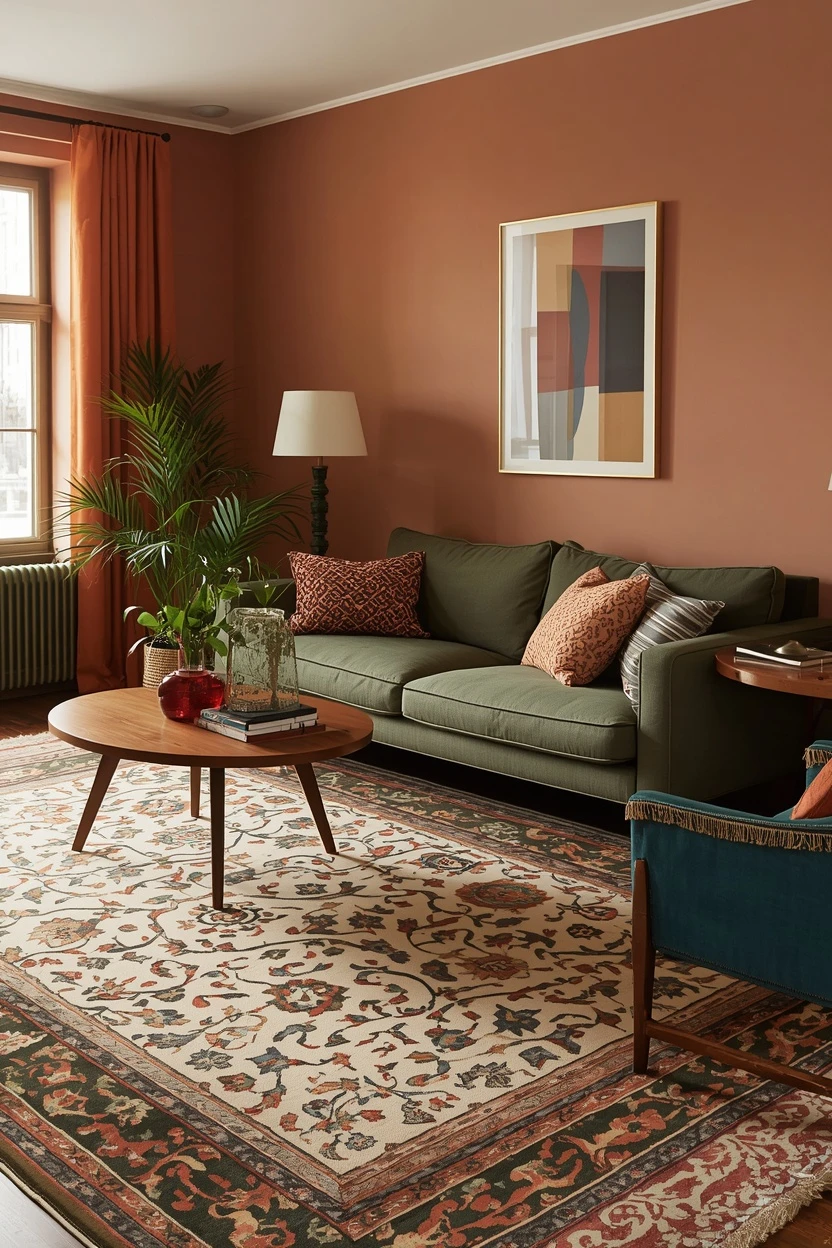
A rug is the invisible tray the entire arrangement sits on, so size it generously. Aim for the front legs of every seat to rest on it at minimum, with the rug extending a little beyond the seating footprint. Too small and the furniture looks like it’s floating on an island; correctly sized and everything feels gathered and grounded. The rug is one of the most transformative living room arrangement ideas precisely because it defines the group as a single, intentional zone.
8. Mix Seating Types for a Collected, Relaxed Look
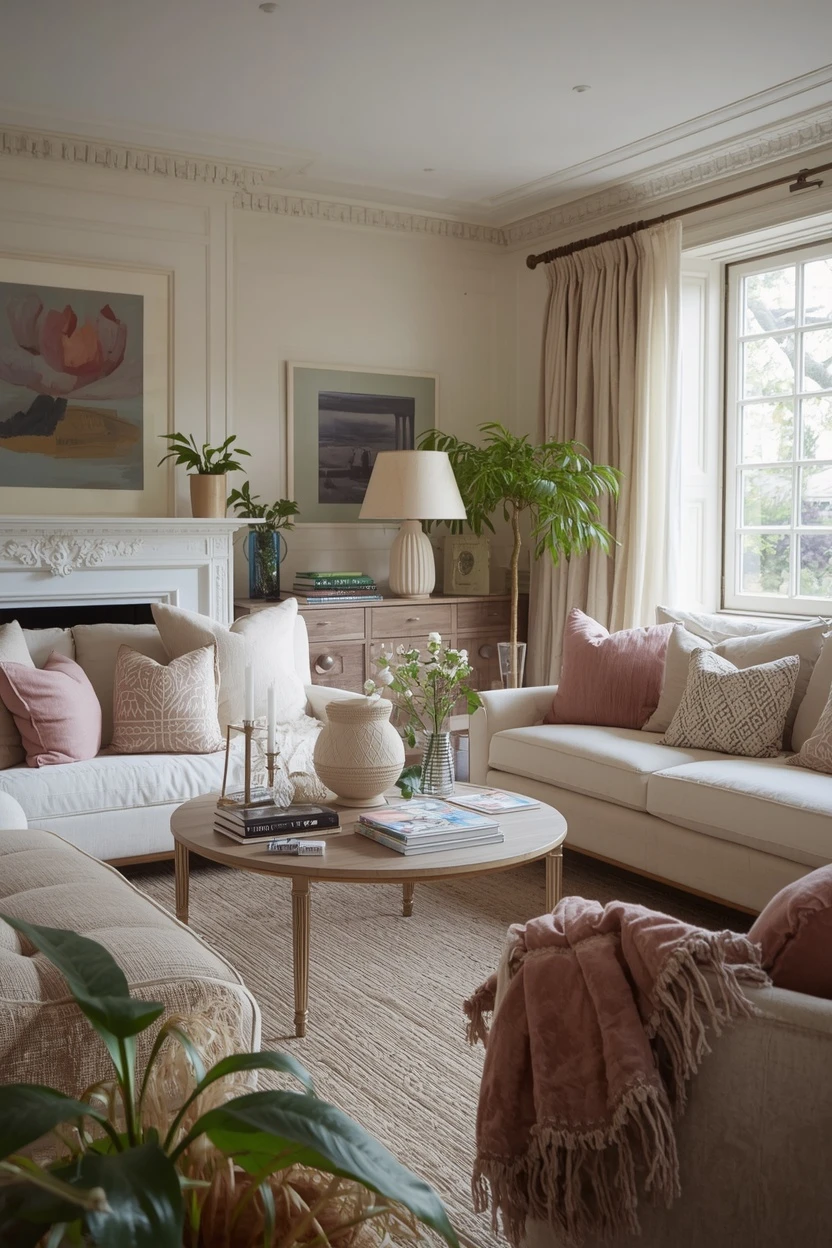
A room where every seat matches can feel like a showroom, so mix it up a little. Combine a sofa with a couple of different armchairs, a bench, or a pouffe, tied together by a shared palette or material rather than by being identical. The variety adds character and flexes for however many people turn up. Mixing seating is the arrangement move that makes a room feel gathered over time and genuinely lived-in.
9. Balance the Visual Weight Across the Room
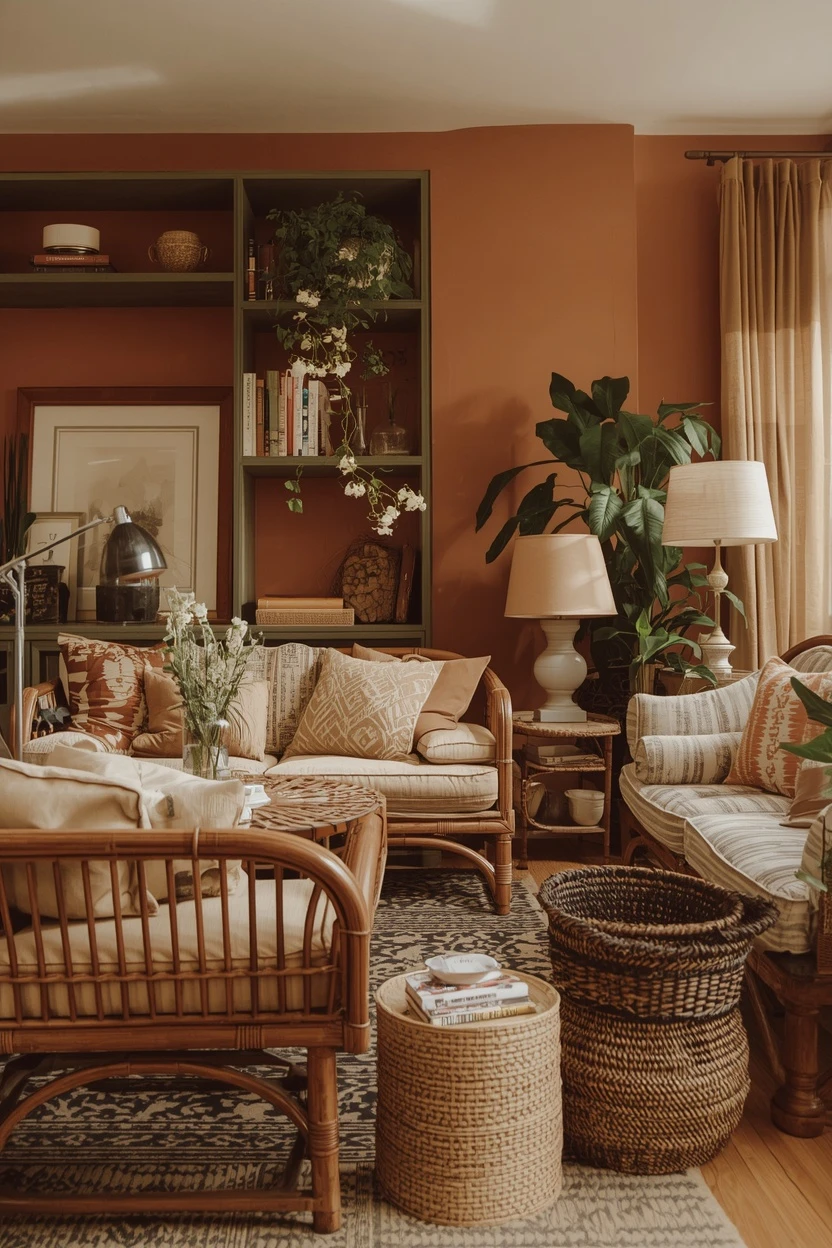
Stand in the doorway and check the room isn’t lopsided — all the heavy pieces bunched on one side leave the other feeling empty. Counter a bulky sofa on one wall with a tall bookcase, a large plant, or a pair of chairs opposite to even out the mass. Balance doesn’t mean symmetry; it means distributing weight so the eye settles. A room arranged with even visual weight feels restful the moment you walk in.
10. Arrange Confidently Around Corners and Angles
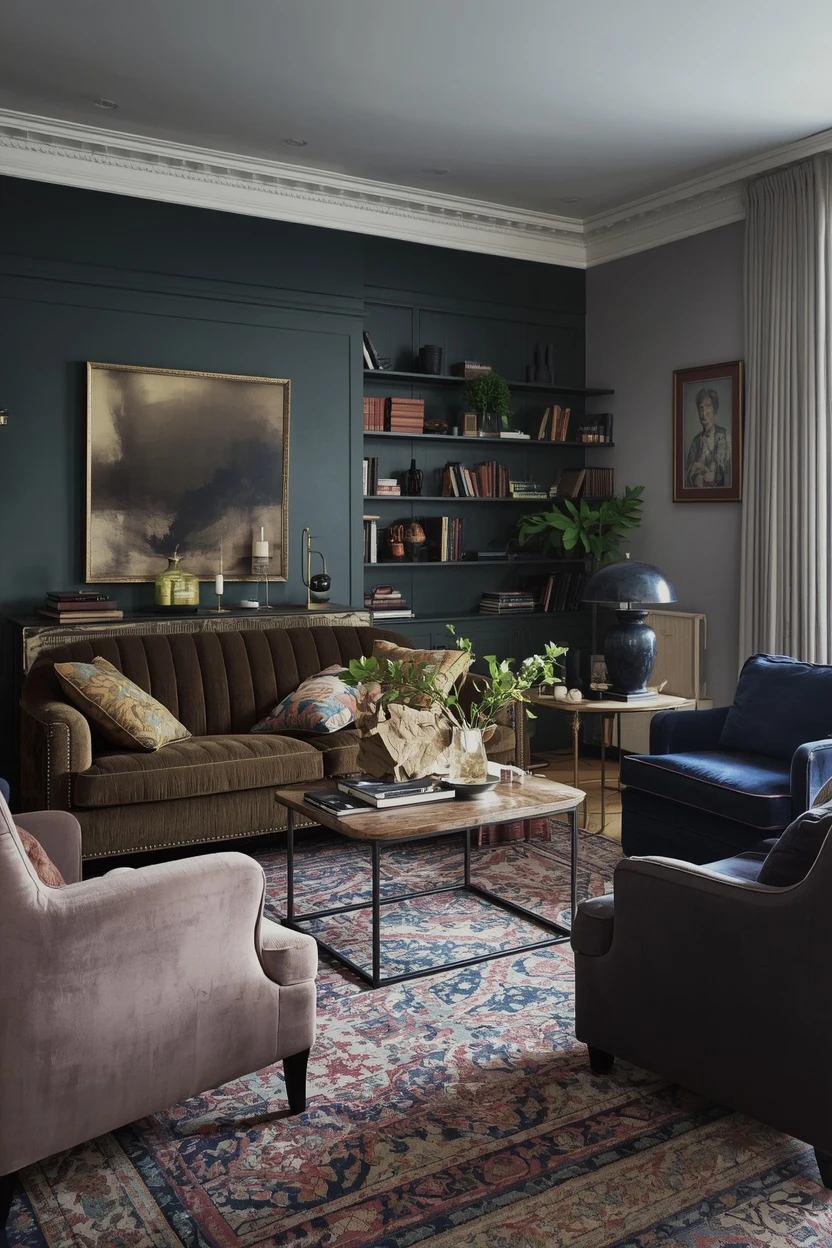
Corners are wasted in most rooms, yet they’re perfect for rounding out an arrangement. Tuck an armchair and a small table into one to close a conversation group, fill an empty angle with a leafy plant or a floor lamp, or float a sofa across a corner to soften a boxy room. Using the corners well is what stops an arrangement feeling like it’s clinging to the walls. It’s among the easiest living room arrangement ideas to try tonight.
11. Style the Surfaces with Considered Vignettes
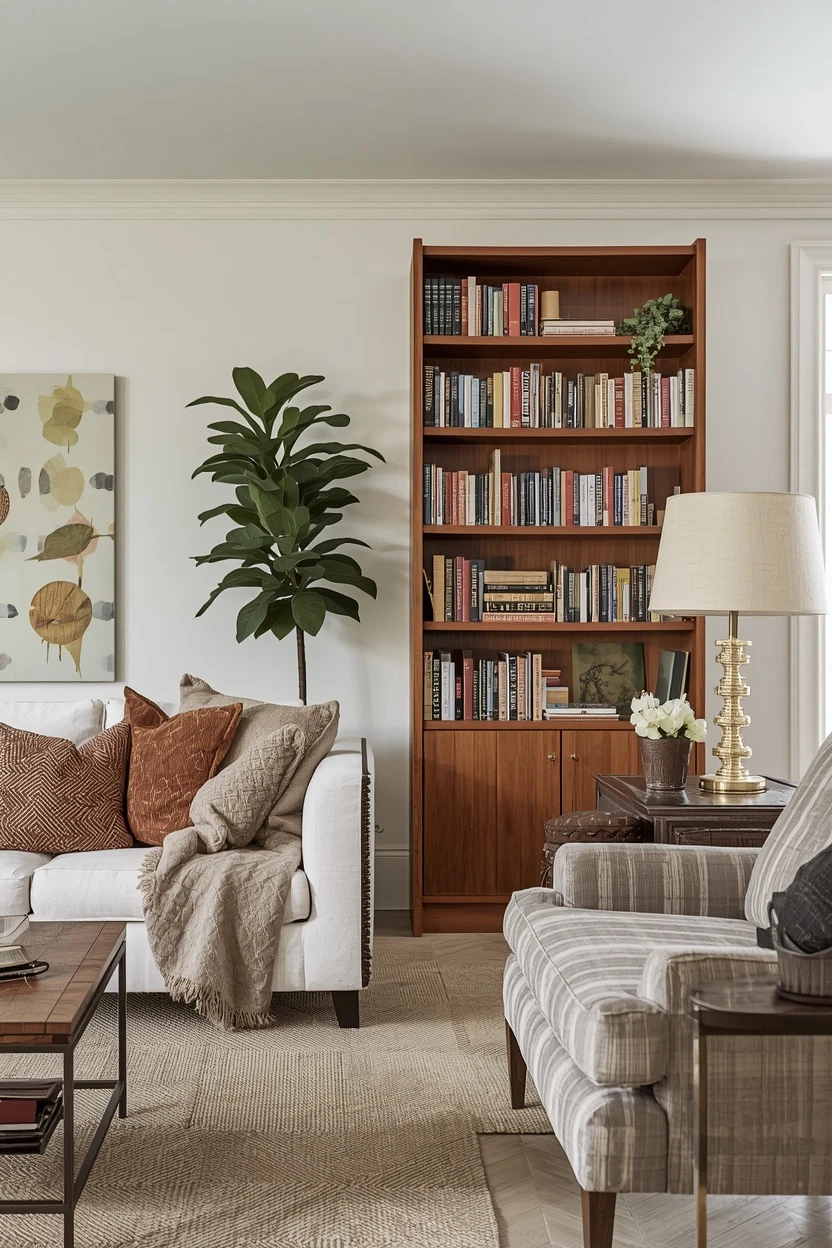
Arrangement doesn’t stop at the furniture — the surfaces finish the story. Style the coffee table with a small tray, a stack of books, and something living, and treat the console or side tables as little vignettes in odd-numbered groupings of varied height. Leave breathing space rather than covering every inch. Thoughtfully styled surfaces are the layer that makes an arrangement look designed rather than merely tidy.
12. Step Back, Edit, and Finish the Arrangement
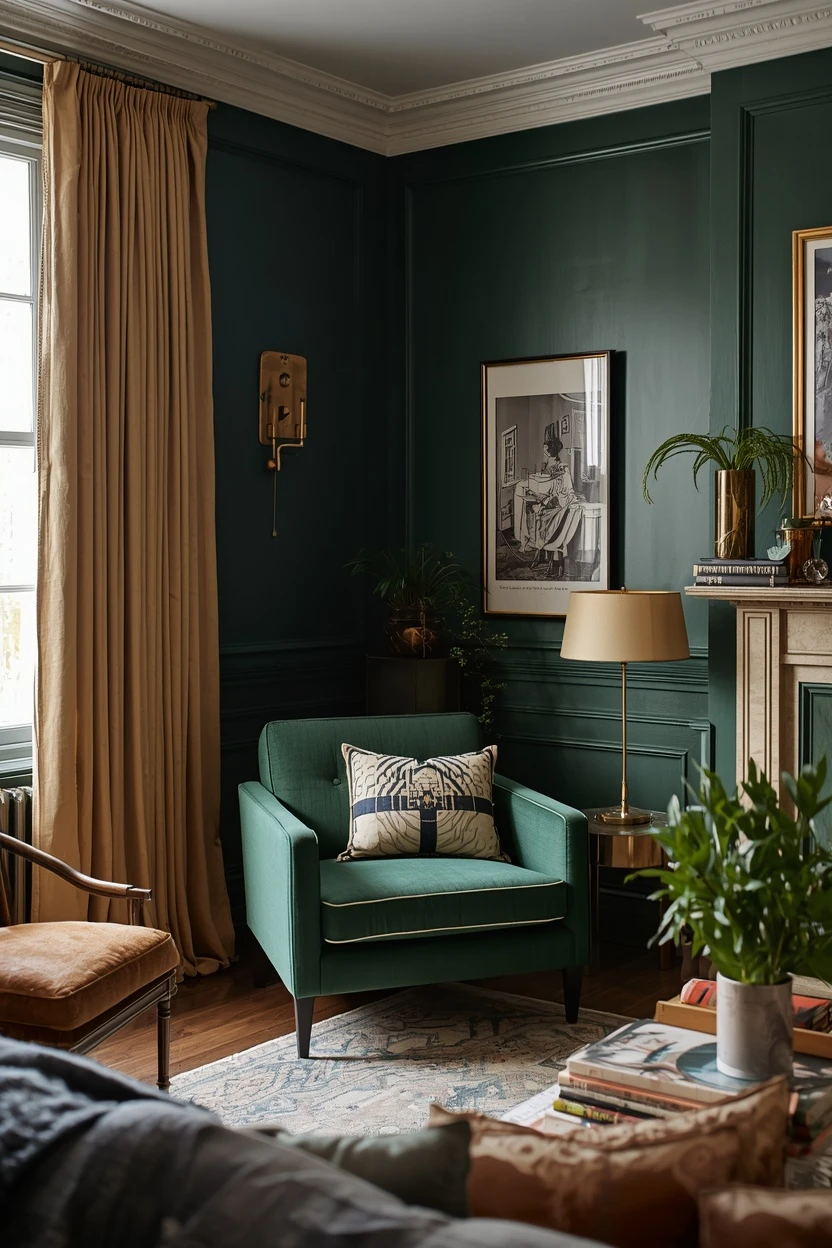
The final move is subtraction. Once everything’s in place, take a photo on your phone — the camera spots imbalance and clutter your eye has stopped noticing — and remove anything that isn’t earning its keep. A room that’s slightly under-filled almost always reads as more elegant than one that’s crammed. Editing at the end is what elevates all the living room arrangement ideas above from a good start to a finished, considered room.
If I Only Changed Three Things
When a client’s room feels “off” but they can’t say why, I reach for the same three fixes. First, I pull the seating off the walls and into a tighter group facing one focal point, which instantly warms up the whole space. Second, I swap in or reposition a rug large enough to sit under the furniture, because that single move makes the arrangement read as one deliberate zone. Third, I balance the visual weight — adding height or mass to whichever side feels empty — so the room stops looking lopsided. Group, ground, and balance: those three almost always fix that vague sense that something’s not quite right.
Frequently Asked Questions
How do I arrange living room furniture in a small space?
In a small room, the winning living room arrangement ideas are about closeness and restraint, not squeezing in more. Pull a modest sofa and one or two slim chairs into a tight group facing your focal point, and keep them near enough that a single small coffee table or a pair of nesting tables serves everyone. Choose leggy, open-framed pieces so the floor stays visible and the room breathes, and float the arrangement a few centimetres off the walls rather than jamming everything flat against them. A right-sized rug under the front legs draws the group together and makes it feel intentional. Resist the urge to fill every corner — one well-chosen plant or floor lamp is plenty. Arranged with a light touch, even a tiny living room can feel sociable and considered rather than cramped.
What is the correct way to arrange a sofa and chairs?
Aim for conversation, not a row of seats all pointing at the television. Set the sofa as the anchor, then bring in chairs at gentle angles toward it so people can see and hear each other easily, forming a loose U or circle around a central coffee table. Keep facing pieces roughly two to two and a half metres apart, and make sure every seat has a surface within arm’s reach for a drink. Balance the weight of the sofa with chairs of similar substance rather than flimsy ones, and leave clear paths so nobody has to clamber past. If the room also needs to face a TV, angle the chairs so they work for both chatting and viewing. That balance of sociability and comfort is the essence of a good arrangement.
How do I make my living room feel cosy and inviting?
Cosiness comes largely from how you arrange and layer, not from square footage. Draw the seating into a close, inward-facing group so the room feels gathered rather than spread thin, and anchor it on a generous rug that ties everything together underfoot. Mix your seating for a collected feel, add soft layers — cushions, a throw, a pouffe — and keep at least one comfortable chair angled invitingly toward the sofa. Warm, low lighting from lamps rather than a single overhead fixture does an enormous amount, as does styling the surfaces with a few personal, tactile objects. Balance the visual weight so the space feels settled, then edit back the clutter. Arranged this way, even a large or awkward room takes on that warm, welcoming quality that makes people want to stay.
Should all my living room furniture match?
No — and a perfectly matched suite often looks flatter and less personal than a considered mix. The trick is cohesion without uniformity: let your pieces differ in shape and even style, but tie them together with a shared thread, whether that’s a repeated colour, a common wood tone, or a consistent metal finish. Pair a sofa with armchairs in a complementary rather than identical fabric, and echo materials around the room so the eye reads it as one collected whole. Matching only the things that benefit from it — a pair of lamps flanking the sofa, say — creates rhythm without monotony. A room arranged from a curated mix feels gathered over time and far more characterful than a showroom set bought all at once.
Final Thoughts
Arranging a living room well is really an exercise in relationships — how each piece sits in conversation with the others. The living room arrangement ideas in this guide all serve that end: anchor everything to one focal point, gather the seating into a genuine conversation group, get the scale and spacing right, ground it all on a properly sized rug, and balance the visual weight so nothing tips the room off-centre. Then layer in a relaxed mix of seating, style the surfaces with restraint, and edit hard at the finish. None of it costs a penny if you already own the furniture — it’s simply a matter of composition. Move things around with these principles in mind and you’ll land on an arrangement that feels balanced, sociable, and genuinely inviting.

zarcoyt2025
Khawar Iqbal is the founder and editor of Cozy Homes Hub. He writes about cozy, livable home decor — from small-apartment layouts to room-by-room styling guides — with a focus on warm palettes, layered lighting, and budget-friendly ideas that actually work in real homes.
Related Articles
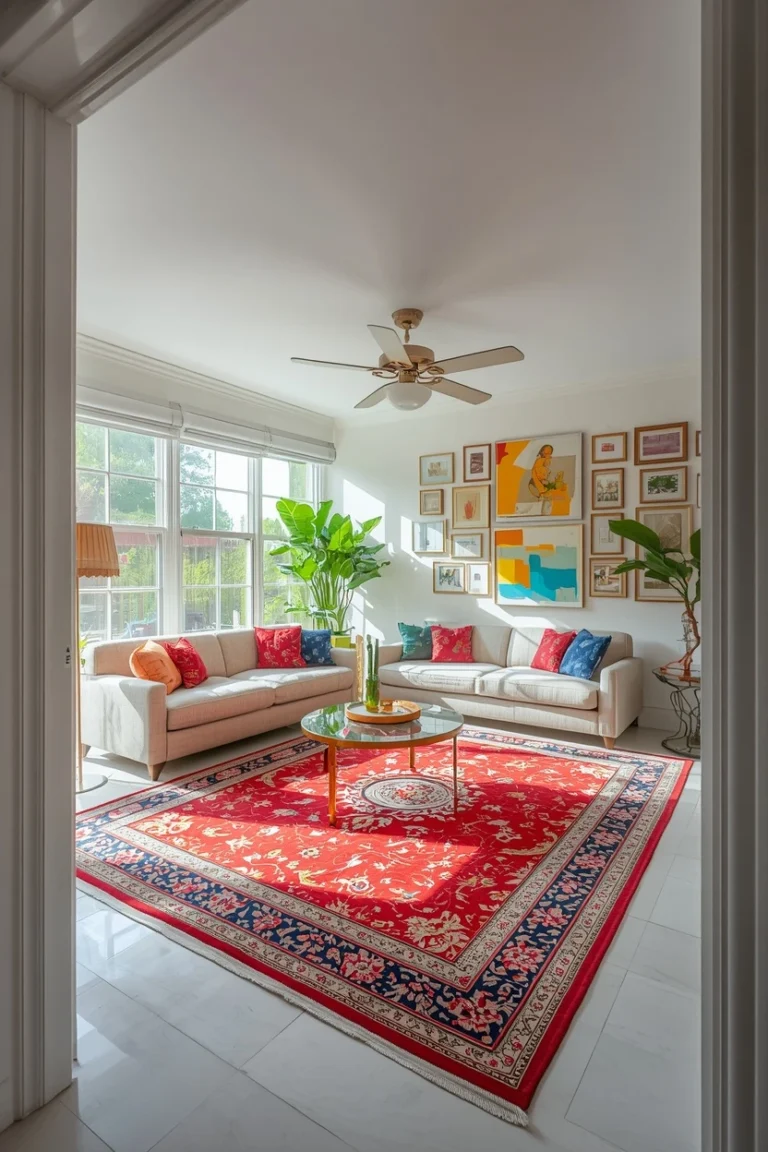
16 Living Room Decor Ideas That Instantly Elevate Any Space
A living room rarely needs new furniture to feel considerably more elevated — it usually needs a handful of layout and styling…
Read more →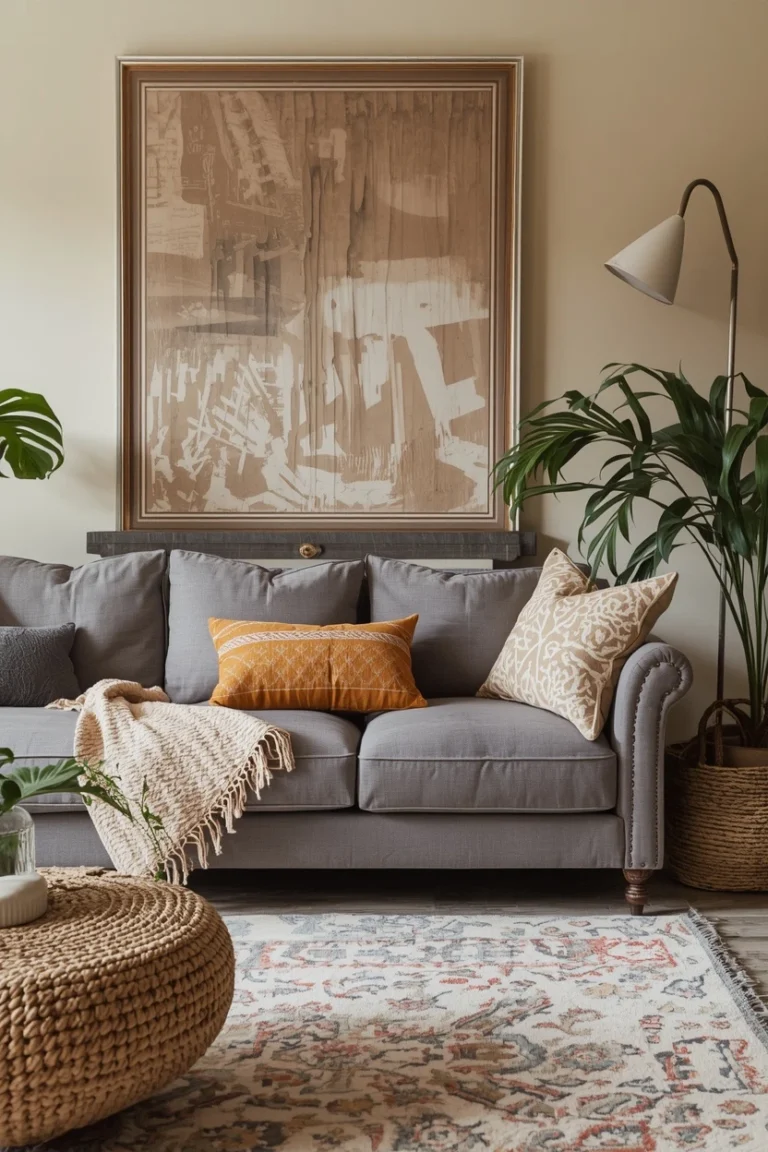
14 Grey Settee Living Room Ideas to Warm Up a Neutral Sofa
A grey settee is the most versatile thing you can put in a living room — and, if you're not careful, the…
Read more →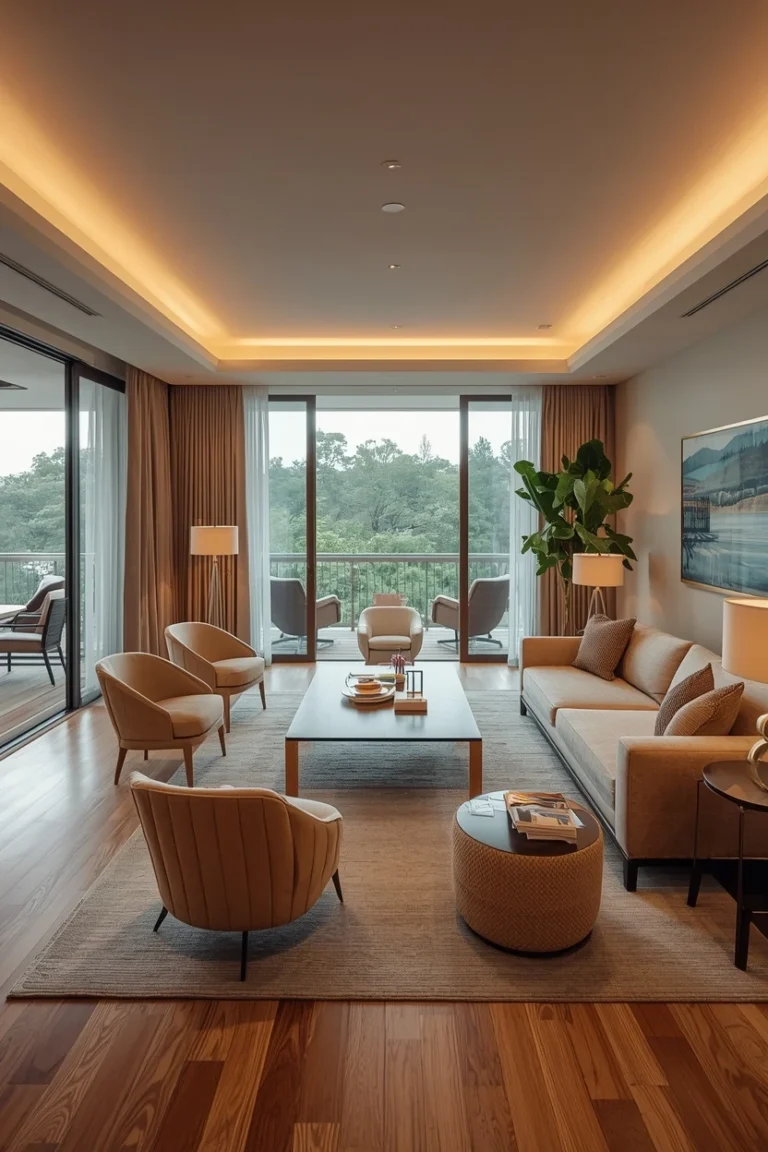
16 Living Room Layout Ideas to Make Any Space Work Harder
Before a single cushion or paint colour comes into it, a room lives or dies by its plan. The best living room…
Read more →