18 Living Room Window Covering Ideas, From Drapes to Shutters
 By zarcoyt2025
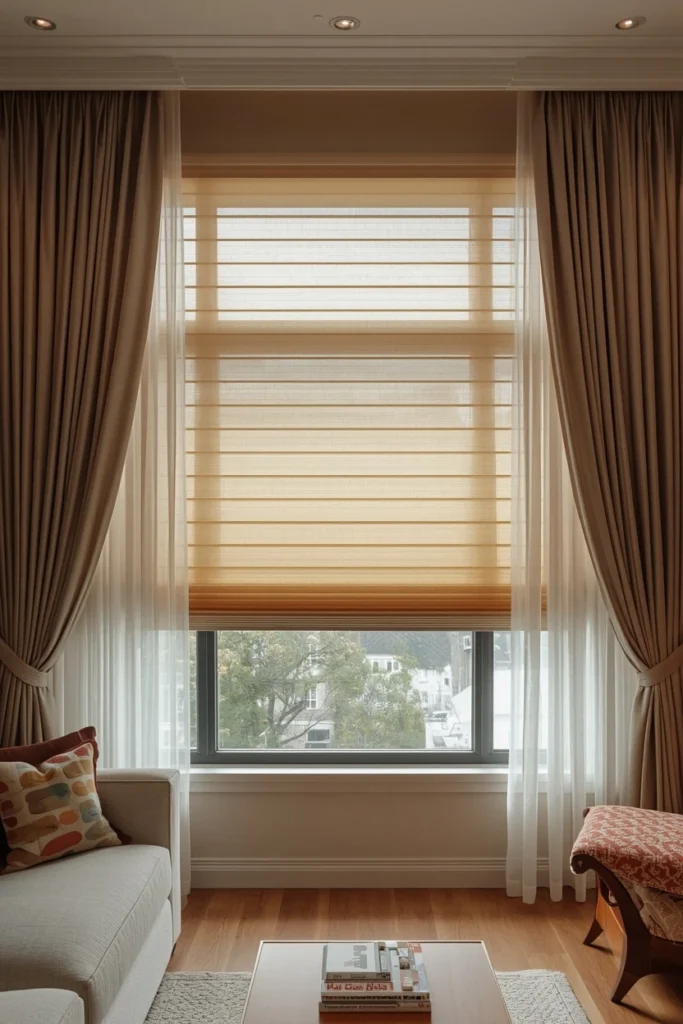
Table of Contents
- 1. Start by Matching the Covering to the Job
- 2. Full-Length Drapes for Softness and Warmth
- 3. Roman Shades for Tailored Structure
- 4. Roller Blinds for Minimal, Honest Function
- 5. Plantation Shutters for Architecture and Control
- 6. Woven Wood and Bamboo Shades for Texture
- 7. Layer Drapes Over Blinds — the Best of Both
- 8. Double Up Sheer and Solid for Day-to-Night Control
- 9. Cellular Honeycomb Shades for Insulation
- 10. Wood and Venetian Blinds for Adjustable Light
- 11. Vertical Blinds and Panel Glides for Wide Spans
- 12. Café Shutters and Tier-on-Tier for Privacy With Light
- 13. Go Motorised for Big or Awkward Windows
- 14. Keep Colour and Material Cohesive Across Windows
- 15. Leave a Great View (Nearly) Bare
- 16. Nail the Mount: Inside or Outside the Reveal
- 17. Treat a Bay Window as a Single Scheme
- 18. Layer It All Into One Complete Window Scheme
- Where to Focus First: My Priority Order
- Frequently Asked Questions
- What is the best window covering for a living room?
- How do I choose between blinds, shutters, and curtains?
- How can I cover a large living room window?
- Do window coverings really help with insulation and energy bills?
- Final Thoughts
Dressing a window is really a series of small trade-offs — light against privacy, warmth against view, budget against permanence — and the best answer is often two treatments working as a pair rather than one doing everything. That is the lens this guide takes. Rather than crown a single winner, these living room window covering ideas start from what each window is being asked to do, then match it to the right tool: soft drapes for warmth and drama, tailored shades for structure, shutters for architecture and control, or woven naturals for texture. Think of it as the pillar view that sits above any one product. You’ll find classic living room drapes ideas here, but also blinds, roman and roller shades, shutters, bamboo, bay-window strategies, and the layered combinations that give a room real flexibility.
Each entry below stands on its own, with candid notes on where a covering shines, where it falls short, and what it quietly costs you in light or money. Some are soft, some are hard-edged, and several are built to be combined. Hold them up against your own window’s aspect, how overlooked you are, and how much insulation matters, and you’ll end up choosing on purpose instead of defaulting to whatever the showroom pushed.
1. Start by Matching the Covering to the Job
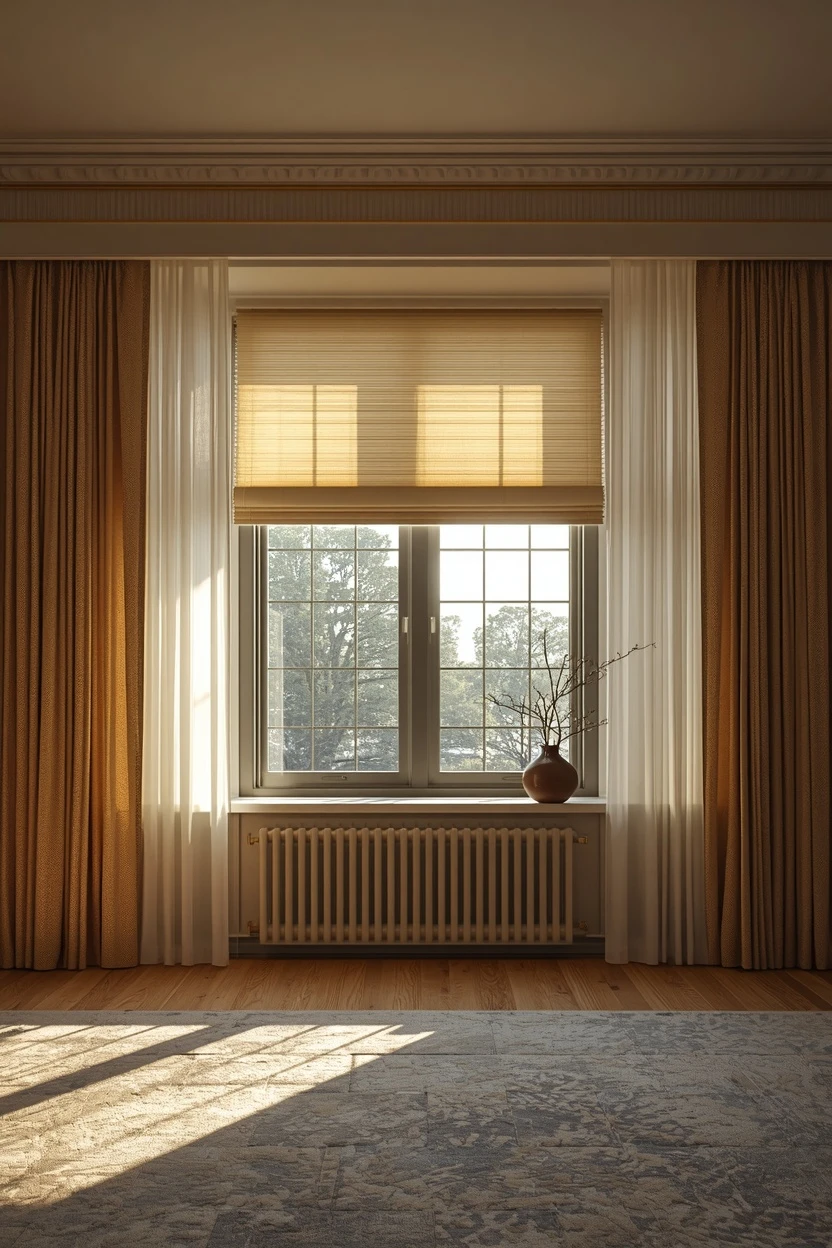
Before you look at a single swatch, get clear on what the window has to do: kill glare on a TV, screen an overlooked room, insulate a draughty bay, or simply frame a view worth keeping. Every covering has a natural strength — drapes for warmth and softness, roller blinds for pure function, shutters for adjustable privacy, shades for tailored light. Rank your priorities honestly, because more often than not the best answer turns out to be a pair rather than a single product. Starting from the job instead of the look is the habit that makes all of these living room window covering ideas actually land.
2. Full-Length Drapes for Softness and Warmth
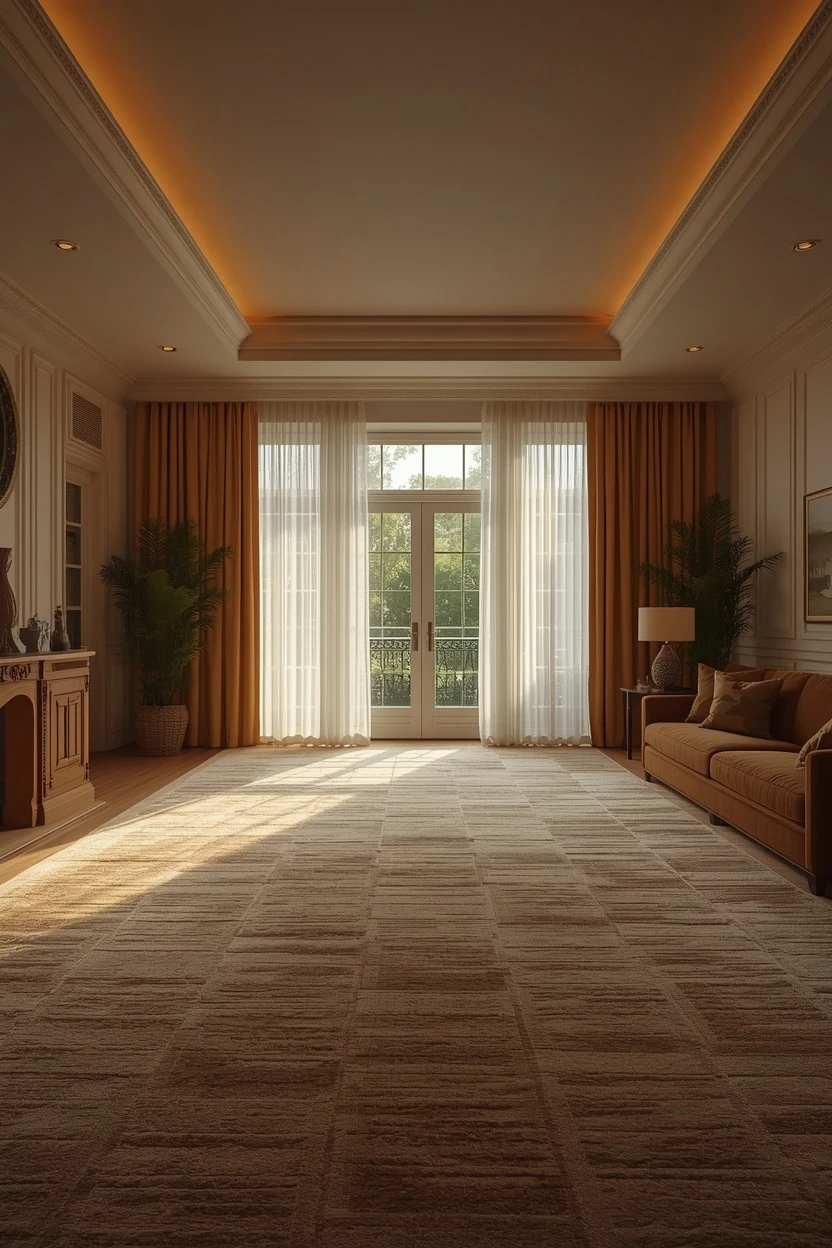
Floor-length drapes are still the most transformative soft option, adding height, colour, insulation, and a softness no hard treatment can imitate. Hung high and wide in a cloth that falls well, they frame the glass beautifully and shut out draughts and light after dark. The catch is that they eat wall space when stacked back and need a fair amount of fabric to look generous, so they suit rooms with a bit of breathing room either side of the window. Of all the living room drapes ideas, full-length panels flatter almost any space.
3. Roman Shades for Tailored Structure
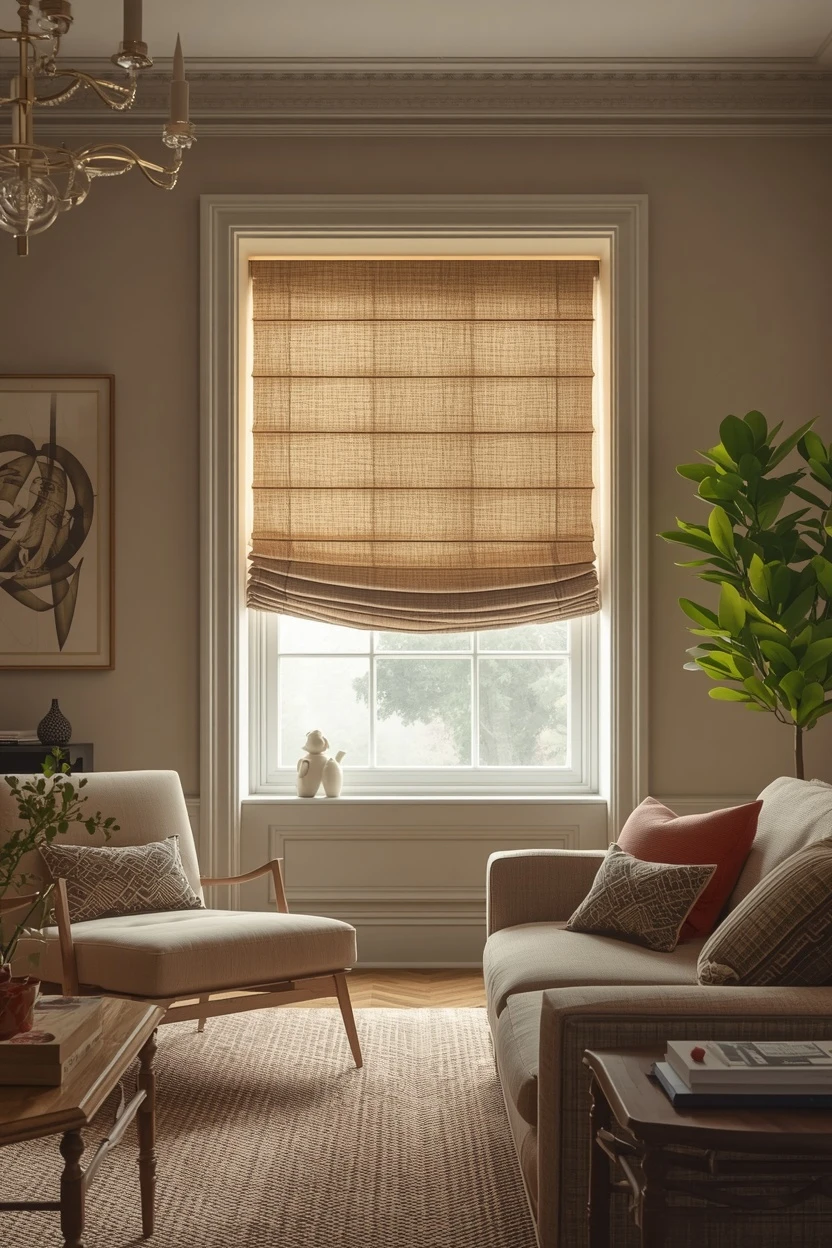
When you want the warmth of fabric but a neater, more architectural line, a roman shade answers nicely. It draws up into crisp horizontal folds, sits tidily inside or just above the window, and can be run up in the same cloth as your drapes for a coordinated look. Mount it inside the reveal for a built-in feel, or outside it to cover more glass and steal some height. Roman shades give you fabric softness with a tailored discipline that reads equally well in modern and classic rooms.
4. Roller Blinds for Minimal, Honest Function
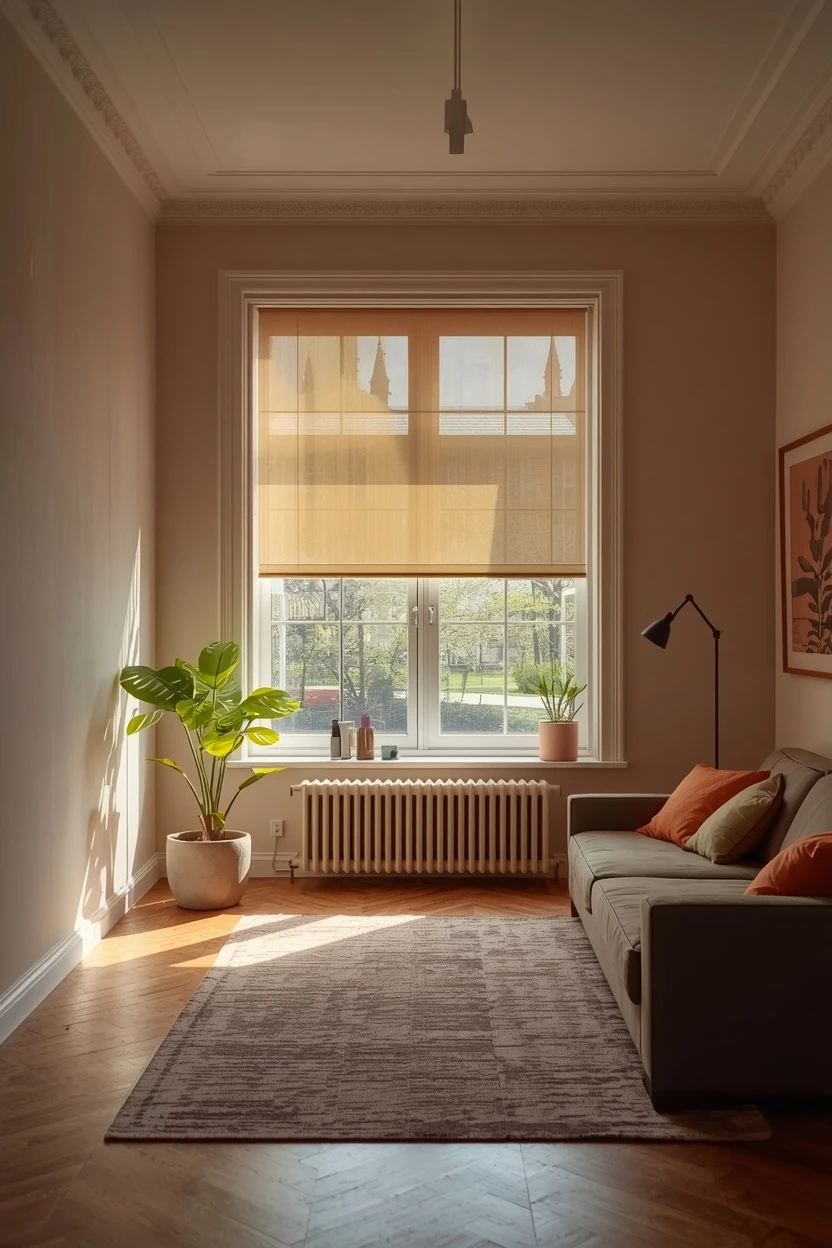
For sheer practicality on a tight budget, the roller blind is hard to beat. It rolls away almost invisibly, takes no space, wipes clean, and runs from bright translucent to full blackout. Alone it can feel a touch plain for a main living room, which is precisely why it earns its keep paired with drapes. As the functional layer — a blackout roller tucked behind decorative curtains, say — it’s one of the most cost-effective coverings you can specify.
5. Plantation Shutters for Architecture and Control
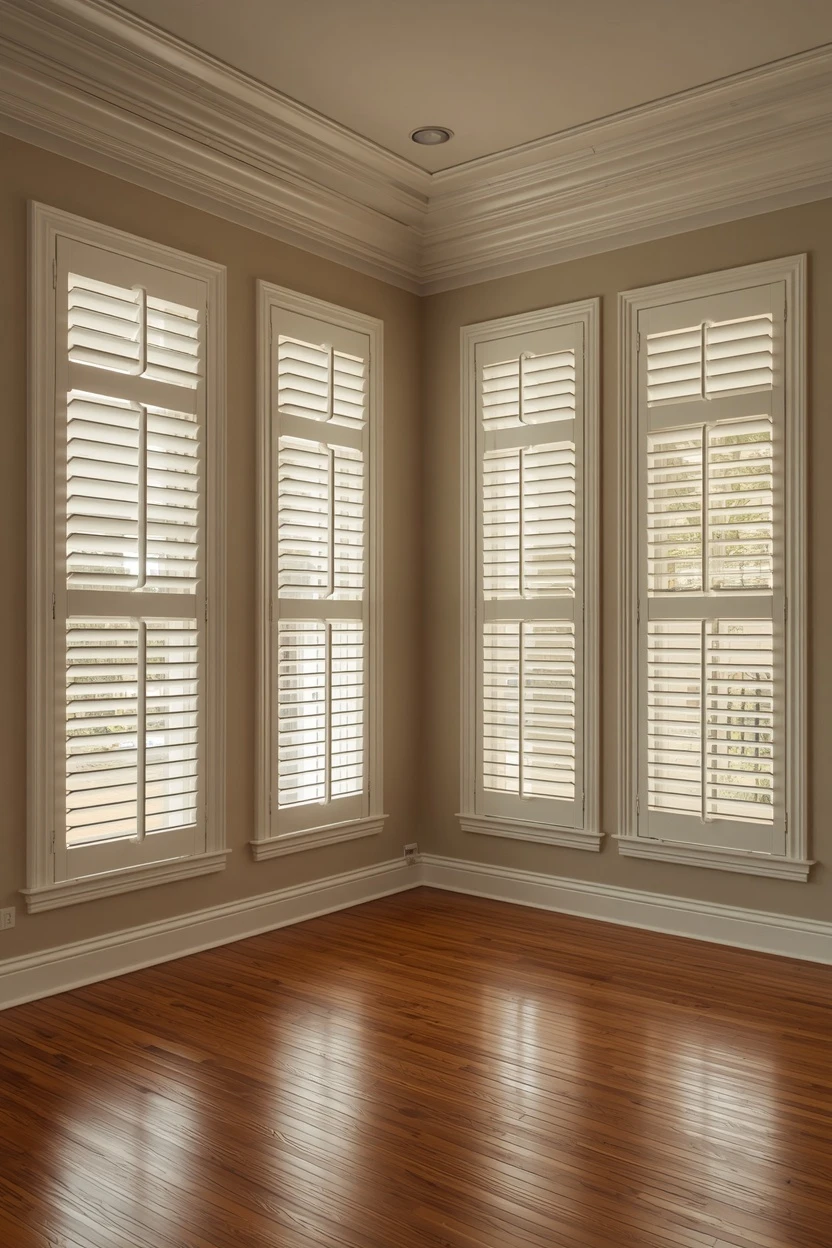
Shutters build architecture straight into the window. Their tilting louvres let you fine-tune light and privacy with precision — throw the top open for daylight while keeping the lower louvres closed to the street — and they insulate the glass and lift the feel (and often the value) of a home. They’re the priciest choice here and a fitted, fairly permanent one, but they never date and need no fabric at all. For an overlooked living room or a period property, plantation shutters are hard-wearing and full of character.
6. Woven Wood and Bamboo Shades for Texture
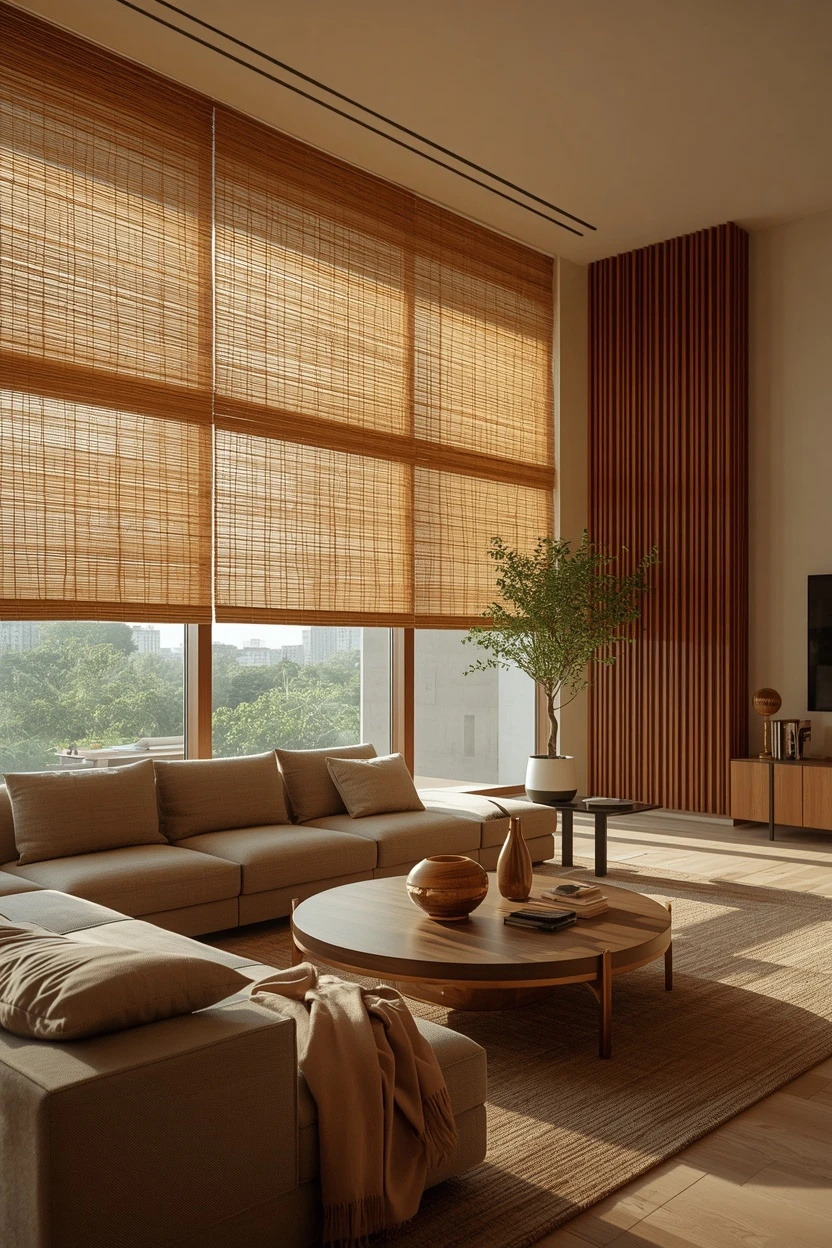
If a scheme feels flat, a natural woven shade brings it back to life. Made from bamboo, reed, or jute, these shades strain daylight into a soft golden glow and add a texture that lifts neutral and minimalist rooms alike. They do let a little light through even when lowered, so specify a blackout liner if you need true dark. Slung under simple linen drapes they look relaxed and quietly luxe — one of the most characterful ways to add warmth without leaning on pattern or colour.
7. Layer Drapes Over Blinds — the Best of Both
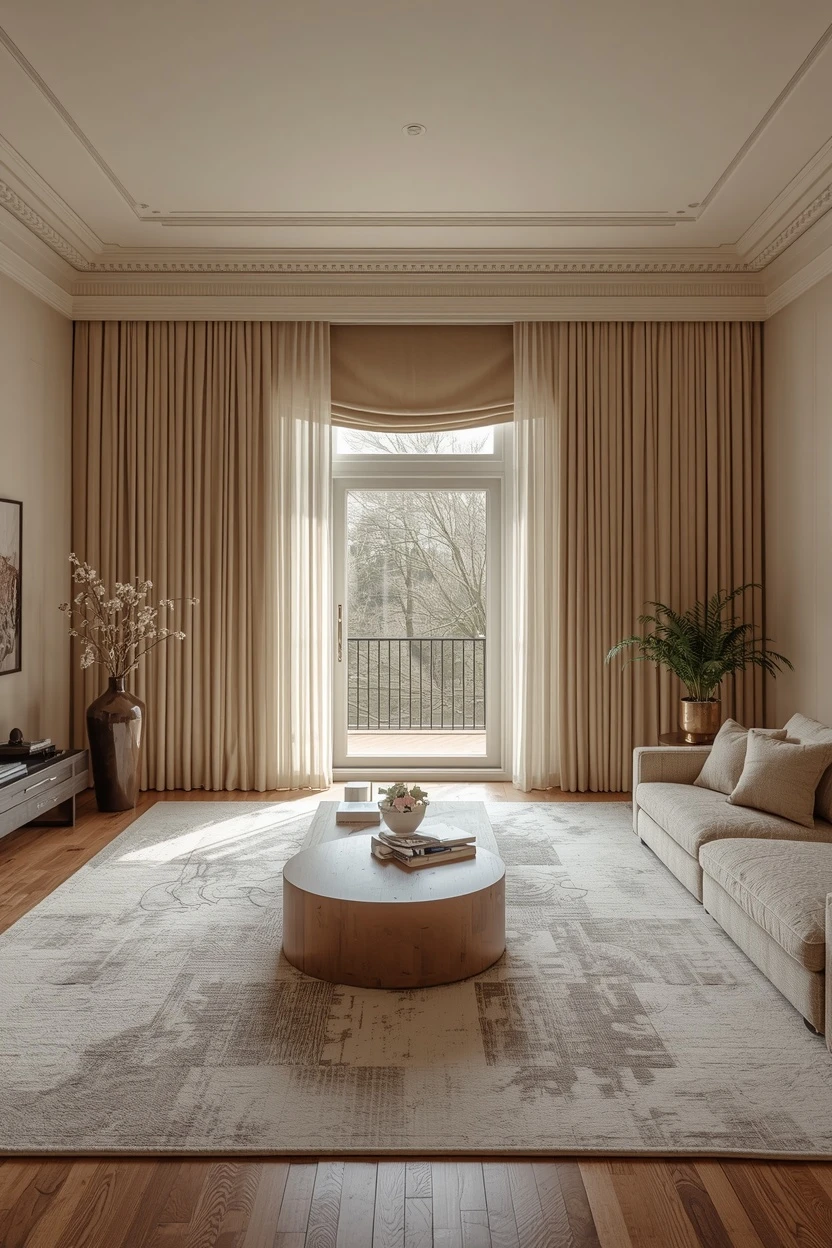
If you take one move from this list, make it this: pair a hard covering with a soft one. A roller or roman blind handles the daily grind of light, privacy, and blackout, while full-length drapes frame the window and bring softness, colour, and insulation. Together they give you control at every hour and a far richer finish than either manages solo. This drapes-over-blind pairing is the logic behind most designer window schemes, and it’s why the strongest living room drapes ideas rarely stand alone.
8. Double Up Sheer and Solid for Day-to-Night Control
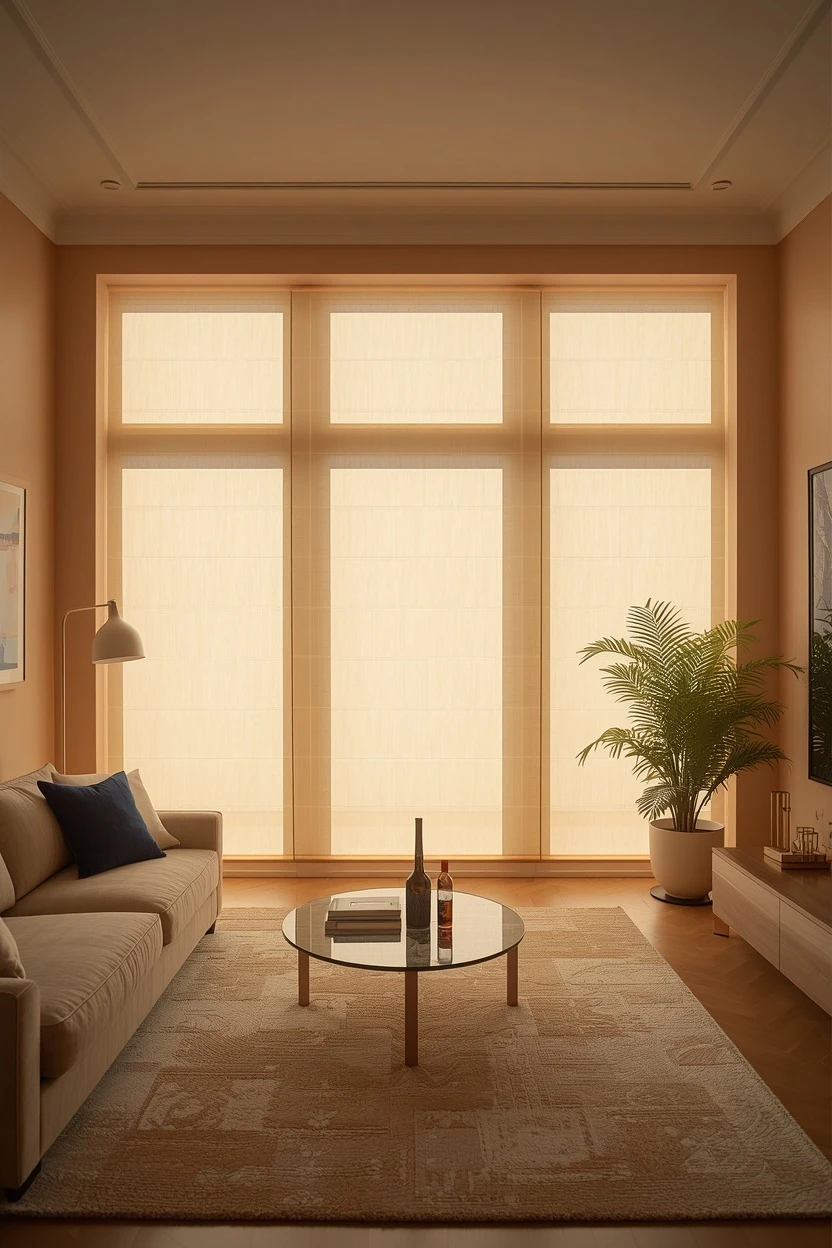
Where light and privacy need to flex through the day, run two layers that do opposite jobs. A sheer or light-filtering shade against the glass softens daylight and screens the room without darkening it; a solid blackout layer or heavy drape closes for evening privacy and film nights. Day-and-night cellular blinds fold both jobs into one unit if you’d rather not layer. Either route, having a see-through option and a black-out option is what keeps a living room comfortable from first coffee to late film.
9. Cellular Honeycomb Shades for Insulation
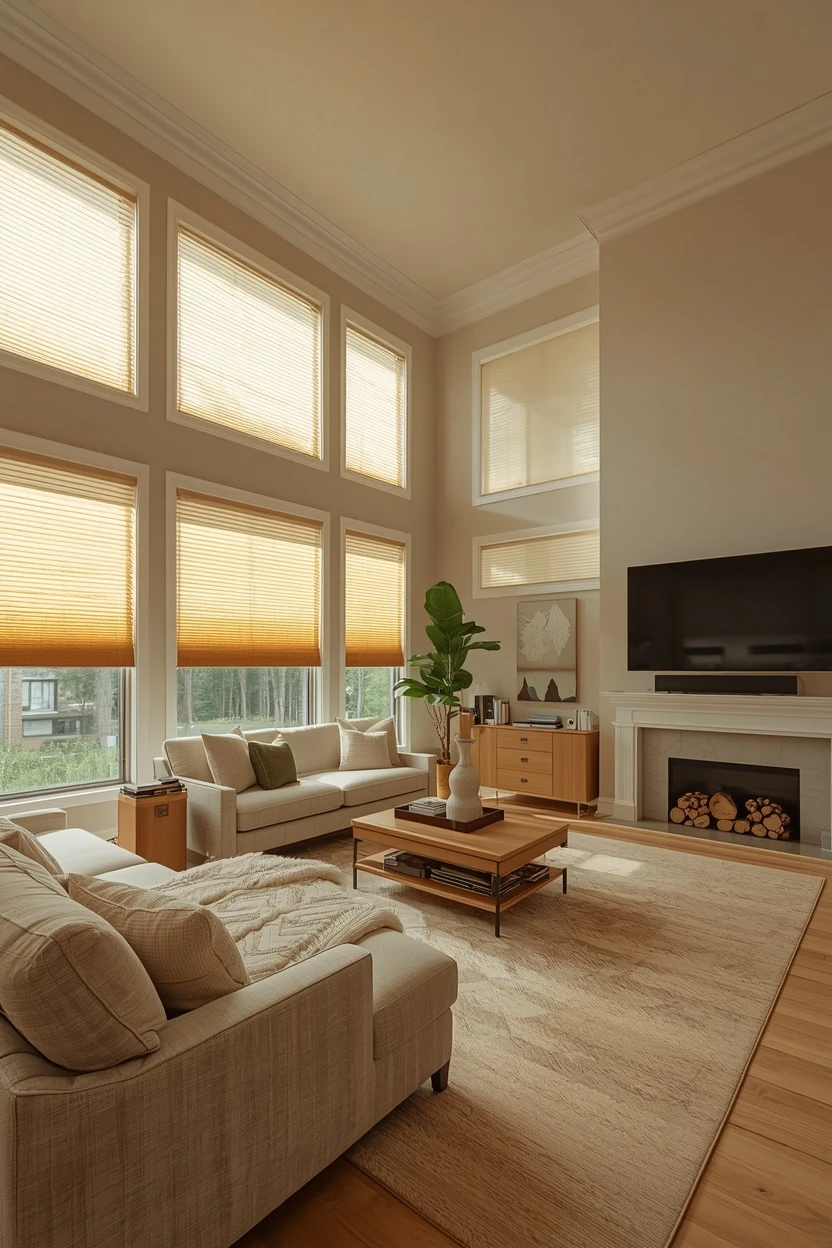
If your living room bleeds heat through the glass, a cellular (honeycomb) shade is the quiet workhorse. The pleated cells trap a pocket of air against the window, noticeably cutting draughts and heat loss — a genuine help on a bay or a single-glazed period window. They stack away compactly and come in light-filtering and blackout versions to suit a clean, modern look. They’re less decorative than fabric or shutters, so pair them with drapes if you want warmth of style as well as temperature. For efficiency alone, nothing here beats them.
10. Wood and Venetian Blinds for Adjustable Light
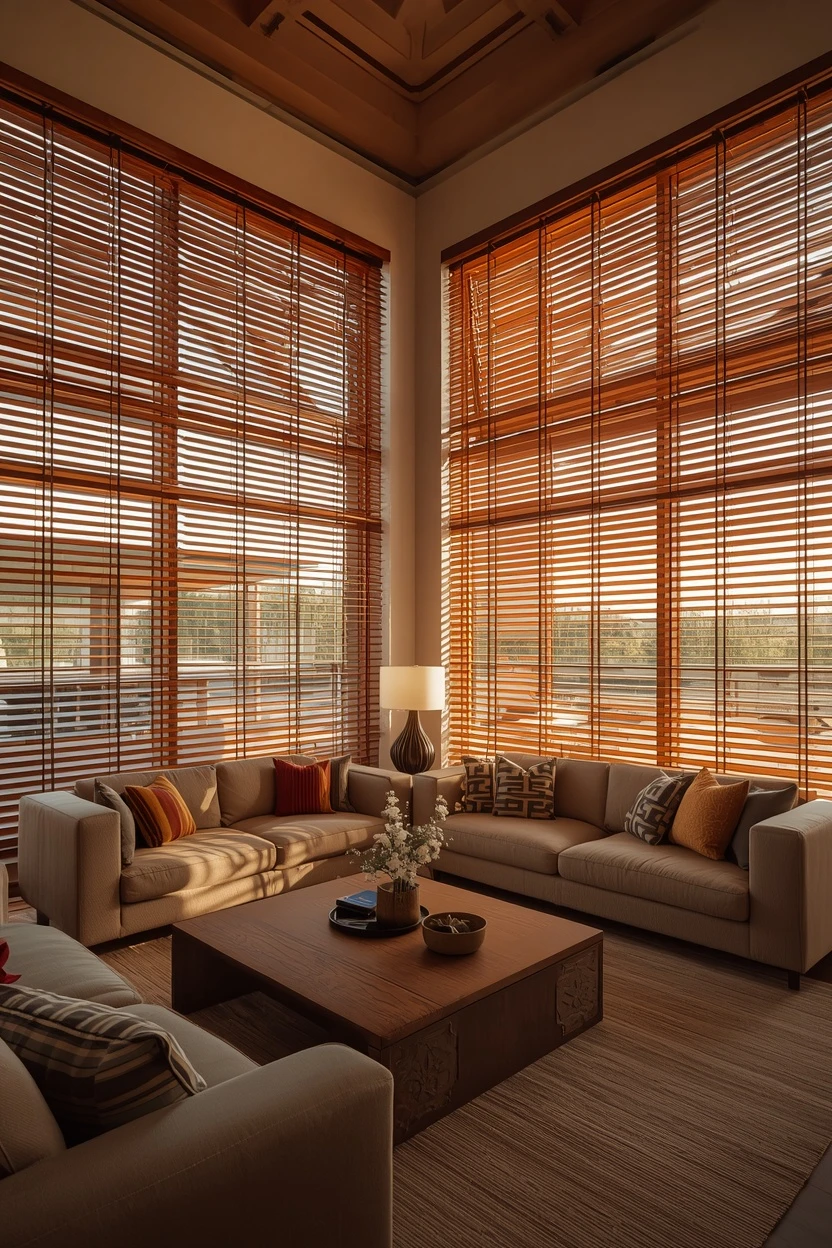
When you want precise, tiltable control of light and view in a crisp horizontal line, Venetian or real-wood blinds deliver. Angle the slats and you keep privacy while still bouncing daylight up to the ceiling, and wood or faux-wood versions carry a warmth metal slats lack. They do gather dust and the cords want tidying, so they suit smaller or secondary windows better than a vast picture window. As a tailored, adjustable layer — especially beneath drapes — they’re versatile and easy on the budget.
11. Vertical Blinds and Panel Glides for Wide Spans
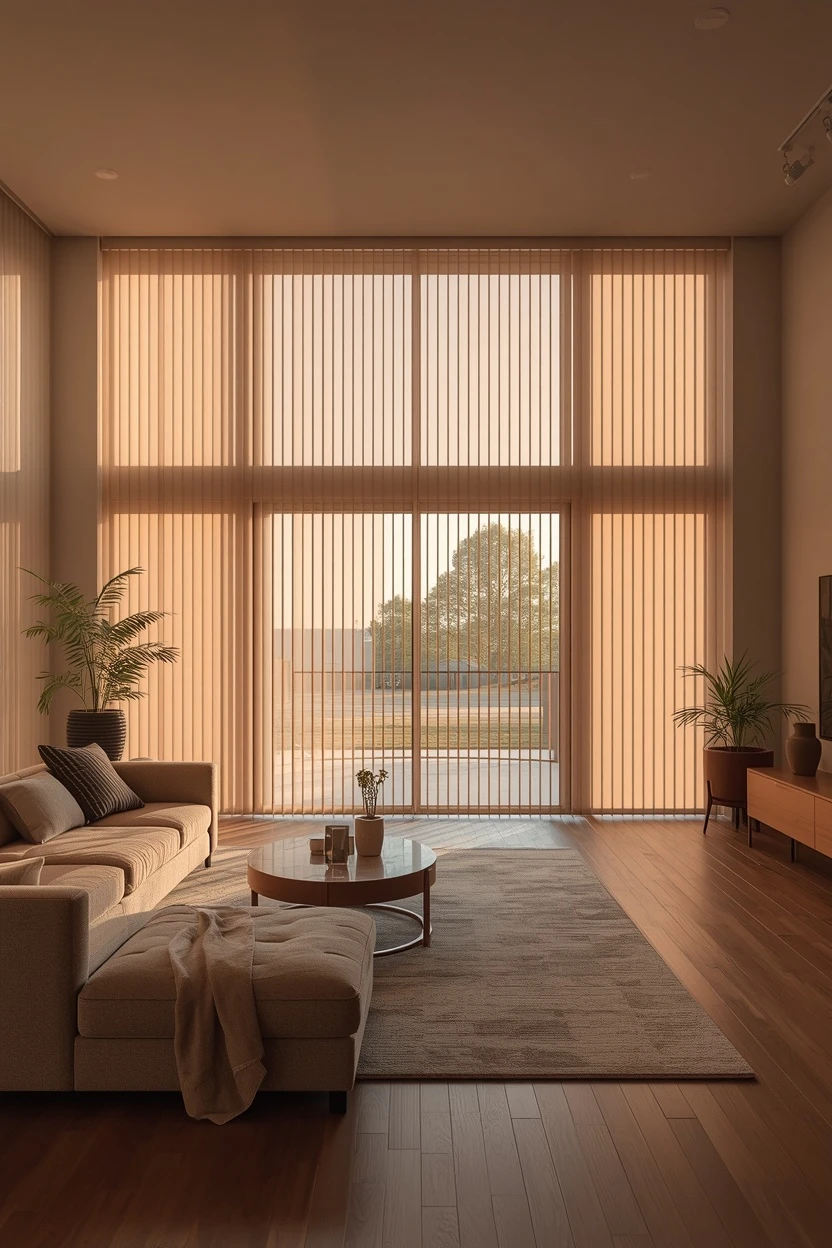
Big picture windows and patio doors need coverings built for width, and this is where verticals and panel glides earn their place. Modern vertical blinds have shrugged off the old office image — in a soft fabric they handle floor-to-ceiling glass elegantly and let you rake light across a wide span. Panel glides, which slide flat fabric panels across a track, are the sleek contemporary alternative for very wide openings. For a wall of glass or a sliding door, these are the treatments that actually fit the scale.
12. Café Shutters and Tier-on-Tier for Privacy With Light
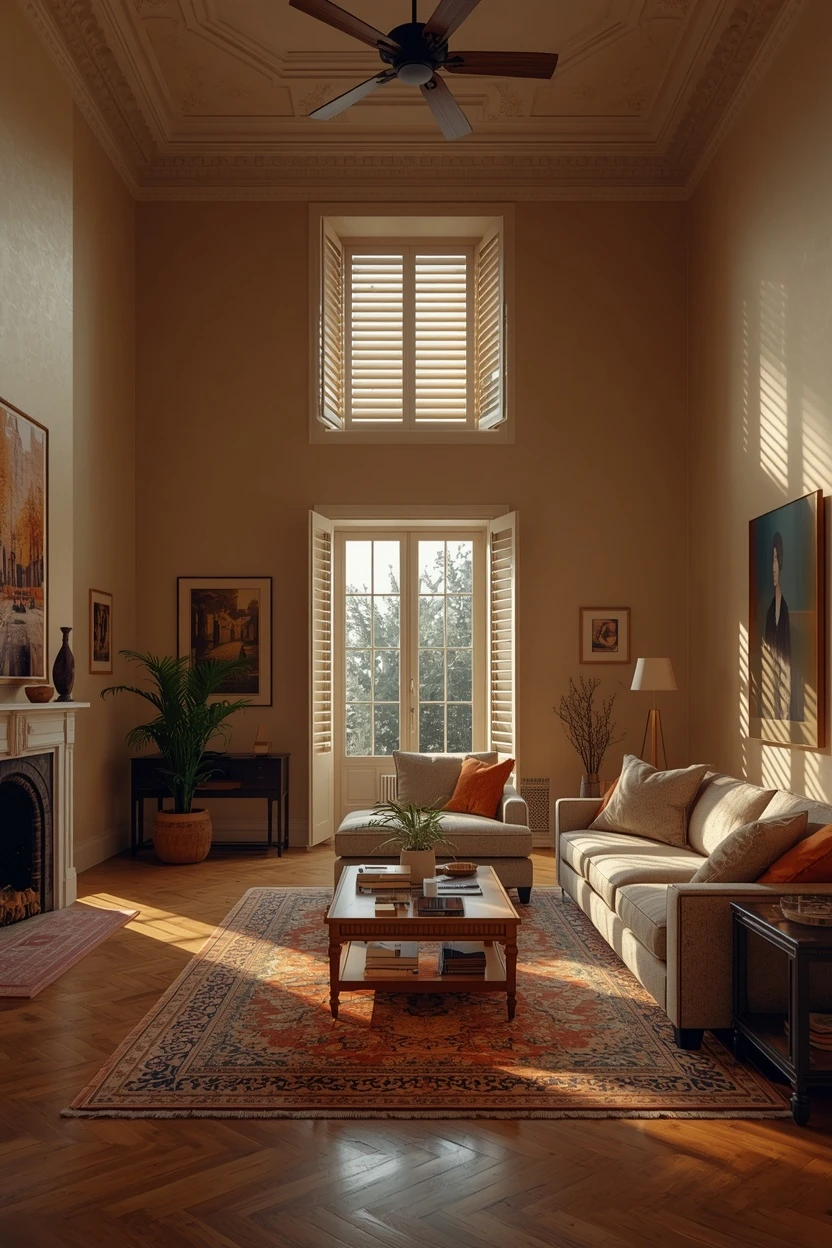
For a ground-floor room facing the street, tier-on-tier or café-height shutters crack the privacy problem elegantly. Tier-on-tier splits into independent top and bottom sections, so you can close the lower half to passers-by while the top stays open to the sky and the light. Café shutters cover just the bottom of the window for the same effect at lower cost. Both hand you privacy exactly where it’s needed without gloom. It’s a smart, architectural fix for the overlooked living room.
13. Go Motorised for Big or Awkward Windows
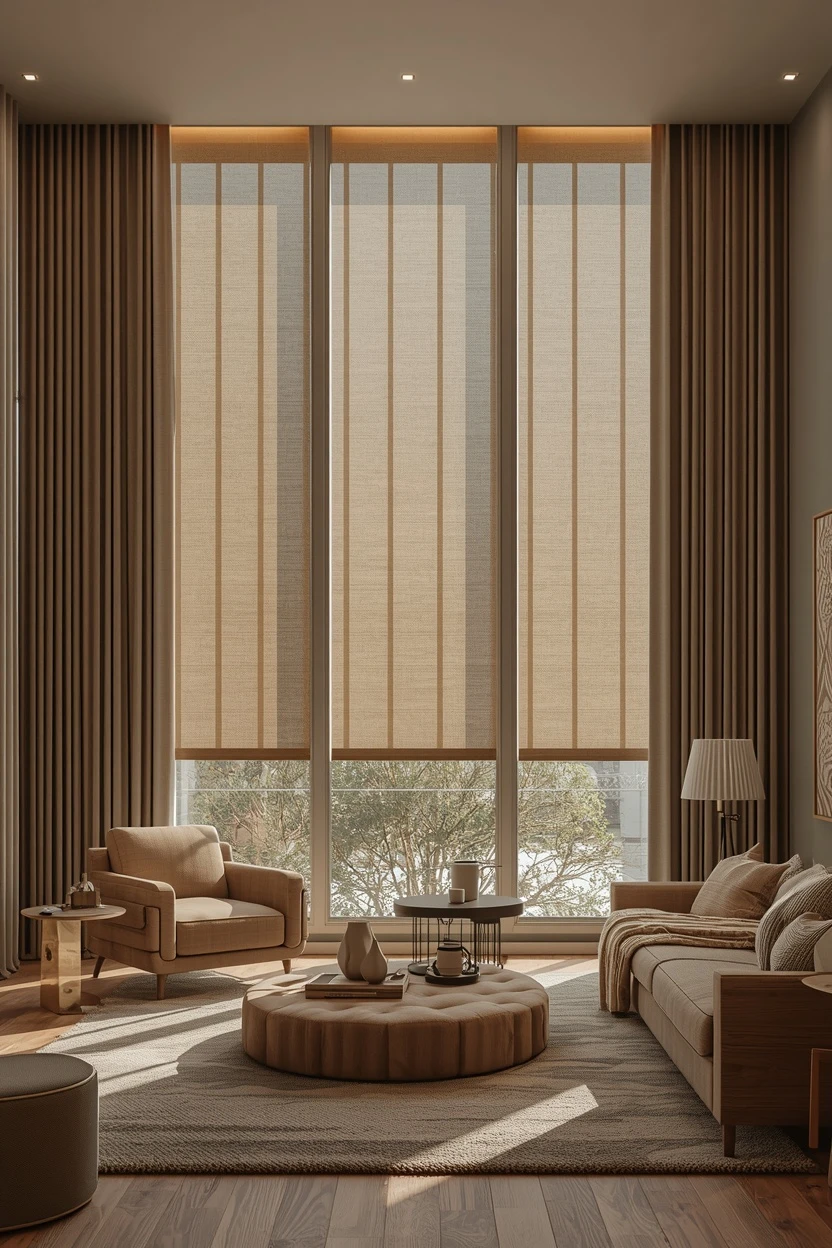
For tall, wide, or hard-to-reach windows — a bay, a stairwell return, a run of bi-folds — motorised coverings are worth the spend. A quiet motor lifts blinds or draws drapes at the touch of a button or on a schedule, and smart versions close themselves at dusk to save heat and add a note of security. It clears away cord clutter and makes daily use effortless where a manual pull would just be a chore. For windows you’d otherwise never bother adjusting, motorising quietly gets the covering doing its job.
14. Keep Colour and Material Cohesive Across Windows
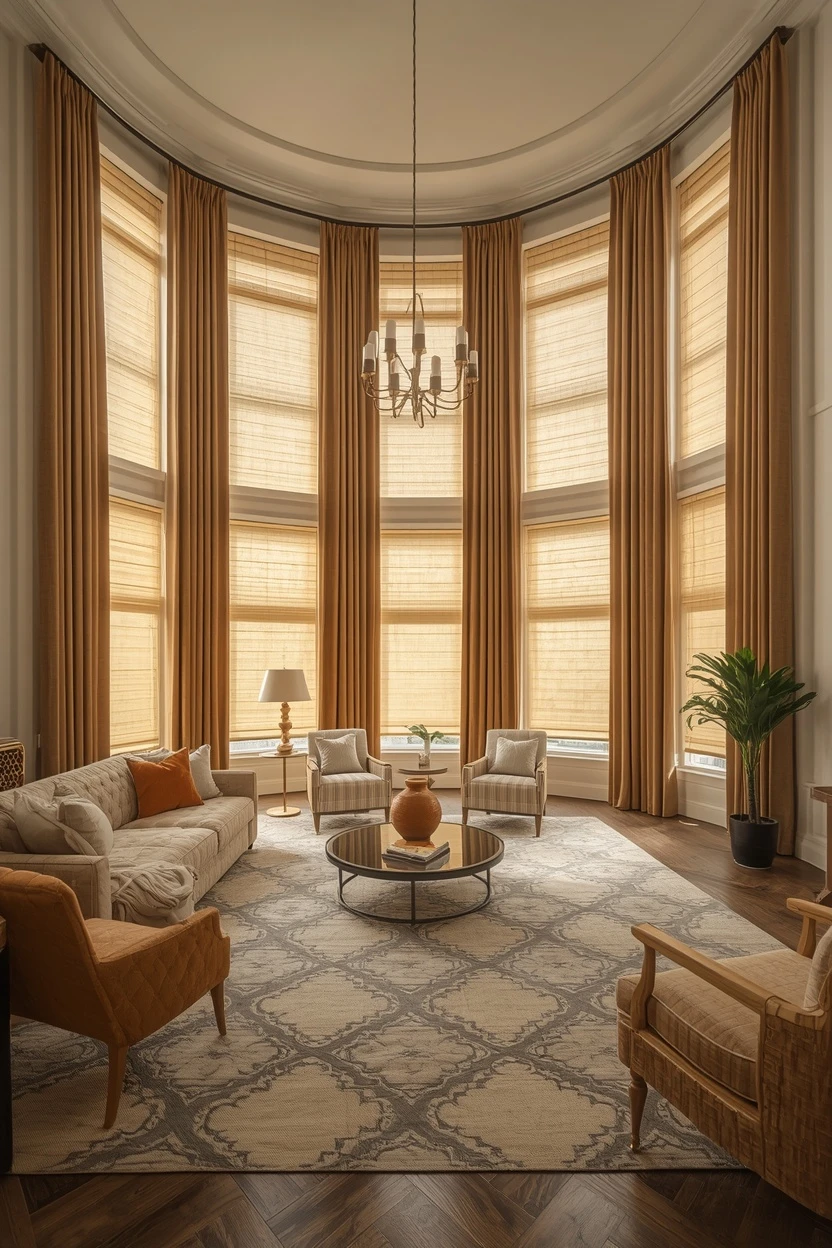
A living room with several windows turns chaotic fast if each is dressed on a whim, so tie them together. Hold the same covering type, colour, or material across the main windows, and let any difference be functional rather than random — the same linen drape throughout, or the same woven shade, even if one window gains a blackout layer for the TV. That consistency is what makes a scheme read as designed rather than assembled piecemeal, and it’s an easy rule to keep once you’ve settled your palette.
15. Leave a Great View (Nearly) Bare
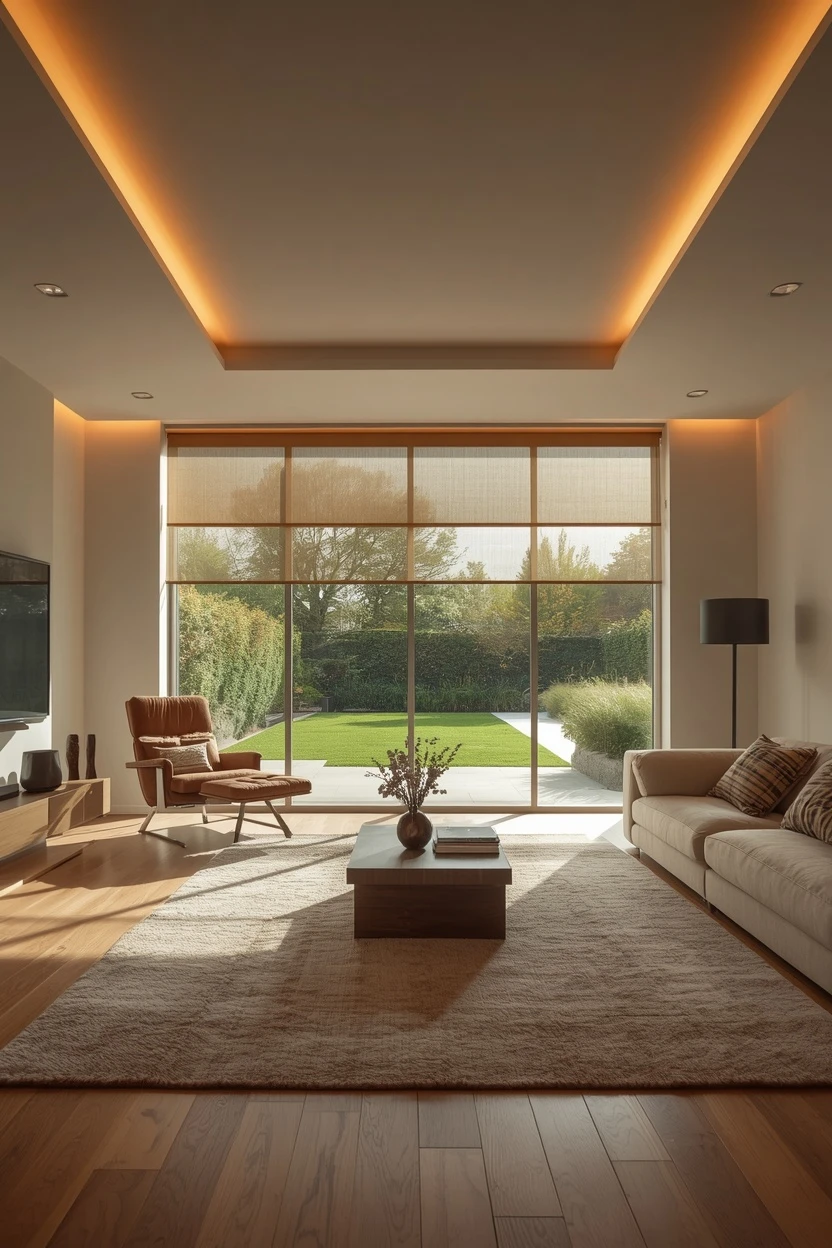
Not every window wants dressing up. If you’re lucky enough to look out on a garden, water, or a city skyline, the view is the feature — so get out of its way. A discreet recessed roller or a slim roman that stacks almost invisibly above the glass gives you privacy and blackout for the evening while leaving the daytime outlook clean and uninterrupted. Resist heavy drapes that crowd the frame here; the confidence to under-dress a beautiful window is its own kind of styling.
16. Nail the Mount: Inside or Outside the Reveal
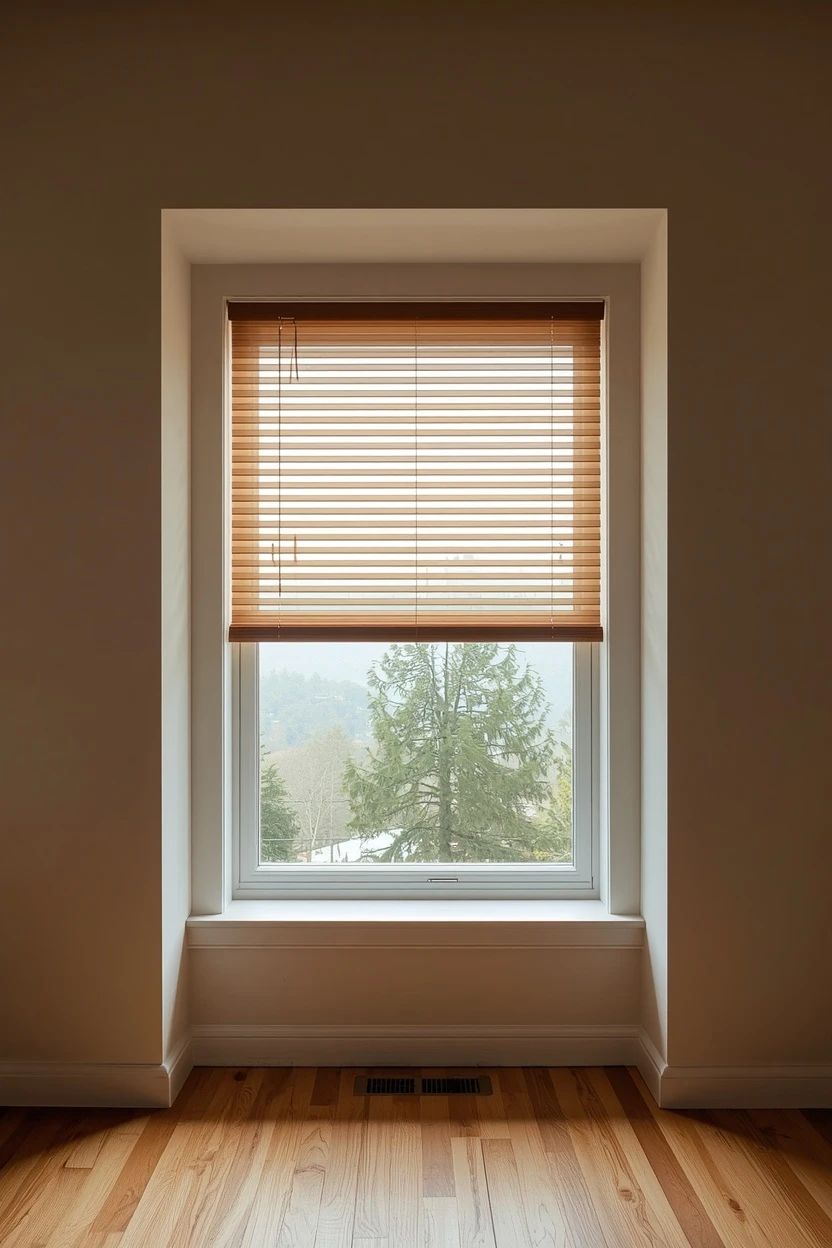
Where a covering sits changes the whole look, so decide before you order. An inside (recess) mount sits the blind or shade within the window reveal for a crisp, built-in finish that shows off the frame and joinery — ideal for deep reveals and shutters. An outside mount, fixed to the wall above and beyond the frame, covers more glass, blocks more light leak, and makes a small window look bigger — the better call for drapes and for anything you want to read as generous. Measure for the one you’ve chosen; the two are not interchangeable.
17. Treat a Bay Window as a Single Scheme
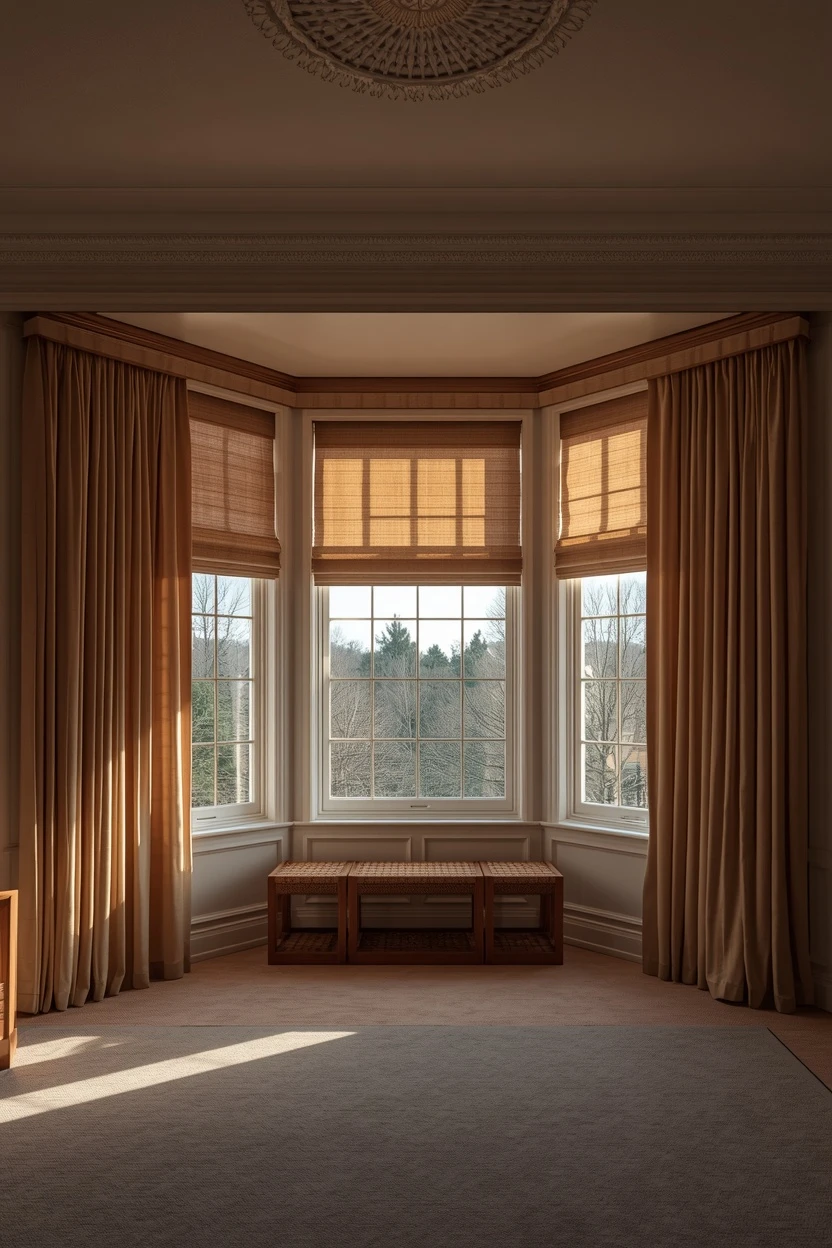
Bays defeat people because they try to dress each pane as its own event. Instead, plan the bay as one connected treatment. Individual blinds or shades fitted to each facet keep the architecture crisp and the sill usable, while a curved or hinged track lets a single set of drapes sweep the whole bay for softness and warmth at night. Often the best result marries the two — neat shades on each pane with drapes that draw across the entire bay. Read as one, a bay becomes a feature rather than a fiddly problem.
18. Layer It All Into One Complete Window Scheme
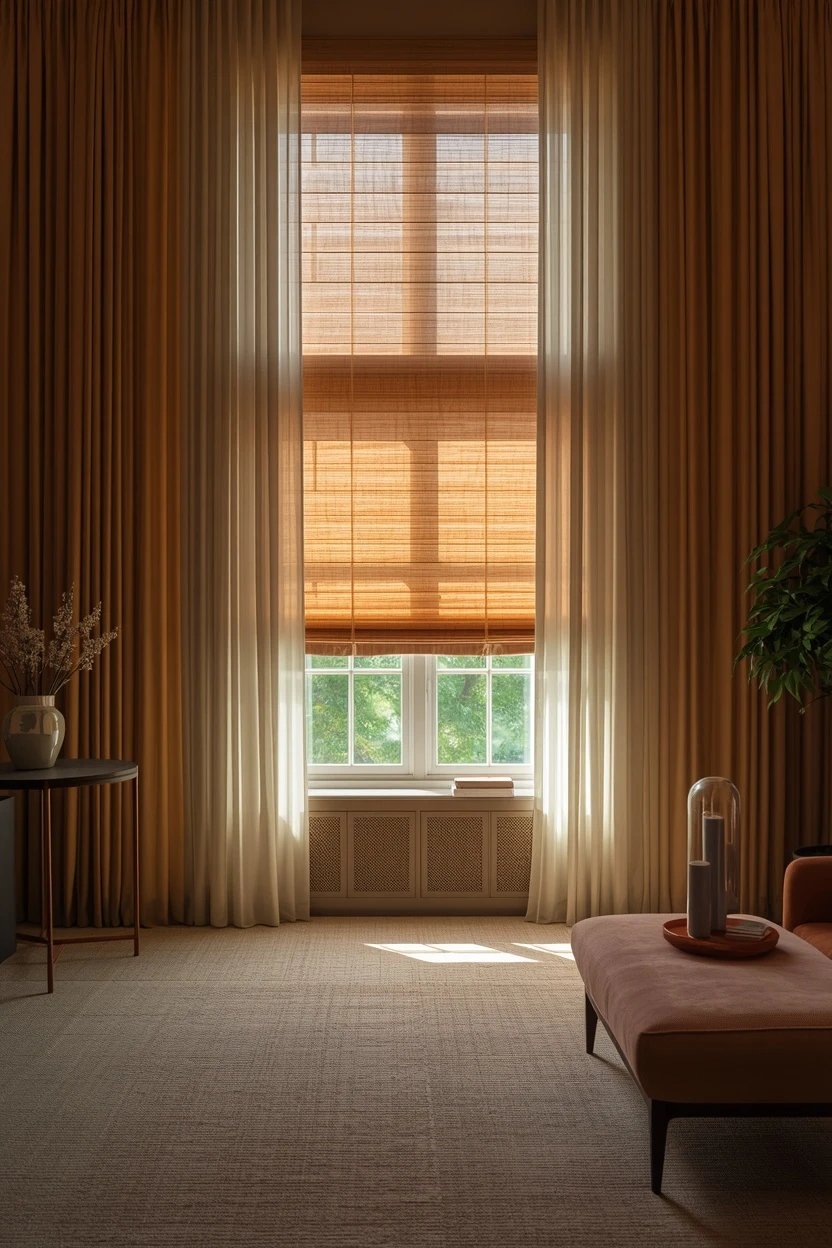
The living rooms whose windows just look right almost always share a structure: a functional covering handling light and privacy, a soft covering adding warmth and framing the glass, all in a cohesive palette and scaled to each opening. Three habits hold it together — decide the job, then layer a hard treatment with a soft one, then keep the materials in conversation from window to window. Work through the living room window covering ideas above in that order and the whole room ends up feeling flexible, comfortable, and genuinely finished.
Where to Focus First: My Priority Order
Faced with a blank window, I work in a fixed order. First I settle each window’s main job — blackout for the TV wall, privacy for the street-facing bay, insulation for the draughty one — because the right covering falls straight out of that answer. Then I pair a functional treatment with a soft one wherever budget allows: a roller or roman blind for control, drapes over the top for warmth and frame, which together beat any single treatment on both looks and flexibility. Only then do I worry about tying the palette together across the room so the windows read as one scheme rather than a patchwork. Job, then layer, then cohesion — that sequence sorts almost any living room.
Frequently Asked Questions
What is the best window covering for a living room?
Honestly, there isn’t a single best — the right pick follows the window’s job — but the living rooms that work hardest tend to layer two treatments. A functional covering carries the practical load: a roller or roman blind for light and blackout, shutters for adjustable privacy, or a cellular shade for insulation. A soft covering — usually full-length drapes — then supplies warmth, colour, height, and a finished frame. Layered, the pair gives you control at every hour and a far richer look than either alone. If you can genuinely only choose one, full-length lined drapes are the most flexible and flattering for a main living room, while plantation shutters are the strongest single answer for an overlooked or period room that wants built-in privacy and architecture. Begin from the window’s job — light, privacy, insulation, or view — and let that steer the choice.
How do I choose between blinds, shutters, and curtains?
Match the covering to what you care about most. Reach for curtains when you want warmth, softness, insulation, and a decorative statement, and you have wall space either side to stack them — they’re the cosiest and most transformative, but they need generous fabric to look right. Choose shutters when privacy, precise light control, durability, and built-in architecture matter, and you’re happy with a fitted, more permanent, higher-cost fixture that never dates. Choose blinds — roller, roman, Venetian, or cellular — when you want an affordable, space-saving, functional layer: roller for simple blackout, roman for tailored folds, Venetian for tiltable light, cellular for insulation. In practice, many living rooms are happiest with a combination: a blind for daily function under drapes for softness. Pin down what the window must achieve first, and the three-way choice mostly makes itself.
How can I cover a large living room window?
Large windows and patio doors need coverings built for their scale, so steer clear of anything that will look mean or strain against the width. For a wide picture window, floor-to-ceiling drapes on a sturdy ceiling-fixed track look generous and pull right back off the glass — just leave wall space each side for the fabric to stack. For sliding or bi-fold doors, panel glides or modern fabric vertical blinds slide neatly across the span and let you angle light without blocking the whole opening. Motorising a big or high covering is well worth it, since a wall of glass is tiresome to work by hand. You can also layer a light-filtering shade behind drapes for all-day flexibility. The key is picking something designed for width and height rather than forcing a small-window treatment onto a big opening.
Do window coverings really help with insulation and energy bills?
Yes, and more than people expect — the right coverings measurably change how warm a living room feels and how much heat escapes through the glass. Cellular (honeycomb) shades lead the field, because their pleated cells trap an insulating pocket of air against the window, cutting draughts and heat loss noticeably on single-glazed and bay windows especially. Lined and interlined full-length drapes insulate well too, particularly with a thermal lining, and simply drawing them at dusk keeps evening warmth in. Shutters add a solid insulating layer of their own. The most effective approach is to layer: a cellular shade or thermal-lined blind against the glass, with drapes drawn over the top at night, traps warmth far better than any single treatment. Beyond comfort, that reduced heat loss takes a little pressure off your heating through the colder months.
Final Thoughts
Dressing a living room window well isn’t about hunting down one perfect product; it’s about matching coverings to what each window needs and then layering for flexibility. These living room window covering ideas run the full span — soft drapes for warmth and drama, roman and roller blinds for tailored or minimal function, shutters for architecture and control, woven naturals for texture, cellular shades for insulation, verticals and panel glides for wide spans, and considered strategies for bays and standout views — but they all answer to one logic. Decide the job first, layer a functional covering with a soft one wherever you can, and keep materials and colours talking to each other across the room. Do that, and whether you lean on classic living room drapes ideas or a considered mix of blinds and shutters, your windows will feel deliberate, comfortable, and completely finished.

zarcoyt2025
Khawar Iqbal is the founder and editor of Cozy Homes Hub. He writes about cozy, livable home decor — from small-apartment layouts to room-by-room styling guides — with a focus on warm palettes, layered lighting, and budget-friendly ideas that actually work in real homes.
Related Articles
16 Living Room Decor Ideas That Instantly Elevate Any Space
A living room rarely needs new furniture to feel considerably more elevated — it usually needs a handful of layout and styling…
Read more →
14 Grey Settee Living Room Ideas to Warm Up a Neutral Sofa
A grey settee is the most versatile thing you can put in a living room — and, if you're not careful, the…
Read more →
12 Living Room Arrangement Ideas for a Warm, Balanced Space
There's a difference between a room that's furnished and a room that's arranged. Furnished just means the pieces are in there; arranged…
Read more →