18 Bedroom Layout Ideas to Arrange Your Space Beautifully
June 22, 2026 · 12 min read
 By Khawar Iqbal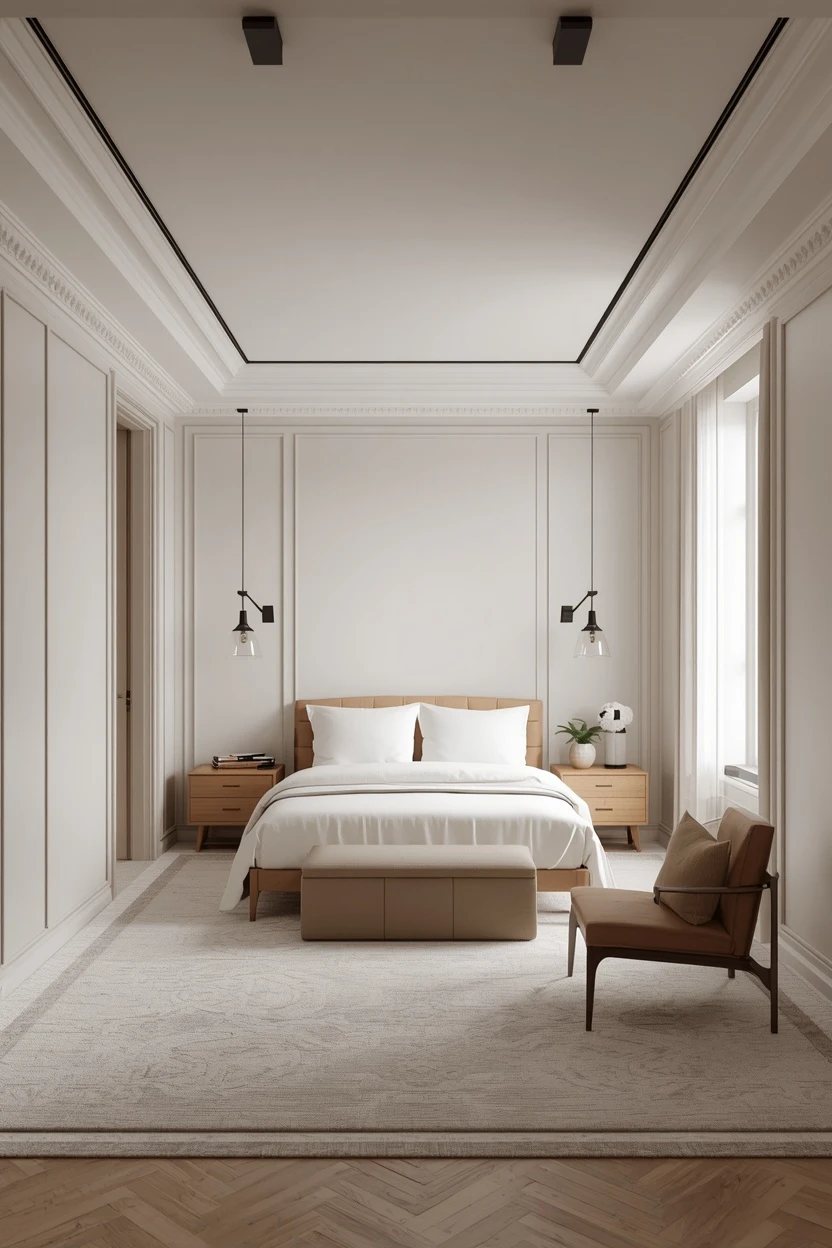
A great bedroom layout does quiet, invisible work — it decides how the room flows, how spacious it feels, how easy it is to move around, and how restful it is to be in, all before a single decorative choice is made. The best layouts come from a few clear principles: placing the bed well, keeping clear paths, balancing the room, and matching the arrangement to the size and shape of the space you actually have.
Each of these 18 bedroom layout ideas is a complete approach you can apply, a way of arranging the whole room around one clear principle or situation rather than a single piece of furniture. Find the version that matches your room's size, shape, and purpose, and use it as a blueprint for a layout that flows well, feels balanced, and makes the very most of your space.
1. The Bed-on-the-Center-Wall Layout
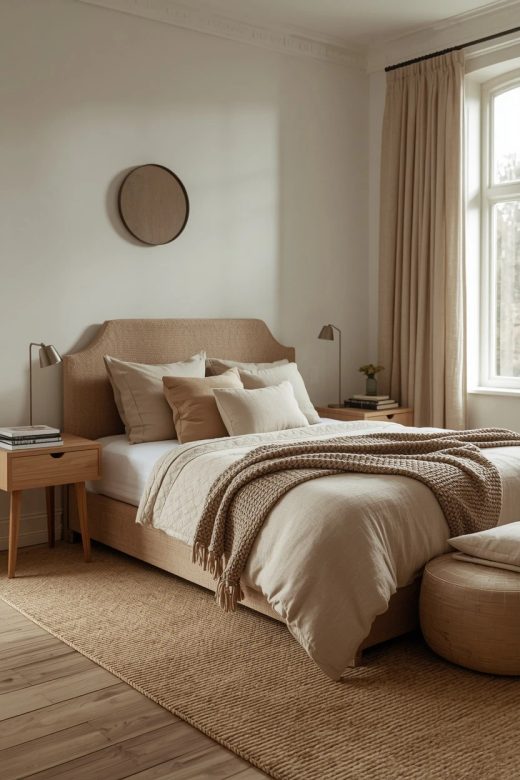
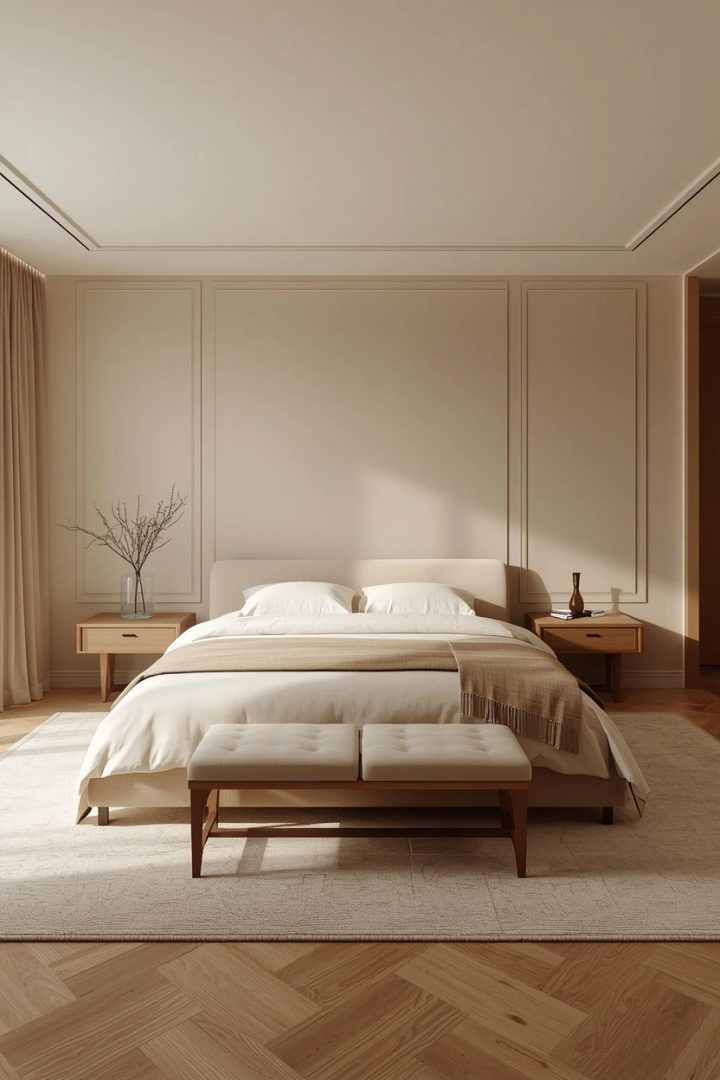
The most reliable bedroom layout places the bed centered on the largest unbroken wall, ideally the one you see when you walk in, with a nightstand on each side. This creates instant symmetry, a clear focal point, and balanced circulation around the bed. It is the default for good reason. It suits most regularly shaped rooms and is the layout to try first, since centering the bed on a main wall makes the room feel intentional, balanced, and calm before you arrange anything else.
2. The Symmetrical Balance Layout
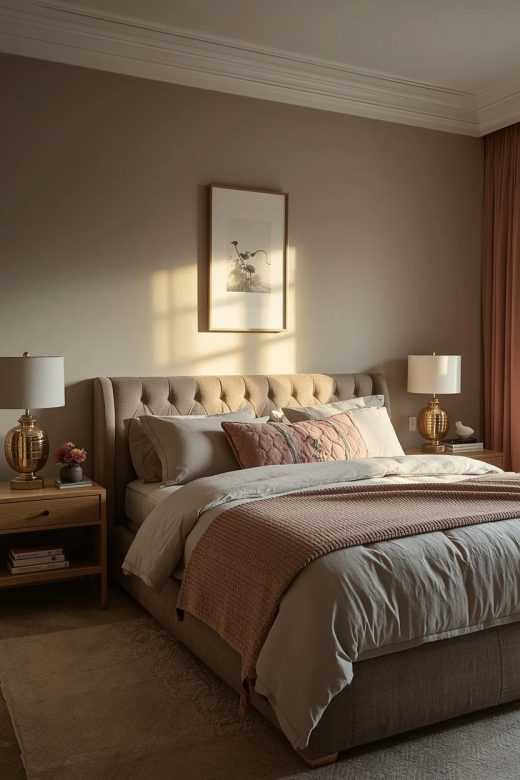
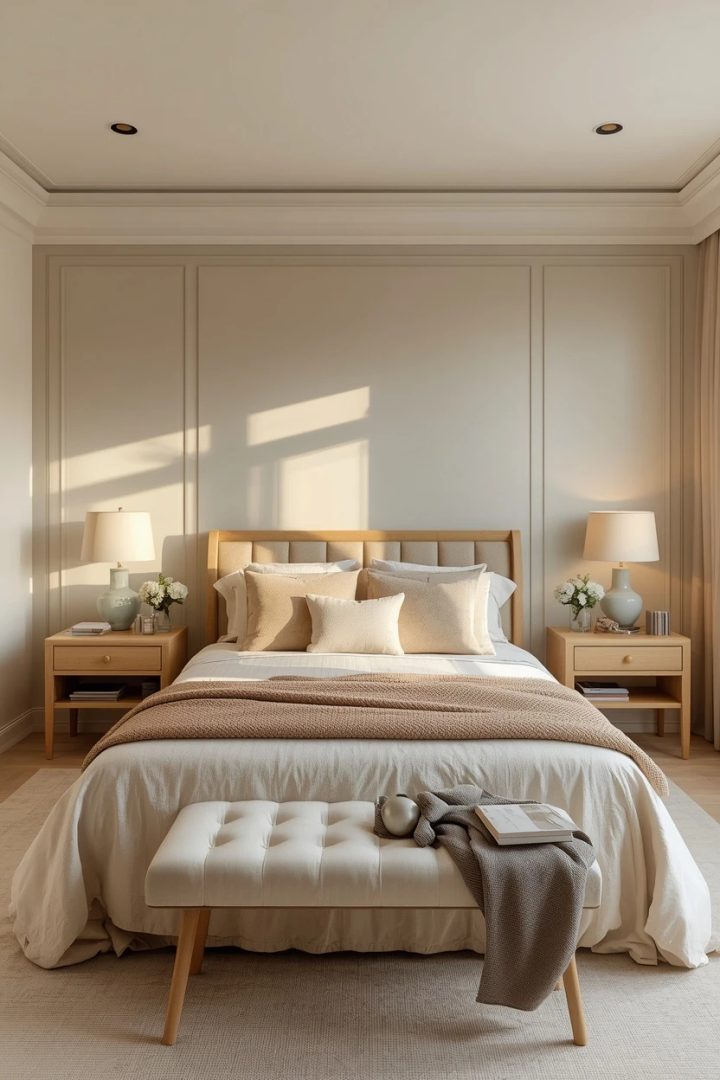
Arranging the room symmetrically — matched nightstands, paired lamps, and balanced furniture either side of the bed — creates a calm, harmonious, hotel-like feel. The visual balance reads restful and considered, and mirroring elements around the bed is the simplest way to achieve it. The symmetry quietly settles the room. It suits anyone who wants a serene, polished bedroom, since a symmetrical layout is one of the most effective ways to make a space feel designed without any extra furniture or decoration.
3. The Small Bedroom Layout
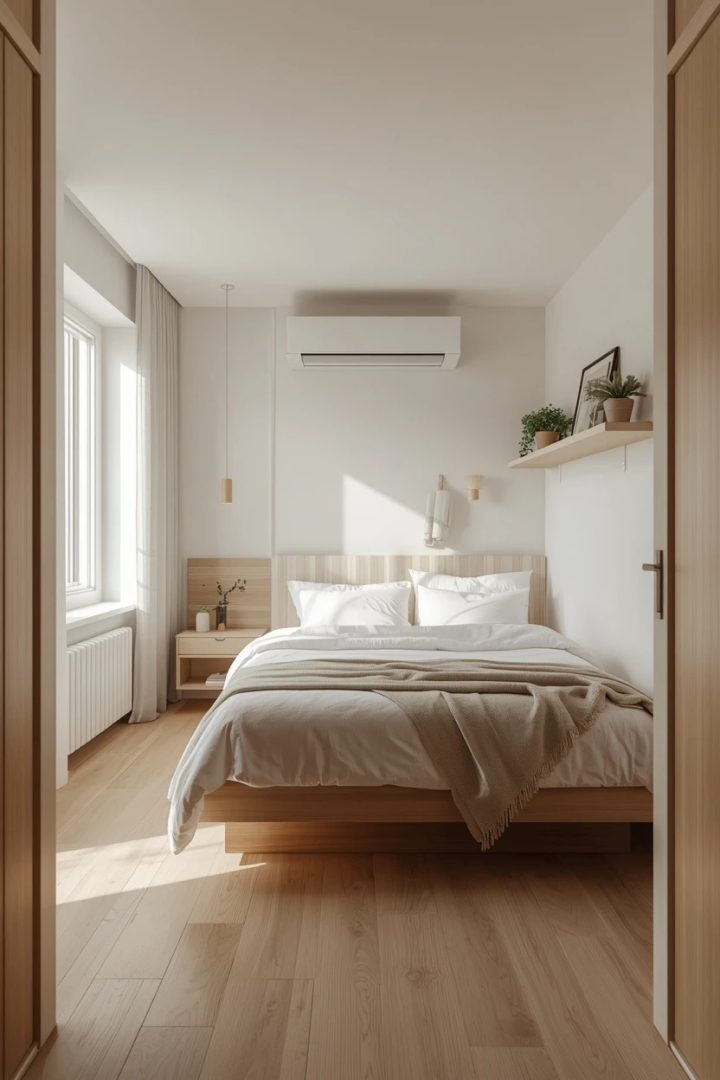
In a small room the layout must earn every inch, so pushing the bed against a wall or into a corner, choosing slim multi-use furniture, and keeping the floor clear makes the space feel as open as possible. Floating shelves, a storage bed, and wall-mounted lights save precious floor area. The clear paths matter most. It suits any compact room and is about prioritizing flow and function over symmetry, since in a small bedroom a workable, uncluttered layout beats a perfectly balanced one.
4. The Clear-Pathways Layout
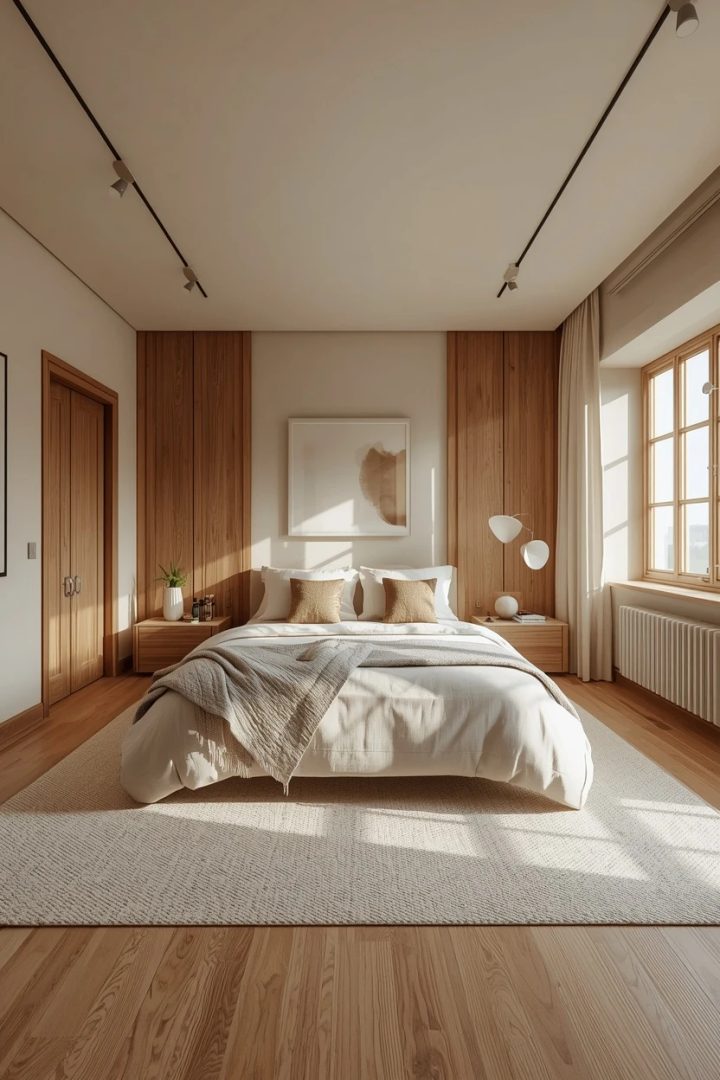
Whatever the room, a good layout leaves clear, generous walking paths — ideally a couple of feet around the bed and an unobstructed route to the door, closet, and window. Mapping the circulation first, then placing furniture around it, prevents the cramped, awkward feel of a room you have to squeeze through. Flow is the foundation. It suits every bedroom, since clear pathways are what make a room feel comfortable to move through and are worth protecting even at the cost of an extra piece of furniture.
5. The Focal-Point Layout
Arranging the room around a clear focal point — usually the bed, but sometimes a window, fireplace, or view — gives the layout a natural anchor and sense of order. Position the bed to make the most of the focal feature, and arrange everything else to support rather than compete with it. The room gains instant purpose. It suits any space and is a useful organizing principle, since deciding what the room should center on makes every other placement decision clearer and the finished layout feel intentional.
6. The Awkward-Shape Layout
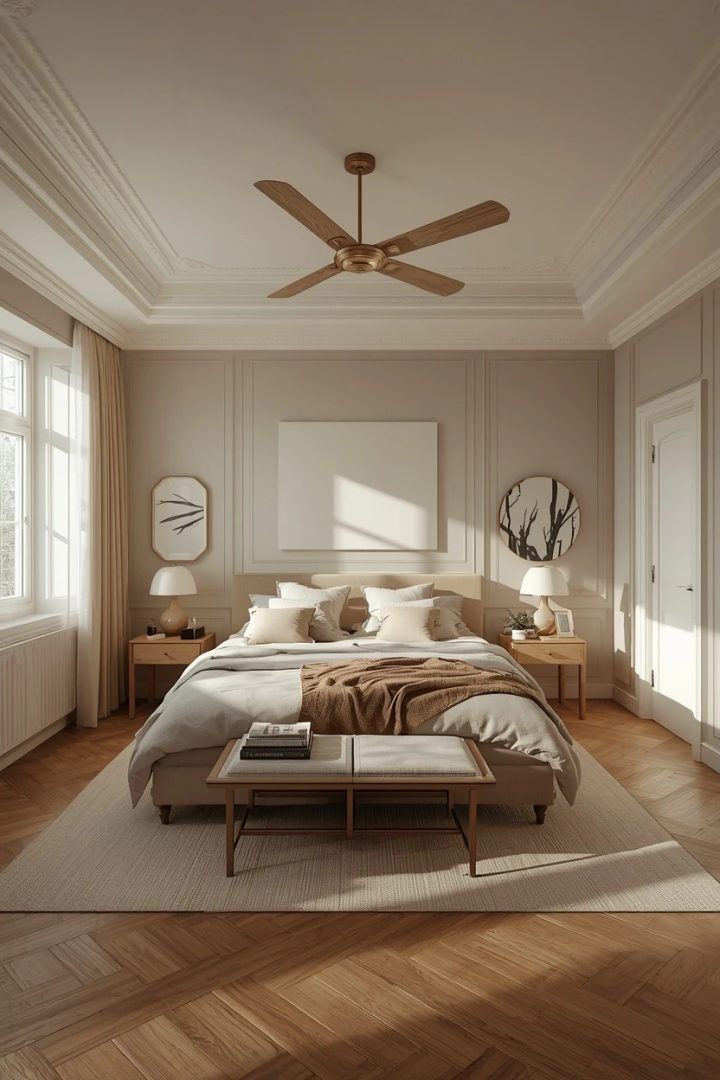
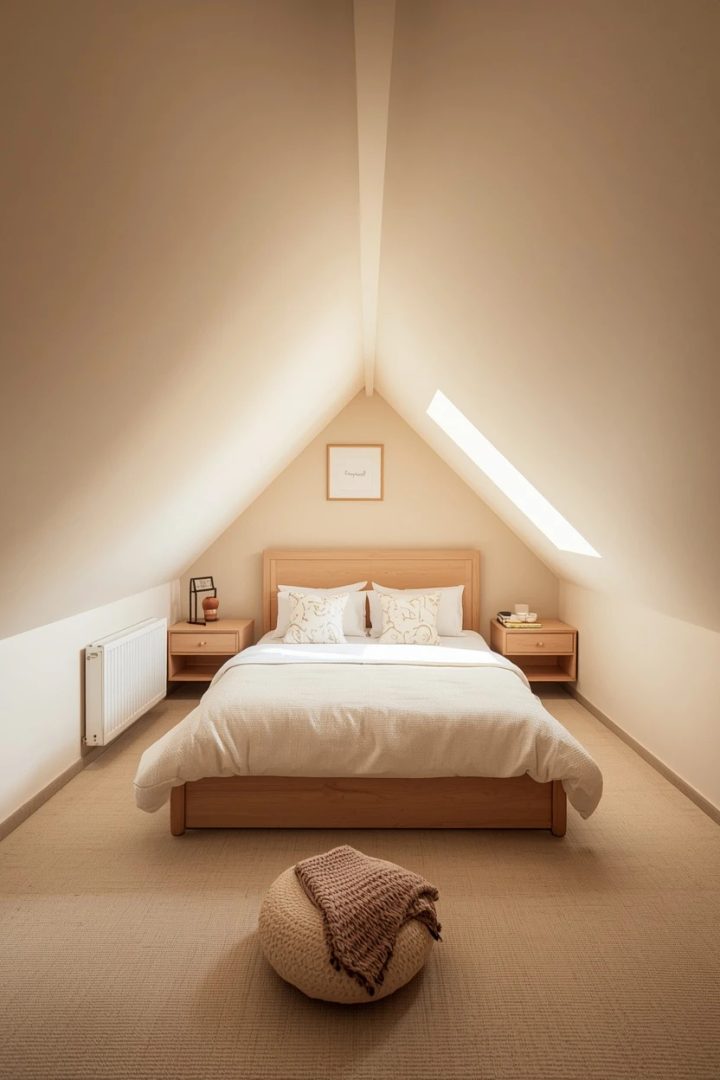
Rooms with sloped ceilings, alcoves, angled walls, or odd corners need a layout that works with the quirks rather than against them — tucking the bed under a slope, fitting storage into an alcove, or angling a piece to suit the geometry. Embracing the awkward features turns them into character. It suits attic rooms, period homes, and any irregular space, since a layout tailored to the room's real shape feels far more comfortable than one that fights it, making the most of every awkward corner.
7. The Multi-Use Room Layout
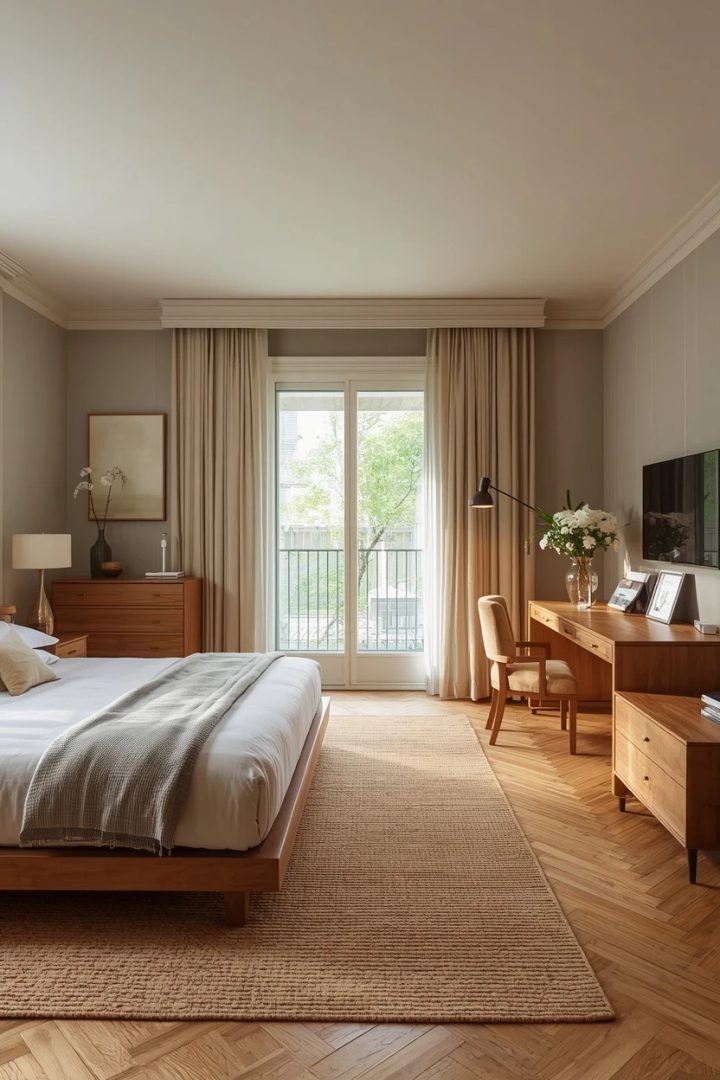
When a bedroom must double as an office, gym, or living space, a zoned layout — using a rug, a screen, or furniture placement to define separate areas — keeps each function clear without walls. Position the bed in one zone and the desk or seating in another, with a visual divider between. The zoning keeps it ordered. It suits studios, guest-office rooms, and small homes, since a well-zoned layout lets one room do several jobs while still feeling calm and purposeful.
8. The Bed-Under-the-Window Layout
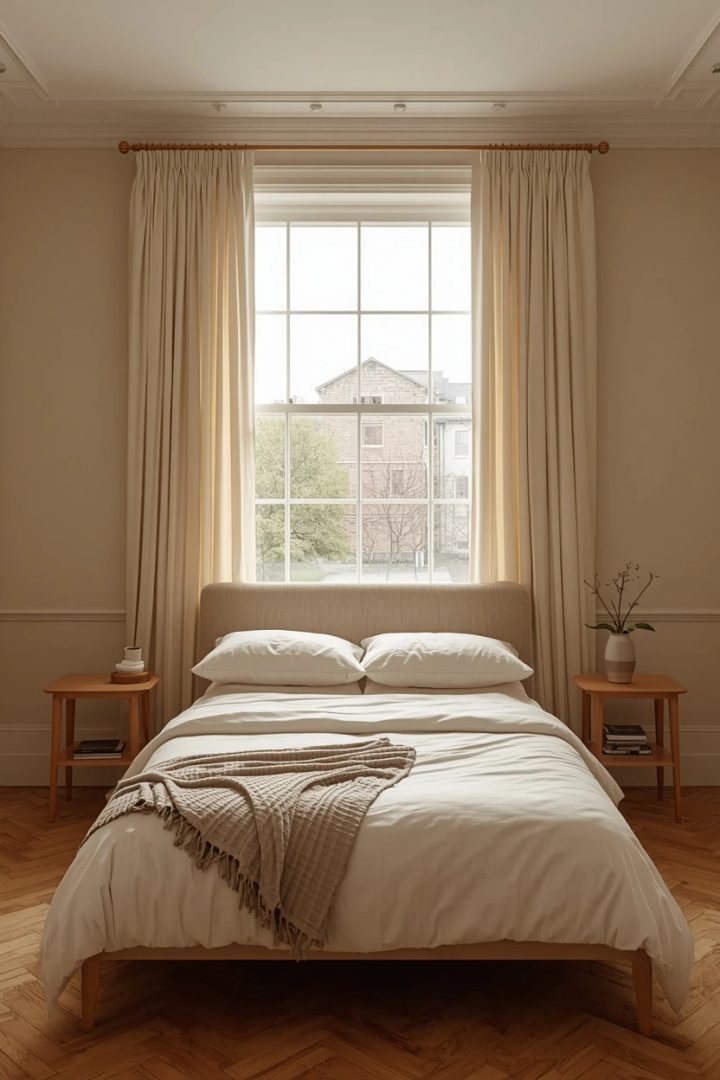
When the only sensible wall faces a window, placing the bed beneath it can be the best layout, especially in small or awkward rooms. Use a low headboard or none, dress the window with curtains that frame the bed, and add layered lighting since the wall light is given over to the window. It can look intentional and lovely. It suits compact rooms where wall space is scarce, since a bed under the window is often the most space-efficient and visually settled arrangement available.
9. The Corner Bed Layout
Pushing the bed into a corner — against two walls — frees up the maximum amount of open floor, making it a smart layout for small rooms or shared spaces. Add a single accessible nightstand or a wall shelf, and accept the trade-off of reaching the bed from one side. The reclaimed floor is the payoff. It suits children's rooms, small spaces, and anyone who needs play or work area, since a corner bed layout sacrifices a little symmetry to gain a lot of usable open space.
10. The Storage-Focused Layout
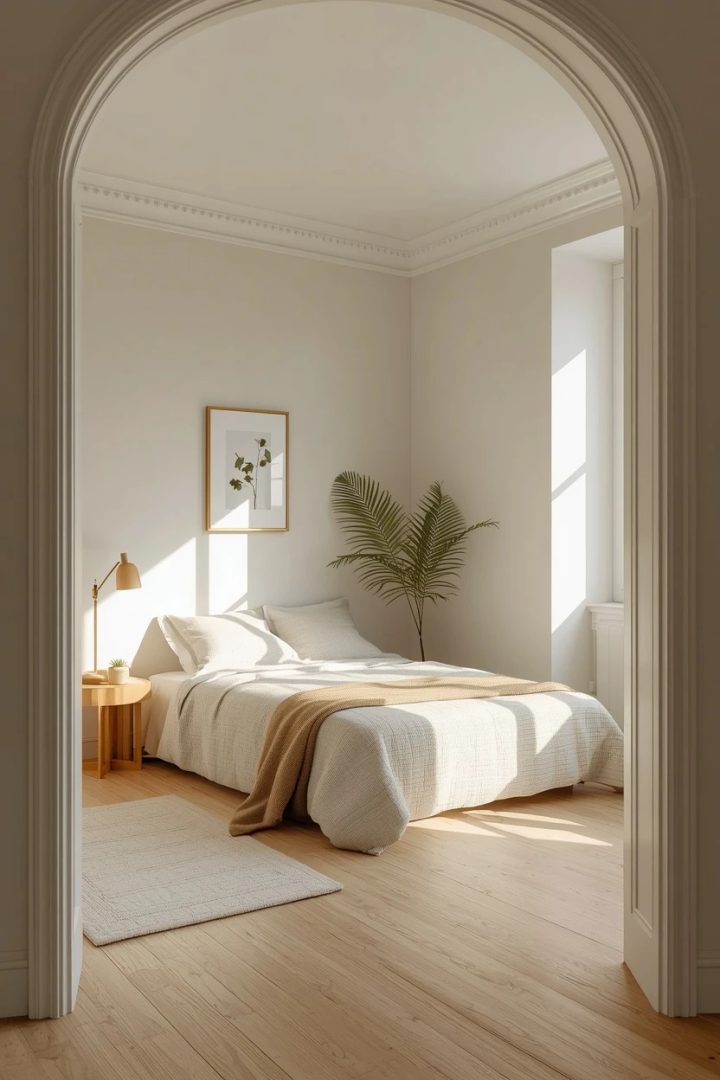
Designing the layout around storage — positioning a wardrobe, dresser, and storage bed for easy access while keeping paths clear — makes a room work better and feel calmer. Place tall storage on a wall that does not block light or flow, and group storage so it reads tidy rather than scattered. Function leads the arrangement. It suits anyone with a lot to store, since a layout planned around accessible, well-placed storage keeps the room organized and the floor clear, which is what makes it feel restful.
11. The Reading-Nook Layout
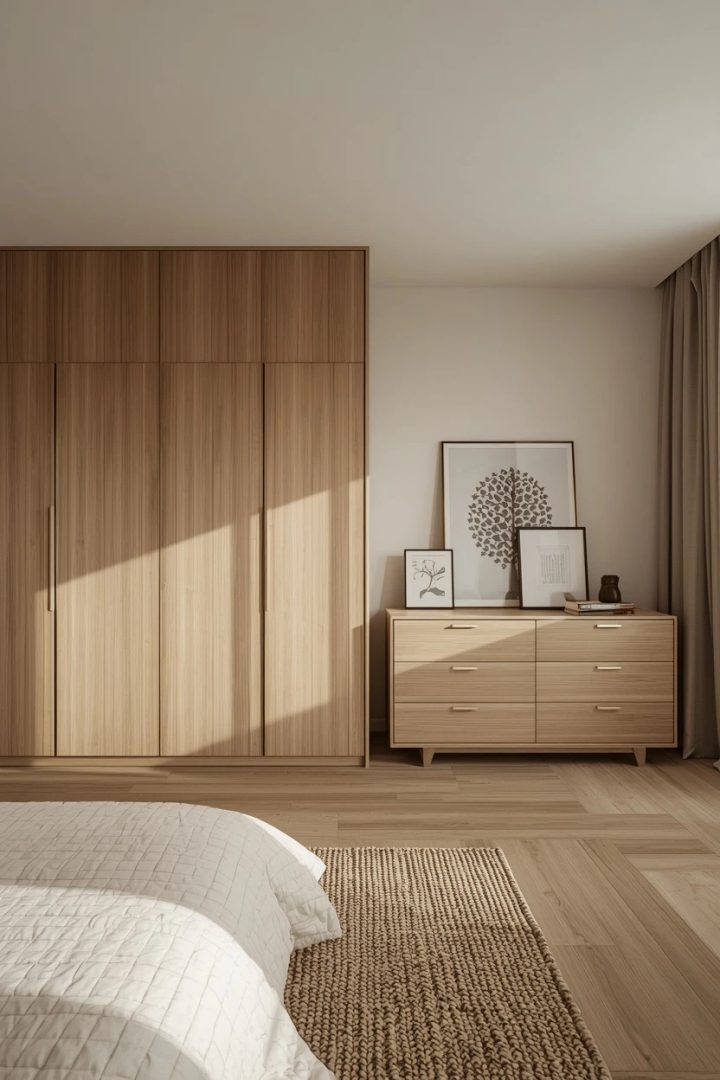
If the room has the space, carving out a reading or seating zone — an armchair and lamp by a window or in a corner — adds function and makes the layout feel generous and considered. Place it away from the bed's circulation so it reads as its own little area, anchored by a small rug or side table. The second zone enriches the room. It suits larger bedrooms and anyone who wants more than a place to sleep, since a dedicated nook turns spare floor into a purposeful, inviting spot.
12. The Floating-Bed Layout
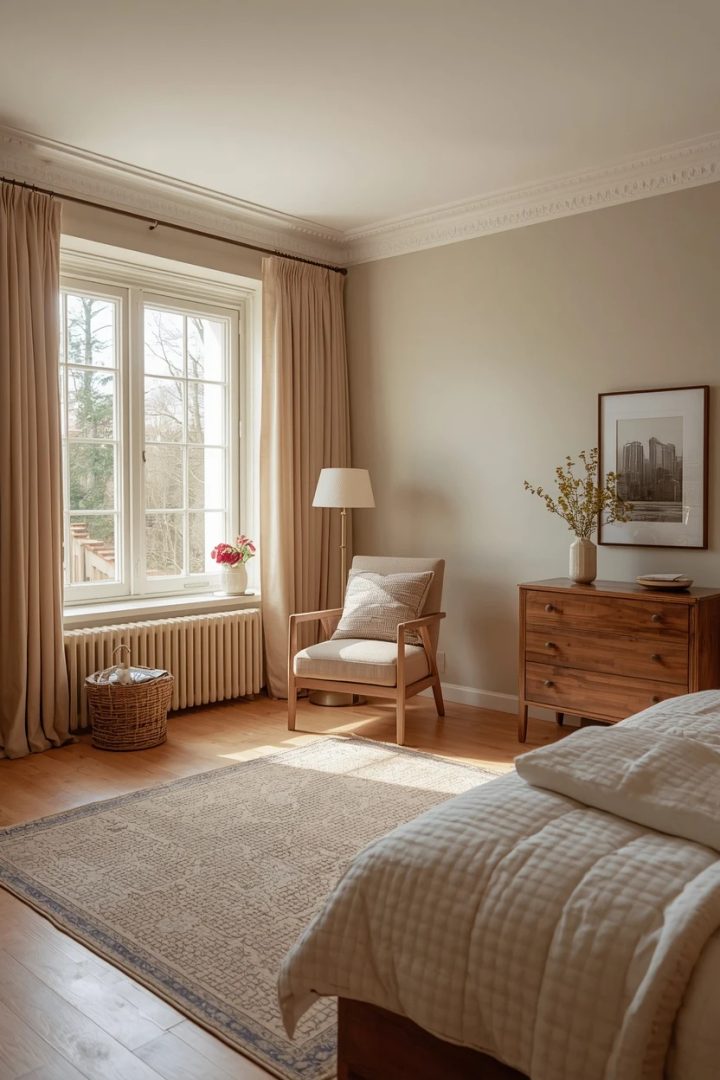
In a larger or unusually shaped room, floating the bed away from the walls — angled in a corner or set out into the space — creates a bold, hotel-like layout with room to circulate all around. It needs space and often a freestanding headboard or a low divider behind it, but the effect is striking. The all-around access feels luxurious. It suits generous rooms and anyone wanting a dramatic, design-led arrangement, since a floating bed makes a statement that a wall-hugging layout cannot.
13. The Long-and-Narrow Layout
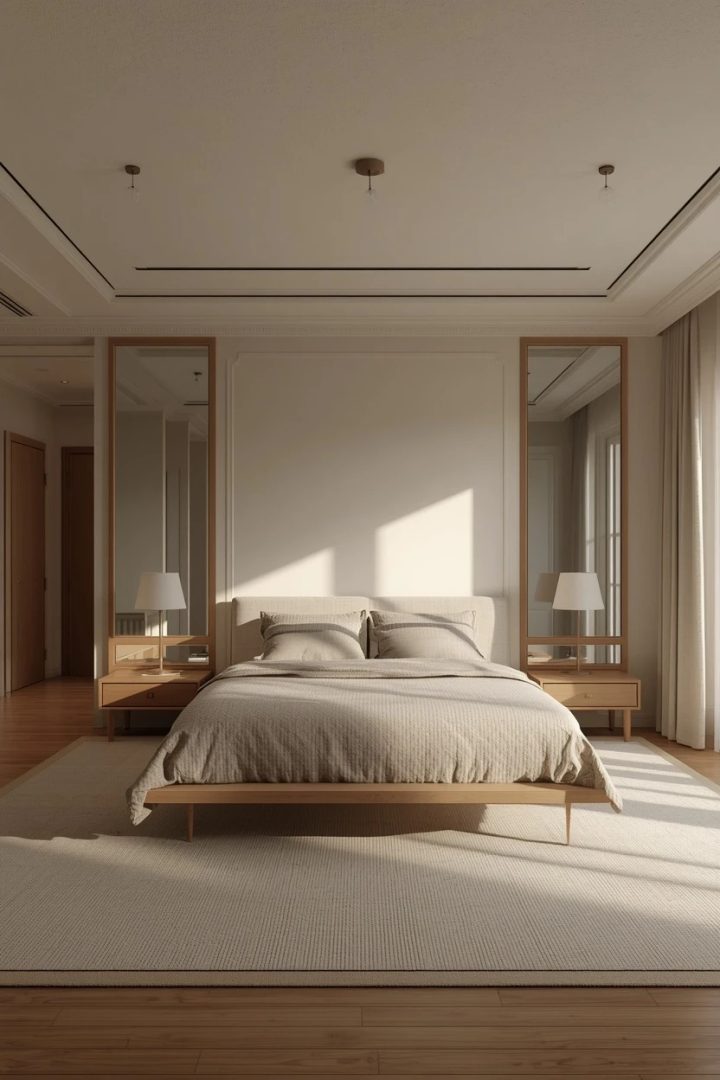
A long, narrow room needs a layout that breaks up the corridor feel, so placing the bed across the far end, zoning the length into areas, and using furniture to add width visually all help. Avoid lining everything along one wall, which exaggerates the narrowness. Cross-room placement balances the proportions. It suits awkwardly proportioned rooms, since a thoughtful layout can make a long, narrow bedroom feel far more balanced and roomlike than its proportions would suggest.
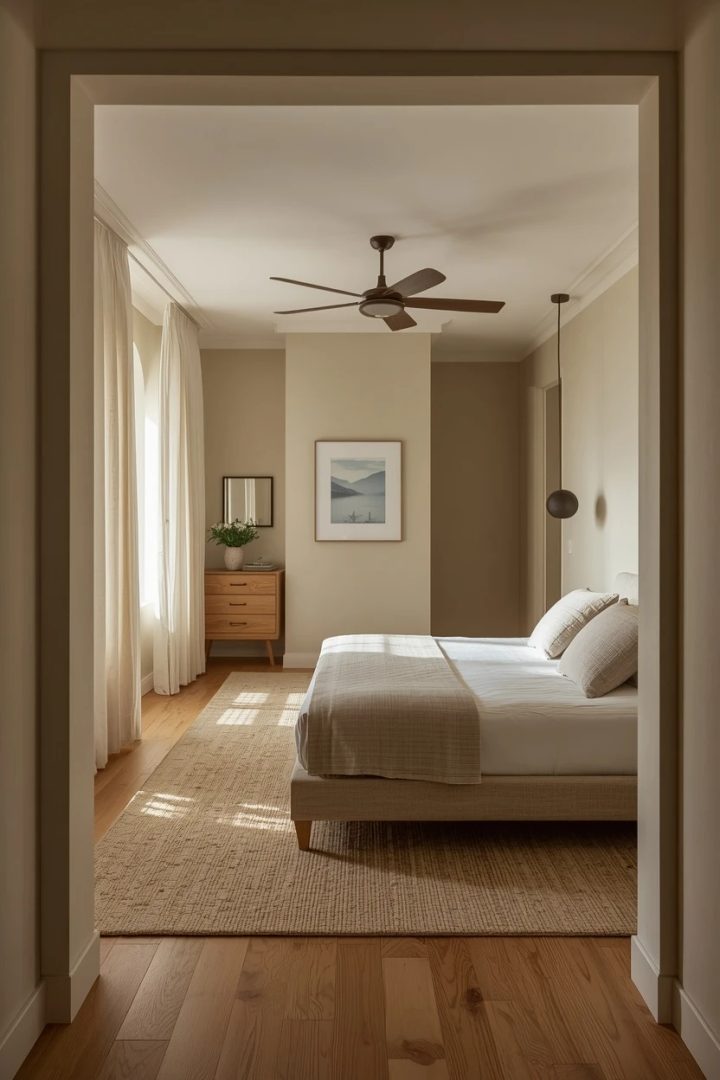
14. The Door-and-Traffic Layout
A good layout accounts for how doors swing and where traffic flows, keeping the entry path clear and avoiding placing furniture where a door or drawer cannot fully open. Map the door swings, closet access, and main routes first, then arrange the bed and furniture around them. Smooth movement is the goal. It suits every room and is a practical foundation, since a layout that ignores door swings and traffic flow feels awkward no matter how good it looks on paper.
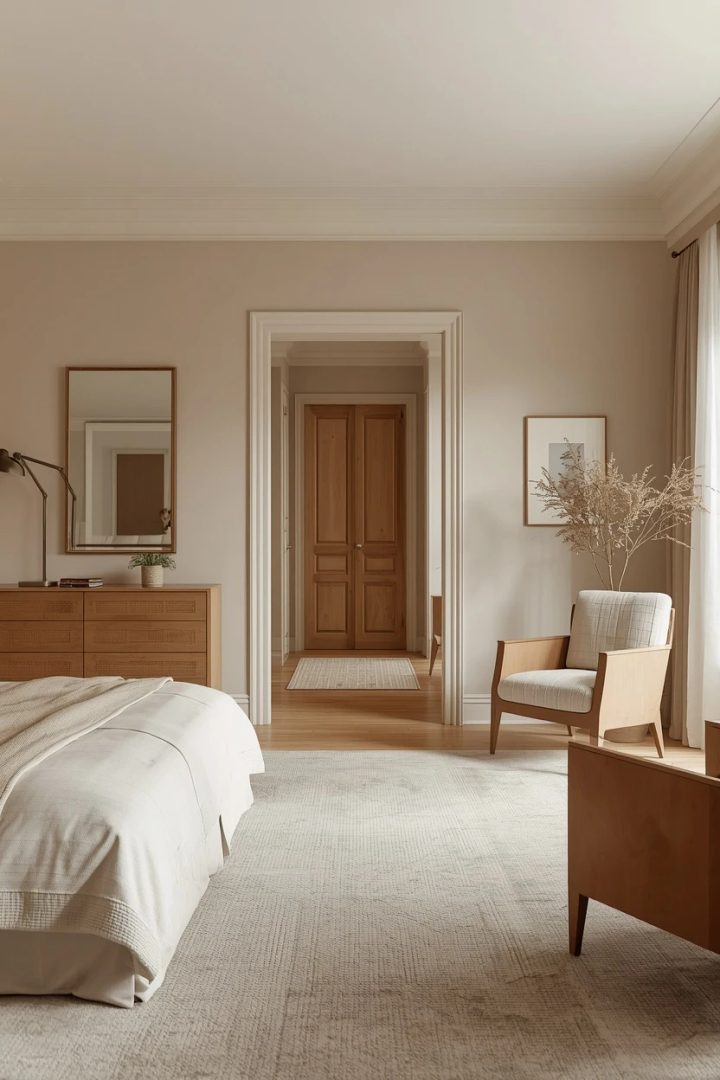
15. The Shared-Room Layout
A shared bedroom works best when the layout gives each person a defined zone — their own bed, light, and storage — within one cohesive room. Use twin beds, a bunk, or a divider to separate the zones, and balance the arrangement so it feels fair and harmonious. Personal territory matters. It suits siblings or roommates sharing a space, since a layout that clearly zones the room provides both the togetherness of a shared space and the privacy of a patch each person can call their own.
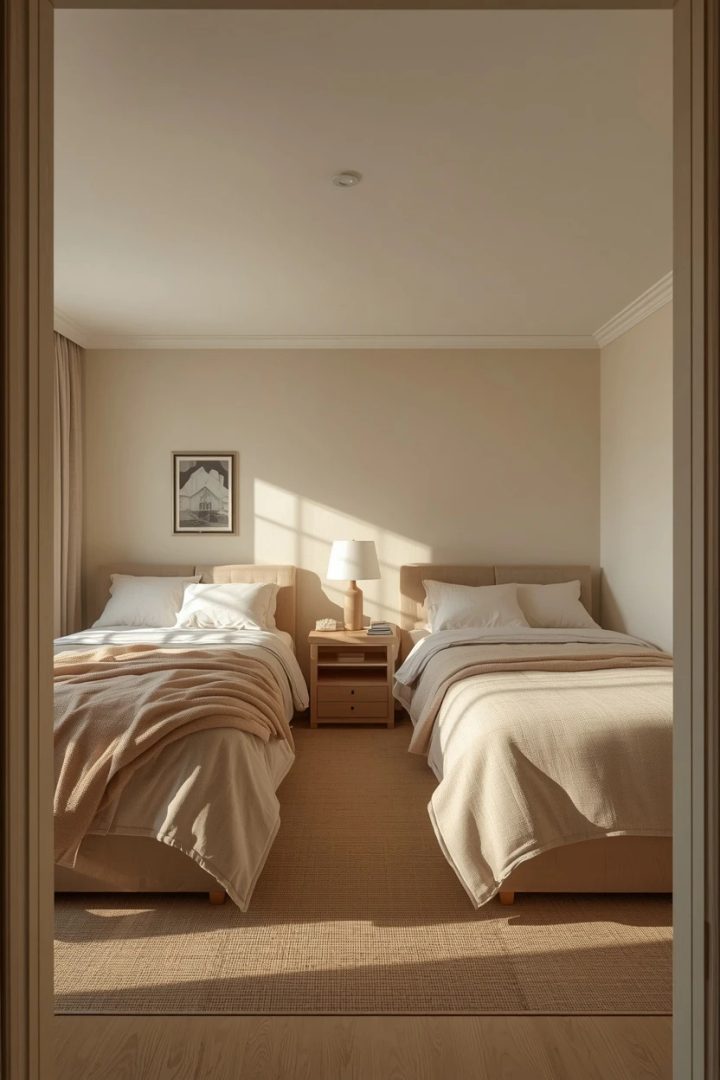
16. The Window-and-Light Layout
Arranging the layout to make the most of natural light — keeping windows unobstructed, placing the bed to enjoy the morning light or a view, and leaving tall furniture off the window wall — makes a room feel brighter and more open. Let the light lead the placement. The brightness lifts the whole room. It suits any room with good windows, since a layout that prioritizes and protects natural light feels healthier, more spacious, and more cheerful than one that blocks it with furniture.
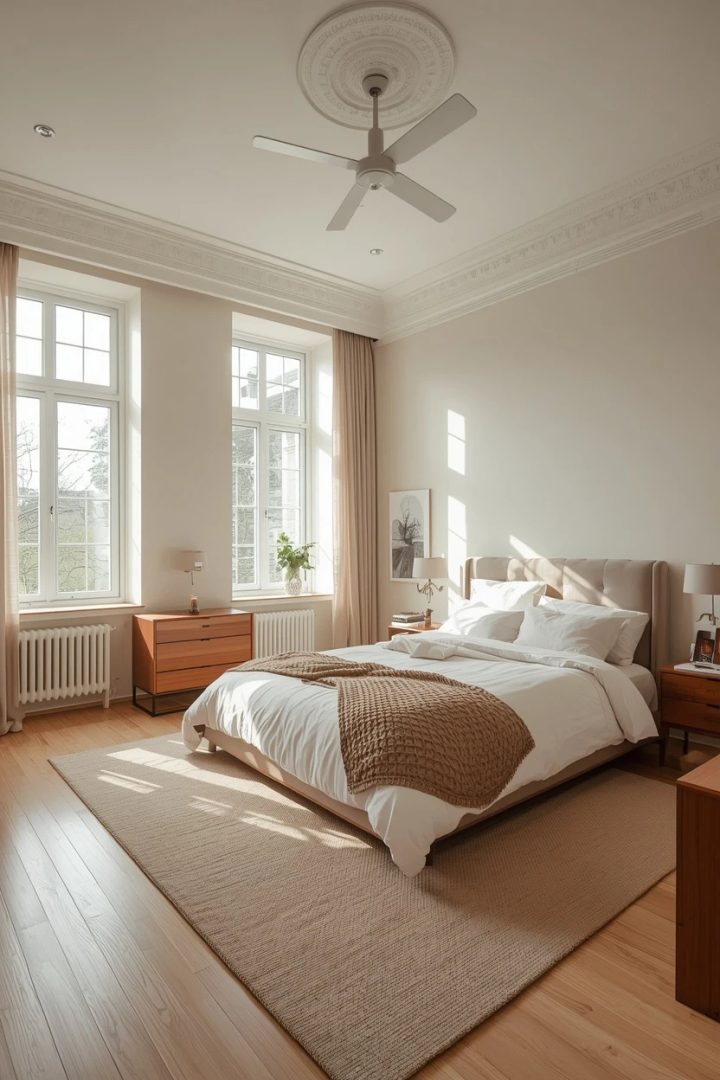
17. The Minimalist Layout
A minimalist layout keeps furniture to the essentials — a bed, one storage piece, and perhaps a chair — arranged with generous space around each, so the room feels open and calm. The discipline is leaving negative space rather than filling it, letting the few pieces breathe. The emptiness is restful. It suits anyone who finds clutter stressful, since a pared-back layout with plenty of clear floor makes a bedroom feel like a spacious, serene sanctuary regardless of its actual size.
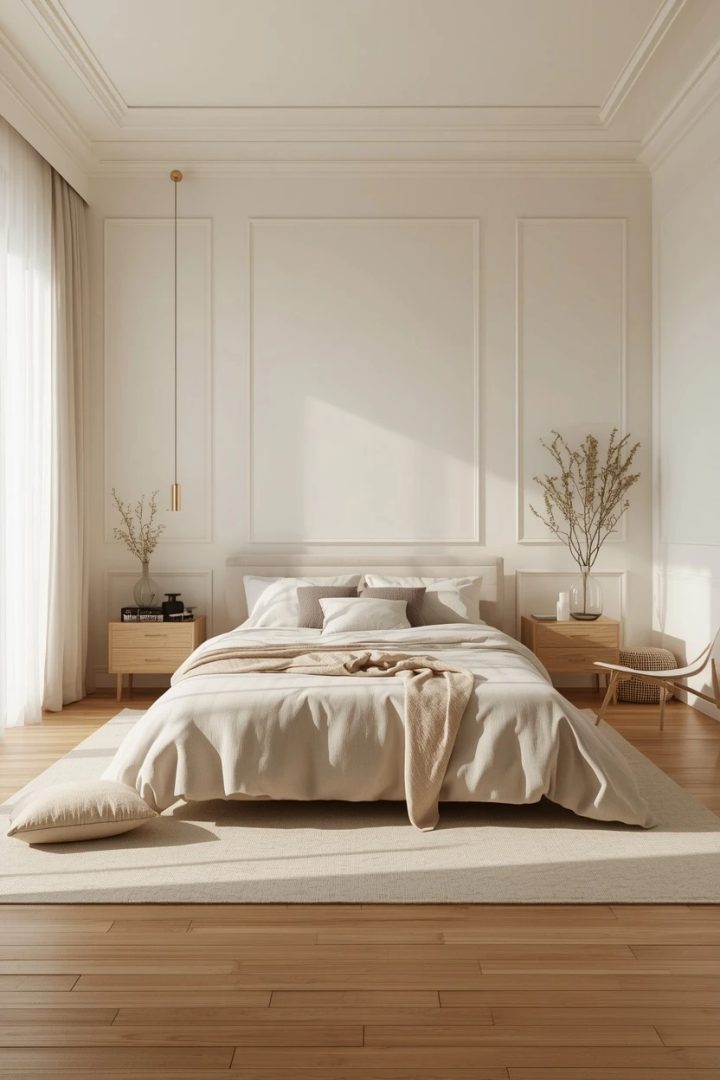
18. The Complete Bedroom Layout
Bringing the principles together, a well-planned bedroom layout centers the bed on a main wall, protects clear walking paths, balances the room with symmetry or considered placement, positions storage for easy access, and makes the most of light and the room's shape. Each decision supports the others: the bed anchors, the paths keep it flowing, the balance settles it, the storage keeps it calm. The discipline is planning circulation and proportion before decoration. The result is a layout that flows well, feels balanced, and makes the very most of the space you have.
Where I’d Start if I Only Did Three Things
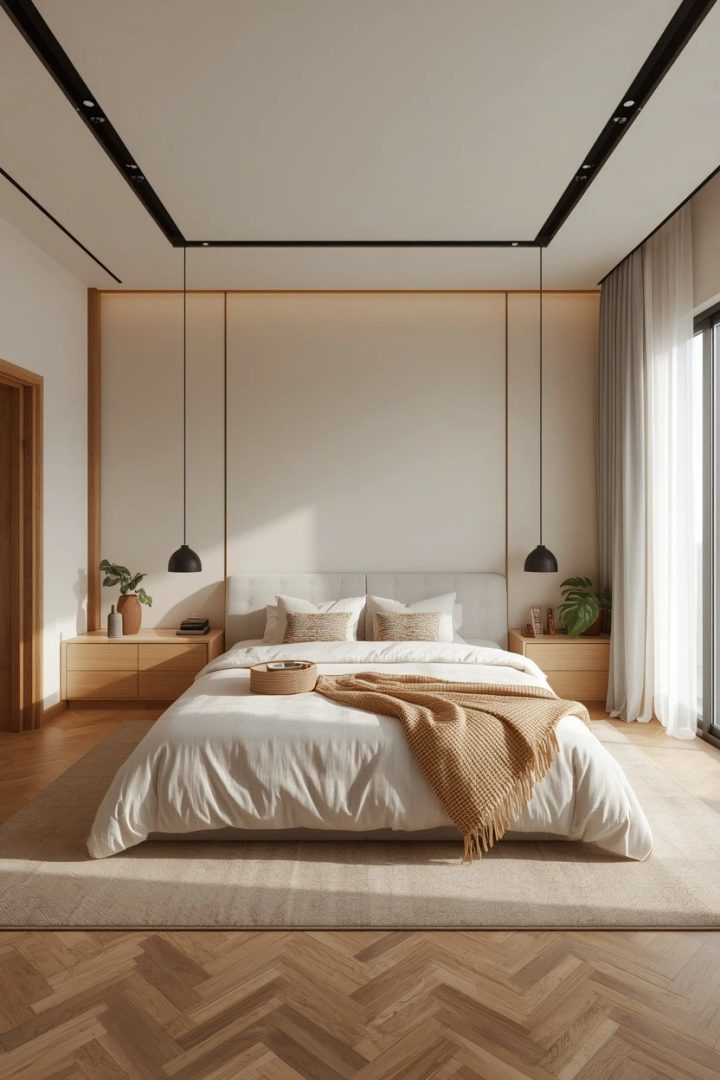
If I were planning a bedroom layout from scratch, I would start by placing the bed, centering it on the largest unbroken wall — ideally the one you see on entering — because the bed is the anchor and getting its position right settles the whole room. Next, I would map the walking paths, making sure there is clear circulation around the bed and an unobstructed route to the door, closet, and window, since flow is what makes a room comfortable to live in. Third, I would arrange the remaining furniture for balance and easy access to storage and light, keeping the floor as clear as the room allows. Place the bed well, protect the pathways, and balance the rest: that trio gives you a layout that flows beautifully and feels far bigger and calmer than a poorly arranged room of the same size.
FAQs
Where should the bed go in a bedroom layout?
As a rule, center the bed on the largest unbroken wall, ideally the one you see when you enter, with a nightstand on each side for symmetry and balanced circulation. This is the most reliable starting point and works in most regularly shaped rooms. In small or awkward spaces you may need to push the bed into a corner or under a window to free up floor and keep paths clear, which can look just as intentional. Wherever it goes, position the bed so you can get in and out easily, the room flows around it, and it anchors the space as the natural focal point.
How do I lay out a small bedroom to feel bigger?
Prioritize flow and clear floor over symmetry. Push the bed against a wall or into a corner to open up the room, choose slim multi-use furniture and a storage bed, and use wall-mounted lights and floating shelves to keep surfaces and floor clear. Keep walking paths unobstructed, avoid blocking the window, and place tall storage where it won't crowd the entry. A large mirror and good natural light add to the sense of space. In a small room, a workable, uncluttered layout that keeps the floor as open as possible will always feel bigger than a cramped but symmetrical one.
How do I arrange an awkwardly shaped bedroom?
Work with the room's quirks rather than against them. Tuck the bed under a sloped ceiling or into an alcove, fit storage into recesses, and angle furniture to suit the geometry where it helps. Map the door swings, traffic flow, and natural light first, then place the bed as the anchor and arrange everything else around clear pathways. In long, narrow rooms, place the bed across the far end and zone the length into areas to break the corridor feel. A layout tailored to the room's actual shape always feels more comfortable than one that fights it.
How do I lay out a bedroom that's also an office or gym?
Use zoning to give each function its own clear area within the one room. Place the bed in one zone and the desk, seating, or workout area in another, and define the boundary with a rug, a screen, a bookshelf, or simple furniture placement. Try to separate the rest zone from the work zone visually so the room still feels restful at night, and keep storage for each function within its area. Good zoning lets one room do several jobs while staying calm and purposeful, which matters most when you sleep and work in the same space.
Final Thoughts
A great bedroom layout does its work quietly — deciding how the room flows, how spacious it feels, and how restful it is to be in, all before you choose a single color or fabric. Whether you are working with a small box room, an awkward attic shape, a long narrow space, or a room that has to double as an office, the same principles apply: place the bed well as the anchor, protect clear walking paths, balance the room, and make the most of storage, light, and the room's real shape. Plan the circulation and proportion before the decoration, match the arrangement to the space you actually have, and you will have a bedroom that flows beautifully, feels balanced, and makes the very most of every square foot.