16 Painting Ideas for a Bathroom and Colour Palette Inspiration
July 12, 2026 · 12 min read
 By Khawar Iqbal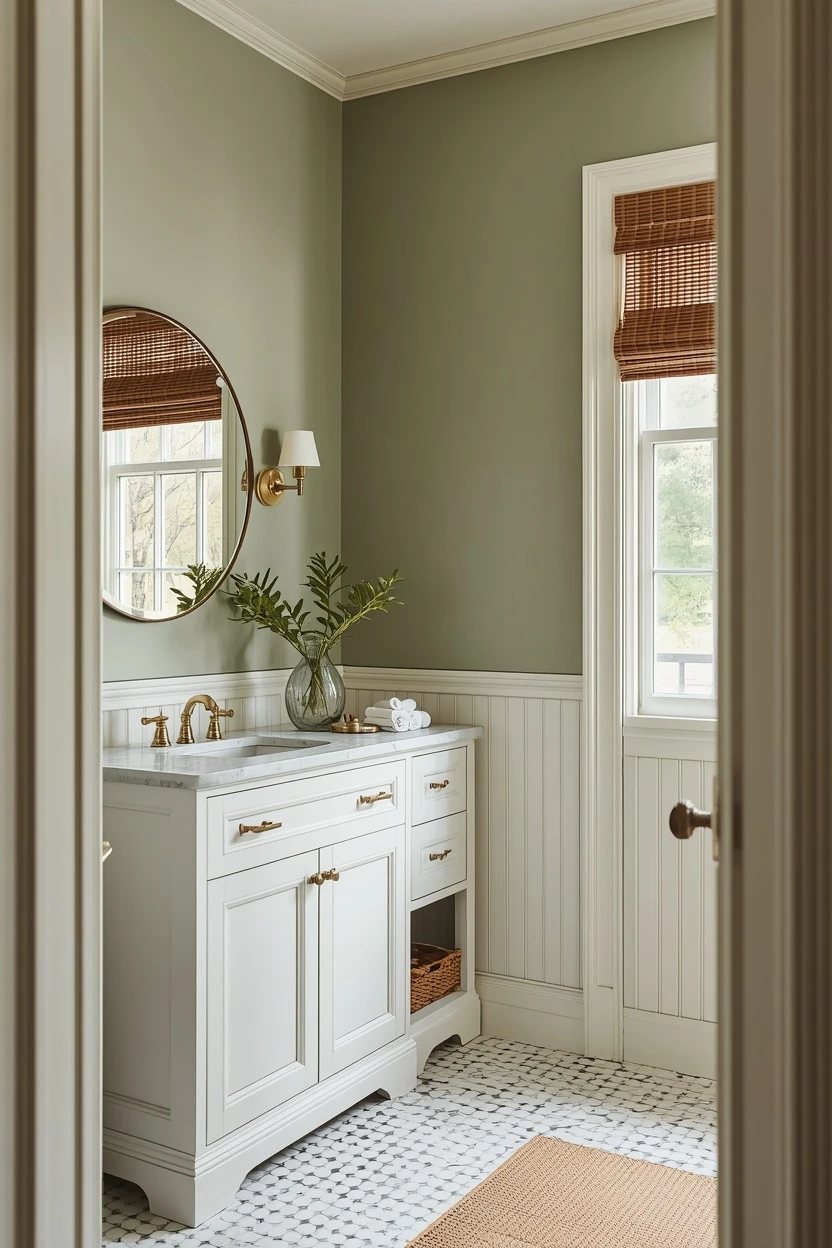
Paint is the most affordable and most transformative change you can make to a bathroom, resetting the entire mood of the room for the price of a tin. The best painting ideas for a bathroom start with the right colour and the right paint type, since a bathroom's damp, steamy environment demands a moisture-resistant finish that ordinary emulsion cannot provide. Get both right and a plain, tired bathroom becomes a calm, characterful retreat.
Each idea below pairs a colour direction with practical bathroom colour palette ideas and honest notes on pairing, sheen, and where each shade works best. Whether you want serene and spa-like, bold and dramatic, or warm and welcoming, there is a painting direction here to suit your room, its light, and your taste — and every one costs a fraction of a full renovation.
1. Crisp White for a Clean, Bright Bathroom
White is the default bathroom colour for good reason: it reads clean, bright, and timeless, and it bounces the limited light of a windowless or small bathroom around beautifully. The trick is choosing the right white, since a cool blue-white can read clinical and cold.
A warm white with a cream or soft grey undertone reads fresh without tipping into hospital territory.
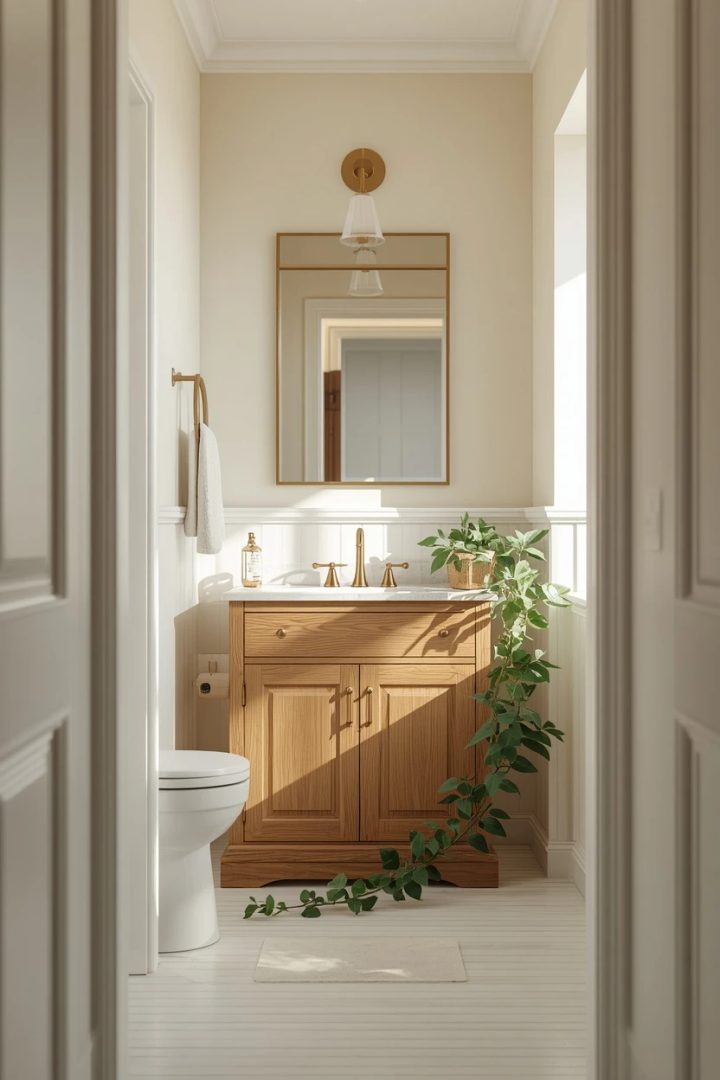
Pair crisp white walls with warm timber, brass fittings, and a few plants to stop the room reading sterile, and use a moisture-resistant bathroom paint in a soft sheen that wipes clean and resists the damp.
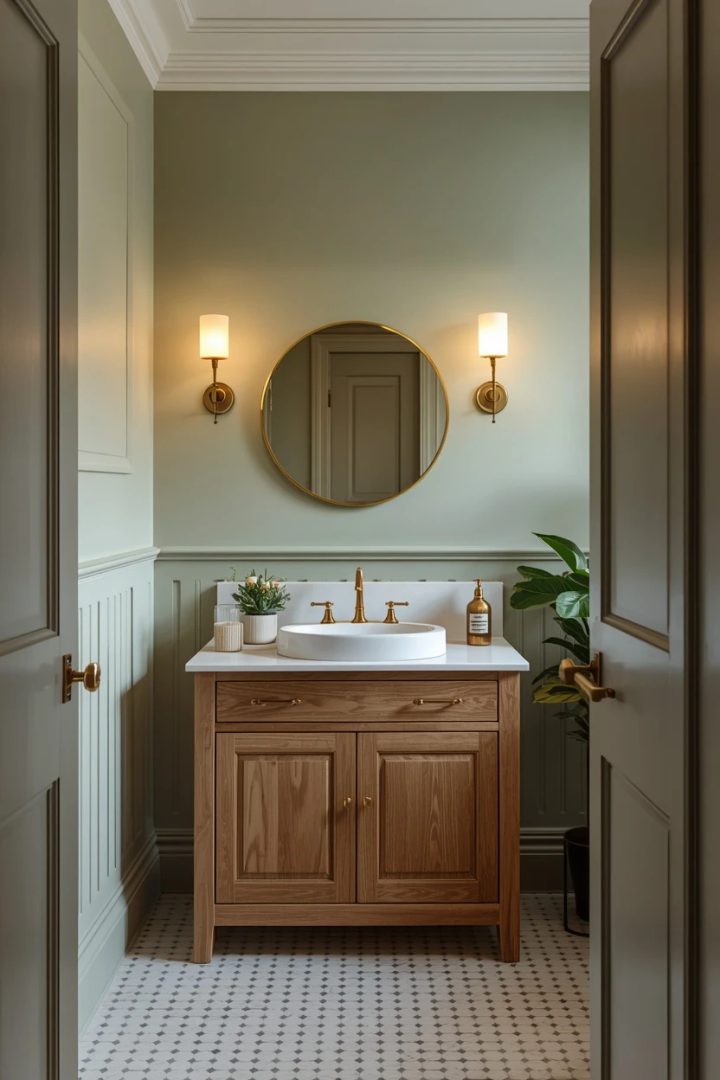
2. Soft Sage Green
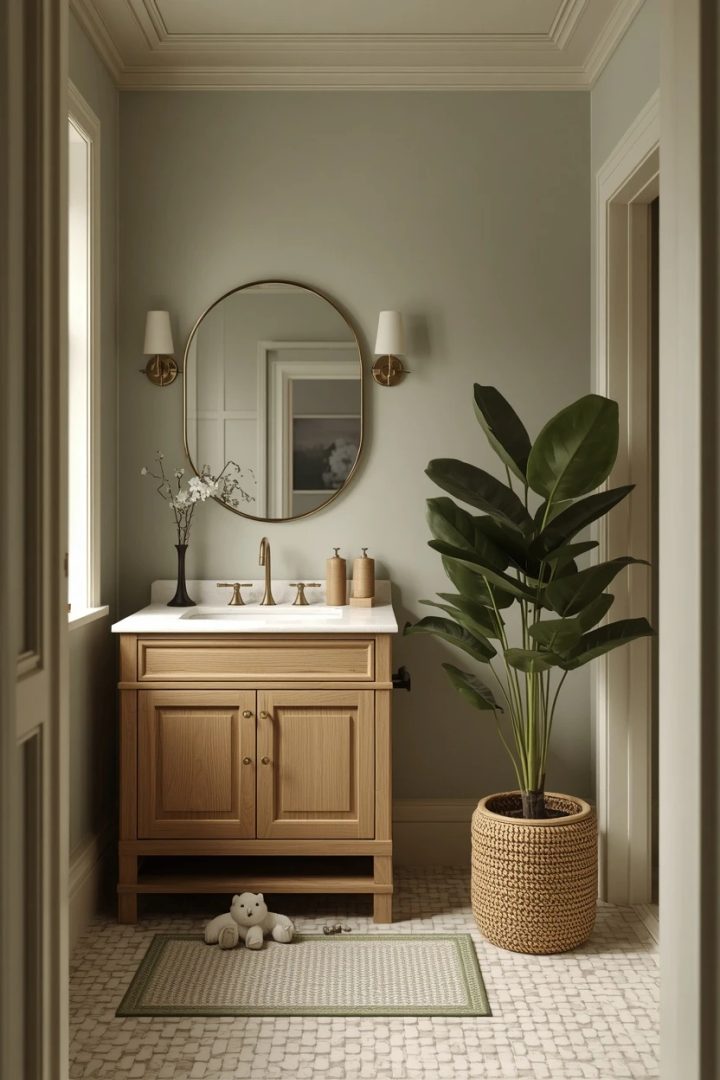
Soft sage green is one of the most popular bathroom colours of recent years, and for good reason: it reads calm, botanical, and current without being bold or divisive. Sage sits beautifully against warm white trim, natural oak, and brass, and it works in almost any light, reading fresh in the morning and soft in the evening. It is gentle enough for a whole room yet characterful enough to feel deliberate. Pair it with plants and natural textures to lean into the botanical quality, and choose a chalky matte-sheen bathroom paint so the colour reads soft and enveloping rather than flat or shiny.
3. Moody Navy Blue
For a bathroom with drama and depth, a moody navy blue creates a rich, enveloping, sophisticated space that reads far more expensive than the paint costs. Navy makes white sanitaryware, brass fittings, and warm timber glow against it, and it hides the odd scuff and splash better than a pale colour. It works best in a room with at least some natural light, or in a small cloakroom where the enclosed, jewel-box quality is exactly what you want.
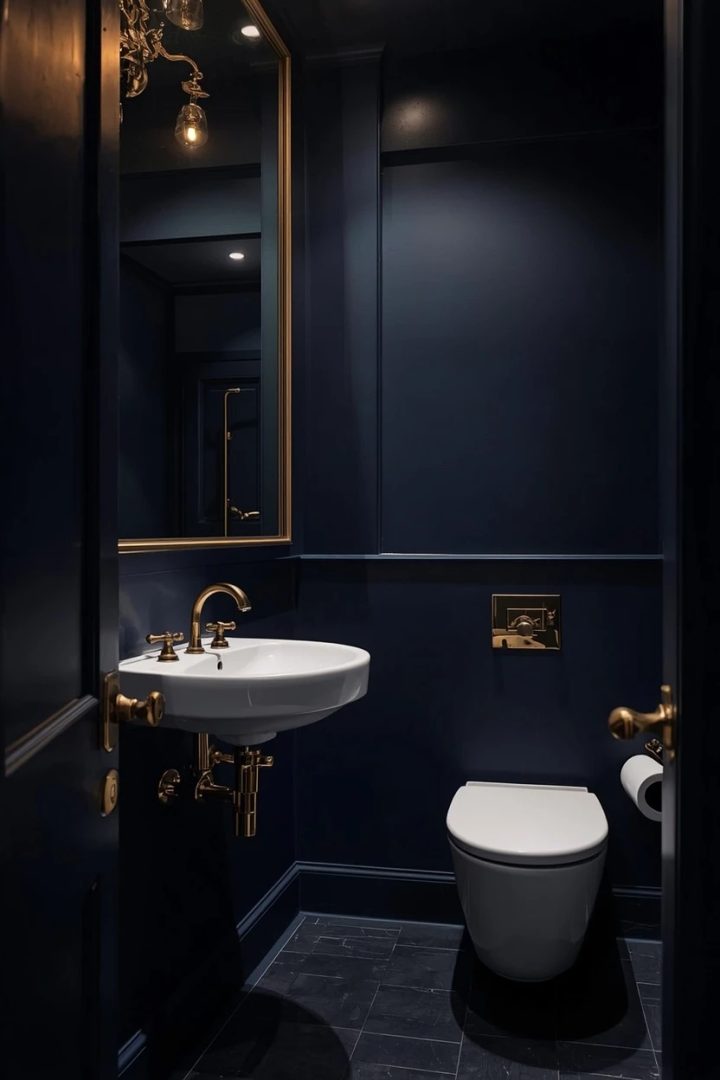
Pair navy with warm brass rather than chrome, add a large mirror to bounce light around, and the room reads bold and considered.
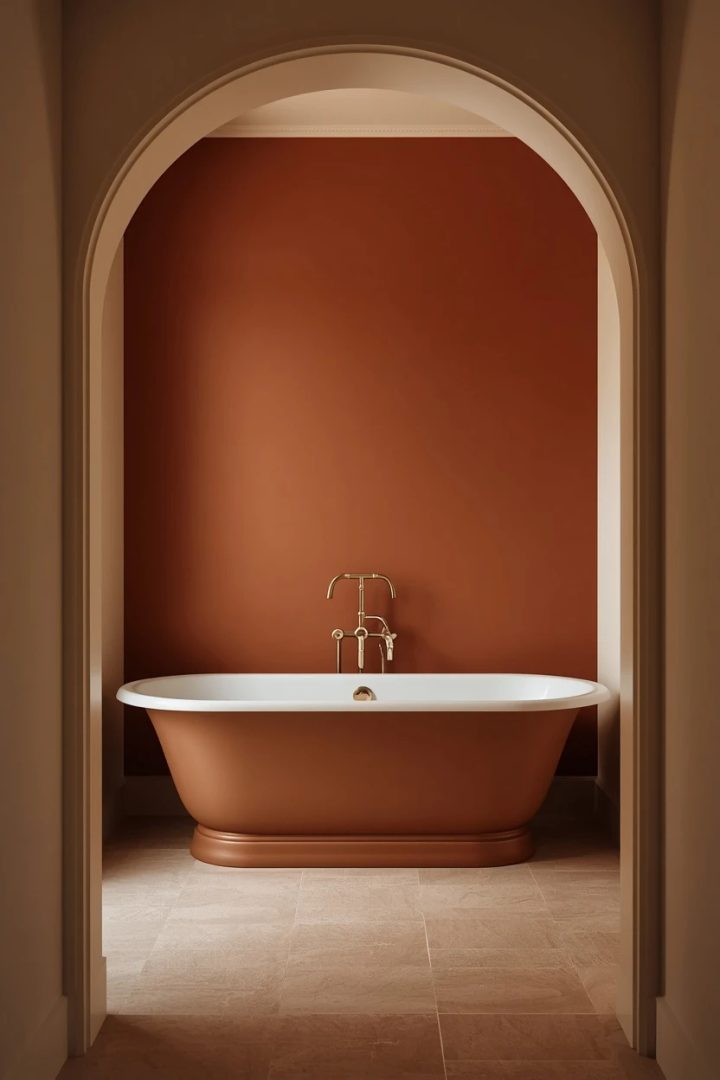
4. Warm Terracotta and Clay
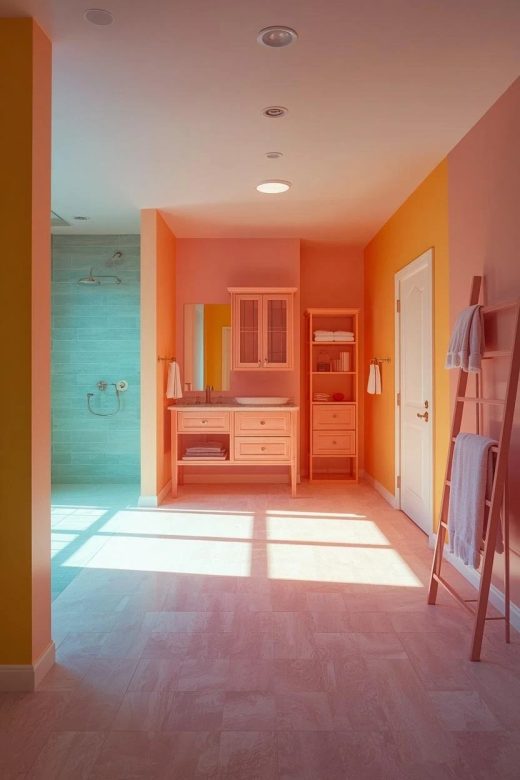
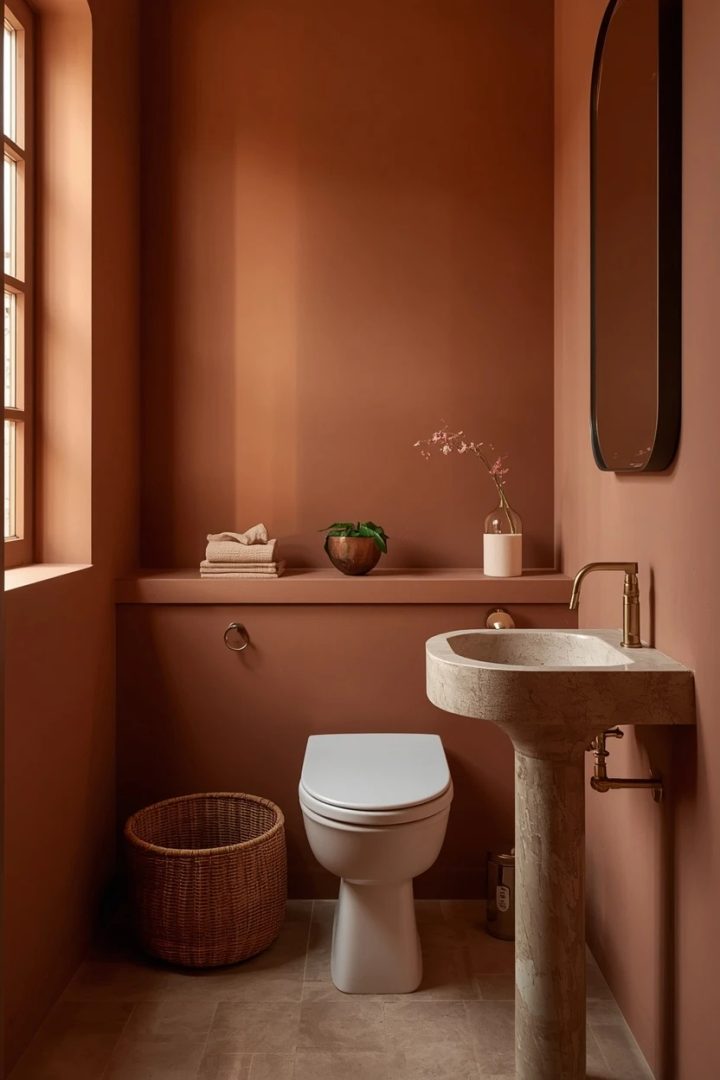
Warm terracotta, clay, and burnt-earth tones bring a cocooning, sun-warmed quality to a bathroom that cooler colours simply cannot, reading warm and grounding and quietly current. These earthy tones suit a bathroom with warm light and pair beautifully with cream sanitaryware, natural stone, warm timber, and brass. A soft clay reads gentle enough for a whole room, while a deeper terracotta suits a feature wall or a smaller cloakroom.
The warmth of these tones makes a north-facing or cool room read cosier, and they photograph beautifully in warm evening light, glowing rather than receding.
5. Pale Blush Pink
A pale, muted blush pink — more of a warm off-white with a pink undertone than a sweet candy pink — reads soft, warm, and surprisingly sophisticated in a bathroom, flattering to the light and to the skin in the mirror. Blush pairs beautifully with warm brass, terracotta, and natural timber, and it reads far more grown-up than its name suggests when the tone is kept muted and dusty.
It works especially well in a room with warm light and suits both modern and period bathrooms.
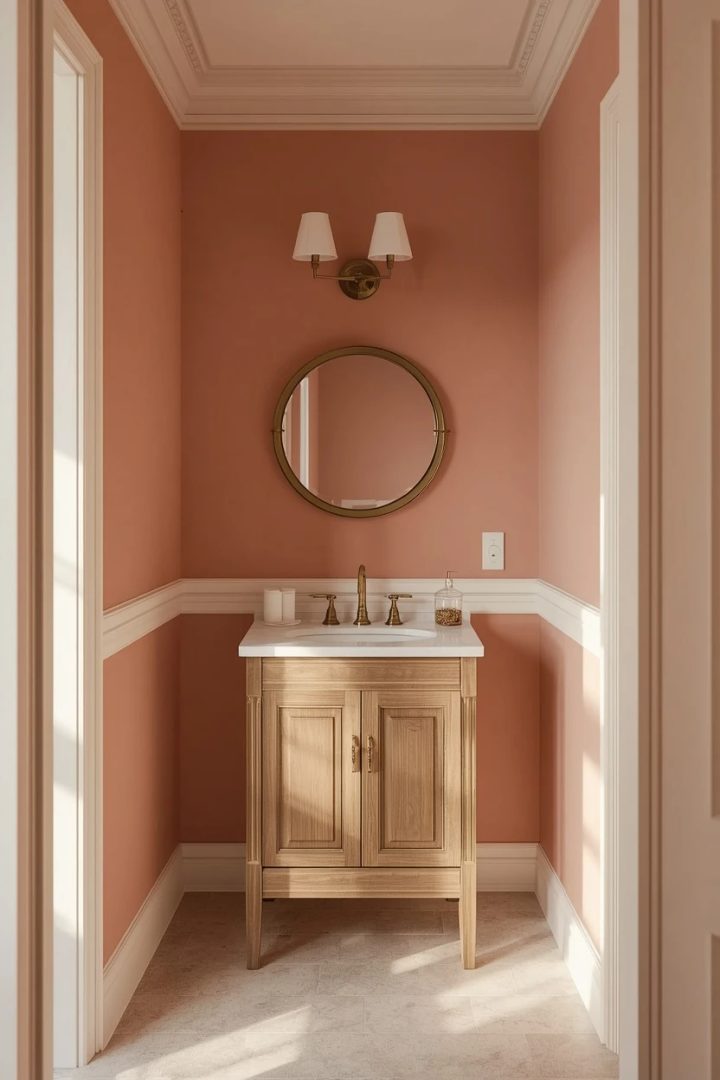
Keep the trim and sanitaryware crisp white so the blush reads clean rather than saccharine.
6. Classic Black and White Palette
Among the most enduring bathroom colour palette ideas, black and white reads crisp, graphic, and genuinely timeless. The scheme works through contrast: white walls with black fittings, taps, and a black-framed shower screen, or a black feature wall or vanity against white tile. The high contrast reads clean and modern, and it never dates.
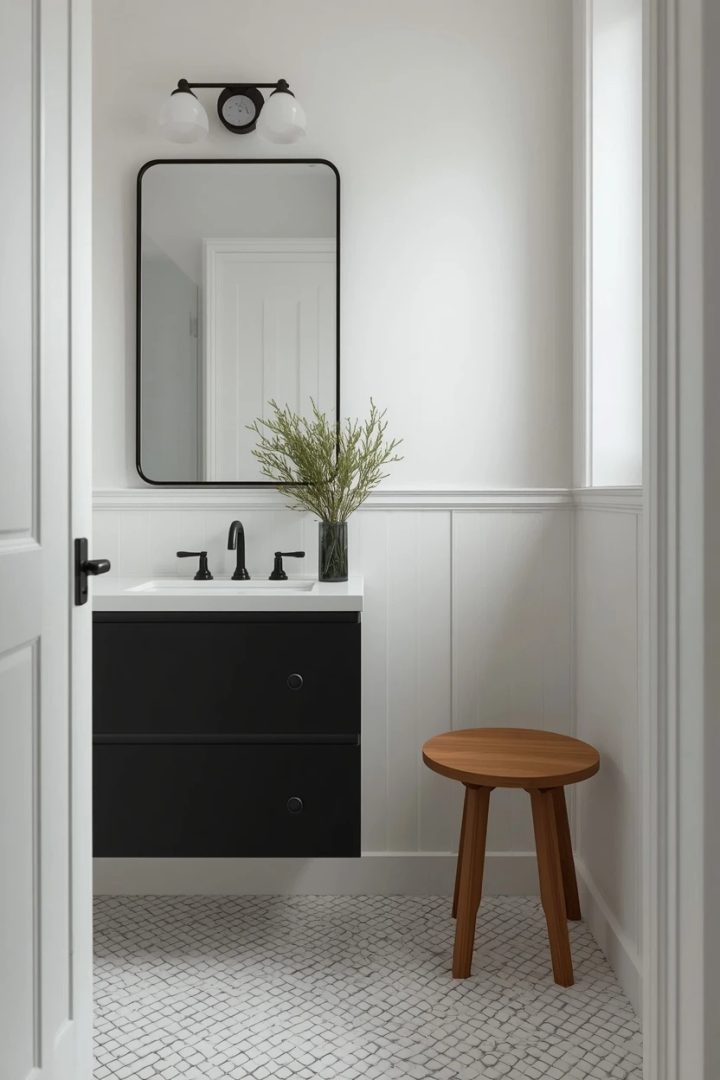
Warm the graphic quality with natural timber, a plant, and warm brass so the black and white does not read cold and clinical. This palette suits a bathroom of any size and any era, and it photographs beautifully.
7. Warm Greige Neutral
Greige — the warm grey-beige blend — is one of the most versatile and forgiving of all bathroom colours, reading calm, warm, and sophisticated while going with almost any tile, fitting, or accent you already have. It reads warmer than grey and more contemporary than beige, and it makes an excellent backdrop for both brass and black hardware. Choose a greige with a clearly warm undertone rather than one that tips cool and mauve in evening light. Pair it with warm timber and one accent colour — a sage towel, a terracotta plant pot — and the neutral scheme reads considered rather than plain.
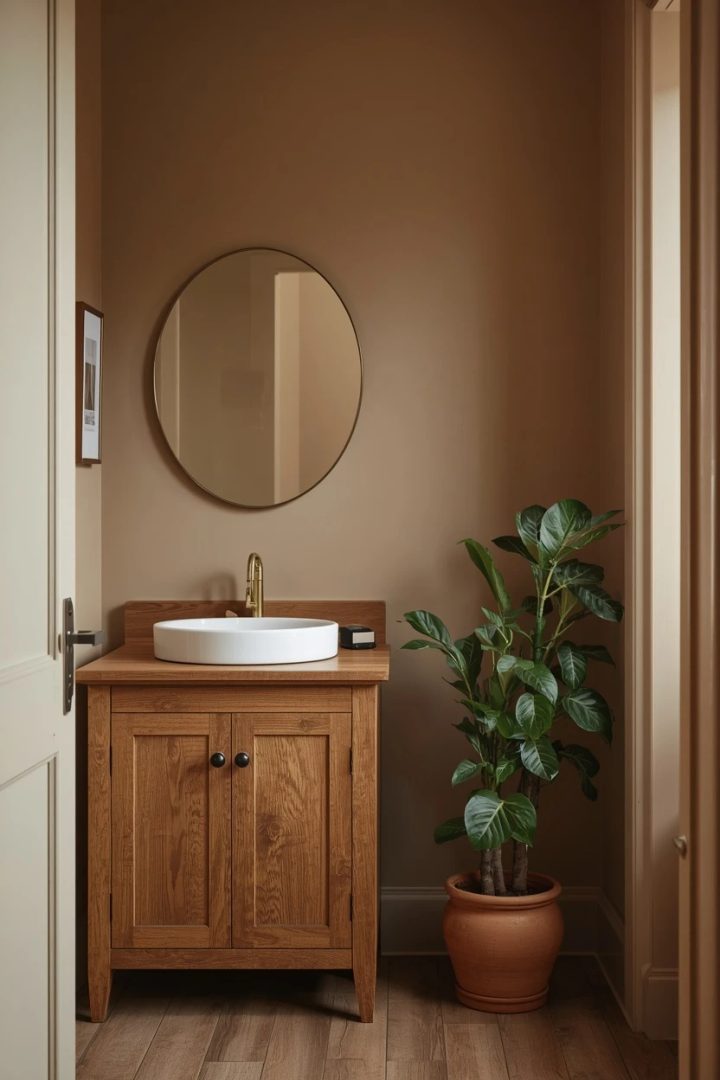
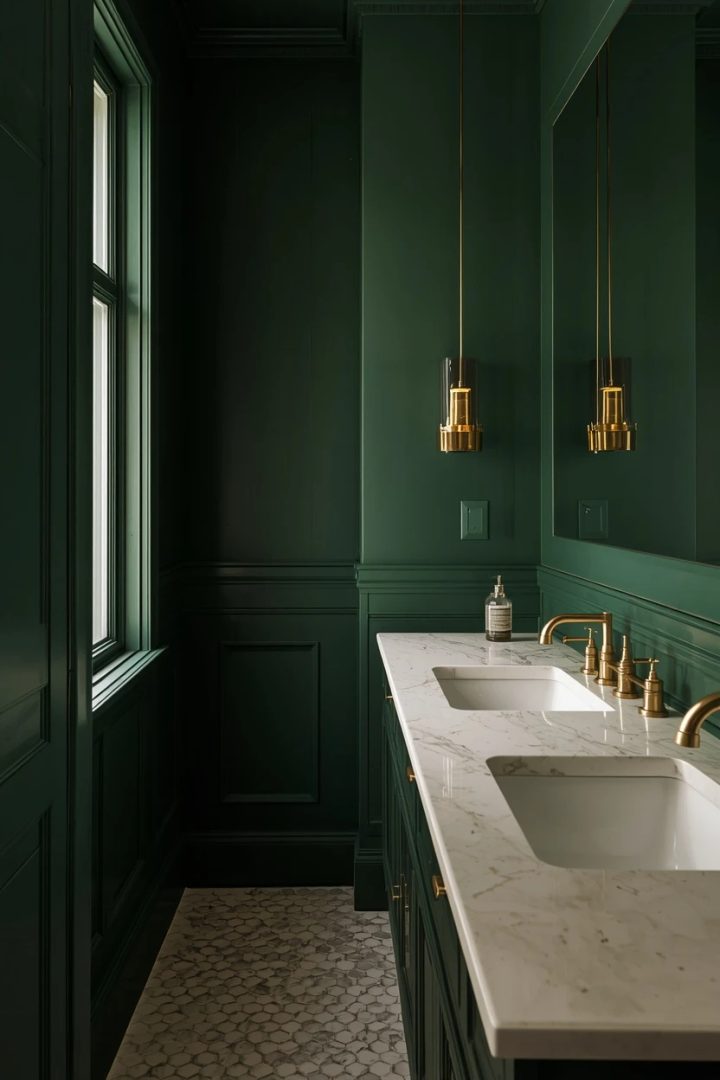
8. Deep Forest Green
A deep forest or olive green creates a rich, natural, enveloping bathroom that reads both bold and grounding, the depth of the colour making brass fittings and white sanitaryware glow against it. Forest green suits a bathroom with warm light and pairs beautifully with timber, brass, and marble. Like any dark colour it reads best with a large mirror to bounce light around and warm lighting to bring out the depth.
A full forest-green room reads dramatic and spa-like, while a forest-green vanity or feature wall against pale walls delivers the colour in a more restrained dose.
9. Two-Tone Painted Walls
Painting the lower half of the walls in a deeper colour and the upper half in a lighter one — divided by a dado rail or a clean painted line — is a classic decorating move that adds structure and interest to a bathroom without committing the whole room to a bold colour. The darker lower section grounds the room and hides scuffs where they happen most, while the lighter upper half keeps the room feeling bright and open.
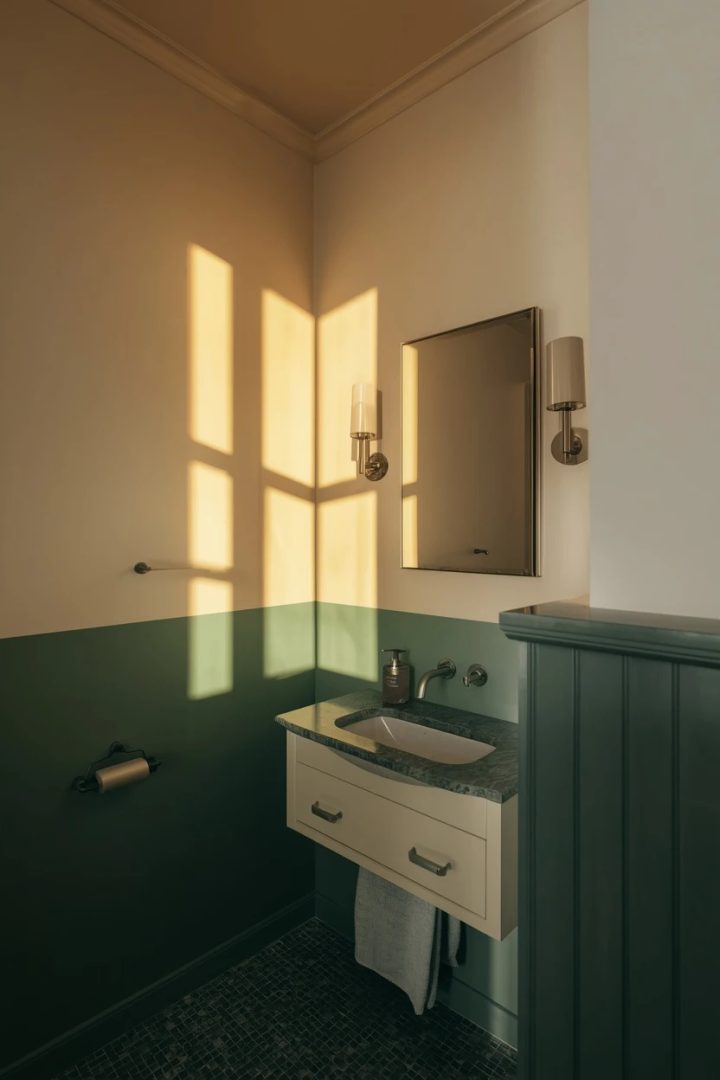
Choose two tones from the same family for a subtle effect, or a bolder contrast for a more graphic look, and complete the dividing line neatly with a rail or crisp masking.
10. Soft Coastal Blue
A soft, warm coastal blue — cornflower, sky, or a gentle teal — brings a fresh, breezy, calming quality to a bathroom that suits the space naturally, since blue and water are a timeless pairing. Choose a blue with a warm undertone rather than a cold one, so it reads like sea and sky rather than a chilly utility room.
Coastal blue pairs beautifully with crisp white, natural rattan, and warm timber, and it reads especially well in a bathroom with good natural light.
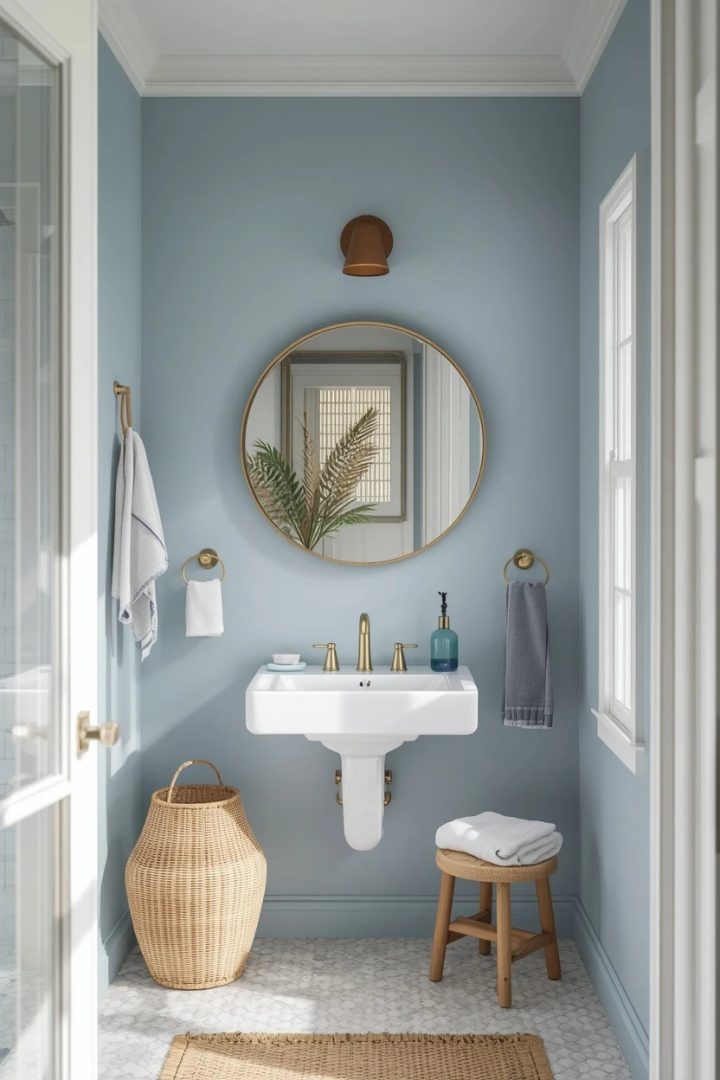
Add woven textures and a few plants to lean into the relaxed coastal quality and keep the trim crisp white.
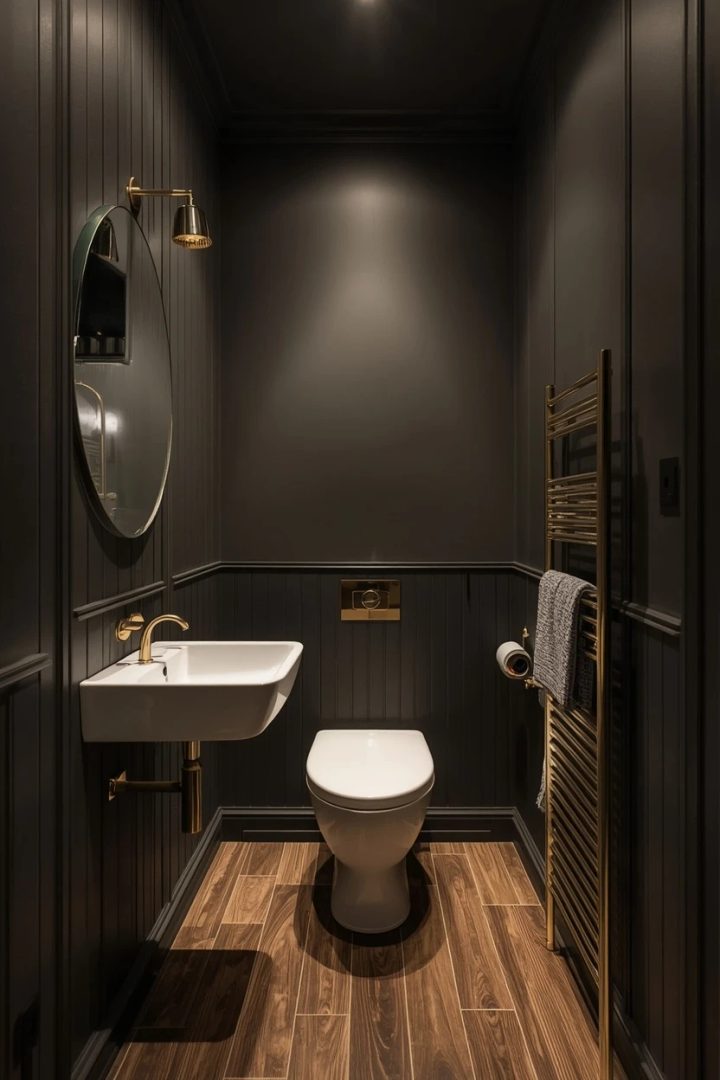
11. Charcoal for Dramatic Depth
Charcoal — a soft, deep near-black grey — creates a moody, sophisticated bathroom with all the drama of black but slightly more softness and warmth. It reads intimate and enveloping and hides everyday marks and splashes beautifully. Charcoal suits a small cloakroom particularly well, where the enclosing depth reads deliberate rather than gloomy, and it makes brass, timber, and white sanitaryware glow against it. As with any dark colour, layer warm lighting generously and add a large mirror to keep the room from reading like a cave, and the charcoal scheme reads genuinely luxurious.
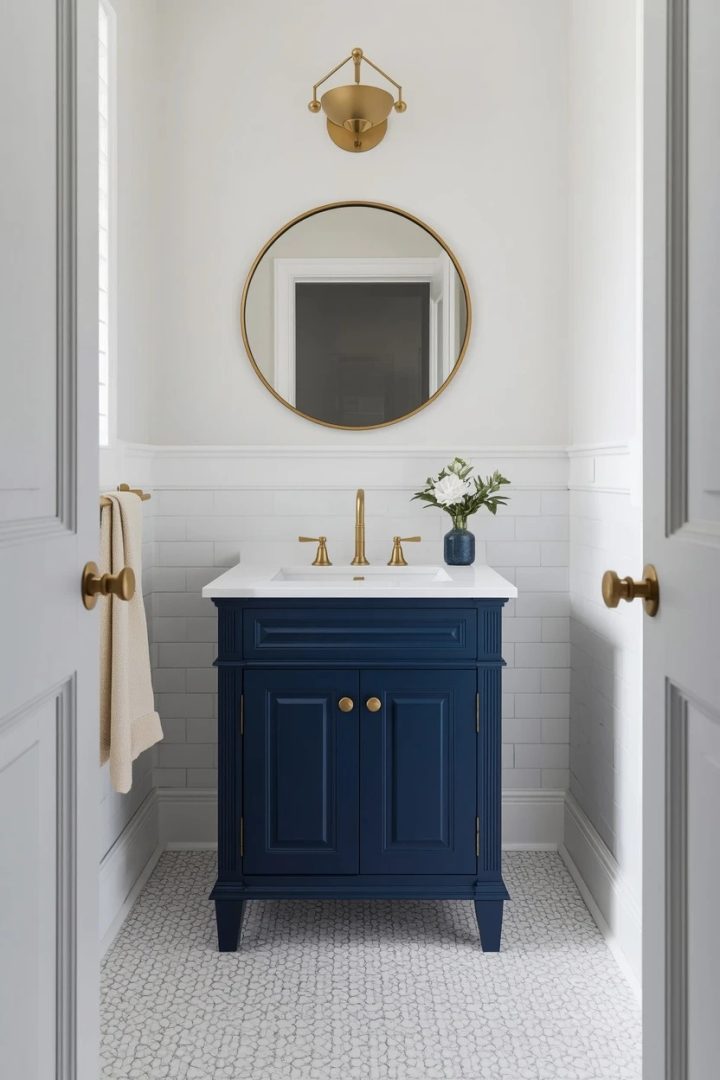
12. A Painted Vanity Accent
You do not have to paint the walls to add colour — painting just the vanity in a bold or characterful shade delivers a strong accent while keeping the rest of the room light and calm. A deep green, navy, or terracotta vanity against white walls and tile reads deliberate and current, and repainting an existing solid-wood or MDF vanity is far cheaper than replacing it. The essential step is preparation: degrease, sand, and prime the vanity, and use a hardwearing cabinet or furniture paint, or the paint will chip and peel in the bathroom damp within months.
Done properly, a painted vanity is a high-impact, low-cost accent.
13. Warm Cream and Beige
Warm cream and soft beige create a gentle, welcoming, and endlessly liveable bathroom that reads calm without the coolness of grey or the starkness of white. These warm neutrals flatter the light and the skin, pair with almost any fitting or tile, and create a soft envelope that suits both period and modern bathrooms.
Cream reads richer and warmer than white and makes an excellent backdrop for brass, warm timber, and natural stone.
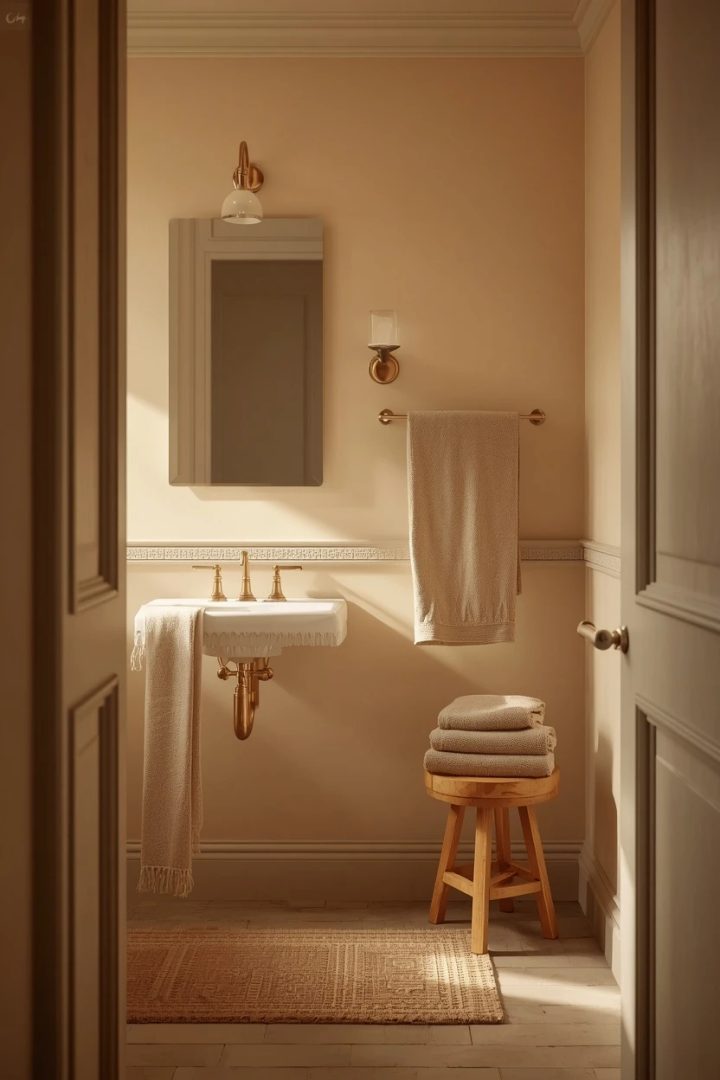
Layer several warm neutral tones — cream walls, a beige towel, a sand-toned basket — so the scheme reads warm and dimensional rather than flat, and keep the whole palette in the warm family.
14. A Bold Feature Wall Colour
If a whole room of colour feels like too much of a commitment, painting a single feature wall — the wall behind the bath, the vanity, or the toilet — in a bold shade delivers a hit of colour while keeping the room light and easy to live with. A deep green, a terracotta, or a moody navy on one wall draws the eye and adds character, and because it is one wall, it is quick and cheap to repaint if you tire of it. Choose the wall with the strongest architectural feature or the one the eye lands on first, and keep the surrounding walls in a coordinating neutral.
15. A Spa-Like Muted Palette
For a genuinely restful, spa-like bathroom, a muted palette of soft, greyed, nature-derived tones — a dusty sage, a warm greige, a muted stone blue — creates a calm envelope that reads serene rather than bold. The key to a spa palette is muting and warmth: choose colours that are softened and slightly greyed rather than clear and saturated, so the room reads quiet and enveloping. Keep the whole scheme tonal, layer in natural materials like timber, stone, and linen, and add plants and warm lighting.
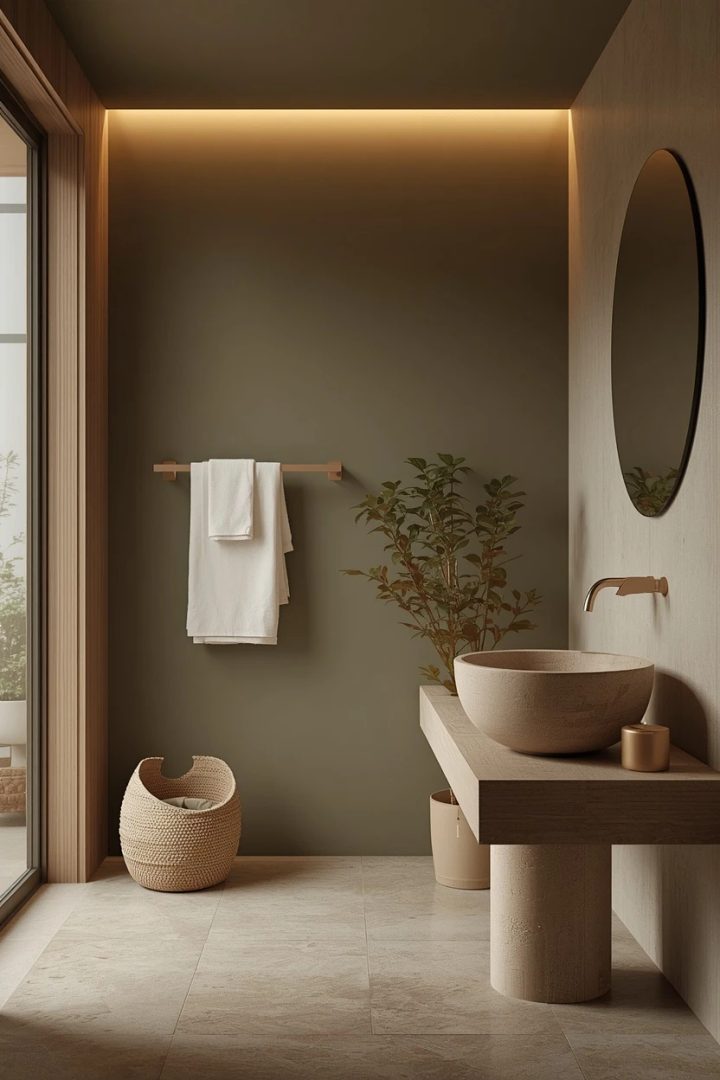
The result is a bathroom that reads like a retreat, calm and cohesive and deeply restful.
16. The Complete Bathroom Colour Scheme
Brought together, the best results start with the right paint — a proper moisture-resistant bathroom paint that resists steam and wipes clean — and the right colour for the room's light and size. Cool, cramped, or north-facing rooms benefit from warm tones that add cosiness; bright rooms can carry cooler or bolder colours; and small rooms often read best in a single enveloping colour or a light, bright neutral. Test large samples in the actual room at different times of day before committing, since bathroom light is often artificial and changes the colour dramatically.
Choose the shade thoughtfully and paint it properly, and colour transforms a bathroom for a fraction of any other change.
Where I'd Start if I Only Did Three Things
If I only did three things when painting a bathroom, I'd start with the paint itself — choosing a proper moisture-resistant bathroom paint rather than standard emulsion, because ordinary paint peels and grows mould in the damp within a year. Next, I'd test large samples of my chosen colour on the actual walls and look at them in morning, afternoon, and artificial evening light, since bathroom lighting changes colours dramatically and a swatch in the shop tells you very little. Third, I'd keep the trim and ceiling crisp so the wall colour reads clean. The right paint, tested colour, and crisp trim make the difference between a bathroom you love and one you repaint.
Frequently Asked Questions
What are the best painting ideas for bathroom walls?
The best painting ideas for bathroom walls pair the right colour with the right kind of paint. Soft sage green, warm greige, and muted spa neutrals read calm and versatile; navy, forest green, and charcoal read bold and dramatic; terracotta, blush, and warm cream read cosy and welcoming. Whichever colour you choose, use a moisture-resistant bathroom paint that resists steam and wipes clean, since standard emulsion peels and grows mould in the damp. For a lower-commitment option, paint just a feature wall or the vanity. Always test large samples in the actual room light before committing, since bathroom lighting changes colours dramatically.
What colour palette works best in a bathroom?
The best bathroom colour palette ideas depend on the room's light and size, but warm-toned schemes are the most forgiving. Warm neutrals — greige, cream, warm white — read calm and go with anything. Soft sage, muted blue, and spa neutrals read serene. For drama, navy, forest green, and charcoal read rich and sophisticated. Cool, north-facing, or small rooms benefit from warm tones that add cosiness, while bright rooms can carry cooler or bolder colours. Whatever palette you choose, keep the undertones consistent and warm, layer in natural materials and one accent, and test the colours in the actual room light before committing.
What kind of paint should you use in a bathroom?
A bathroom needs a specialist moisture-resistant or mould-resistant paint formulated for high-humidity rooms, not standard matt emulsion, which absorbs moisture, peels, and grows mould in the damp. Bathroom-specific paints come in a soft sheen or satin finish that wipes clean and repels water while still reading soft on the wall. For woodwork, cabinets, and trim, use a durable eggshell or a dedicated cabinet paint, and prep thoroughly — degrease, sand, and prime — since bathroom damp punishes poor preparation. Adequate ventilation matters too: even the best paint struggles in a poorly ventilated bathroom, so a good extractor fan protects your paintwork as much as your walls.
Can you paint a small bathroom a dark colour?
Yes — and a small bathroom or cloakroom is often the ideal place for a dark, dramatic colour. Rather than making a small room feel smaller, a deep navy, forest green, or charcoal can create an intimate, jewel-box quality that reads deliberate and sophisticated. The keys are light and reflection: layer warm lighting generously, add a large mirror to bounce light around, and use brass or timber accents to warm the dark colour. A dark small bathroom reads cosy and enveloping rather than gloomy when it is well lit. If you prefer to keep a small room bright, a light warm neutral or a single dark feature wall are good alternatives.
Final Thoughts
Paint is the most affordable transformation available to any bathroom, and these bathroom painting ideas span the full range from calm sage and warm neutrals to bold navy, forest green, and charcoal. The two decisions that matter most are the colour — chosen for your room's light and tested in the actual space — and the paint itself, which must be a proper moisture-resistant bathroom formula to survive the damp. Whether you commit to a whole colour, a two-tone wall, a painted vanity, or a single feature wall, the right paint and palette reset the entire mood of the room for a fraction of the cost of anything else.