18 Living Room Makeover Ideas That Transform Any Space on Any Budget
June 29, 2026 · 15 min read
 By Khawar Iqbal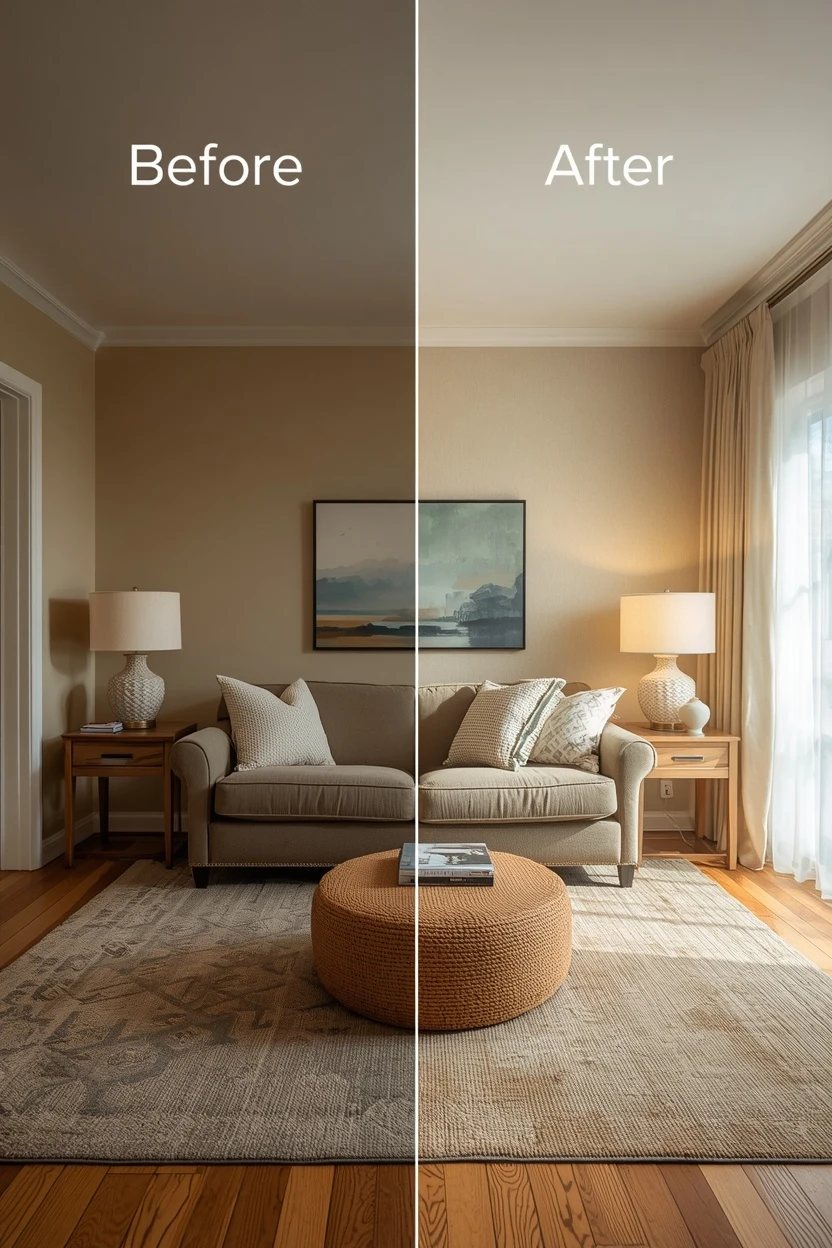
A living room makeover doesn't require a building crew, a skip outside the front door, or a six-figure budget.
It requires understanding which changes make the biggest visual difference — and which ones look impressive in a showroom but don't translate to your specific room.
These 18 living room reno ideas are organised by the size of their visual impact relative to their cost and effort — from the weekend upgrade that transforms the room for under £100 to the full remodeling project that requires professional trades. Every idea includes what to do, what it costs, and specifically why it makes the difference it does.
Idea 1: The £100 Weekend Makeover — Lighting First
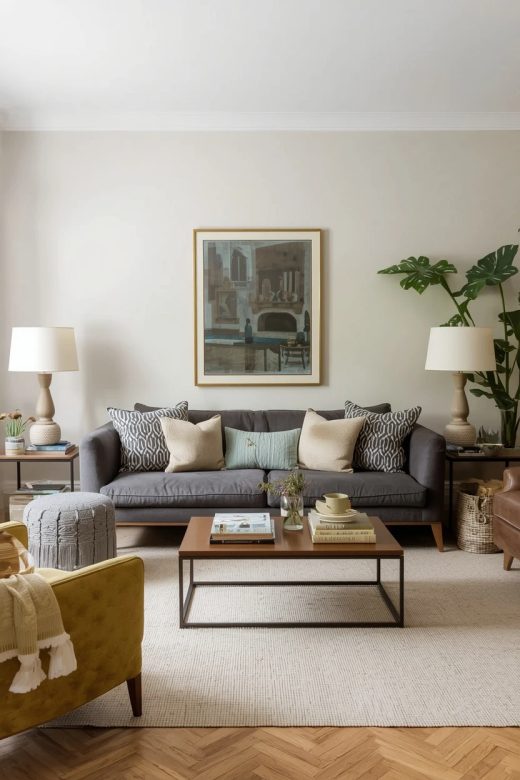
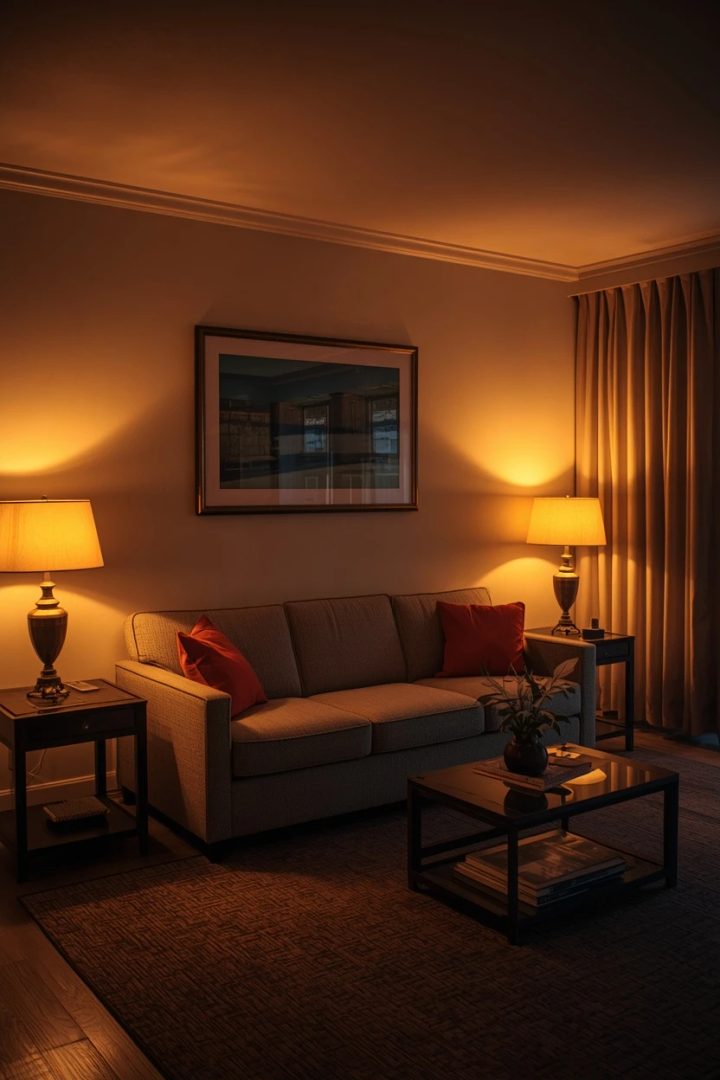
The highest-impact makeover available for under £100: add two table lamps with warm (2700K) bulbs and a floor lamp, and switch off the main overhead light entirely for evening use.
Why this works: Most living rooms are lit by a single overhead source that flattens the room and reads as functional rather than warm. Two table lamps and a floor lamp at different heights create pools of warm light that make the room feel completely different — immediately, that evening, before anything else is changed.
Cost breakdown: Two table lamps with shades: £30–£60. One floor lamp: £25–£50. Three LED filament bulbs at 2700K: £10. Total: under £100.
This single change makes every other existing element in the room look better — the furniture, the colours, the artwork — because it changes the quality of the light they're seen in.
Idea 2: The Feature Wall That Changes the Room
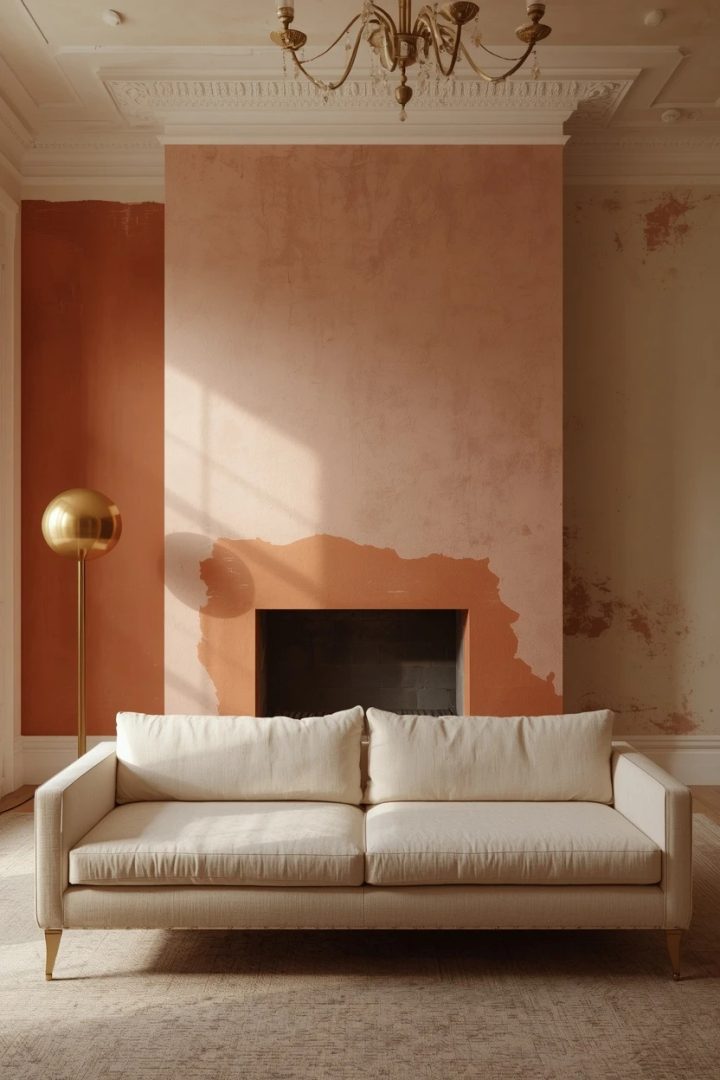
Painting one wall in a colour with genuine depth and character — and leaving the other three walls in a warm white or coordinating neutral — is the most affordable makeover with the most dramatic visual change.
The colour rules for 2026: Deep sage green. Forest green. Warm terracotta. Deep dusty teal. Rich charcoal. All replacing the grey feature walls of the previous decade.
The limewash upgrade: For the same wall, limewash paint instead of standard emulsion adds texture and depth at a material cost of £20–£50 extra. The result looks significantly more expensive than a flat painted wall.
Which wall: The chimney breast or the sofa wall (the wall the sofa faces). Never the wall with the most windows — painting the window wall darker makes the room feel smaller.
⭐ Pro Tip
The most commonly underestimated living room makeover investment is curtains — specifically, getting the size right.
Standard off-the-shelf curtain panels are almost always too narrow and too short for the impact a living room needs.
The correct curtain for a living room: hung from ceiling height, wide enough that each panel covers at least 1.5x the half-window width, falling to the floor with a 1cm clearance.
Buying wider, taller, floor-to-ceiling curtains in the same fabric as a shorter pair transforms the room's apparent height and scale in a way that no other textile change achieves.
Idea 3: New Floor-to-Ceiling Curtains
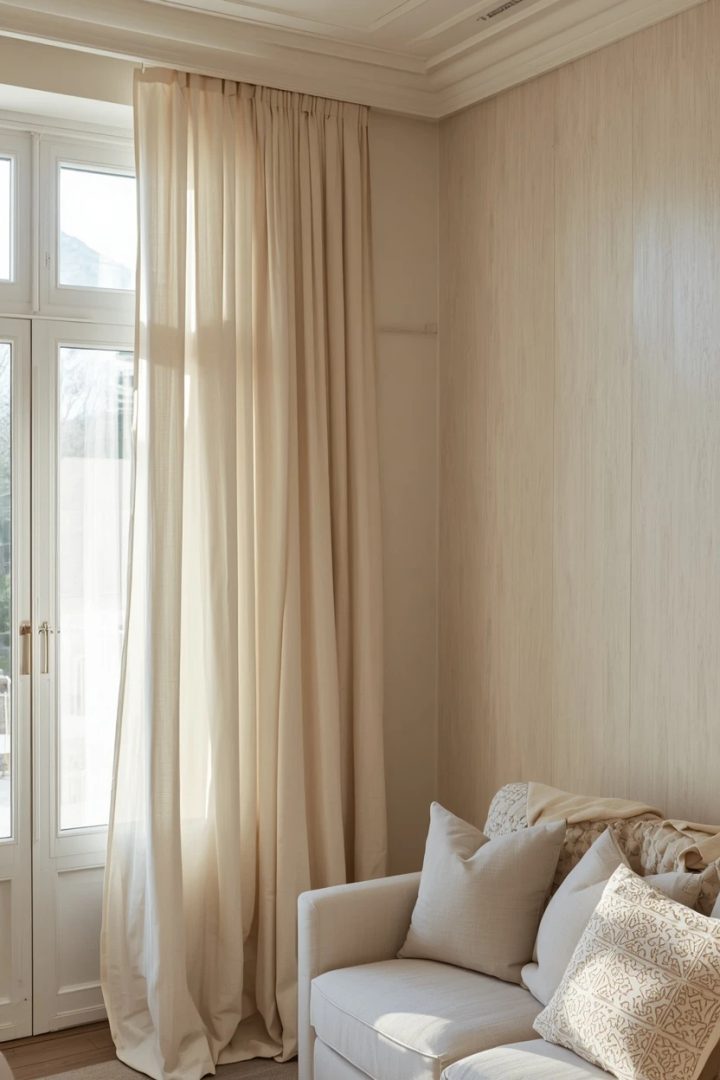
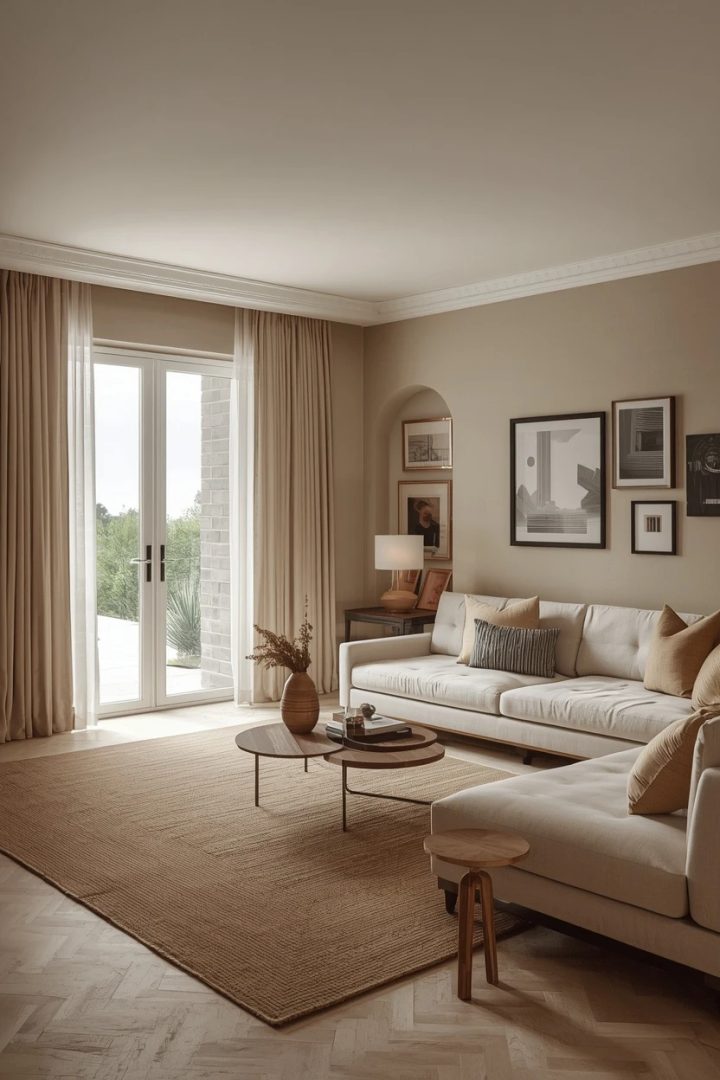
Replacing standard blinds or short curtains with floor-to-ceiling linen panels hung from ceiling height is consistently rated the single change that most visually transforms a living room per pound spent.
What the length does: A curtain that runs from ceiling to floor draws the eye upward and makes the ceiling feel higher. It also makes the window appear significantly larger — the curtain visually extends the glazed area even when drawn back.
Material: Natural linen in warm cream or warm white. Avoid polyester — it has a synthetic sheen under lamplight that undermines the warmth of the room.
Cost: Ready-made or made-to-measure linen curtains in the correct ceiling-to-floor length: £80–£400 depending on window width and fabric quality.
Idea 4: The Rug That Grounds the Room
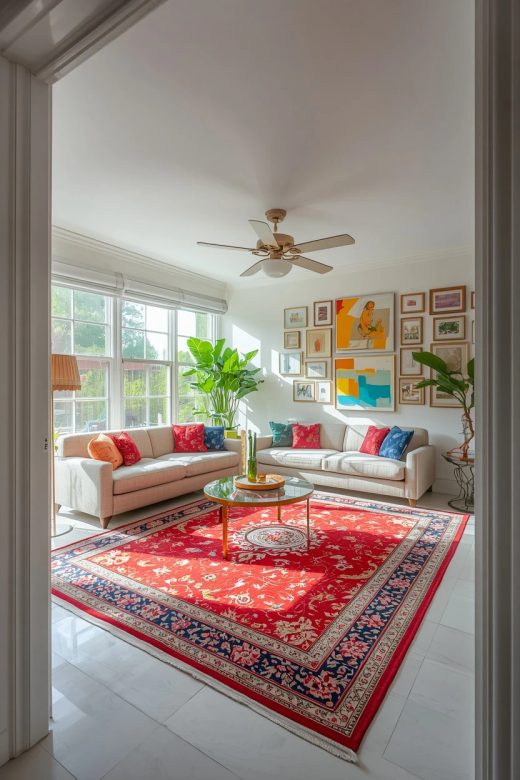
A rug the wrong size is worse than no rug. A rug the right size — large enough that the sofa and chair legs sit on it — transforms the living room's spatial coherence.
The correct size: For a standard three-seat sofa arrangement, minimum 200x300cm. All front legs of the sofa and armchairs should sit on the rug. The coffee table should be entirely on the rug.
Material direction for 2026: Natural jute in a large weave pattern. A Moroccan berber in cream with a geometric. A flat-weave kilim in earthy tones. All replacing the grey-toned abstract rugs of the previous decade.
Cost: A quality jute rug at the correct size: £100–£300. A quality wool berber: £200–£600. A quality flat-weave kilim: £150–£400.

Idea 5: Cushion and Textile Refresh
Replacing the living room's cushions, throw, and one or two other soft textiles is the quickest makeover that demonstrates a clear change in the room's palette and style direction.
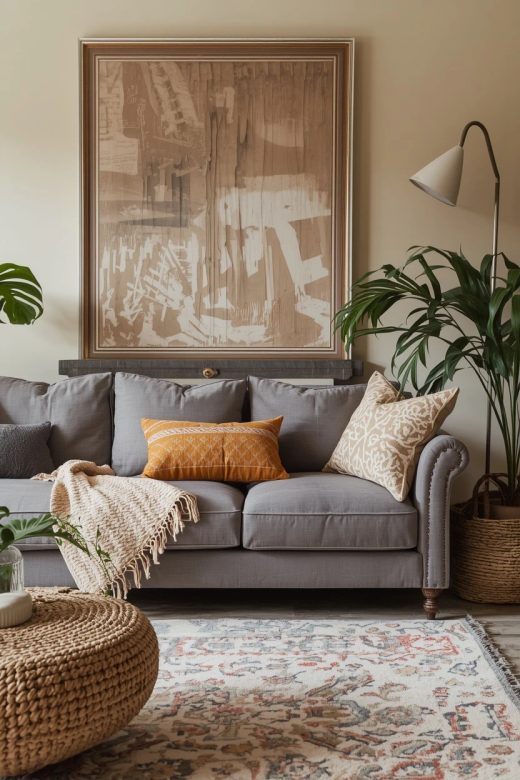
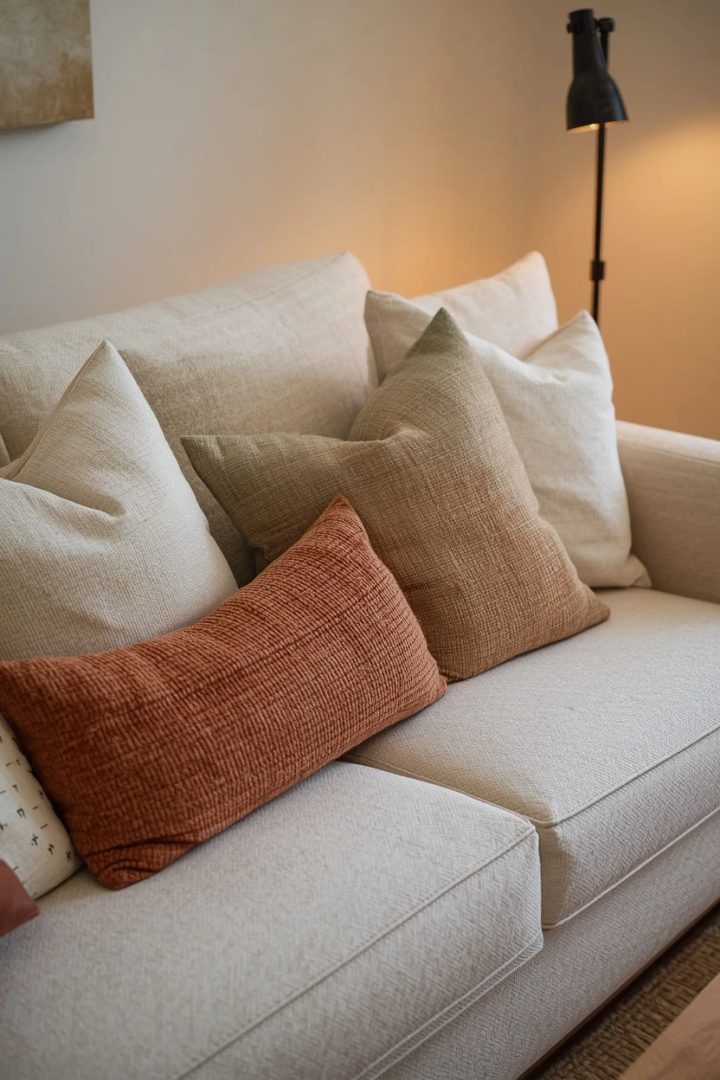
The formula: Five cushions for a three-seat sofa — two large (60cm), two medium (50cm), one lumbar (30x60cm). All in the same colour family but different textures (linen, bouclé, velvet, cotton). Maximum two accent colours.
2026 cushion direction: Warm cream linen as the base. One teal or sage cushion. One terracotta or rust accent. One natural undyed linen lumbar. This palette works with almost any sofa colour.
Cost: A full cushion set of five with covers and inserts: £50–£300 depending on fabric quality. Buying covers separately and inserting 5cm larger inserts than the cover size produces a plumper, more luxurious result.
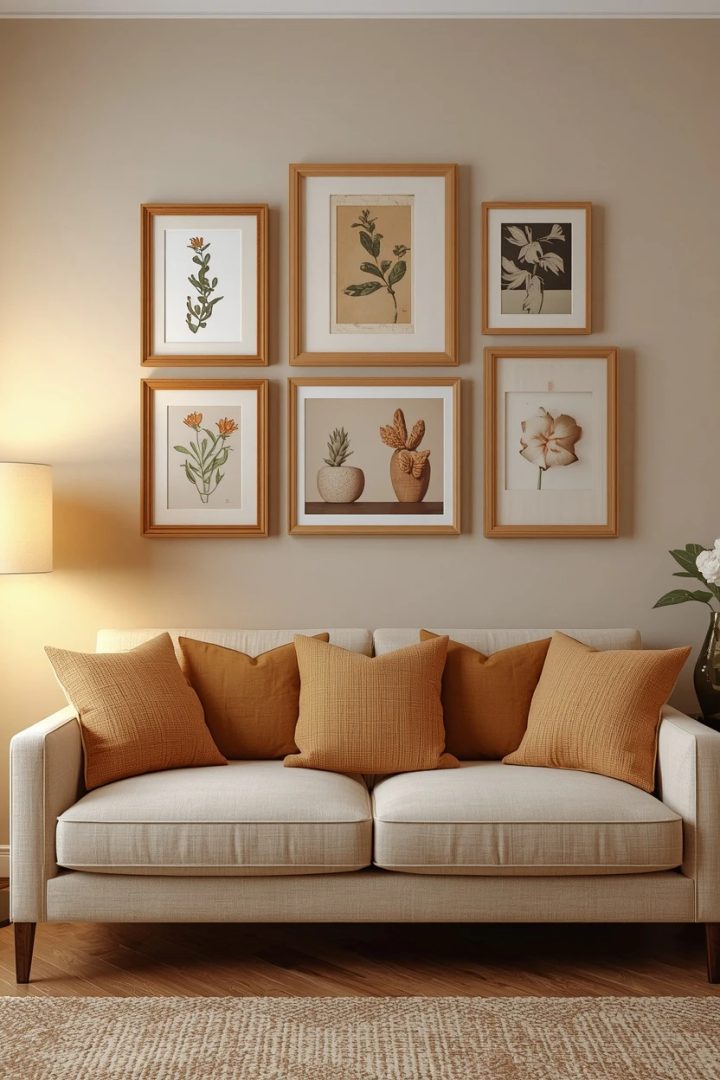
Idea 6: The Gallery Wall Makeover
Replacing a bare wall or scattered miscellaneous prints with a properly planned gallery wall — one to two frame finishes, consistent spacing, the right content — transforms one of the room's largest surfaces into a personal and considered display.
The planning method: Lay all frames on the floor first. Photograph from above. Make paper templates with painter's tape on the wall. Adjust until perfect. Only then hammer nails.
Content direction for 2026: Warm botanical prints, soft abstract art, and warm-toned photography in natural oak or warm white frames. Replacing the black-and-white photo gallery and the inspirational quote print collections of the previous decade.
Idea 7: Alcove Shelving Installation
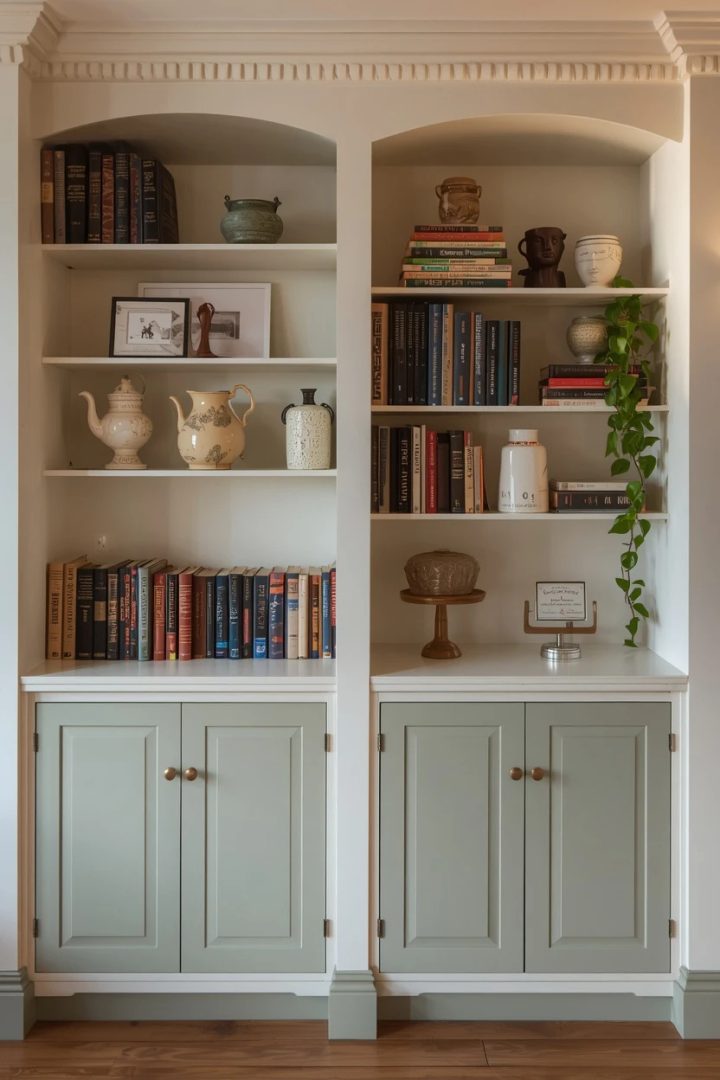
Building simple alcove shelves — in the recesses on either side of the chimney breast — is the living room reno project with the best practicality-to-aesthetic-impact ratio.
DIY option: MDF shelves cut to fit, supported on timber battens fixed to the side walls. Paint to match the walls. The entire project costs £100–£300 in materials.
Professional version: A carpenter fits the shelves, adds a base cupboard below, and finishes with beading and fillets. Cost: £500–£2,000.
Styling the shelves: 60% books and functional items. 30% decorative objects (ceramics, plants, candles). 10% empty space. The negative space is what makes the styling look professional.
⚠️ Important Warning
Before drilling into any wall for alcove shelves, gallery hooks, or curtain brackets, use a stud and pipe detector.
Drilling through a water pipe or electrical cable is one of the most common and most costly DIY renovation accidents.
Stud detectors are available from most hardware stores for under £20 and identify both timber studs and live wires.
In older properties, electrical cables and pipes are frequently not where current building regulations would place them — always scan before drilling.
Idea 8: The Sofa Reposition
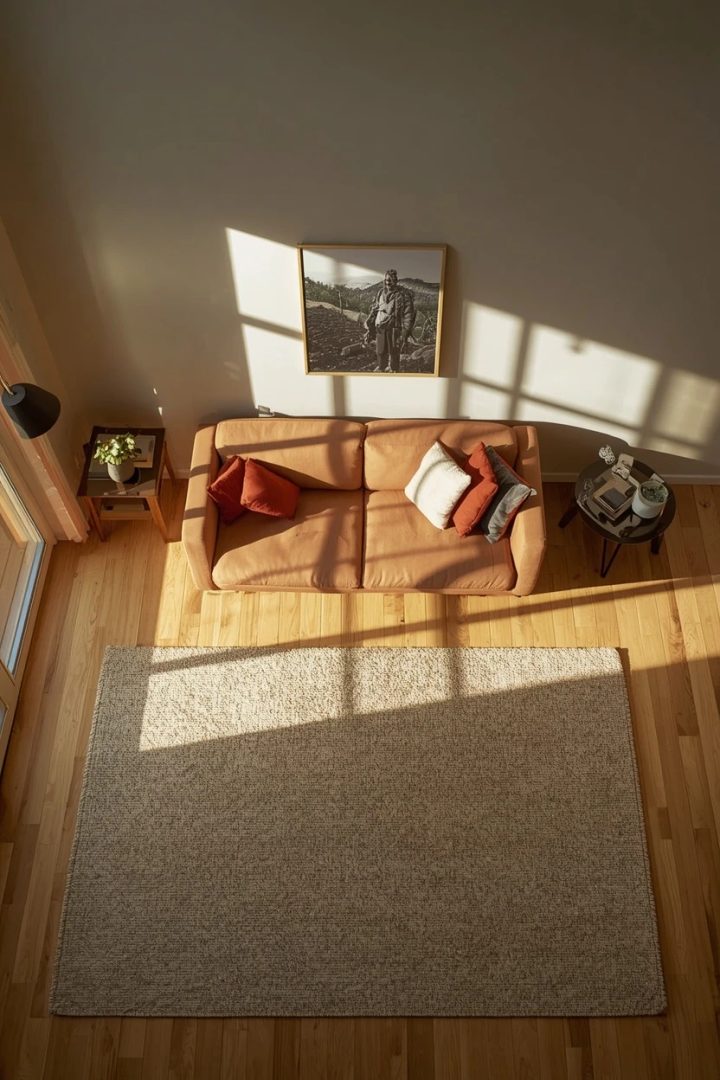
Moving the sofa from against the wall to floating in the room — even just 20–30cm — is the living room makeover that costs nothing and that most people resist trying because it feels counterintuitive.
Why furniture against the wall makes rooms smaller: The eye reads the furniture as part of the perimeter and sees a smaller central space. Floating the furniture creates a defined zone in the middle of the room and allows the eye to read the full room behind and around it.
The experiment: Move the sofa 30cm from the wall for one week. Live with it. The room will feel larger, and the gap behind the sofa creates a natural traffic route that prevents the claustrophobic feeling of furniture-crowded walls.
Idea 9: New Coffee Table
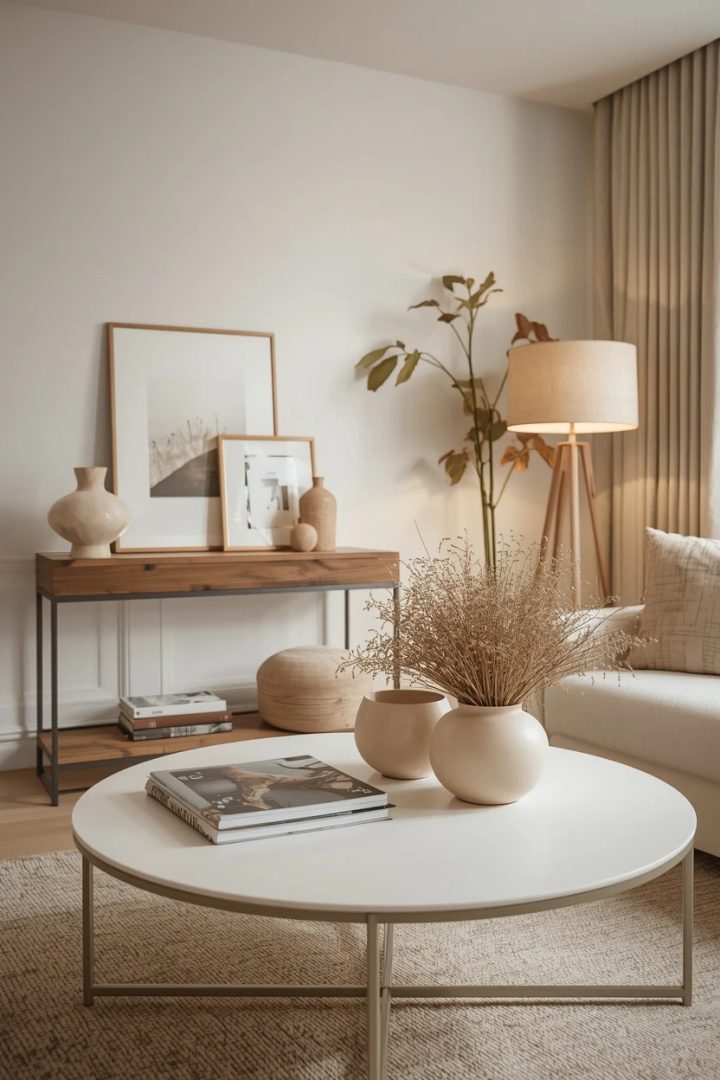
Replacing a dated or wrong-scale coffee table with one that fits the room correctly — round for a smaller space, round or rectangular for a larger one, at the correct height relative to the sofa seat — is a makeover component that professional stylists consistently prioritise.
Height rule: The coffee table top should be the same height as, or up to 5cm lower than, the sofa seat cushion top. A table too low requires uncomfortable leaning to reach it. A table at seat height reads as a bench rather than a coffee table.
2026 direction: Round marble-top tables on a slim frame. Oval rattan or woven base tables. Large low timber slab tables. Replacing the rectangular dark wood and glass tables of the previous era.

Idea 10: Declutter and Style the Surfaces
Before spending any money, a thorough declutter — removing everything from the living room surfaces, shelves, and floor, then returning only what belongs — often produces the most dramatic living room makeover available.
The rule of three for surface styling: Every styled surface has a maximum of three items. One tall element (a lamp, a plant, a vase with branches). One medium element (a bowl, a candle, a small ceramic). One small element (a small book, a crystal, a small decorative object). Nothing else.
What the declutter reveals: The room's actual spatial quality, which is almost always much better than the clutter suggests. A well-edited living room looks larger, calmer, and more designed than a full one — even if the full one has nicer individual items.
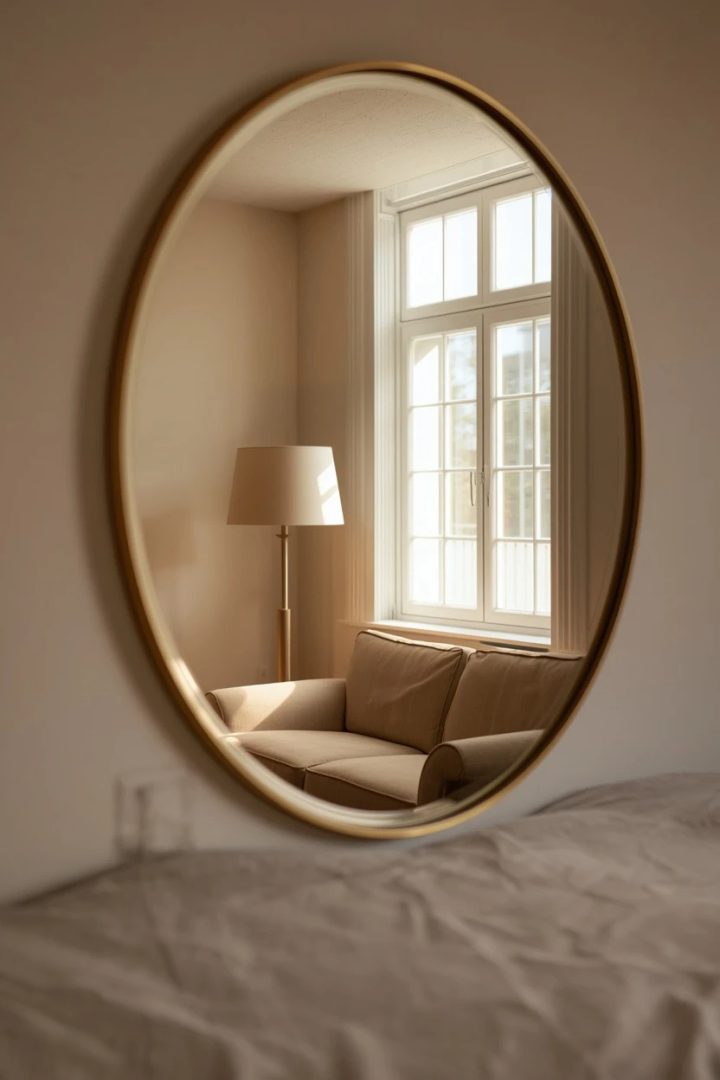
Idea 11: Add a Statement Mirror
A large mirror — 80cm diameter minimum, or 60x120cm rectangular — on the living room wall adds light, depth, and the visual sense of a second window that no artwork can replicate.
Position: On the wall opposite or beside the main window to reflect the maximum natural light into the room. Or above the console table in an entry-adjacent position where it greets every person entering the room.
2026 mirror direction: Large round mirrors in warm brass or natural rattan frames. Arched full-length mirrors leaned against the wall. Slim sunburst mirrors in warm gold as a statement piece above the fireplace.
Idea 12: The Plant Makeover
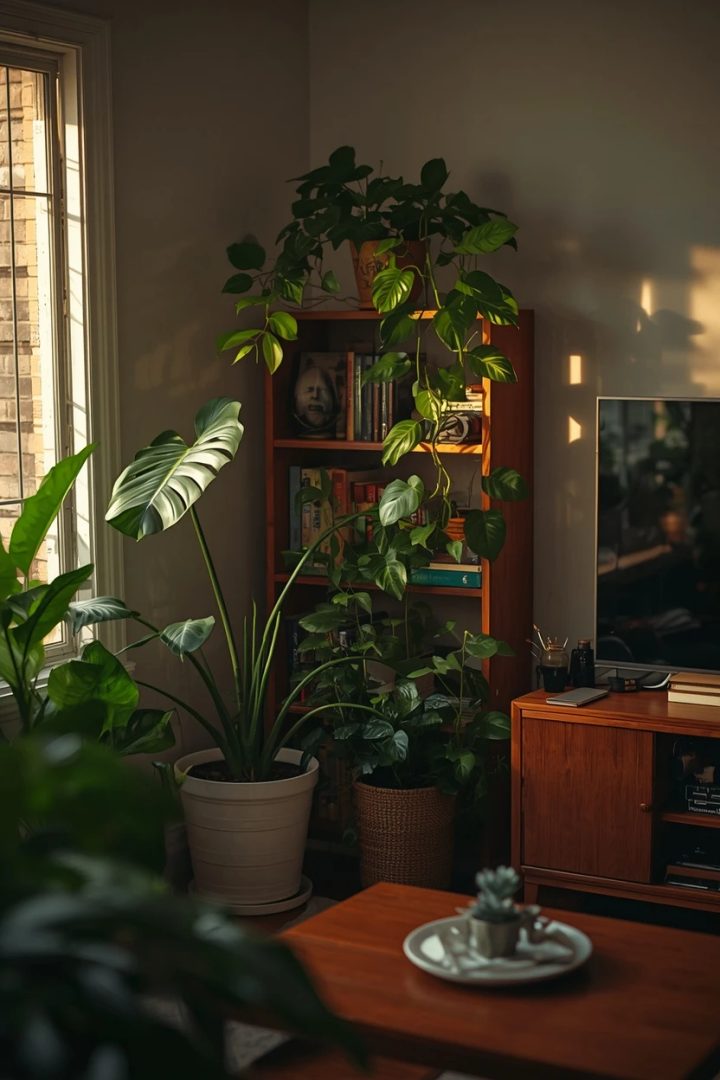
Adding three to five plants at different scales — one large floor plant, one medium shelf plant, and two or three small accent plants — is the most organic and most affordable living room makeover available.
Why plants transform a room: They add height (the floor plant draws the eye up). They add colour (green is the most universally restful colour in any interior). They add life — the room reads as inhabited rather than staged.
Plant selection for 2026: A large fiddle leaf fig or monstera in a white or terracotta pot as the floor plant. A trailing pothos on a high shelf. A snake plant beside the TV. Air plants in a geometric holder on the coffee table.
Idea 13: Paint the Ceiling
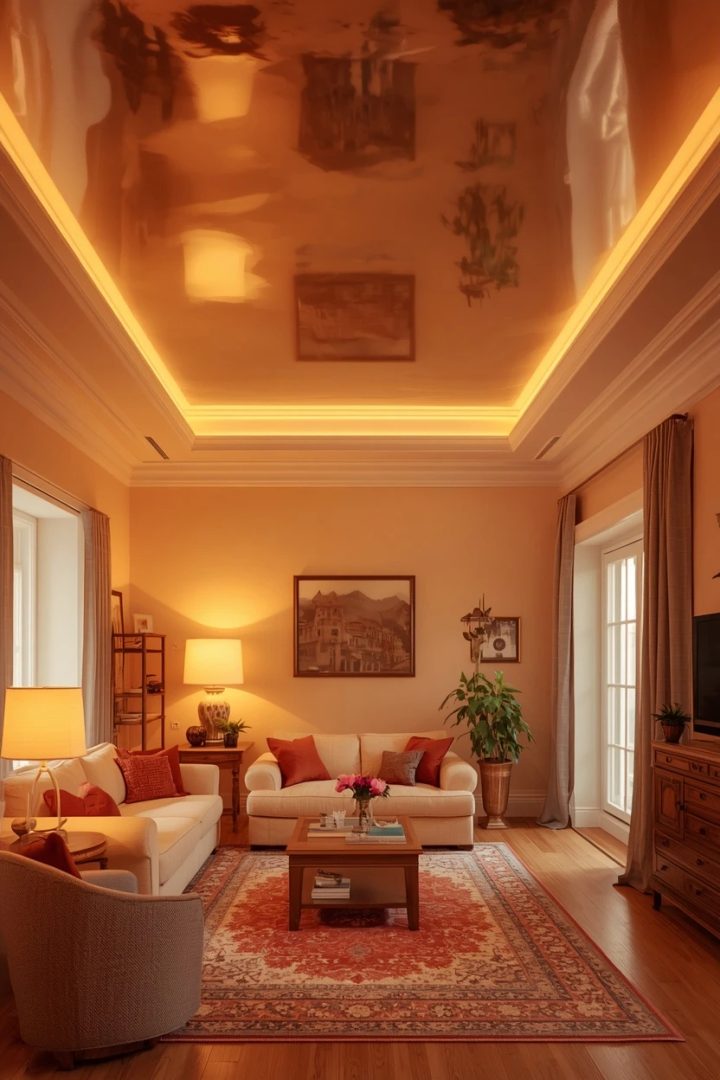
Painting the living room ceiling in a colour other than white — a warm cream, or a matching deep tone if the walls are coloured — is the makeover that creates the most complete transformation at paint cost only.
The warm cream ceiling: A white ceiling has a slightly cool tone that reflects light in a slightly cool way. A warm cream or very pale yellow-white ceiling reflects lamplight at the same warm temperature as the lamps themselves. The entire room feels warmer.
The matching deep ceiling: If the walls are forest green or deep navy, painting the ceiling the same colour creates a fully cocooning room that feels completely designed. Add a contrasting trim colour to the coving and skirting to define the boundaries.
Idea 14: New Side Tables and Accessories
Replacing dated side tables — the nesting tables, the small dark wood end tables, the occasional tables with magazine racks — with contemporary alternatives transforms the small objects that visitors notice up close.
2026 side table direction: A single round marble-top side table in warm brass. A slim ceramic stool used as a side table. A small rattan or woven drum side table. A timber slice on a slim metal frame.
The accessory tray: A tray on the side table — a round timber tray or a marble tray — groups the items on the surface (the remote, the drink coaster, the candle) and makes the side table read as styled rather than practical.

Idea 15: The Throw Blanket Effect
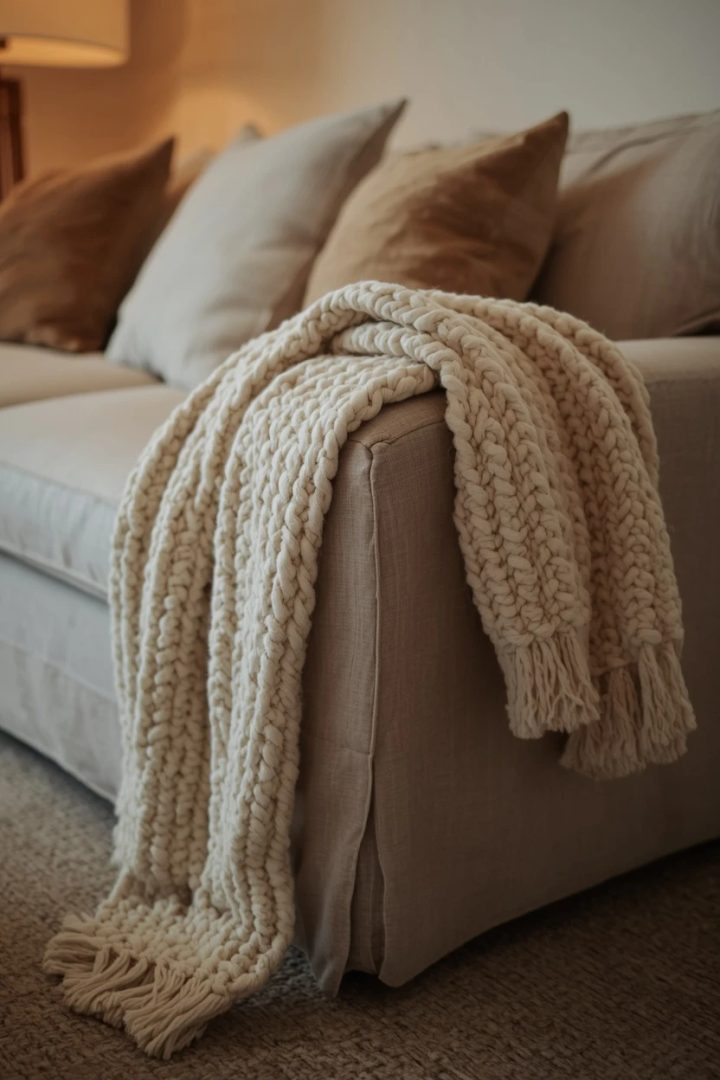
A high-quality throw blanket — casually draped over one arm of the sofa — is the smallest and least expensive makeover that professional photographers and stylists consistently add before a shoot because of how dramatically it changes the room's warmth signal.
A throw signals: this room is used by people. It is comfortable here. Sitting is encouraged. Without a throw, a sofa reads as showroom furniture. With a throw, it reads as a home.
Material: Chunky knit wool for maximum texture. Waffle cotton for a lighter, more relaxed look. Herringbone wool for a classic sophisticated look. Natural undyed linen for the most contemporary look.
Idea 16: Replace Light Switch Plates and Socket Covers
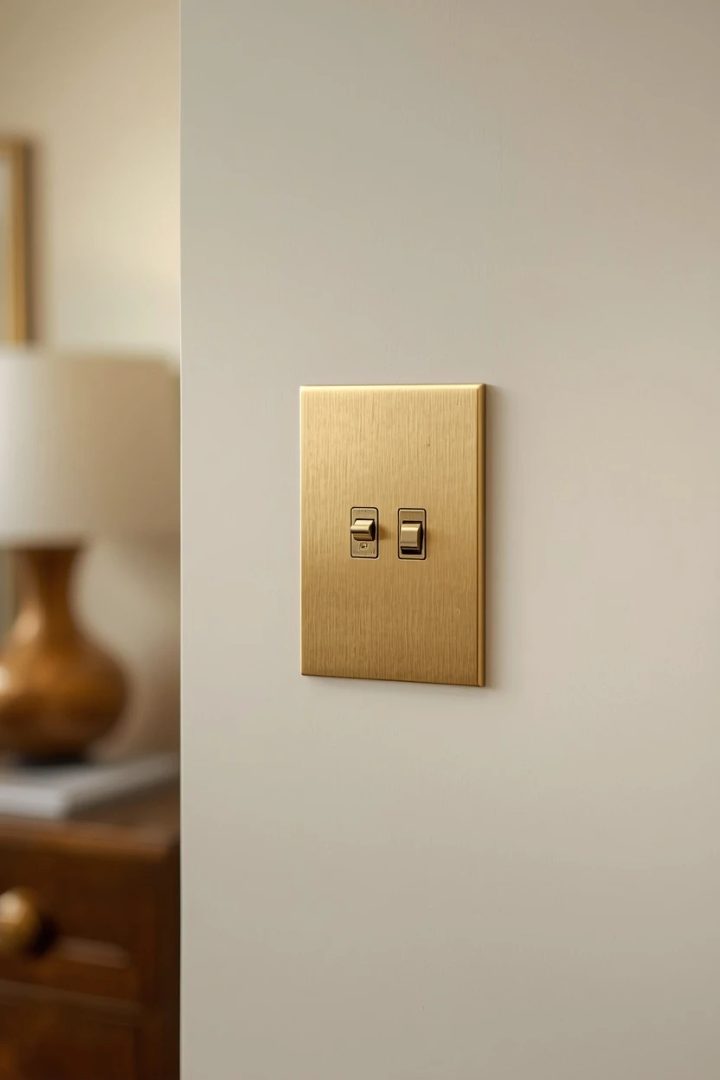
Replacing the cream or white plastic light switches and socket outlets with a quality alternative — brushed brass, matte black, or polished nickel — is the renovation detail that professional interior designers add and that homeowners rarely think of.
Why it matters: Every living room has four to eight switch and socket plates visible. Standard white plastic reads as utilitarian. A brushed brass plate in the same finish as the table lamp base and door handles reads as considered design.
Cost: A quality metal light switch or socket plate: £8–£25 per unit. A typical living room makeover in this detail: £60–£200 total. Impact: disproportionate to the cost.
Idea 17: The Bookshelf Restyle
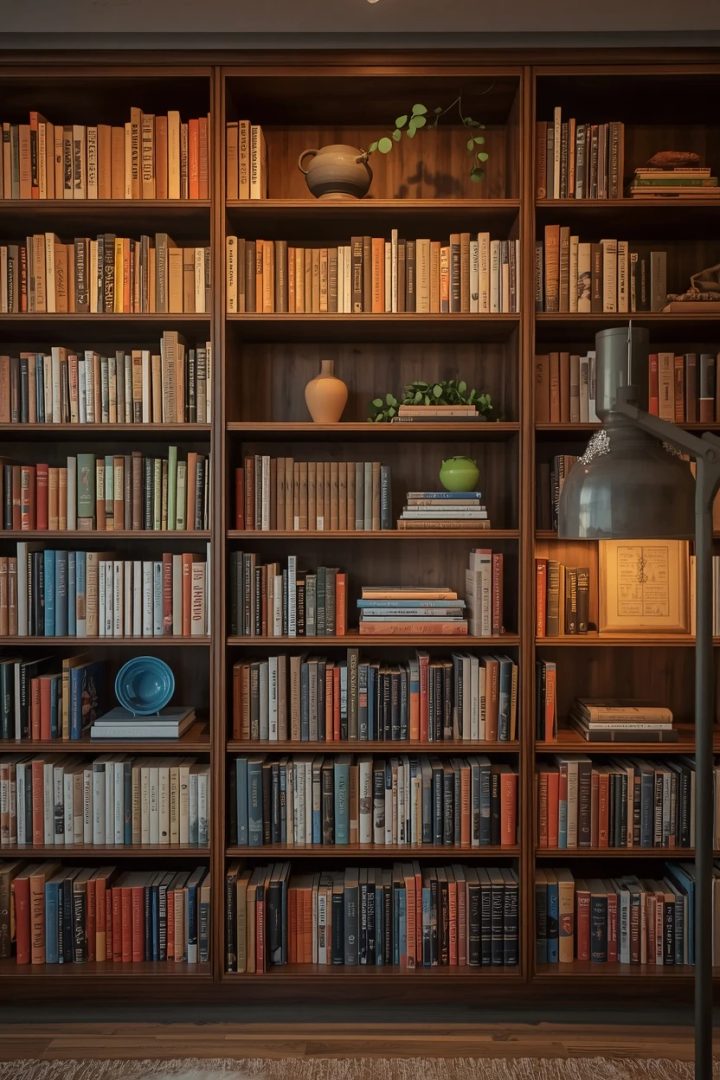
A bookshelf that has been filled without organisation — or filled only with books — reads as storage. A bookshelf that is styled with intention — books grouped by colour or height, decorative objects placed with care, plants added — reads as the most personal and most characterful element in the room.
The restyle method: Remove everything. Clean the shelves. Return books sorted loosely by tone (cream and white spines, earthy and warm spines, dark spines) — not perfectly by colour, but grouped. Add one object for every three or four books. Leave one section per shelf empty.
The objects: Small ceramic vases. A framed photograph. A candle. A small plant. A crystal or stone. Objects you've collected that have meaning.
Idea 18: The Complete Budget Makeover Sequence
A complete living room makeover doesn't require spending money on everything simultaneously. The right sequence maximises visual impact at each stage and builds toward the full result.
Stage 1 (£0): Declutter, rearrange furniture (float the sofa), restyle existing shelves. Time: one weekend.
Stage 2 (£100–£200): New warm lamps (two table, one floor). New cushions and a throw. Time: one day.
Stage 3 (£200–£400): Feature wall (limewash or paint). New rug at correct size. Time: one weekend.
Stage 4 (£400–£800): Floor-to-ceiling curtains. A large mirror. A new coffee table or side table. Time: one week including delivery.
Stage 5 (£800–£2,000): Alcove shelving. New sofa reupholstery or replacement. Electrician for new lamp circuits. Time: two to four weeks.
📌 Important Note
The most important living room makeover principle: change the light before you change anything else.
More than any other single variable, the quality and colour temperature of the light determines how every other element in the room reads.
A dated sofa under warm lamplight looks better than a new sofa under a cool overhead fluorescent.
Always start with lighting. Then evaluate what else actually needs to change.
You may find the answer is: far less than you thought.
Living Room Makeover Checklist
• Start with a declutter and furniture rearrangement before spending anything
• Replace overhead-only lighting with layered warm lamps as first purchase
• Measure the room and calculate the correct rug size before ordering
• Hang curtains from ceiling height — never from window frame height
• Choose a maximum of two colours for the cushion palette
• Style shelves with the rule of three: tall, medium, small — then stop
• Float the sofa away from the wall and live with it for one week before deciding
• Replace plastic switch plates with metal equivalents as a final detail
Frequently Asked Questions
What is the cheapest living room makeover with the most impact?
Adding warm table lamps (switching off the overhead light), buying the correctly sized rug, and hanging floor-to-ceiling curtains from ceiling height. These three changes cost under £400 combined and produce a visual transformation that most people would assume cost several thousand pounds.
How do I make a living room look more expensive?
Match the curtain colour to the walls (so the curtains disappear into the room). Use warm lamps only in the evening. Float the sofa from the wall. Use a rug large enough that the sofa legs sit on it. Replace plastic switch plates with brushed metal. Each detail signals quality.
How do I make a small living room look bigger during a makeover?
One large mirror opposite the window. Curtains hung from ceiling height to floor. Furniture on legs (no skirt-to-floor pieces). A rug that extends under all furniture legs. A light colour on all four walls and ceiling. Avoid dark feature walls in very small living rooms.
What should I change first in a living room makeover?
The lighting — always. Then declutter and rearrange the existing furniture before purchasing anything. These two steps cost almost nothing and frequently reveal that less additional investment is needed than initially assumed.
What is the fastest living room makeover?
In a single day: declutter everything, rearrange the furniture, add three plants from a garden centre, change all bulbs to warm white 2700K filament LEDs, and add one large linen throw draped over the sofa. The room will feel completely different by evening.
Final Thoughts
The best living room makeovers are not about spending the most money. They're about spending the right money on the things that create the most visible change.
Warm light. Correct rug size. Floor-length curtains. Floated furniture. Edited surfaces.
These principles cost very little and transform any living room more reliably than any expensive purchase made without them in place first.