20 Living Room Remodel Ideas That Transform Your Space From the Ground Up
June 29, 2026 · 17 min read
 By Khawar Iqbal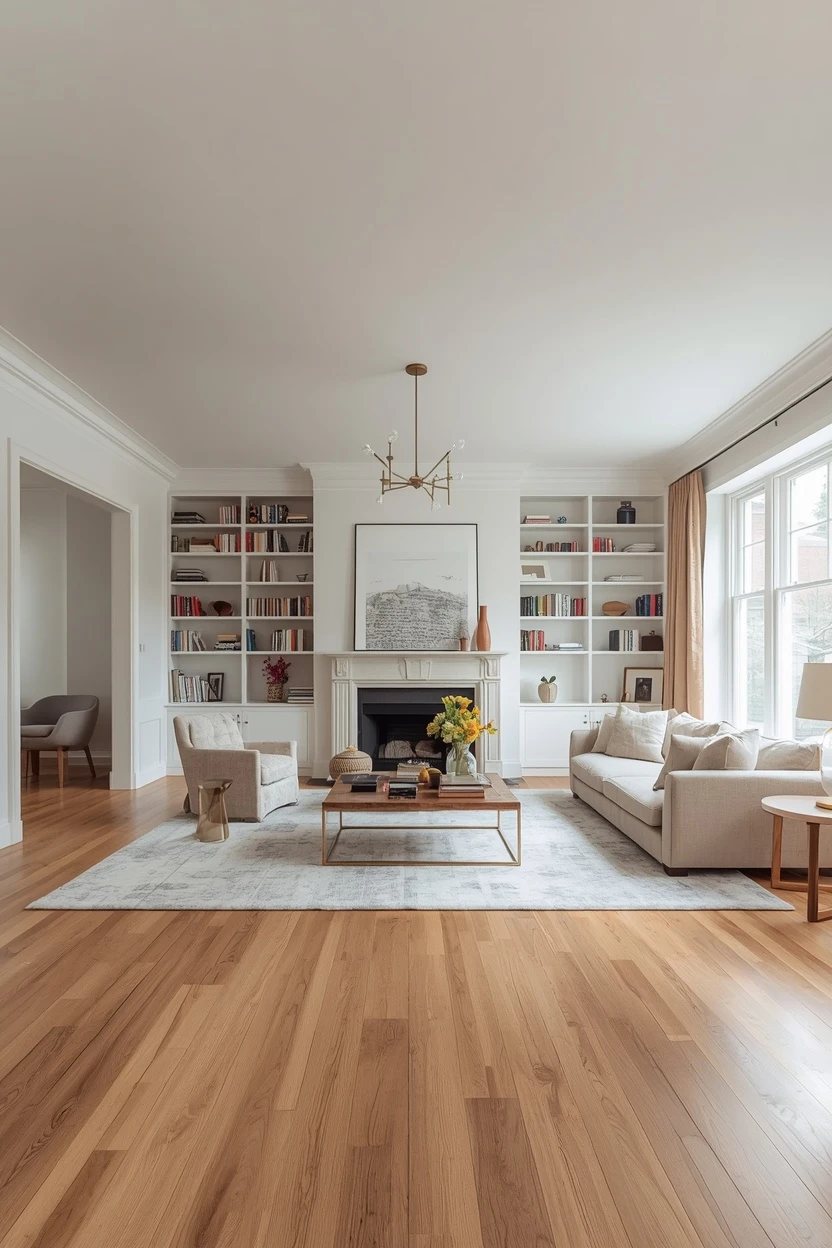
A living room remodel is the most impactful renovation project in any home.
It's the room where your household spends the most time, where guests form their first impression of how you live, and where the quality of the space most directly affects daily life.
These 20 living room renovation ideas are organised by impact and scope — from structural changes that require a contractor to weekend redesign projects you can complete yourself. Each idea includes what's involved, what it costs relative to other options, and the specific decisions that separate a renovation that looks impressive from one that performs brilliantly.
Before You Start: The Living Room Remodel Planning Framework
Every successful living room renovation begins with a brief — a clear statement of what the room needs to do differently after the remodel than it does now.
The questions: How many people use this room daily? What activities happen here (TV, reading, entertaining, homework, working from home)? What is the primary thing that makes the current room frustrating? What is the budget, and what is the non-negotiable priority within that budget?
The answers to these questions determine the renovation sequence. Start with the structural and functional problems. Finish with the aesthetic choices. The biggest renovation mistakes come from choosing the paint colour before deciding whether to move a wall.
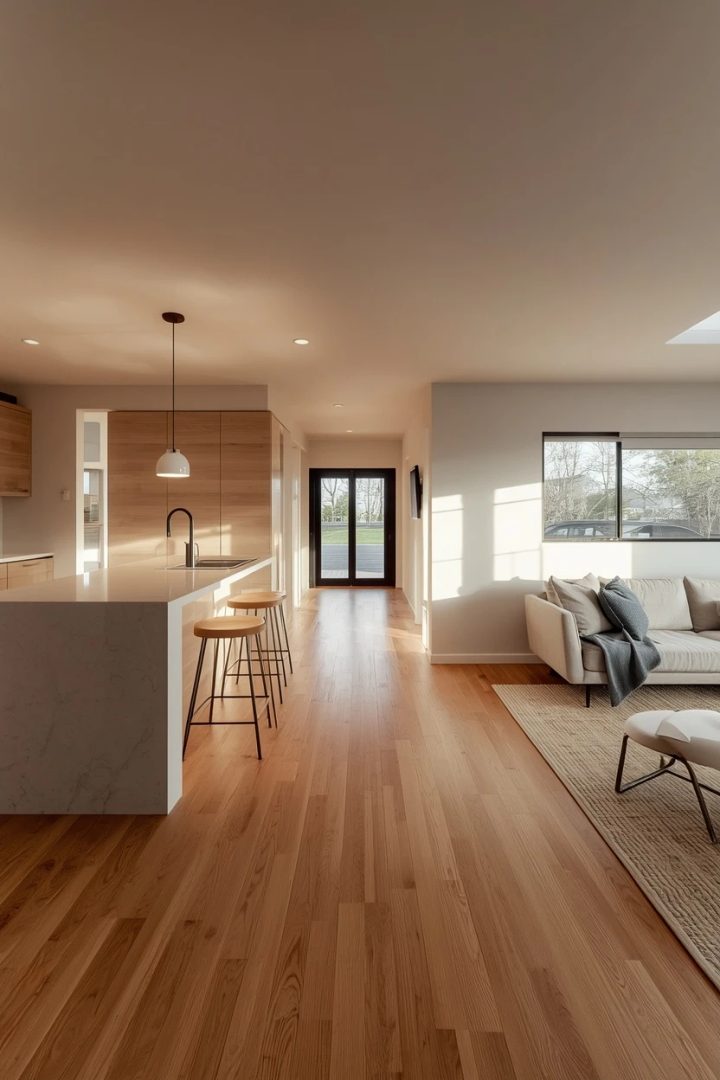
Idea 1: Open Up to the Kitchen — Remove a Non-Load-Bearing Wall
The single most transformative living room remodel available: removing the wall between the living room and kitchen to create an open-plan space.
Impact: Opens the floor plan. Increases natural light across both spaces. Creates a unified entertaining zone. Makes a house feel significantly larger than the square footage suggests.
What's involved: A structural engineer assessment to confirm the wall is non-load-bearing (or to specify the structural requirements if it is). Building control notification in most jurisdictions. A plasterer, decorator, and potentially an electrician for any relocated sockets.
Cost range: £2,000–£8,000 depending on wall construction, whether it's load-bearing, and whether the opening is full or partial.
Idea 2: New Flooring — The Renovation With the Widest Impact
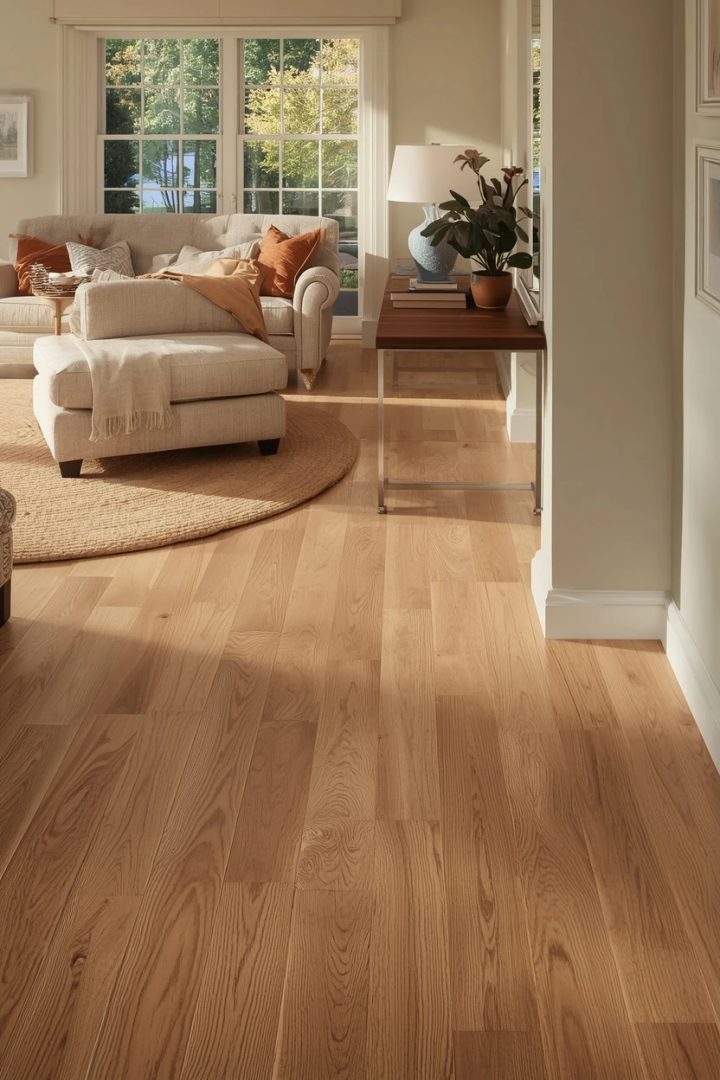
Replacing the living room floor is the renovation that changes the room's character more completely than any other single change. Flooring covers every square centimetre of the room's base — nothing else has that coverage.
2026 flooring directions: Wide-plank engineered oak (180mm+ wide boards) in warm honey or natural tones. Large-format porcelain in warm concrete-effect or stone-effect. Warm herringbone parquet in natural oak. All replacing the grey laminate and cool pale oak that defined the previous decade.
Underfloor heating: If replacing the floor is already planned, adding underfloor heating at the same time is the most cost-effective approach. Retrofitting UFH after a floor is laid costs three to four times as much.
Cost range: £30–£120 per square metre installed, depending on material.
⭐ Pro Tip
Order flooring samples at least 30x30cm — not the small chips often provided — and lay them on the actual floor for 48 hours before purchasing.
Flooring looks completely different in your specific room under your specific natural and artificial light than it does in a showroom.
The most common flooring regret is choosing a colour in a bright showroom that reads too cool or too grey in the lower light of a north-facing or small-windowed room.
Always test at the scale you'll actually live with.
Idea 3: Built-In Storage and Shelving — The Renovation That Earns Back Its Cost
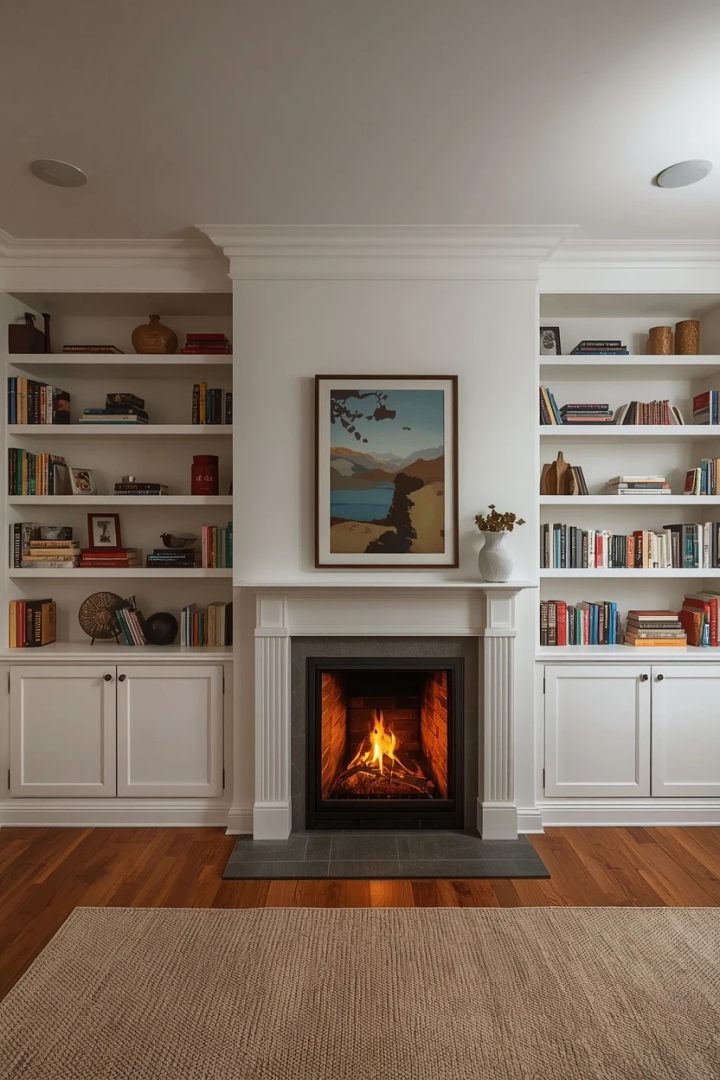
Built-in storage — floor-to-ceiling shelving flanking a chimney breast, built-in media unit below the TV, or alcove shelving either side of the fireplace — is the living room renovation with the best return on investment.
Why built-ins outperform freestanding: They use the full height of the room. They look designed rather than assembled. They add to the property value. And they solve the storage problems that freestanding furniture creates (items accumulate on top, the space behind is wasted, the scale never fits the alcove exactly).
Alcove shelving: The most affordable built-in option. Two alcoves flanking a chimney breast, fitted with MDF shelving and a base cupboard below, painted to match the walls. Cost: £500–£2,000 DIY or professionally fitted.
Full floor-to-ceiling media wall: A full built-in media wall — shelving, TV recess, integrated lighting — is the premium version. Cost: £3,000–£10,000+ depending on complexity.
Idea 4: The Feature Wall
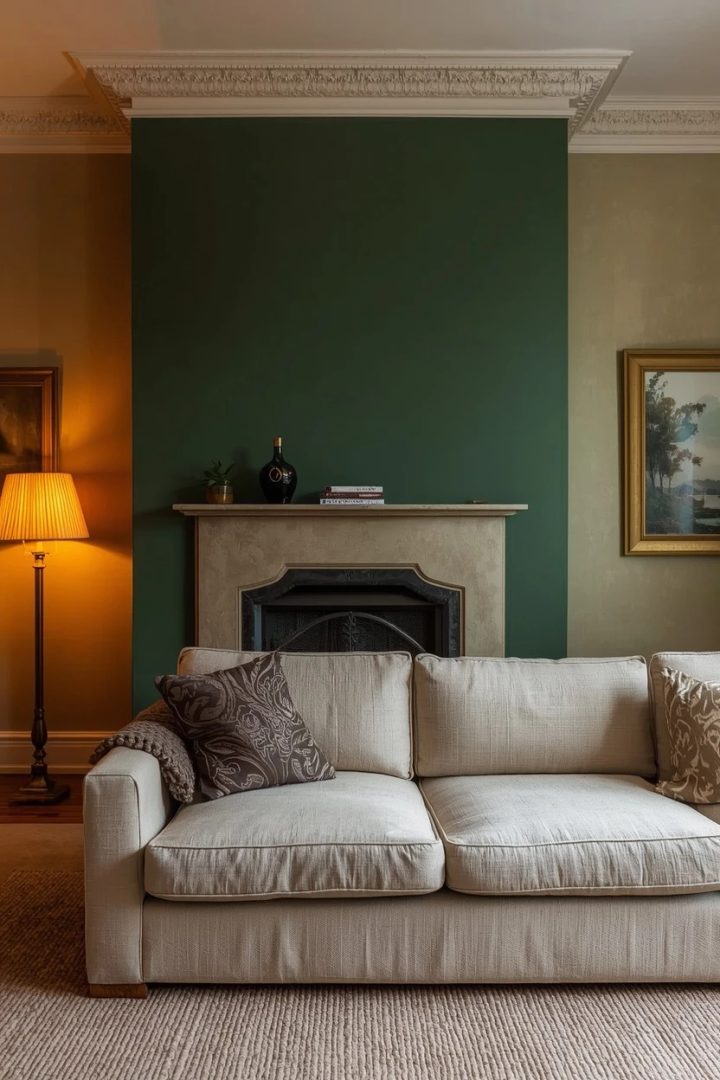
A feature wall — limewash, fluted panel, a bold paint colour, or wallpaper — on the chimney breast or the sofa wall is the quickest and most affordable renovation that produces a genuine visual transformation.
2026 feature wall directions: Limewash in warm terracotta, sage, or warm clay. Fluted MDF panelling in charcoal or sage. A deep jewel-toned paint (forest green, midnight navy, deep teal) on the chimney breast. Warm botanical wallpaper on the sofa wall.
Cost: Paint and limewash: £50–£200. Peel-and-stick wallpaper: £80–£300. Fluted MDF panelling fitted: £500–£2,000. Full custom wallpaper applied professionally: £300–£1,000.
Idea 5: New Windows or Enlarged Glazing
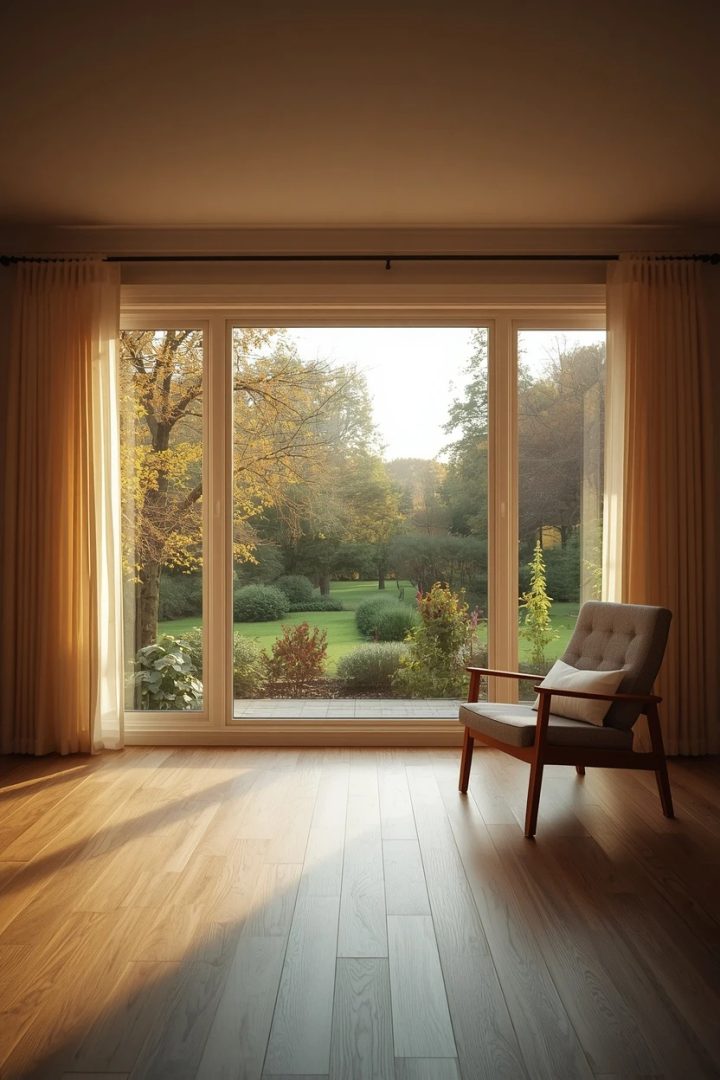
Enlarging or replacing the living room windows — replacing a small window with a wider casement, adding a set of bifold or sliding doors to the garden, or installing a picture window — is the renovation that most directly improves quality of life by increasing natural light.
The impact of more light: A living room that gains 50% more window area feels dramatically larger, warmer, and more connected to the outdoors. The furniture and colour palette change less than the quality of the experience of being in the room.
Planning requirement: Window enlargement typically requires planning permission if it alters the external appearance of the property significantly. Always check before ordering.
Cost range: New window replacement: £800–£2,500 per window installed. Bifold doors: £3,000–£8,000 including structural lintel work.
Idea 6: Fireplace Renovation or Installation
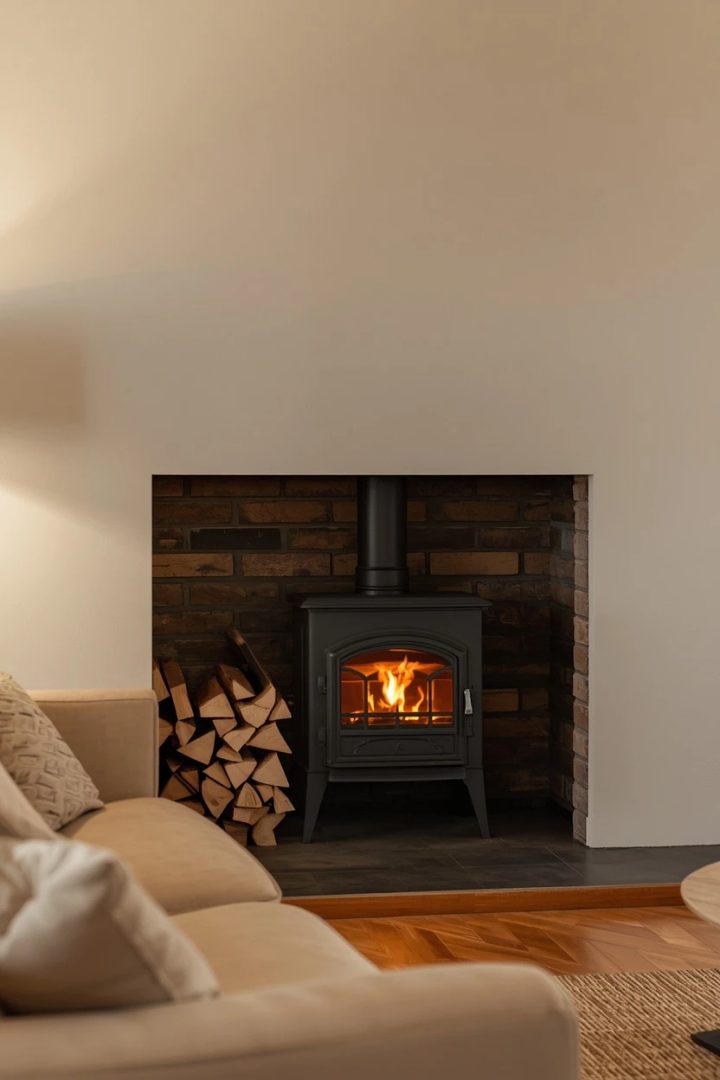
A renovated or newly installed fireplace — whether a real wood burning stove, a gas fire with a real flame, or a high-quality electric fire — is the focal point renovation that most completely changes the living room's character and its function as a gathering space.
Options in 2026: A wood burning stove in a period fireplace (clean, efficient, dramatically warm). A gas fire with a real flame in a modern frameless surround. A bioethanol fireplace where no flue is available. A high-quality electric fire with realistic flame effect as a focal point that requires no installation beyond a socket.
Surround renovation: Even if the fire itself isn't changed, replacing the fireplace surround — from a dated wooden mantel to a simple painted plaster surround, a limestone surround, or a raw concrete finish — dramatically updates the focal point of the room.
Idea 7: The Lighting Redesign
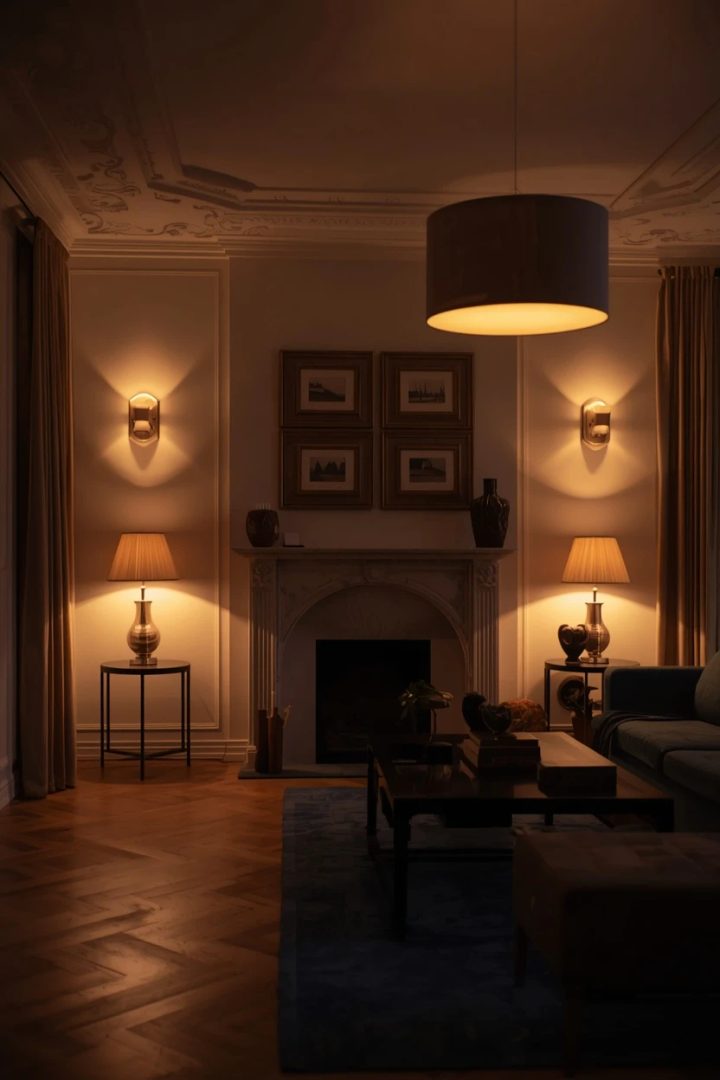
Replacing the living room's lighting scheme — moving from a single ceiling pendant or downlights to a layered system with multiple sources at multiple levels — is one of the renovations with the highest impact-to-cost ratio.
The layered system: Ceiling ambient (downlights or pendant). Wall sconces or picture lights for the display zones. Table lamps beside the sofa. Floor lamp in the reading corner. All separately switched or on smart controls.
The electrician cost: A lighting redesign with new switch positions, new wiring, and additional light points typically costs £500–£2,000 depending on how many new circuits are needed.
The impact: The same furniture and the same walls feel completely different under a layered warm lighting scheme versus a single overhead source. This is the renovation most interior designers would prioritise before buying any new furniture.
⚠️ Important Warning
Never undertake any electrical work in a living room renovation without a qualified electrician.
Adding new light points, moving sockets, or installing a new lighting circuit requires a Part P-qualified electrician in the UK and equivalent certified tradespeople in other jurisdictions.
DIY electrical work is illegal in many countries and voids buildings insurance.
Even low-voltage lighting work — LED strip installation, smart switch wiring — must comply with local electrical codes.
Always obtain an Electrical Installation Certificate from your electrician for any new or modified circuits.
Idea 8: Coving, Cornices, and Ceiling Details
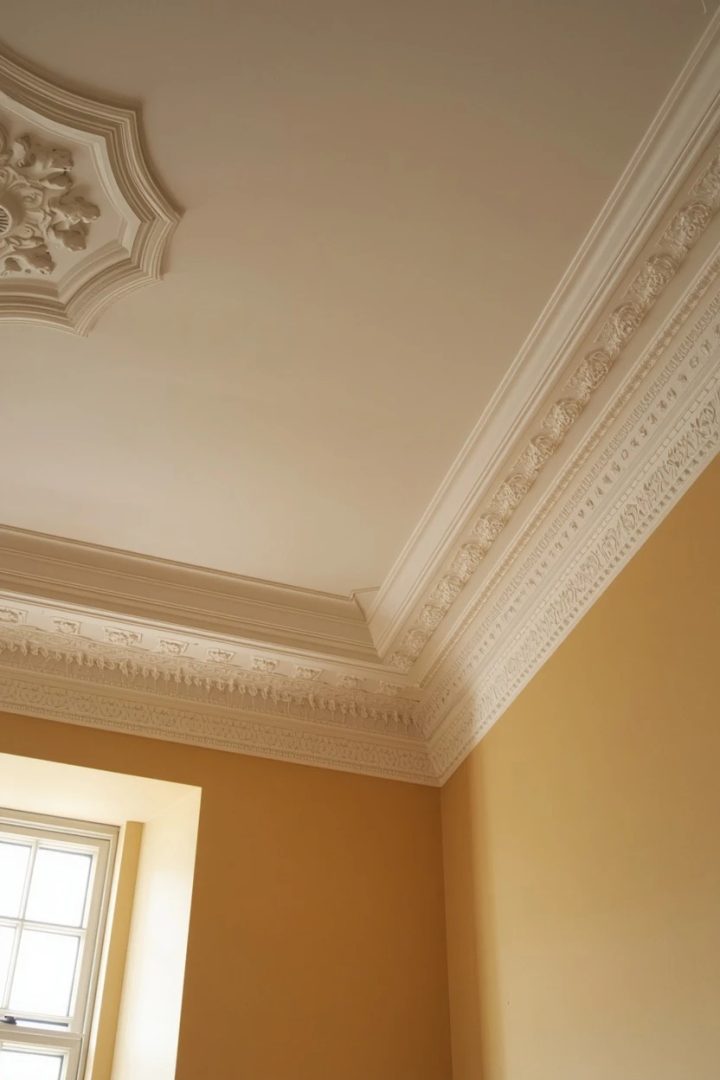
Adding or restoring period cornice, coving, or ceiling roses — or adding contemporary architectural detailing (a simple stepped ceiling recess, a perimeter shadow gap) — elevates the perceived quality of the living room at relatively low cost.
Period restoration: In an older property, restoring original cornicing or adding a period-appropriate profile significantly adds to the room's architectural quality and property value.
Contemporary approach: A simple perimeter shadow gap — a 10mm reveal between the wall and ceiling — is the contemporary alternative to cornice. It reads as high-end without period associations and is typically created during a replastering project.
Idea 9: The Layout Redesign
Sometimes the most impactful living room renovation requires no construction at all — just a fundamental reconsideration of how the furniture is arranged and the room is organised.
The most common layout problems: Sofa pushed against the wall (makes the room feel smaller, not larger). TV positioned opposite the sofa regardless of window glare. Seating arranged for television viewing rather than conversation. Traffic routes blocked by furniture.
The layout remodel approach: Draw the room to scale. Mark all windows, doors, and fixed elements. Test three completely different furniture arrangements on paper before moving anything. The best living room layout almost always has the sofa floating in the room rather than pushed to the wall.
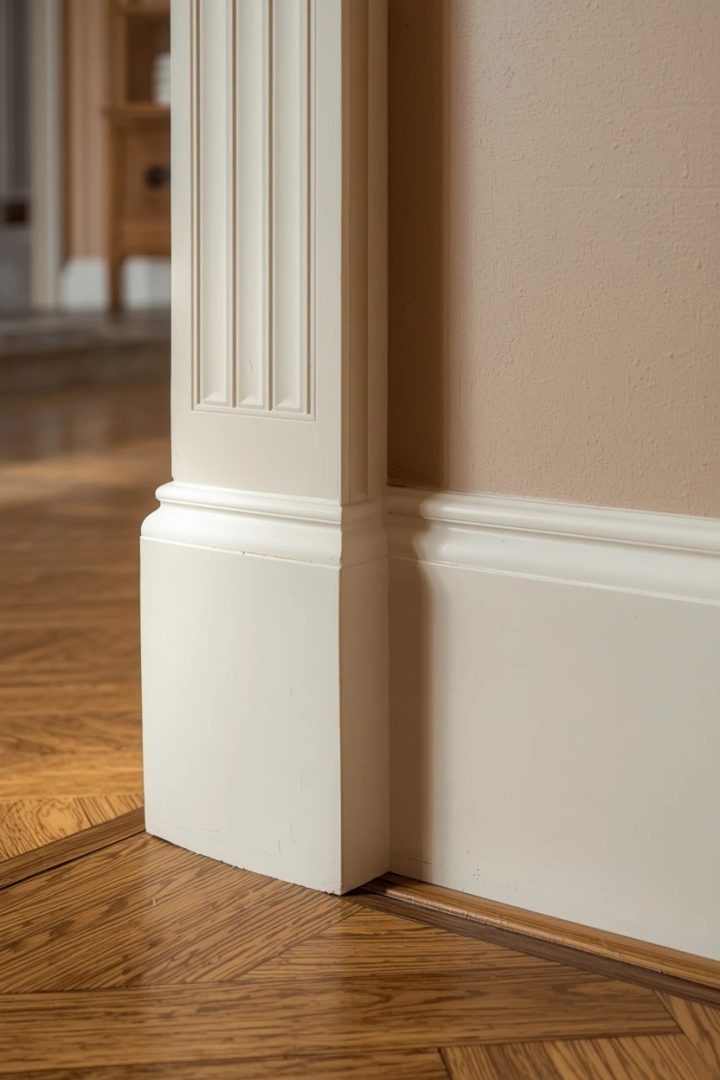
Idea 10: New Skirting Boards and Door Architraves
Replacing dated skirting boards and door architraves — upgrading from 70mm square-edge skirting to 150mm ogee or torus profile — is a renovation detail that professional architects and interior designers notice immediately and that homeowners rarely think of.
The visual effect: Tall, well-profiled skirting boards make a room feel taller and better-finished. They're a detail that photographs extremely well and that real estate professionals consistently cite as a quality signal.
Cost: Skirting replacement is a labour-intensive job (the room must be cleared, old skirting carefully removed, new skirting fitted, filled, and painted) but the materials themselves are inexpensive. A typical living room: £300–£800 professionally fitted.
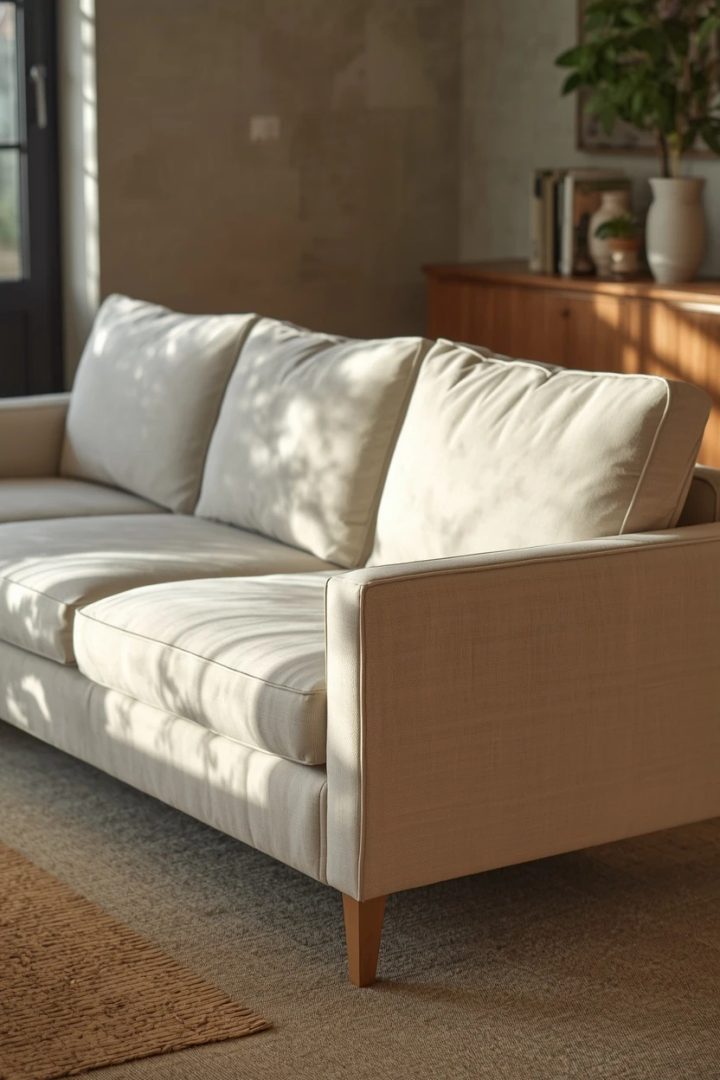
Idea 11: The Sofa Refresh — New Covers or Reupholstery
A sofa in good structural condition but dated or worn fabric can be transformed by reupholstery or slipcovers at a fraction of the cost of replacement.
Reupholstery: A professional reupholsterer can strip and re-cover most sofas in a new fabric. The frame and cushion structure is retained. Cost: typically 50–70% of a new equivalent-quality sofa. Most appropriate for quality original sofas worth preserving.
Slipcovers: Purpose-made or custom-fit slipcovers in linen, cotton, or velvet can update a sofa significantly. Not as tailored as reupholstery but dramatically less expensive.
2026 reupholstery fabrics: Natural linen in warm cream or sage. Bouclé in warm oat or terracotta. Performance velvet in forest green or deep teal.
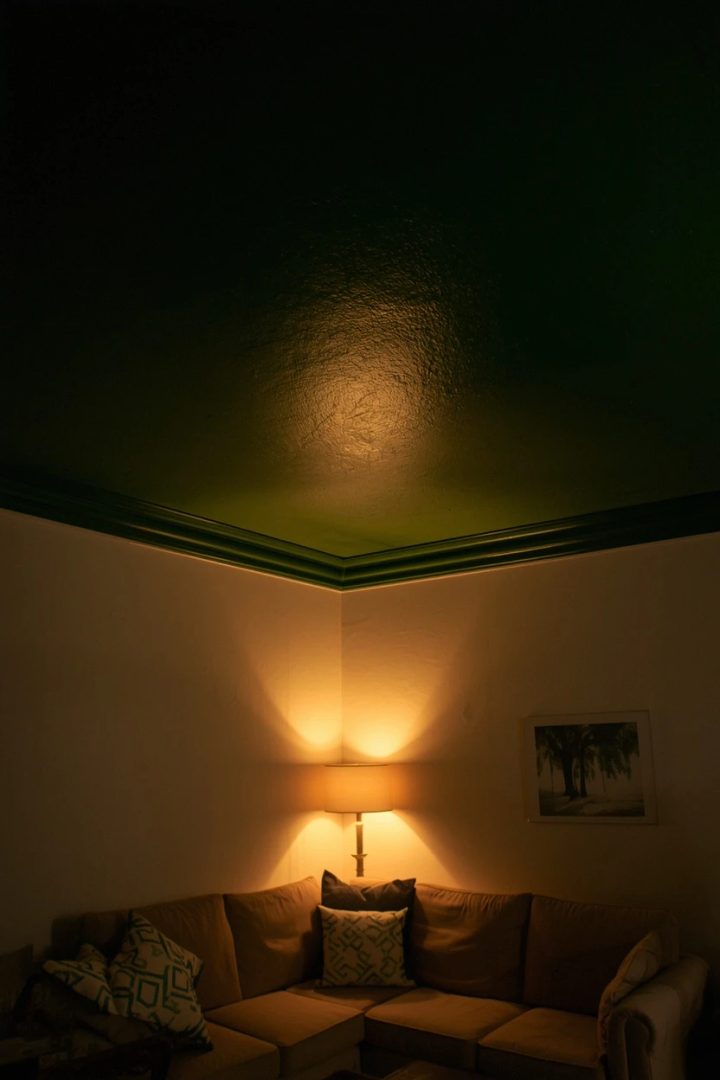
Idea 12: Painting the Ceiling a Different Colour
Painting the living room ceiling a different colour from the walls — a warm cream when the walls are white, or a deep tone like forest green or navy when the walls are light — creates a cocooning quality that a white ceiling cannot.
The cocooning effect: A darker ceiling lowers the apparent height of the room and creates an intimacy that feels deliberate and designed rather than accidental. It is one of the most underused renovation techniques in residential design.
The warm ceiling approach: In a living room with warm white walls, painting the ceiling in a warm cream (2–3 shades warmer than the walls) adds warmth to the entire room's lamplight reflection without obviously reading as a 'coloured ceiling.'
Idea 13: The Media Wall Redesign
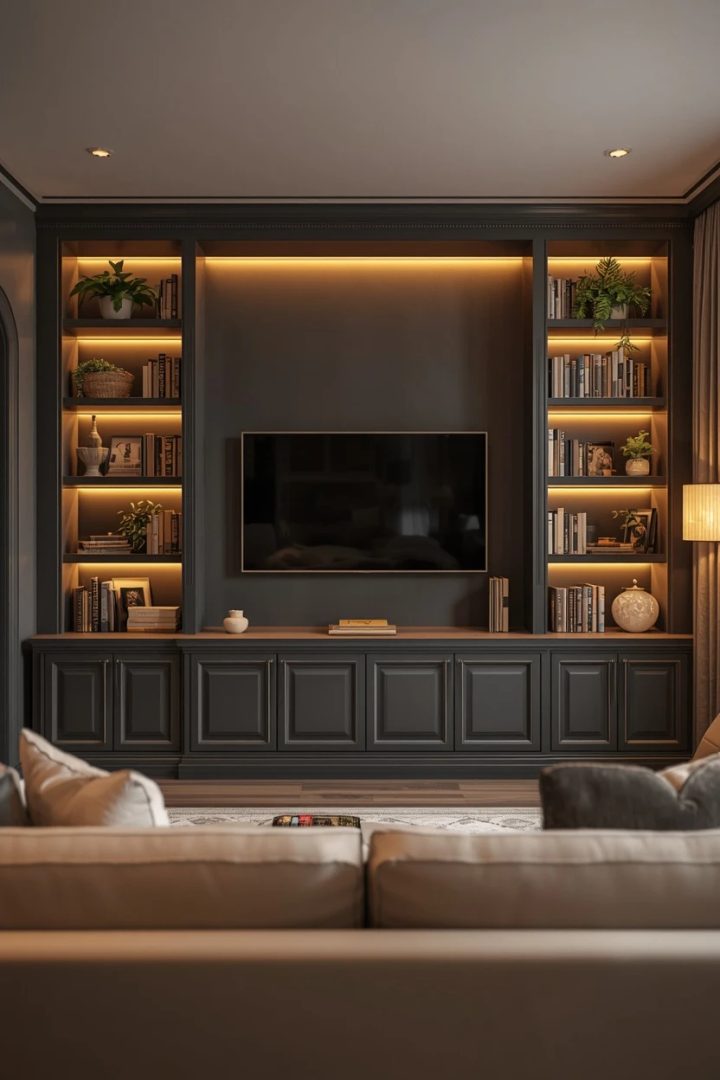
A purpose-built media wall — replacing the free-standing TV on a cabinet arrangement — integrates the television into the room's architecture and creates the most organised and most designed living room feature.
Components: A recessed or flush-mounted TV panel (with cable management fully concealed within the wall). Flanking shelving for display. A base run of closed cabinets for equipment and storage. Integrated LED lighting within the shelving.
The cable management requirement: A media wall without fully concealed cables is not a finished media wall. Plan cable runs and conduits before any carpentry is installed.
Cost: £1,500–£8,000 depending on size, materials, and whether the TV recess requires wall modification.
Idea 14: New Curtains and Window Treatment
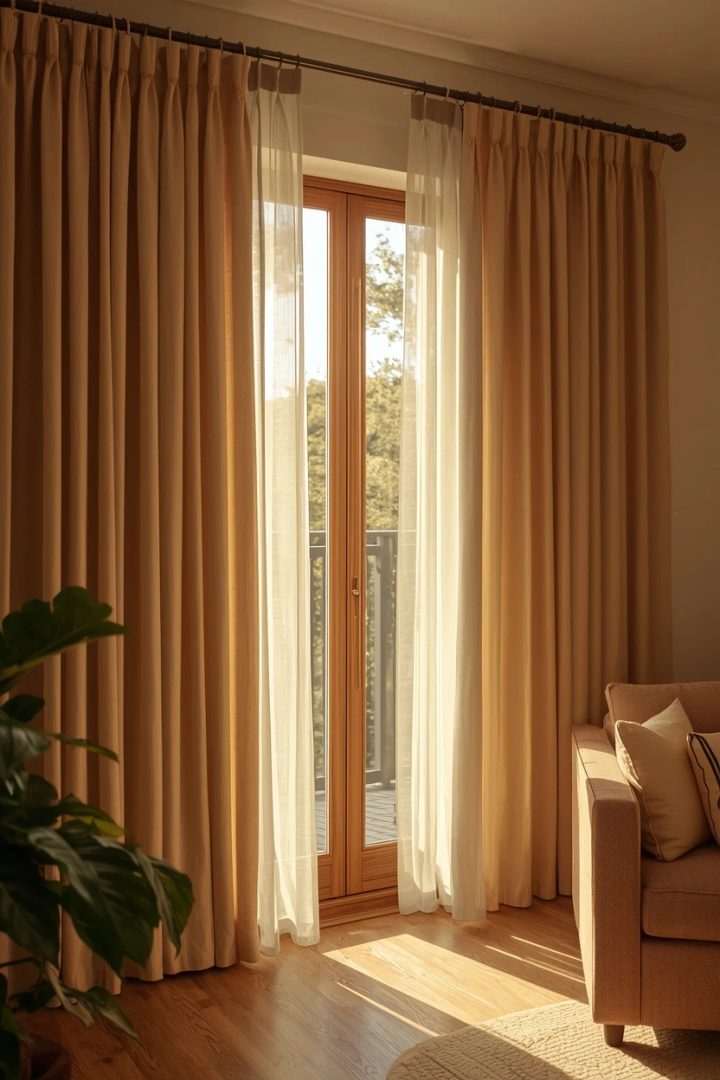
Replacing dated blinds or short curtains with floor-to-ceiling linen curtains hung from ceiling height is one of the most impactful renovations for the money — and one of the few that makes a room feel taller, wider, and more light-filled simultaneously.
The height rule: Curtain rod as close to the ceiling as possible. Curtains that clear the floor by 1–2cm. The length from ceiling to floor is the single most important curtain decision.
2026 curtain direction: Natural linen in warm cream, warm white, or earthy sage. Ripple-fold header on a ceiling track. Or a simple eyelet top on a wall-mounted rod with natural oak finials.
Idea 15: Replastering and a Fresh Paint Scheme
A full replaster of the living room walls — addressing cracks, uneven surfaces, and decades of patched repairs — followed by a carefully chosen paint scheme is the renovation that makes everything else in the room look better.
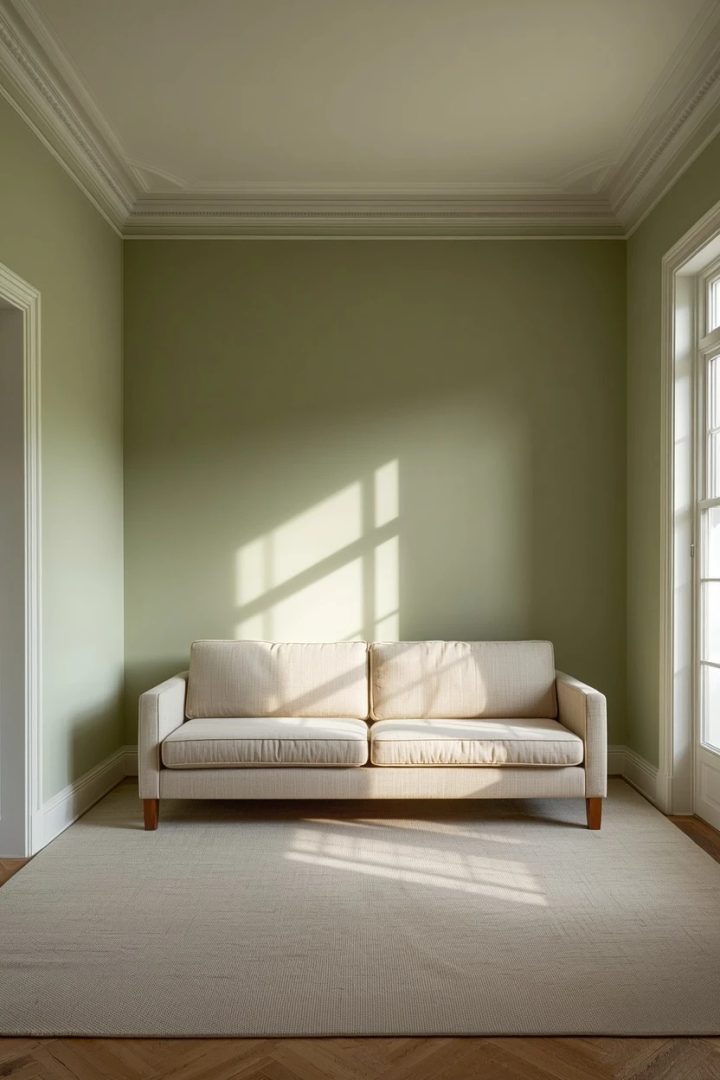
The paint scheme decision: A single warm white throughout (the most space-maximising choice). A feature wall in one strong colour with warm white on the other three (the most design-forward). Or a tonal scheme where walls, ceiling, and woodwork are all in the same colour family at different tones.
2026 paint directions: Warm whites with ochre or cream undertones (not cool stark white). Deep sage green for the feature wall. Warm terracotta or warm clay as a bold all-room choice in a confident home.
Idea 16: The Rug Upgrade
Replacing a small or worn rug with a larger, better-quality rug — sized correctly so all sofa legs sit on it — is the quickest single-purchase transformation in any living room renovation.
Size rule: In a living room with a three-seat sofa, the rug should be a minimum of 200x300cm. All front legs of the sofa, all legs of the coffee table, and all legs of the accent chairs should sit on the rug. A rug too small for the furniture makes the room feel improvised.
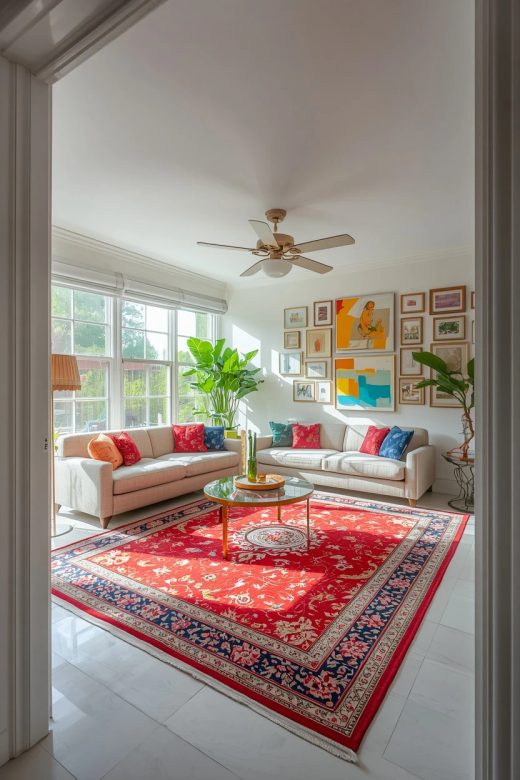
2026 rug direction: Oversized natural jute in a large braid or herringbone weave. A large Moroccan-style berber rug in cream with a geometric pattern. A flat-weave kilim in warm earthy tones. All replacing the grey or blue abstract rugs of the previous era.

Idea 17: Acoustic Renovation — Softer Surfaces
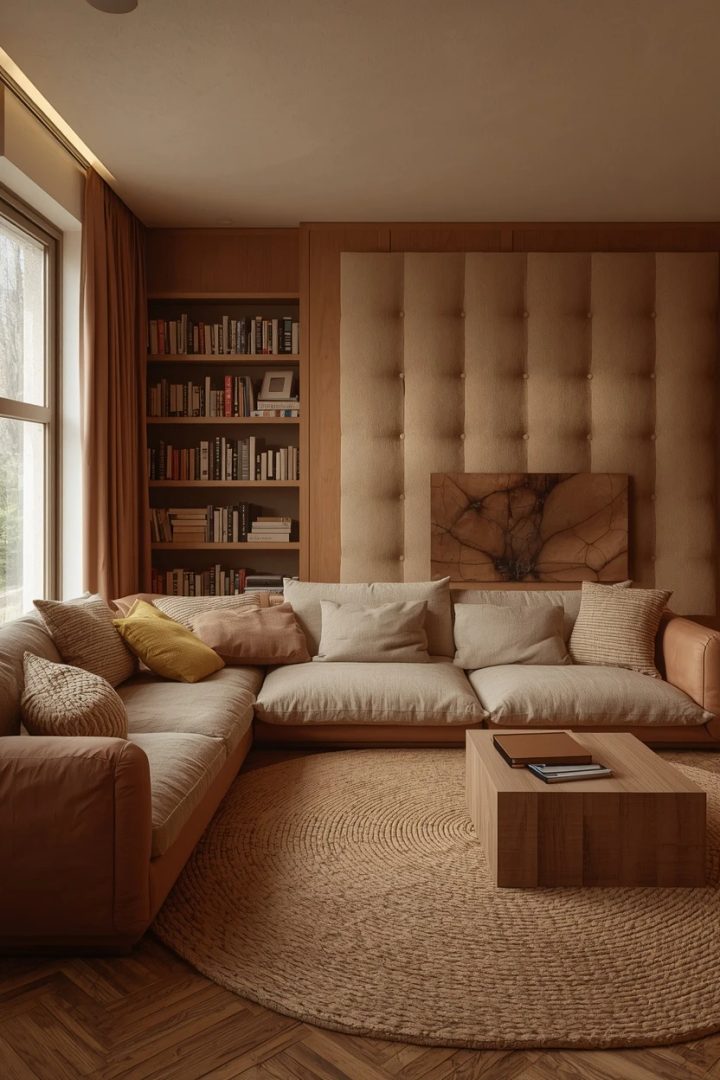
An often overlooked living room renovation: improving the acoustics by adding soft surfaces that absorb sound and reduce echo. Open-plan rooms, rooms with hard floors, and rooms with minimal soft furnishings all benefit from acoustic improvement.
The problem: A living room with hard floors, hard walls, and minimal soft furnishings echoes. Voices sound hollow. TV audio sounds thin. The room feels less intimate than it should.
The solution: A large rug. Heavy curtains. Upholstered furniture. A bookshelf full of books. Fabric wall panels. Each addition reduces reverberation. A room with all of these elements sounds warm and intimate.
The bonus: Every acoustic improvement is also a thermal improvement. Soft surfaces retain heat more effectively than hard surfaces.
Idea 18: The Garden Connection — Bifold or Sliding Doors
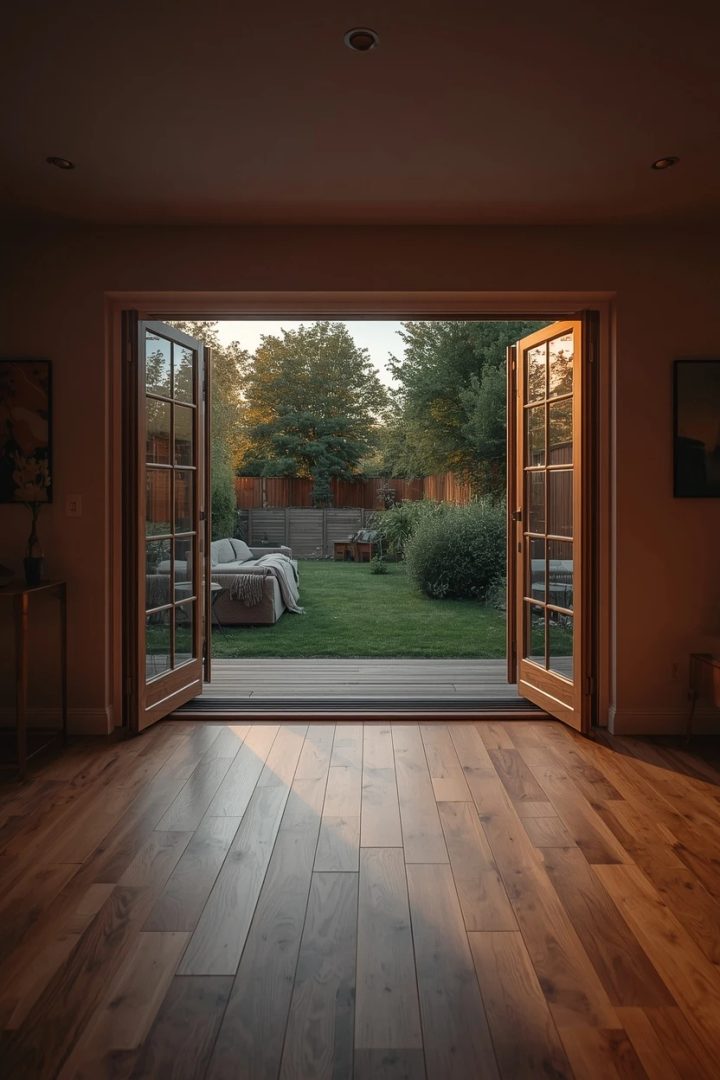
Installing bifold, sliding, or French doors to the garden — where previously there was a small window or a single door — is the renovation that most dramatically changes the relationship between the living room and the outdoor space.
The impact: Full-width bifold doors opened in summer make the living room and garden a single space. Even when closed, the glazing increases natural light significantly and creates a visual connection to the garden year-round.
Requirements: A structural opening (likely requiring a steel beam above). Building regulations notification. An electrician to relocate any sockets in the wall being opened. A flooring decision — the interior floor level typically needs to match or be close to the outdoor level for a seamless connection.
Idea 19: The Smart Home Integration
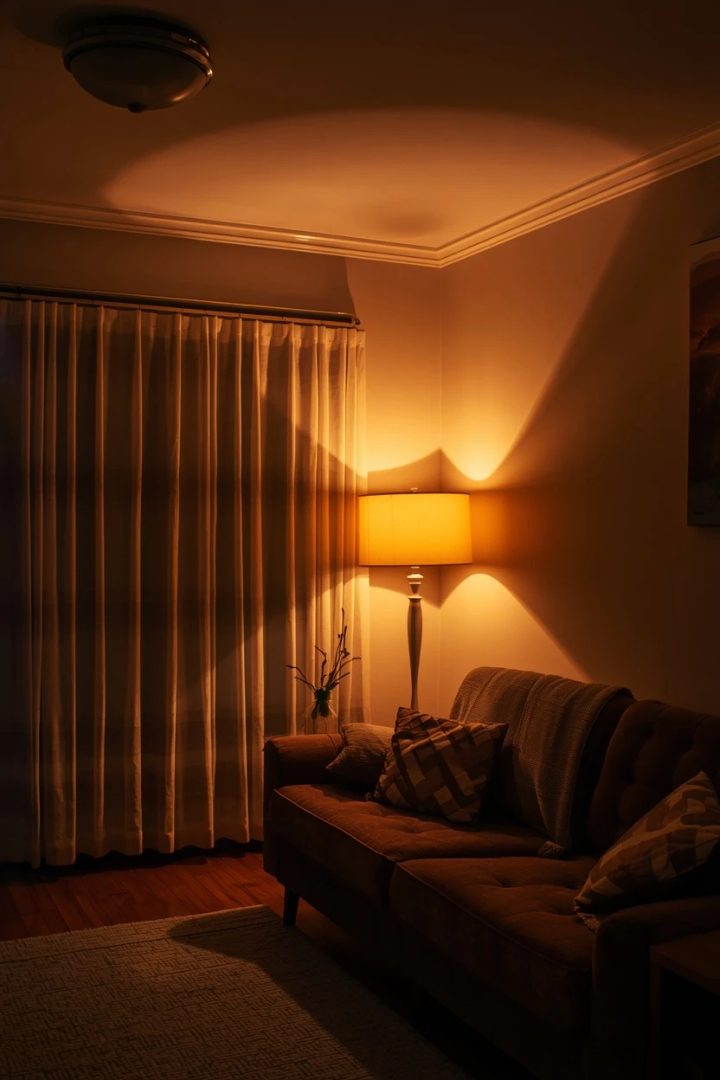
Integrating smart controls into the living room renovation — smart lighting (Philips Hue, LIFX, or wired smart switches), smart heating zone controls, and a motorised blind system — creates a living room that adapts to different uses and times of day with a single voice command or scene button press.
The practical benefit: One 'Evening' scene that dims the ceiling light, activates the table lamps, sets the heating to 20°C, and closes the blinds requires a single tap. This is not a luxury — it's a quality-of-life improvement that every room benefits from.
Best time to integrate: During the renovation, when walls are open and cable runs are accessible. Retrofitting smart wiring after plastering is possible but costly.
Idea 20: The Complete Living Room Renovation Sequence
A full living room renovation — combining structural, functional, and aesthetic changes — should follow a specific sequence to avoid costly rework.
Phase 1 — Structural: Wall removal, window enlargement, or door installation. Any work that requires building control approval.
Phase 2 — First fix: Electrical rewiring, new lighting circuits, underfloor heating pipework or mat installation. Everything done before plastering.
Phase 3 — Plastering and ceiling: Full replaster of walls and ceiling. New coving or cornice if planned. Let dry fully (minimum 4 weeks for traditional plaster, 1 week for board finish).
Phase 4 — Second fix: Light fittings, sockets, and switches. Door frames and skirtings. Fireplace surround.
Phase 5 — Decoration: Painting, wallpapering, feature wall treatments. Flooring installation.
Phase 6 — Furnishing and styling: Furniture placement, curtains, rugs, lighting accessories. The final aesthetic choices that make the renovation a living room.
📌 Important Note
The biggest living room renovation mistake is completing the structural and functional work then running out of budget for the finishing touches.
A beautifully replastered room with poor lighting and the wrong rug will look worse than a structurally unremarkable room with excellent lighting and a beautiful rug.
Reserve 20–30% of the renovation budget for Phase 5 (decoration) and Phase 6 (furnishing and styling).
These final phases determine how the renovation is experienced — and they are almost always underbudgeted.
Living Room Remodel Planning Checklist
• Write a brief: what specifically must the room do differently after renovation?
• Establish a realistic budget including a 15–20% contingency
• Plan the renovation sequence: structural first, decoration last
• Get three quotes for any trade work requiring a specialist
• Obtain building control permission for any structural work before starting
• Book the electrician before the plasterer — first-fix wiring before plastering
• Order 15% extra flooring for cuts and future repairs
• Plan lighting from the start — retrofitting additional circuits is expensive
• Reserve 25% of budget for the final furnishing and styling phase
Frequently Asked Questions
What is the most impactful living room renovation?
The renovation with the highest impact-to-cost ratio is the lighting redesign — moving from a single overhead source to a layered system of table lamps, floor lamps, and wall lights. The second highest impact for money is flooring replacement with wide-plank engineered oak. The most transformative single renovation structurally is opening the living room to the kitchen.
How much does a living room renovation cost?
A cosmetic refresh (paint, curtains, rug, lighting accessories): £500–£3,000. A mid-range renovation (new flooring, replastering, built-in storage, new lighting circuit): £5,000–£15,000. A full structural renovation (wall removal, new windows, complete replaster, flooring, built-ins, fireplace): £15,000–£40,000+.
How long does a living room renovation take?
A cosmetic refresh: 1–2 weeks. A mid-range renovation with replastering: 4–8 weeks including drying time. A full structural renovation: 8–16 weeks. Always add 20–30% to estimated timelines — living room renovations consistently take longer than projected.
Do I need planning permission for a living room renovation?
Internal works (replastering, new flooring, built-in storage, lighting) require no planning permission. Structural wall removal requires building control notification and potentially planning permission if it's load-bearing. Window or door enlargement typically requires planning permission if it alters the external appearance of the property.
What living room renovation adds the most value to a property?
Opening to the kitchen (open-plan layout), quality new flooring, built-in storage, and a quality lighting system are the renovations most consistently cited by estate agents as adding measurable value. New windows and bifold garden doors add both value and saleability in most markets.
Final Thoughts
A living room renovation done well is an investment in how you live every day — not just in the property's value.
Plan the sequence carefully. Build to brief, not to trend. Reserve budget for the finishing touches that make the renovation feel complete.
A room renovated with intention and finished with care will outlast any room renovated to chase a momentary aesthetic direction.