19 Living Room Layout Ideas to Arrange Your Space Beautifully
 By zarcoyt2025
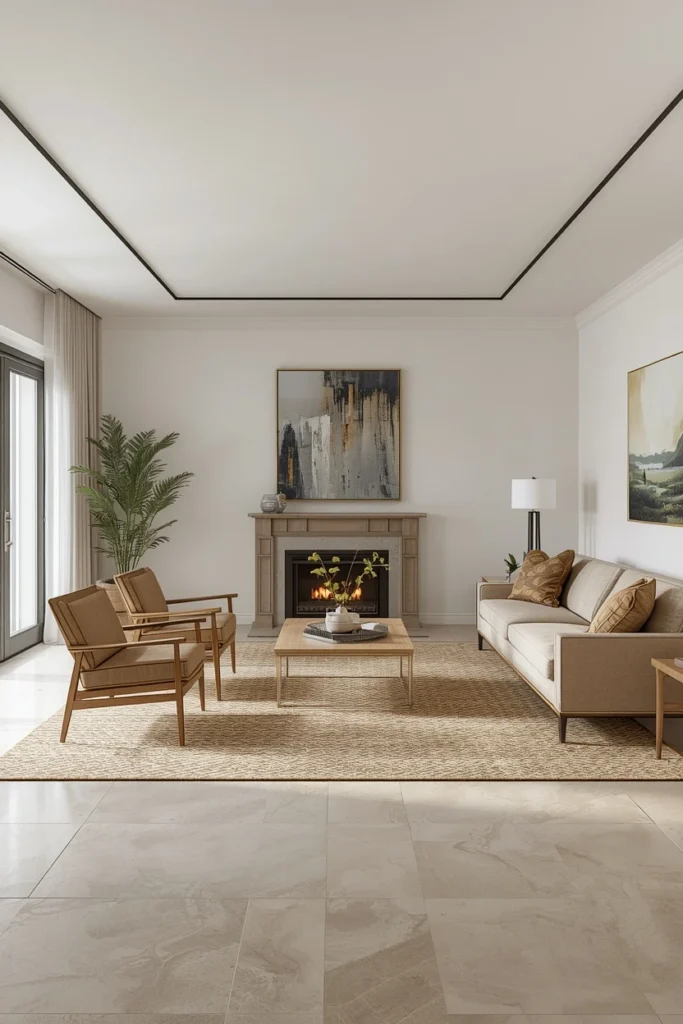
Table of Contents
- 1. The Focal-Point Living Room
- 2. The Conversation Layout Living Room
- 3. The Two-Sofa Symmetry Living Room
- 4. The Sofa-and-Chairs Living Room
- 5. The Small Living Room Layout
- 6. The Open-Plan Zoned Living Room
- 7. The TV-Focused Living Room
- 8. The Fireplace-Focused Living Room
- 9. The L-Shaped Sectional Living Room
- 10. The Clear-Pathways Living Room
- 11. The Floating Furniture Living Room
- 12. The Long and Narrow Living Room
- 13. The Symmetrical Balance Living Room
- 14. The Multi-Functional Living Room
- 15. The Cozy Corner Living Room
- 16. The Reading Nook Layout Living Room
- 17. The Awkward-Shape Living Room
- 18. The Entertaining Layout Living Room
- 19. The Complete Living Room Layout
- Where I’d Start if I Only Did Three Things
- FAQs
- Final Thoughts
A great living room layout does quiet, invisible work — it decides how the room flows, how sociable it feels, how easy it is to move around, and how comfortable it is to relax in, all before a single decorative choice is made. The best layouts come from a few clear principles: arranging the seating around a focal point, creating a comfortable conversation distance, keeping clear walking paths, and matching the arrangement to the size and shape of the space you actually have.
Each of these 19 living room layout ideas is a complete approach you can apply, a way of arranging the whole room around one clear principle or situation rather than a single piece of furniture. Find the version that matches your room’s size, shape, and how you live, and use it as a blueprint for a layout that flows well, encourages conversation, and makes the very most of your space.
1. The Focal-Point Living Room
The most important principle of a living room layout is arranging the seating around a clear focal point — usually a fireplace, a TV, or a window with a view. Orient the sofa and chairs toward the feature so the room has a natural anchor and sense of order. The focal point gives the layout direction. It suits every living room, since deciding what the room should center on makes every other placement decision clearer and is the foundation of a layout that feels intentional and settled.
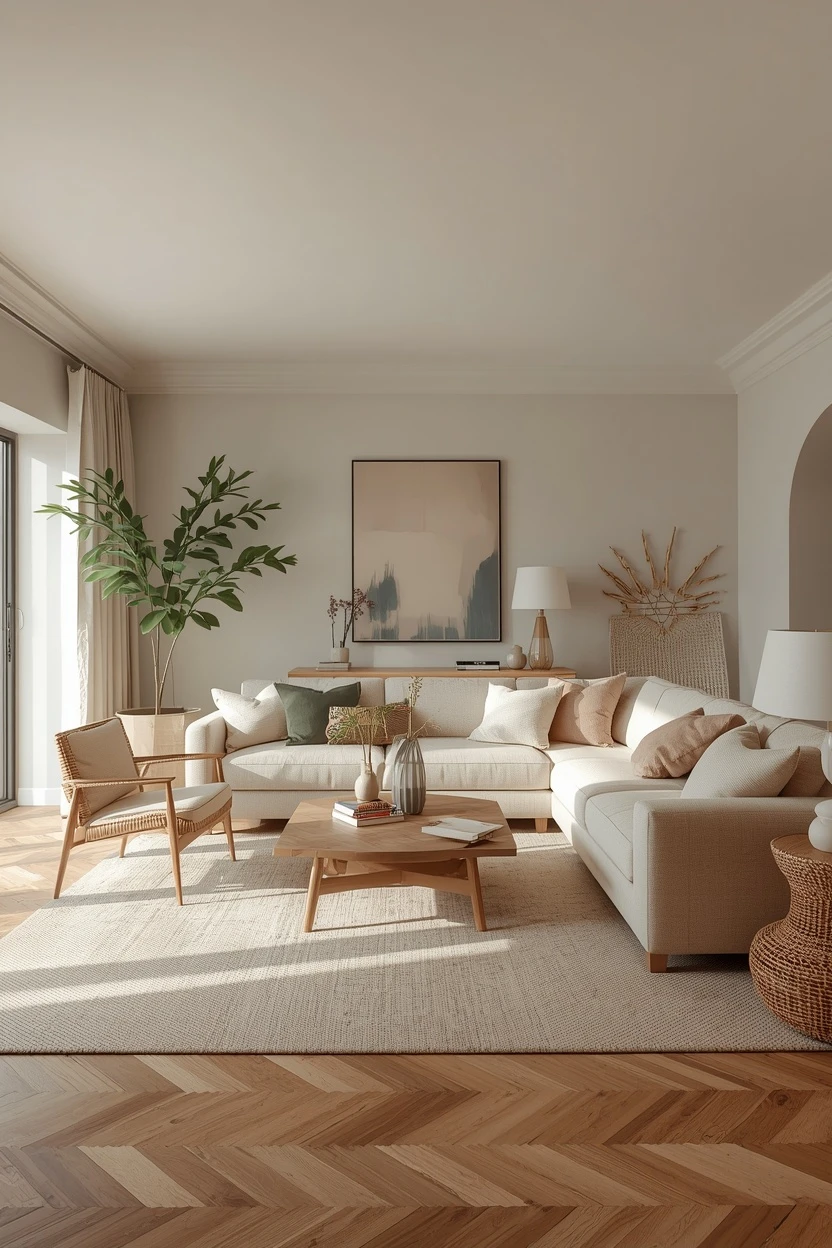
2. The Conversation Layout Living Room
Arranging seating into a close, inward-facing group — a sofa and chairs around a central coffee table — creates an intimate conversation layout where everyone can talk comfortably without raising their voices. Pull the furniture together rather than pushing it against the walls, keeping the seats within easy talking distance. The closeness encourages connection. It suits any sociable home, since a conversation-focused layout is one of the most welcoming arrangements, making a living room feel friendly, intimate, and genuinely comfortable for gathering.
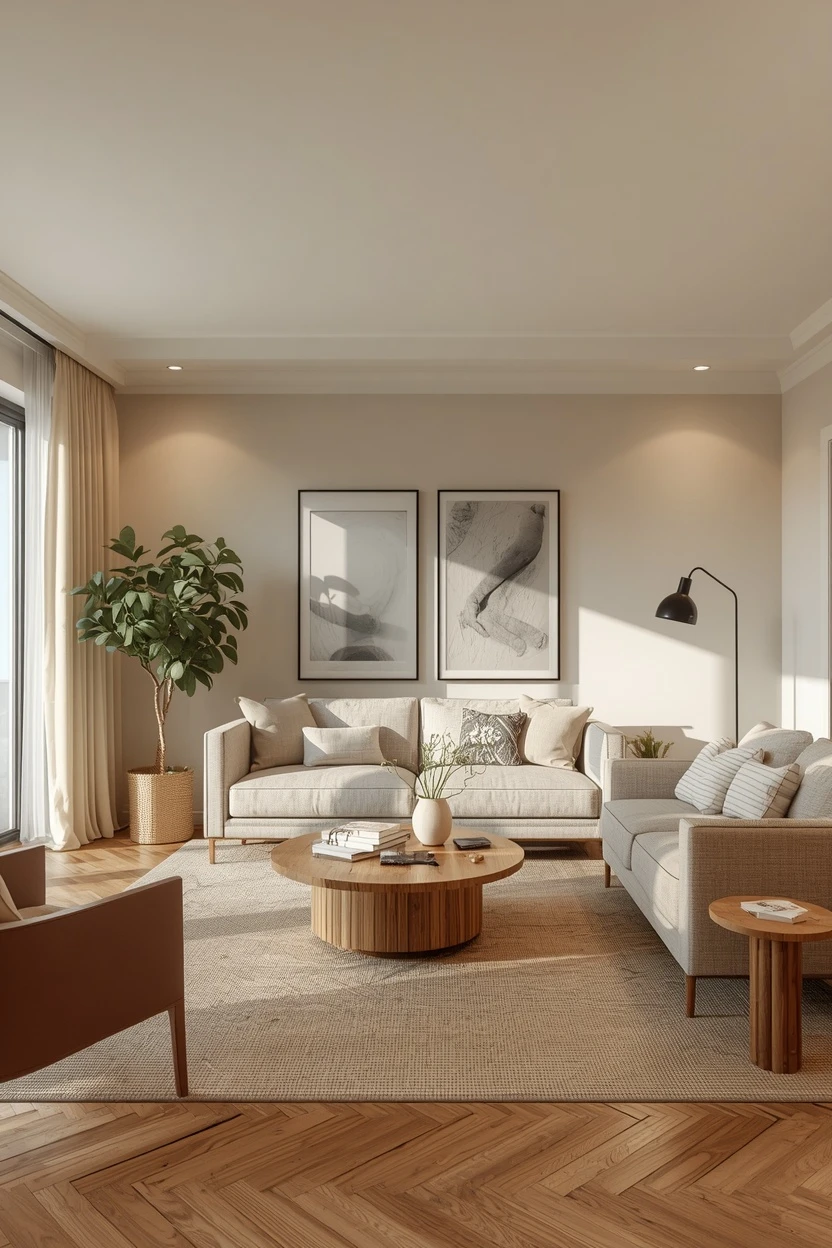
3. The Two-Sofa Symmetry Living Room
Placing two matching sofas facing each other across a coffee table is a classic, elegant arrangement that creates instant balance and a natural conversation zone. The symmetry brings order and a gracious, formal quality, anchored by a rug between them. The mirrored layout reads calm and considered. It suits formal and family living rooms alike, since two facing sofas is one of the most reliable and stylish living room layouts, balancing the room and providing generous, sociable seating.
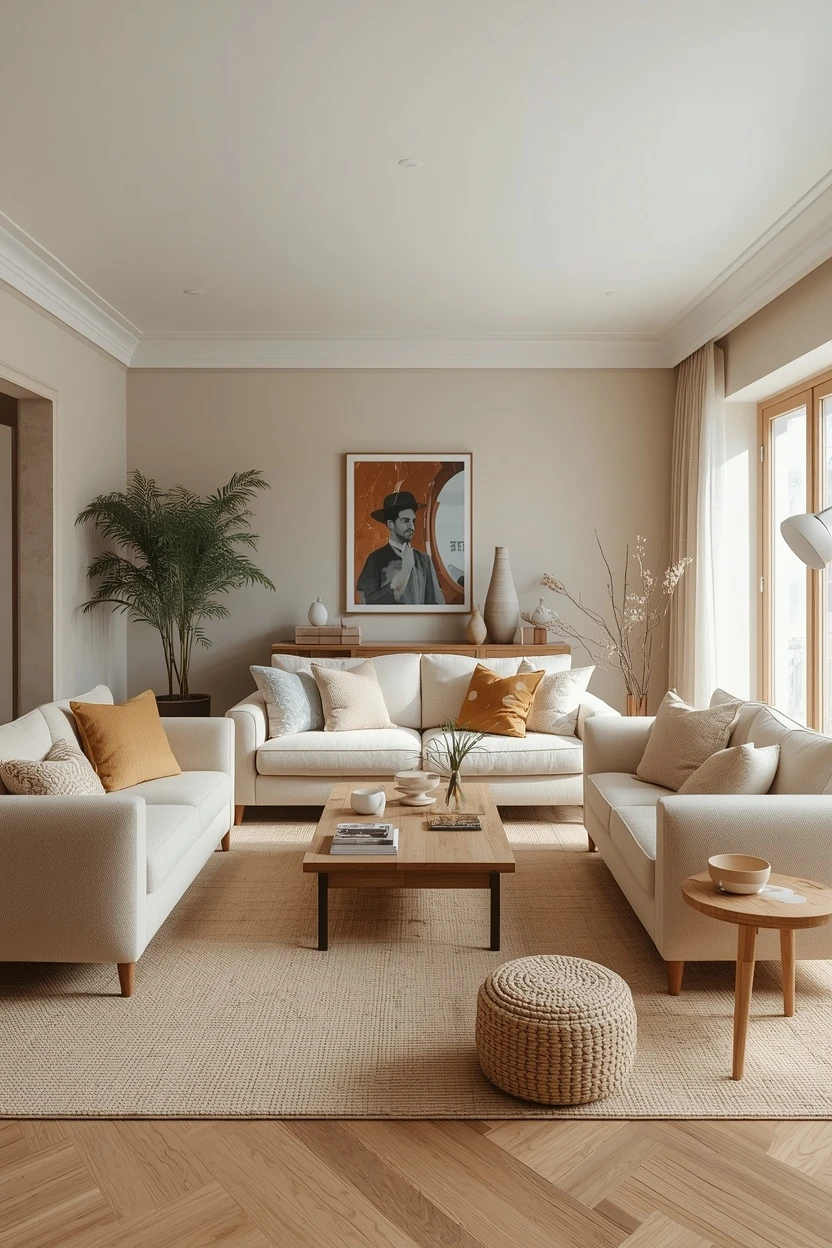
4. The Sofa-and-Chairs Living Room
A versatile, welcoming arrangement pairs a main sofa with two accent chairs angled toward it and a coffee table between, creating a balanced, sociable layout that suits most rooms. The chairs add flexible seating and break up the mass of a single sofa. The arrangement reads warm and adaptable. It suits the majority of living rooms, since a sofa-plus-chairs layout is one of the most practical and comfortable ways to arrange seating, offering balance, conversation, and easy flow.
5. The Small Living Room Layout
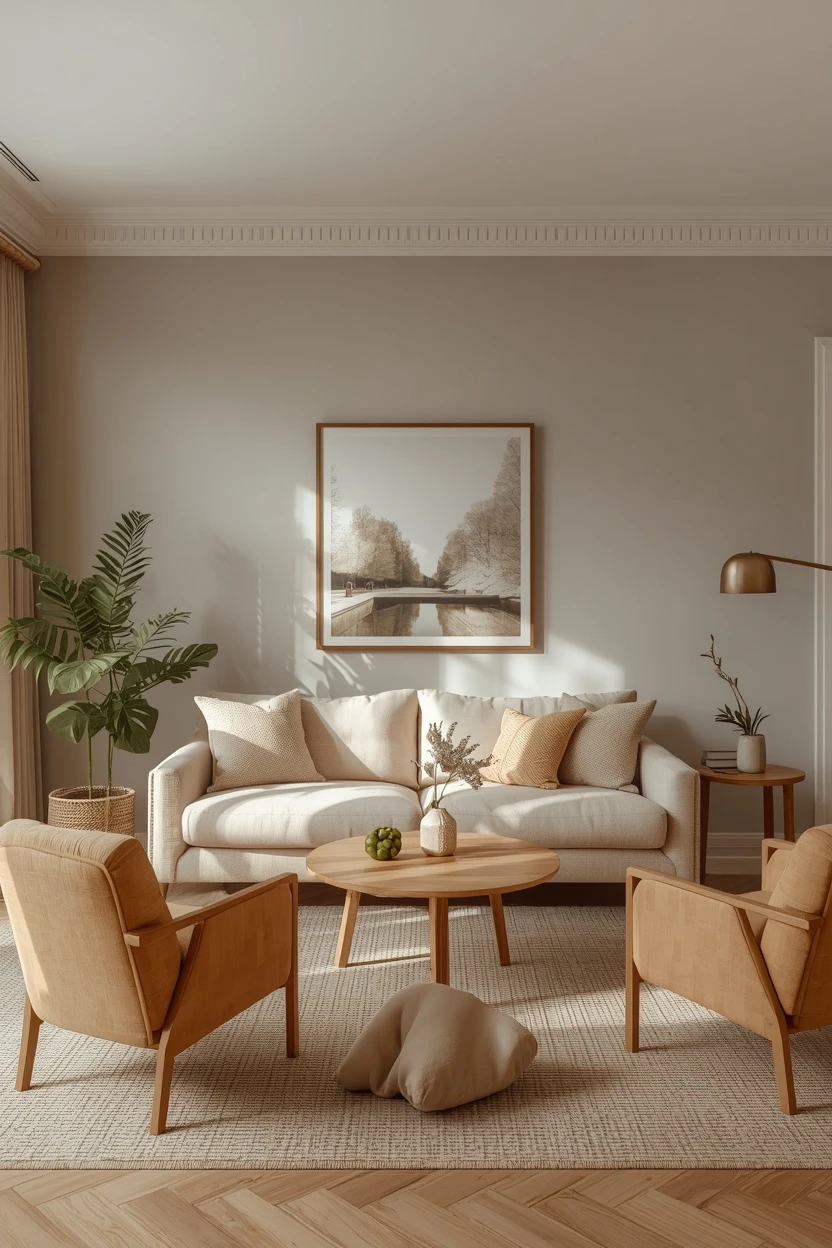
In a small living room the layout must earn every inch, so choosing appropriately scaled furniture, pushing larger pieces toward the walls, and keeping the floor clear makes the space feel as open as possible. A loveseat, a couple of slim chairs, and a compact coffee table keep it uncluttered. Clear paths matter most. It suits any compact room, since a small living room layout is about prioritizing flow and scale over grandeur, making the space feel comfortable and as roomy as possible.
6. The Open-Plan Zoned Living Room
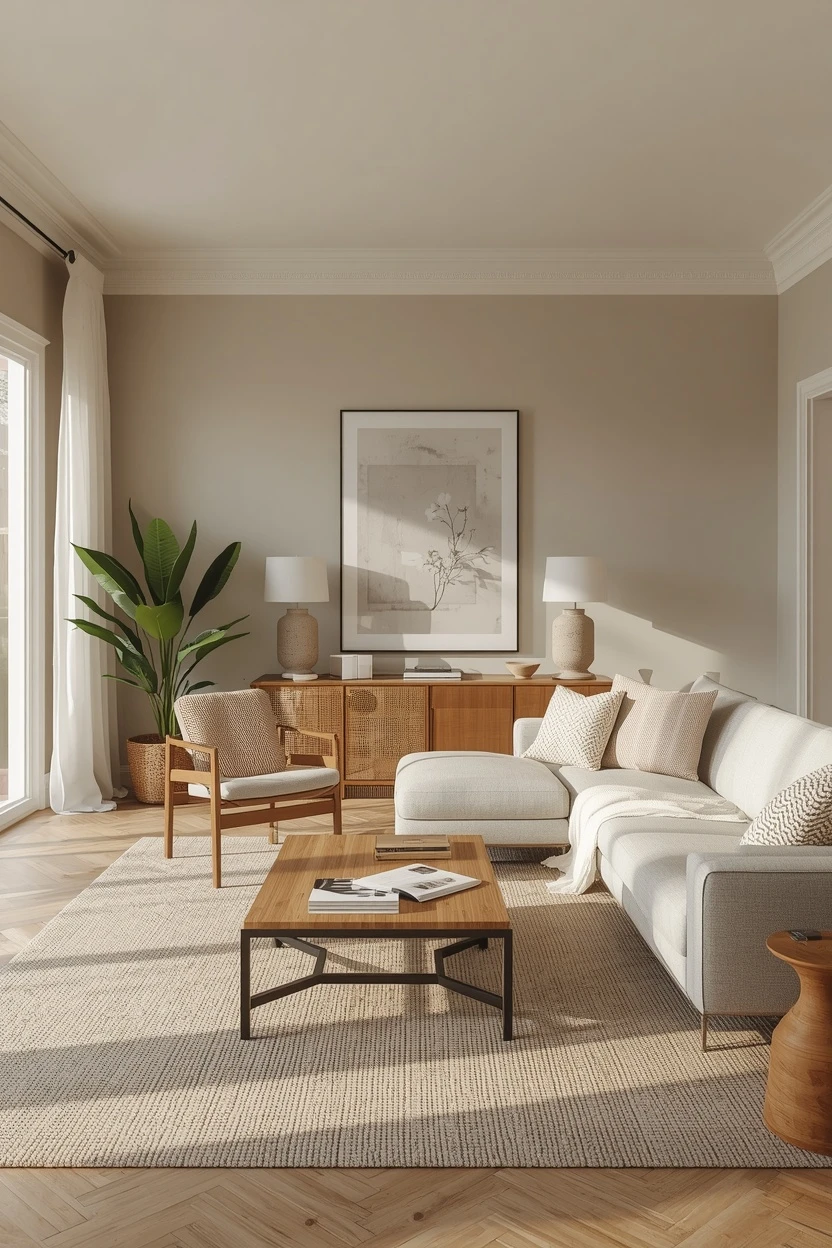
In an open-plan space, the layout should define the living zone clearly — using a rug, the placement of the sofa, and furniture grouping to mark the lounge area within the larger room. Position the sofa to anchor or divide the zone, keeping walkways clear to the other areas. The zoning brings order. It suits open-plan homes, since a well-zoned layout lets the living area feel defined and purposeful within an open space rather than blurring into the rest of the room.
7. The TV-Focused Living Room
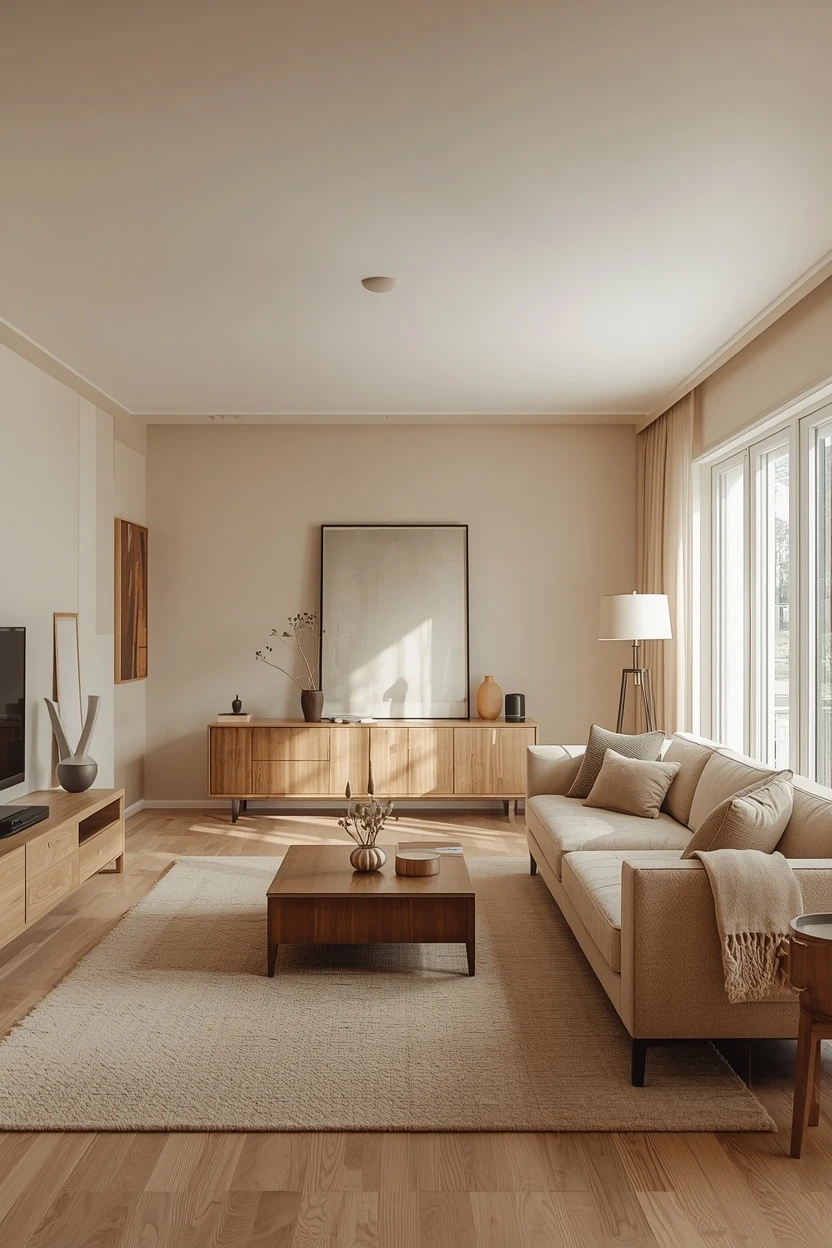
When the television is the focal point, arranging the seating for comfortable, well-angled viewing — the sofa facing the screen at a sensible distance, with chairs angled in — makes the layout work for everyday life. Mount or place the TV at the right height and keep the main seating squared to it. The arrangement reads practical and relaxed. It suits family and media rooms, since a TV-focused layout is the most realistic for many homes, prioritizing comfortable viewing while still allowing for conversation.
8. The Fireplace-Focused Living Room
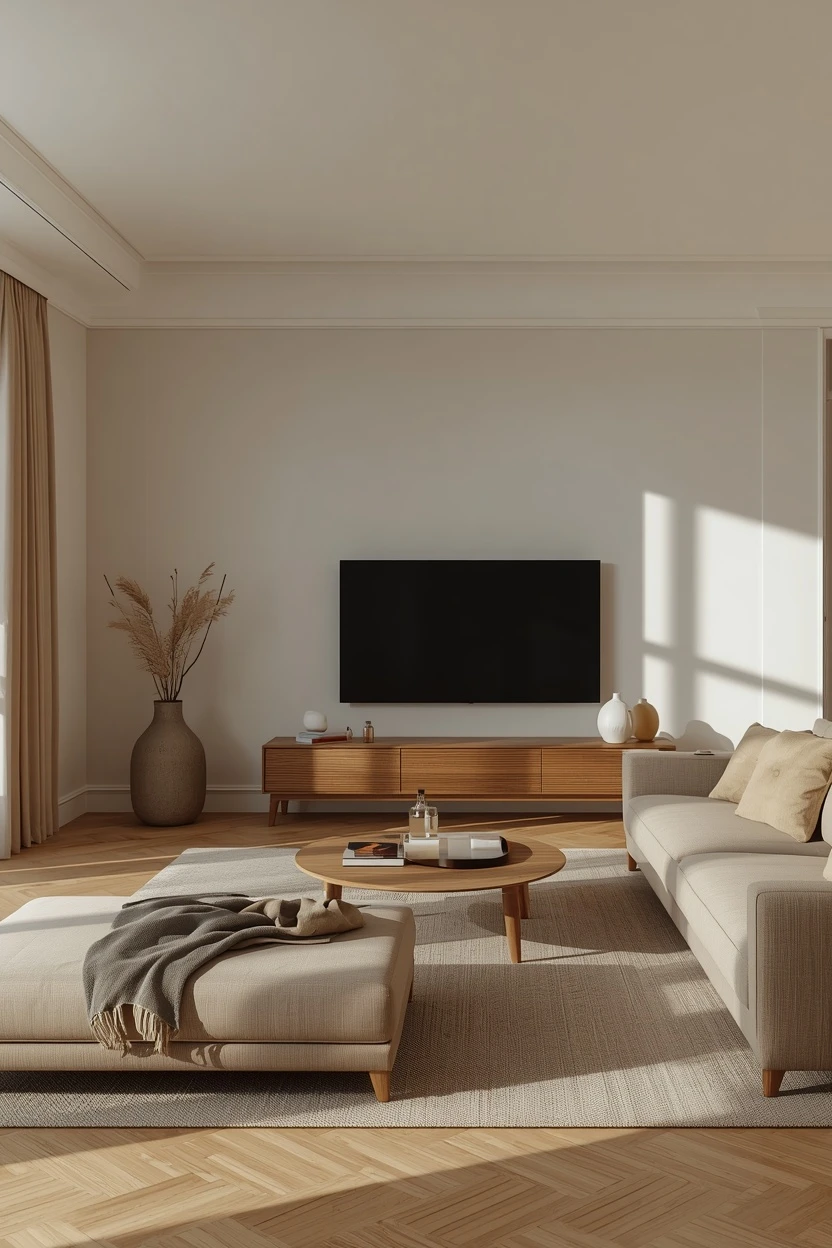
When a fireplace anchors the room, arranging the seating to face or flank the hearth creates a warm, classic, inviting layout centered on the fire. Angle the sofa and chairs toward the fireplace, with a rug grounding the group. The hearth gives the room a cozy focal point. It suits any room with a fireplace, since a fireplace-focused layout is one of the most timeless and welcoming arrangements, drawing the seating around the natural warmth and beauty of the fire.
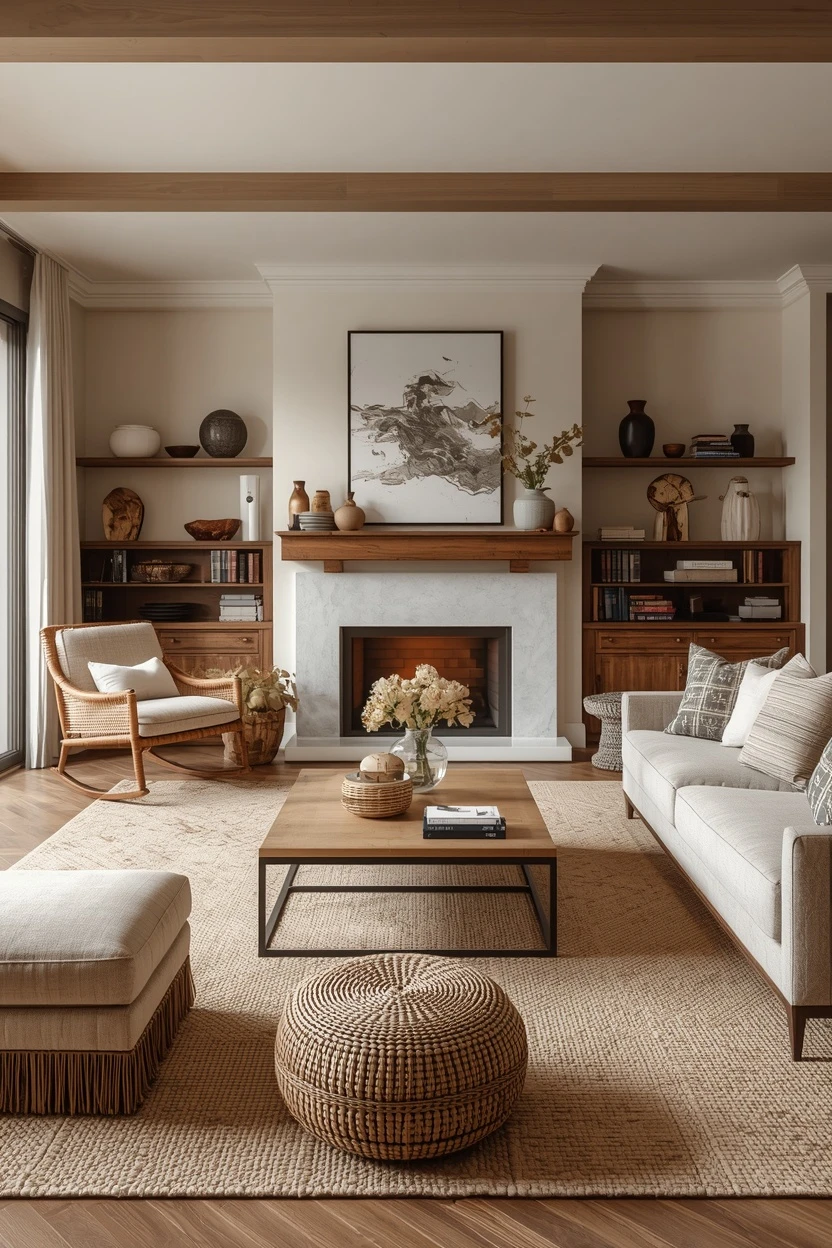
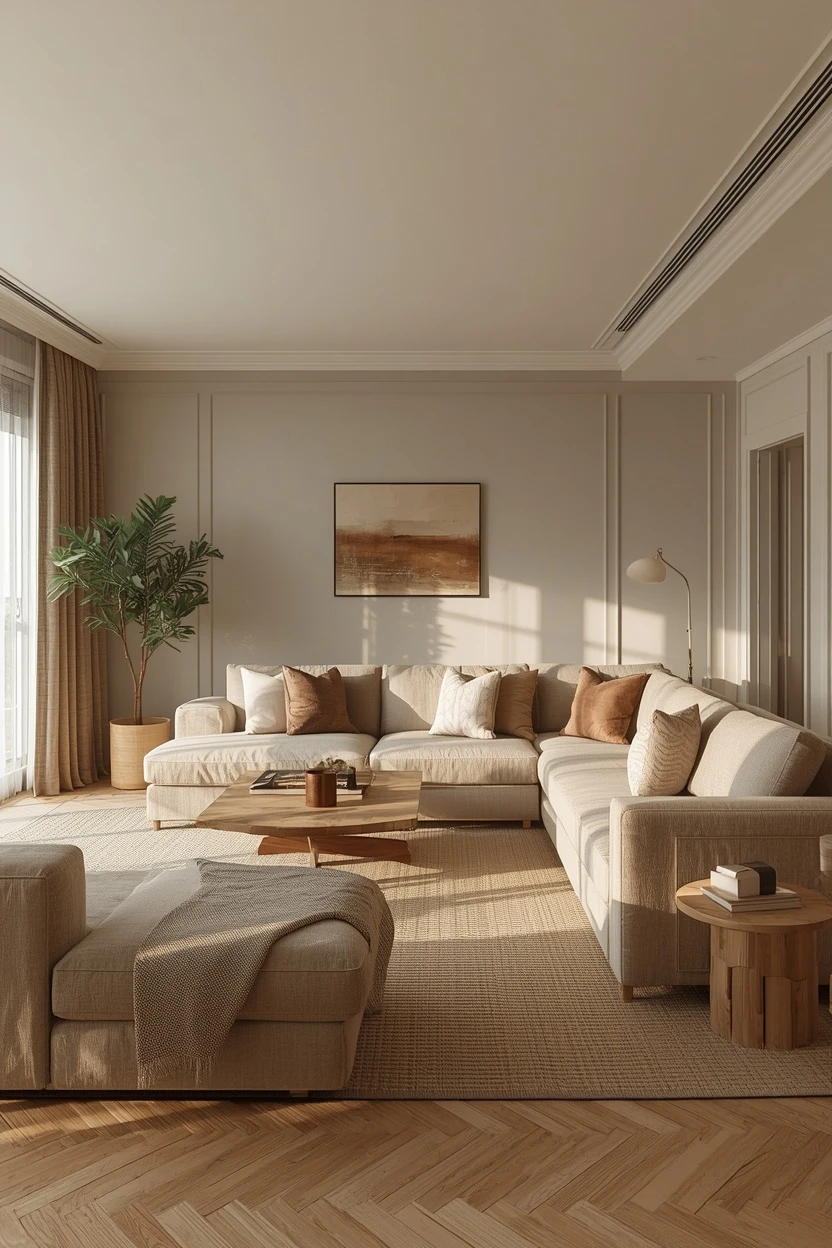
9. The L-Shaped Sectional Living Room
An L-shaped sectional is a practical, cozy layout anchor, fitting neatly into a corner, maximizing seating, and creating a relaxed hub for the whole family. Position the sectional to face the focal point and pair it with a chair or two for flexibility. The sectional grounds the room comfortably. It suits family and casual living rooms, since an L-shaped sectional layout offers generous, sociable seating and makes excellent use of space, especially in a corner or open-plan setting.
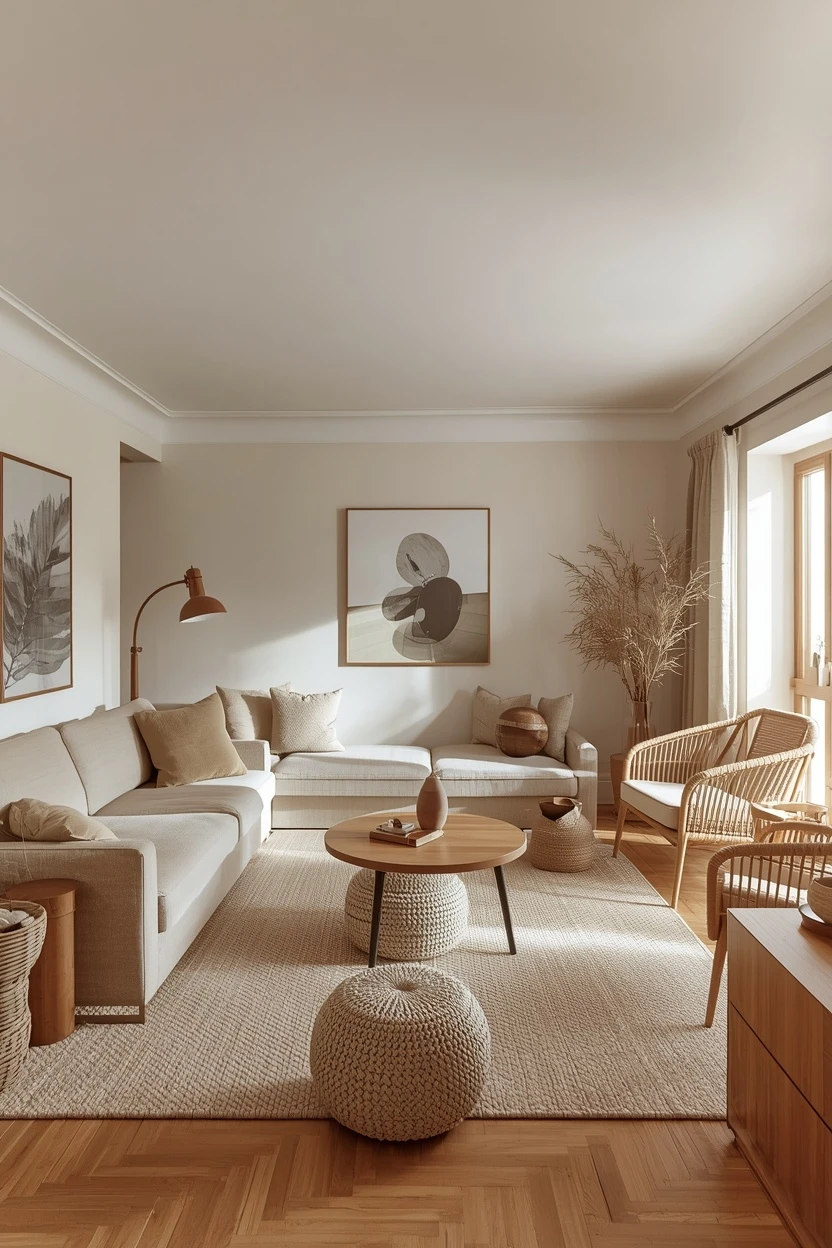
10. The Clear-Pathways Living Room
Whatever the room, a good layout leaves clear, generous walking paths — an unobstructed route through the space and around the seating, ideally without squeezing between furniture. Map the circulation first, then arrange the seating around it. Smooth flow is the foundation of comfort. It suits every living room, since clear pathways are what make a room feel easy and pleasant to move through, and protecting them is worth prioritizing even over fitting in an extra piece of furniture.
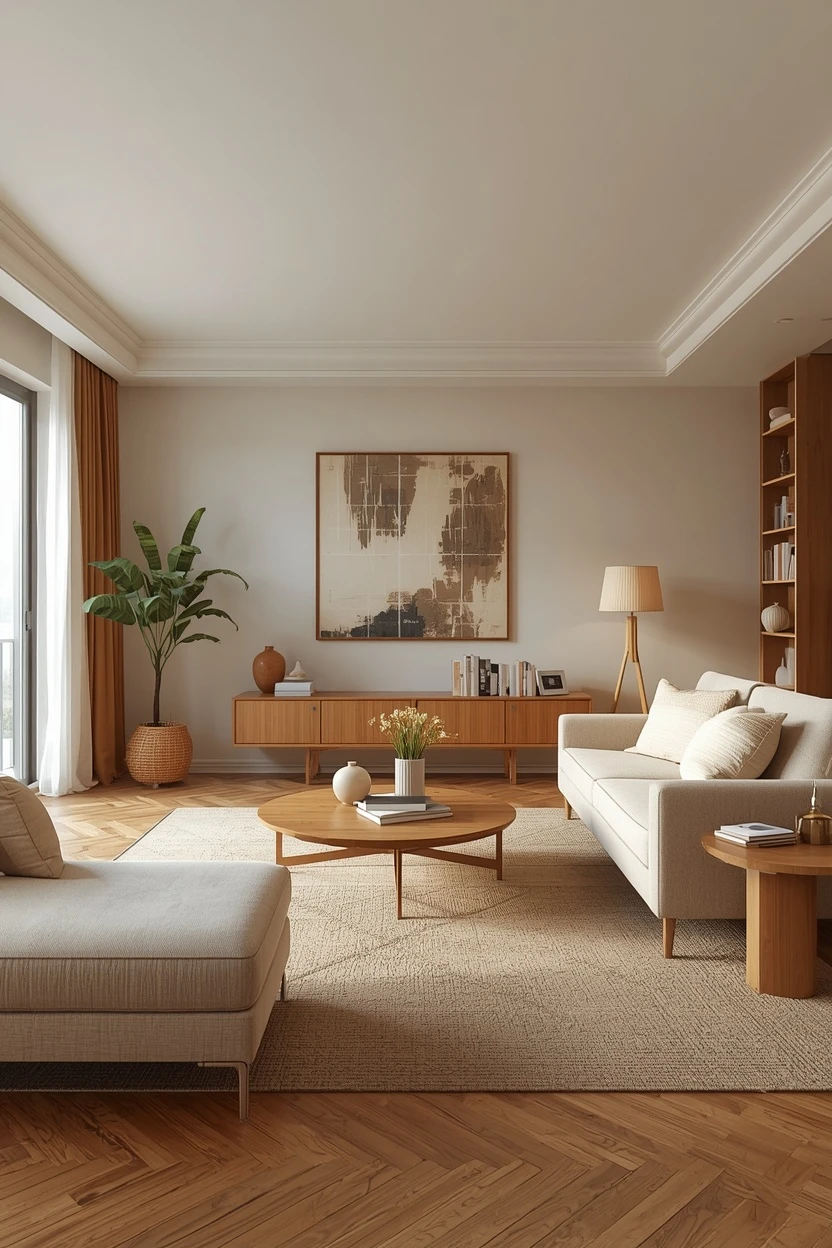
11. The Floating Furniture Living Room
In a larger room, floating the furniture away from the walls — pulling the sofa and chairs into the center around a rug — creates a more intimate, intentional layout with room to circulate behind. A console behind the sofa adds function and defines the zone. The arrangement reads designed and cozy. It suits spacious living rooms, since floating the furniture is a key technique for making a large room feel intimate and purposeful rather than sparse, with seating pushed uncomfortably to the edges.
12. The Long and Narrow Living Room
A long, narrow living room needs a layout that breaks up the corridor feel, so zoning the length into areas — a main seating zone and a secondary spot like a reading nook or desk — and arranging furniture across the width helps. Avoid lining everything along the long walls. Cross-room placement balances the proportions. It suits awkwardly proportioned rooms, since a thoughtful layout makes a long, narrow living room feel far more balanced and usable than its shape would suggest.
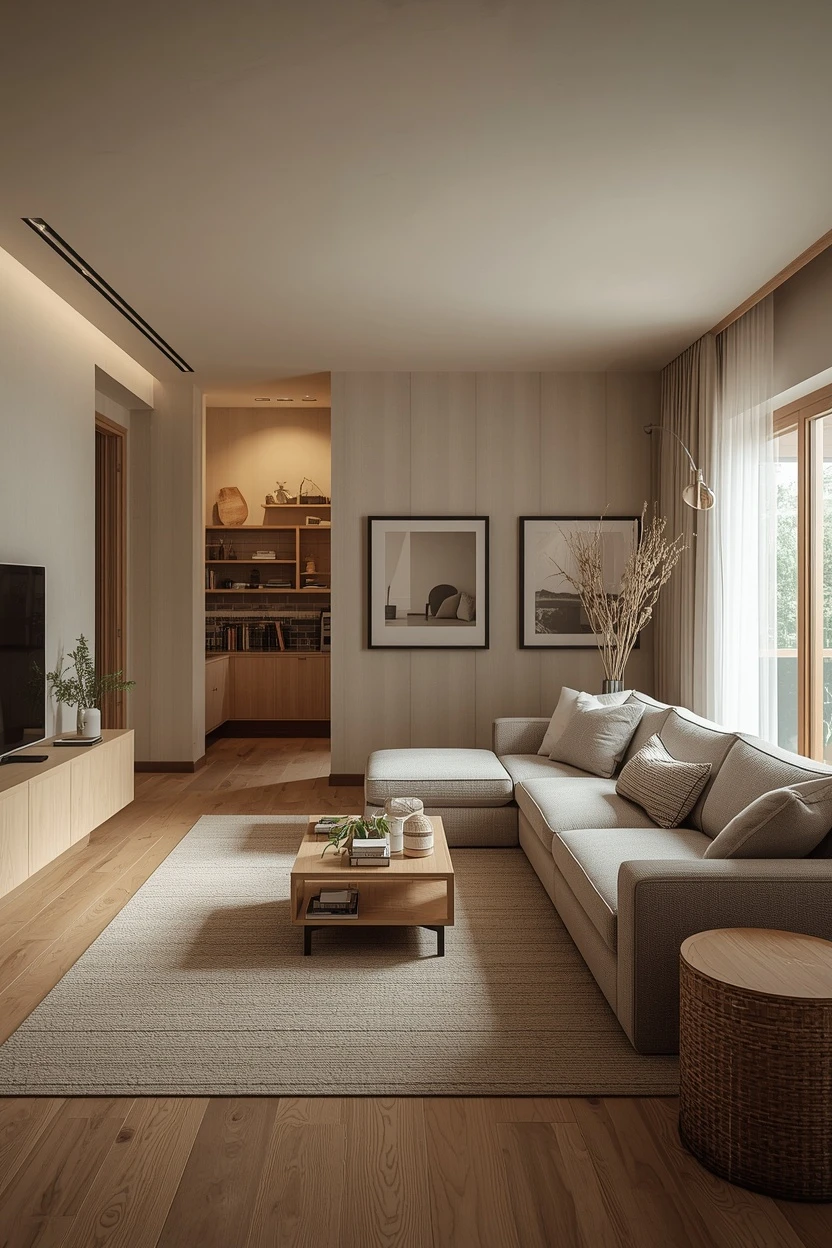
13. The Symmetrical Balance Living Room
Arranging the room symmetrically — matched sofas or chairs, paired lamps and side tables, balanced either side of a central focal point — creates a calm, formal, harmonious layout. The visual balance reads gracious and considered, mirroring elements around the fireplace or window. The symmetry settles the room. It suits anyone wanting a polished, classic look, since a symmetrical layout is one of the most effective ways to make a living room feel ordered, elegant, and intentional.
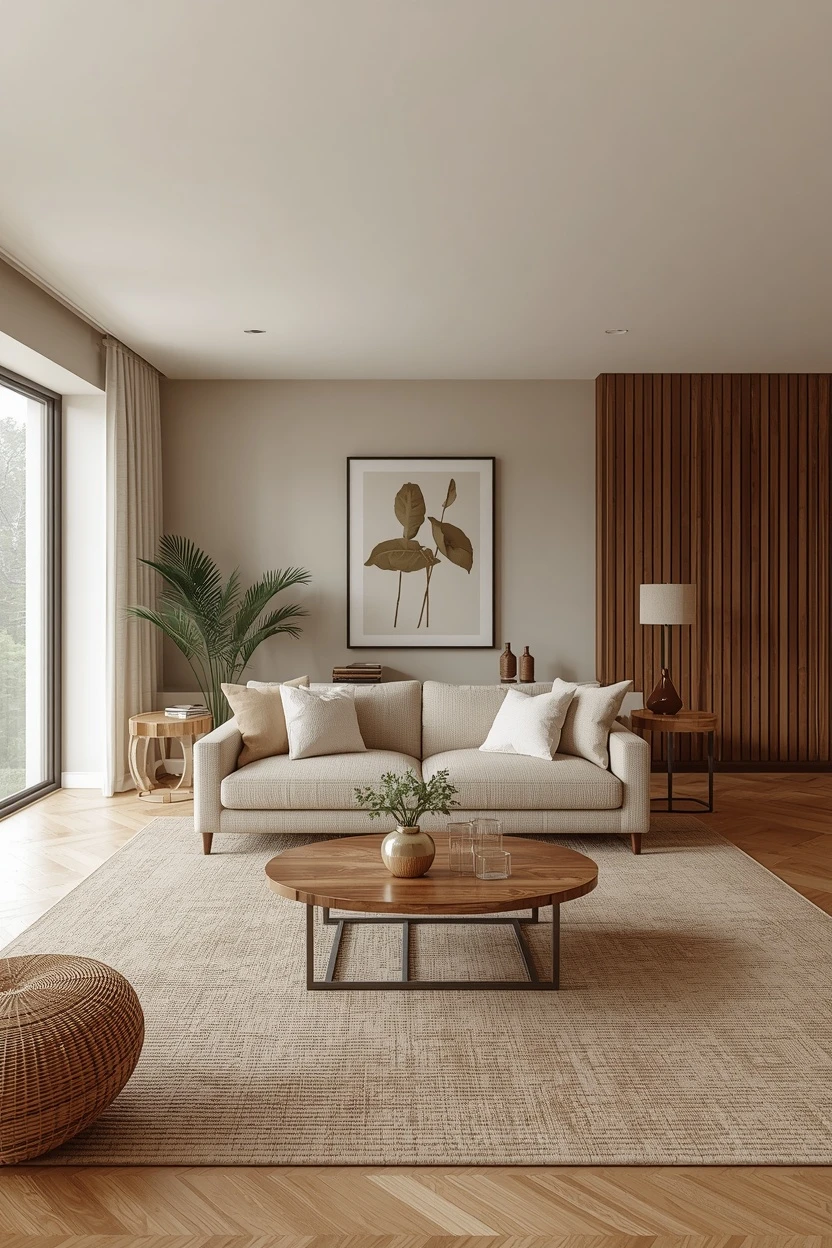
14. The Multi-Functional Living Room
When the living room must do several jobs — relaxing, working, dining, or play — a layout that zones the space for each function keeps it ordered. Use rugs, furniture placement, and a console or shelf to define a seating zone and a work or extra zone. The zoning keeps it purposeful. It suits busy households and small homes, since a multi-functional layout lets one living room serve several needs while still feeling calm and arranged rather than cluttered and chaotic.
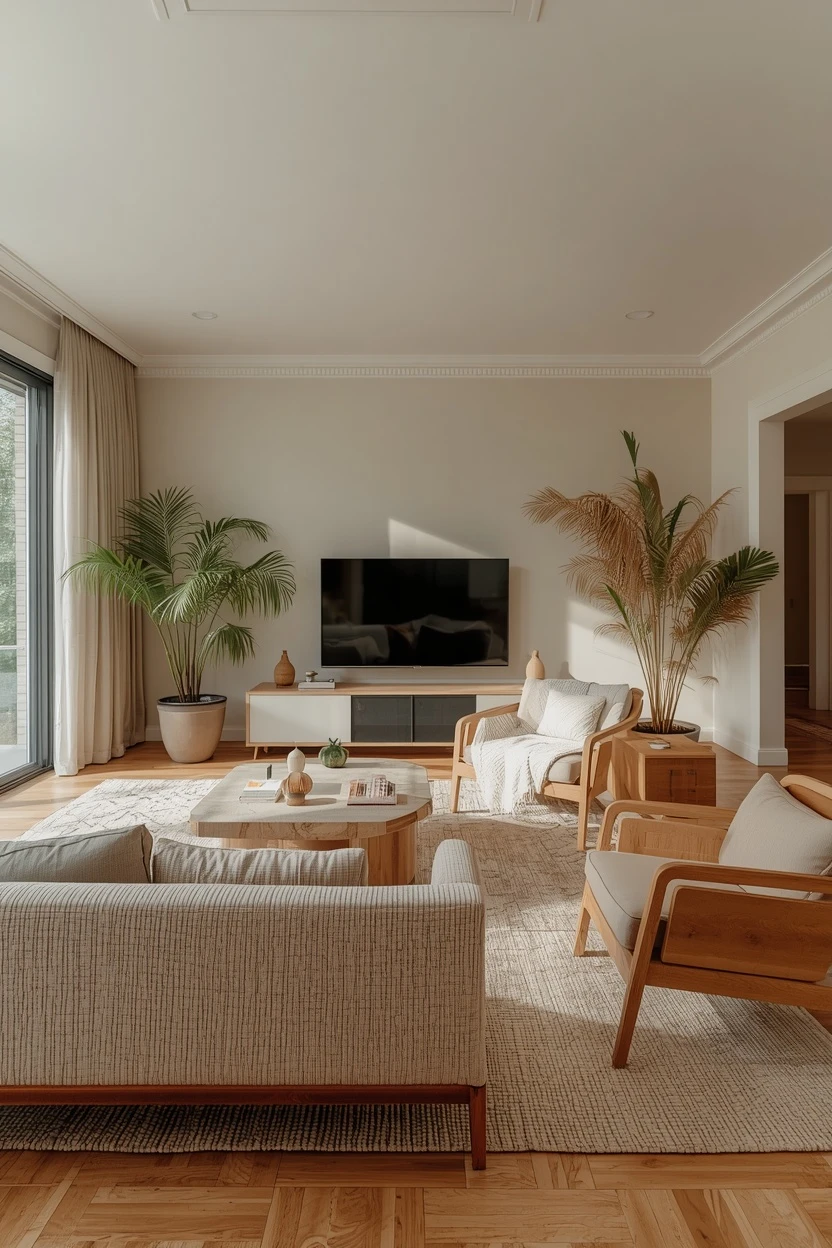
15. The Cozy Corner Living Room
Building the layout around a cozy corner — an L-shaped seating arrangement or a sofa and chair tucked into a corner around a rug — creates an intimate, enveloping spot to relax. The corner anchors the seating and frees up the rest of the room. The arrangement reads snug and welcoming. It suits smaller rooms and anyone wanting intimacy, since a cozy corner layout makes a living room feel warm and gathered, concentrating the comfort into one inviting, well-defined spot.
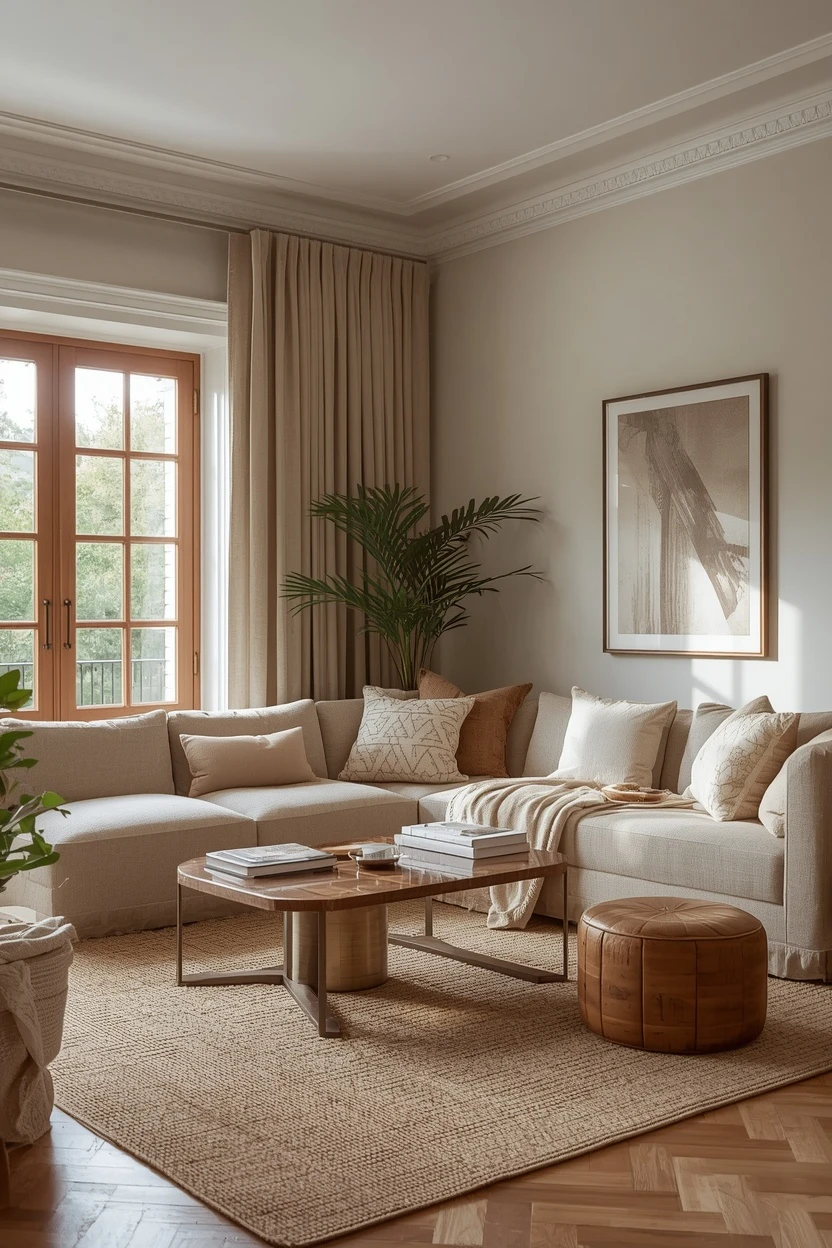
16. The Reading Nook Layout Living Room
If the room has space, carving out a reading or secondary zone — an armchair, a floor lamp, and a small table by a window or in a corner — adds function and makes the layout feel generous. Place it slightly apart from the main seating so it reads as its own little area. The second zone enriches the room. It suits larger living rooms, since a reading nook turns spare space into a purposeful, inviting spot and adds a layered, considered quality to the layout.
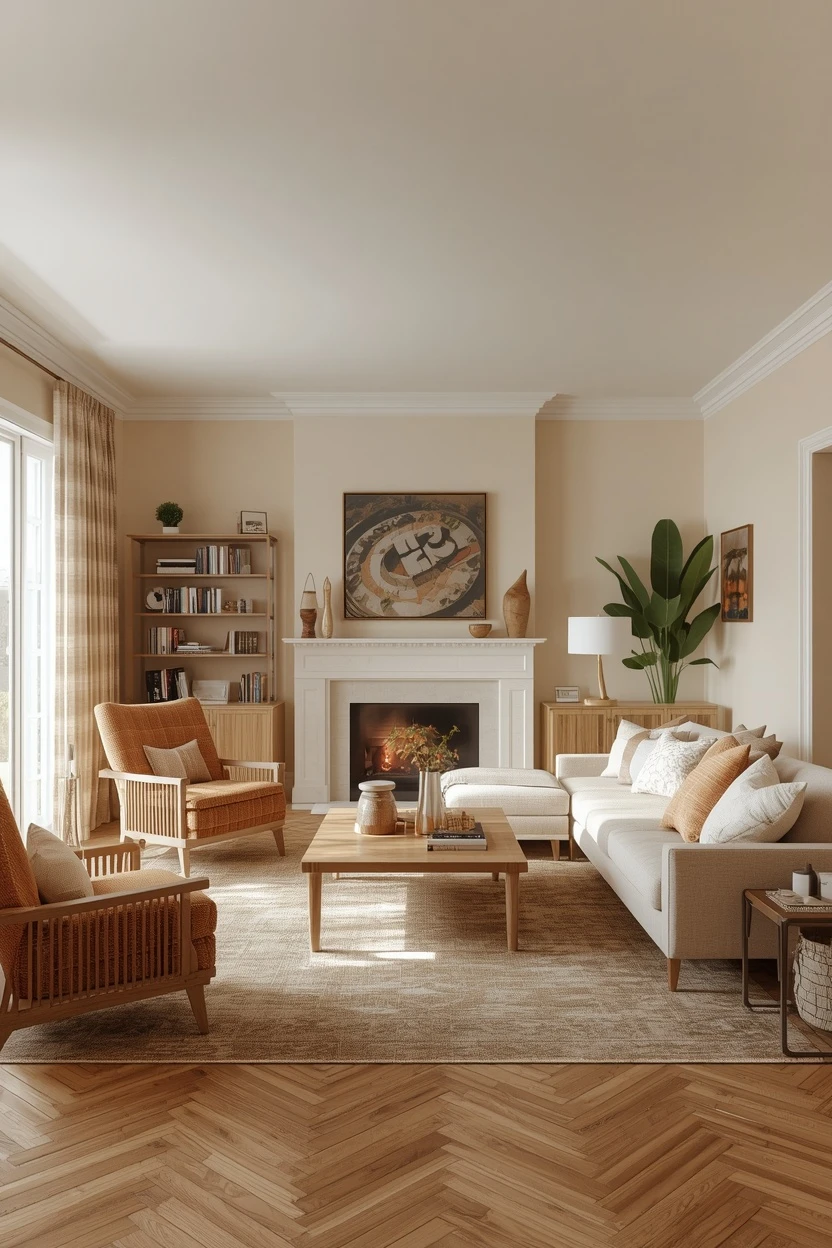
17. The Awkward-Shape Living Room
Rooms with alcoves, angled walls, or odd corners need a layout that works with the quirks rather than against them — fitting seating or storage into recesses and angling furniture to suit the geometry. Map the doors, windows, and focal point first, then arrange around the room’s real shape. Embracing the quirks turns them into character. It suits period homes and irregular spaces, since a layout tailored to the room’s actual shape feels far more comfortable than one that fights it.
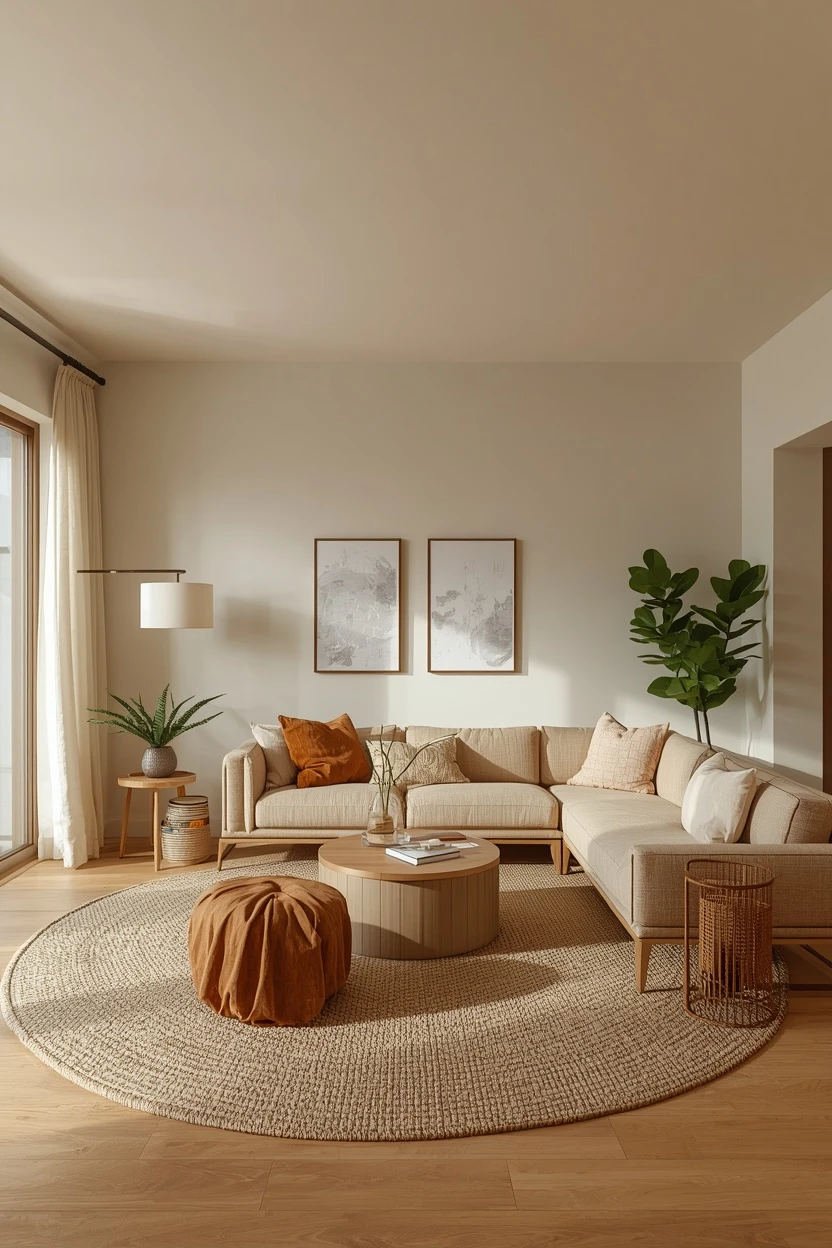
18. The Entertaining Layout Living Room
Arranging the room for hosting means generous, flexible seating, clear flow for guests to move and mingle, and a layout that can flex with the occasion — perhaps extra poufs or a bench that tuck away. Keep the main seating sociable and the pathways open. The layout welcomes a crowd. It suits anyone who entertains, since an entertaining-focused arrangement makes a living room work beautifully for gatherings, balancing comfortable seating with the open flow that lets guests move and mingle easily.
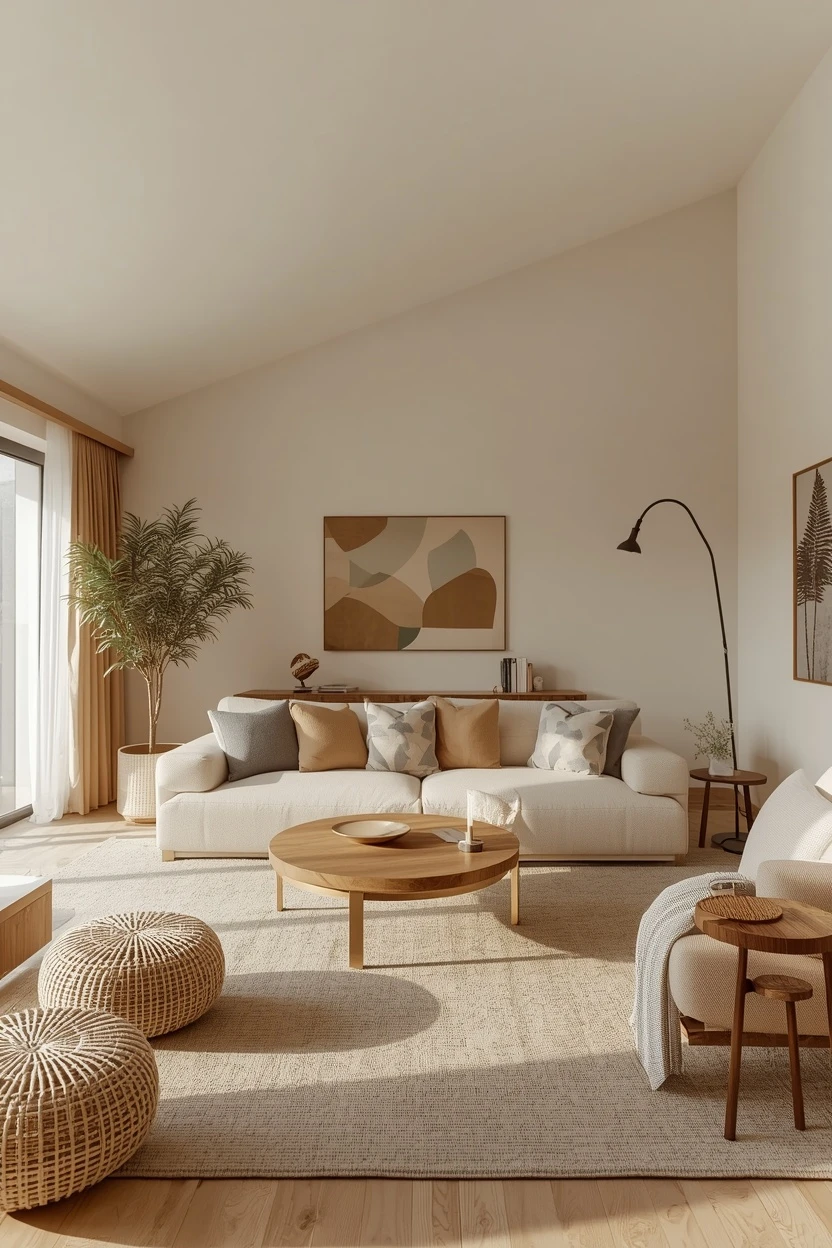
19. The Complete Living Room Layout
Bringing the principles together, a well-planned living room layout arranges the seating around a clear focal point at a comfortable conversation distance, protects clear walking paths, balances the room, and makes the most of its size and shape. Each decision supports the others: the focal point anchors, the conversation grouping makes it sociable, the clear paths keep it flowing, the balance settles it. The discipline is planning circulation, seating, and proportion before decoration. The result is a layout that flows well, encourages conversation, and makes the very most of the space you have.
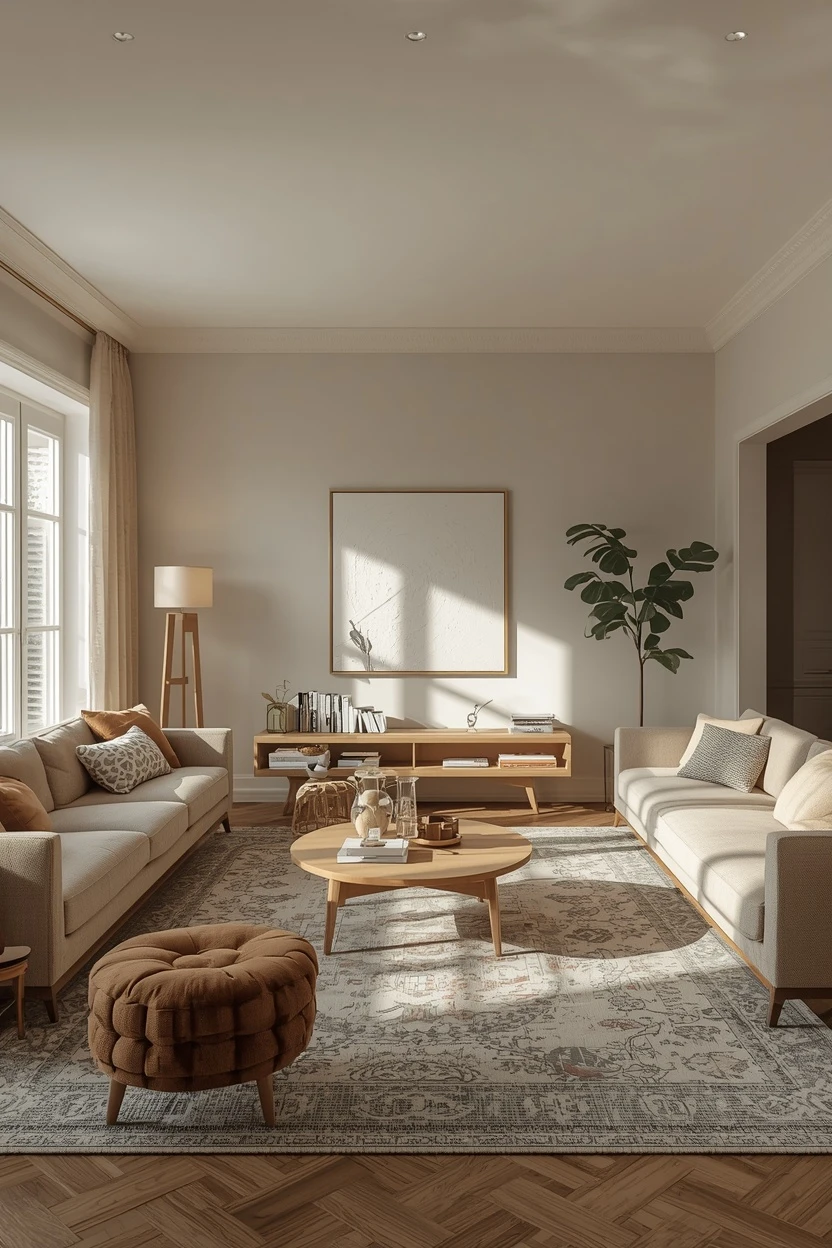
Where I’d Start if I Only Did Three Things
If I were planning a living room layout from scratch, I would start by identifying the focal point — the fireplace, the TV, or a window — and arranging the main seating to face it, because the focal point anchors the room and gives the whole layout direction and order. Next, I would group the seating for conversation, pulling the sofa and chairs together around a coffee table at a comfortable talking distance rather than pushing everything against the walls, since a sociable, well-grouped arrangement is what makes a living room feel welcoming and intimate. Third, I would protect clear walking paths, making sure there is an easy, unobstructed route through and around the seating, because flow is what makes a room comfortable to live in. Anchor on a focal point, group the seating for conversation, and protect the pathways: that trio gives you a living room layout that flows beautifully, feels sociable, and makes the most of your space.
FAQs
How should I arrange furniture in my living room?
Start by identifying the focal point — usually a fireplace, TV, or window — and arrange the main seating to face or angle toward it. Group the sofa and chairs around a central coffee table at a comfortable conversation distance, pulling the furniture together rather than pushing it all against the walls, which often makes a room feel emptier and less sociable. Protect clear walking paths through and around the seating, balance the room visually, and add a rug to anchor the grouping. Match the arrangement to your room’s size and shape, and you will have a layout that flows well, feels welcoming, and works for everyday life.
How do I lay out a small living room?
Prioritize scale and flow. Choose appropriately sized furniture — a loveseat or compact sofa, a couple of slim chairs, and a small coffee table — rather than oversized pieces that overwhelm the space. Push larger items toward the walls to keep the center clear, protect unobstructed walking paths, and use multi-functional pieces like a storage ottoman. A large mirror, light colors, and keeping the floor as clear as possible all add to the sense of space. Anchor the seating with a rug and orient it toward the focal point. In a small living room, a well-scaled, uncluttered layout that keeps the floor open will always feel roomier than a cramped one.
Should living room furniture be against the walls?
Not necessarily — in fact, pulling furniture away from the walls often creates a more intimate, sociable layout. In smaller rooms, placing larger pieces against the walls can help keep the floor clear, but even then, angling chairs inward improves the conversation feel. In larger rooms, floating the seating into the center around a rug, with a console behind the sofa, makes the space feel purposeful and cozy rather than sparse with everything pushed to the edges. The goal is a comfortable conversation distance and clear flow, so arrange the furniture around the focal point and each other rather than defaulting to the walls.
How do I arrange a living room with a TV and a fireplace?
When the room has both a TV and a fireplace, you have a few options. You can place the TV above the fireplace so both share one focal wall and the seating faces them together, which is the simplest solution. Alternatively, you can position them on adjacent or perpendicular walls and angle the seating to address both, often with a sectional that faces the corner between them. In larger rooms, you might even create two zones. The key is to avoid making the seating crane awkwardly between two competing focal points — choose a primary focus or combine them on one wall, and arrange the main seating comfortably toward it.
Final Thoughts
A great living room layout does its work quietly, deciding how the room flows, how sociable it feels, and how comfortable it is to relax in, all before you choose a single color or fabric. Whether you are working with a small room, an open-plan space, a long narrow shape, or a room with both a TV and a fireplace, the same principles apply: anchor the seating around a clear focal point, group it for comfortable conversation, protect clear walking paths, balance the room, and match the arrangement to the space you actually have. Plan the circulation, seating, and proportion before the decoration, pull the furniture together rather than defaulting to the walls, and you will have a living room that flows beautifully, encourages conversation, and makes the very most of every square foot.

zarcoyt2025
Khawar Iqbal is the founder and editor of Cozy Homes Hub. He writes about cozy, livable home decor — from small-apartment layouts to room-by-room styling guides — with a focus on warm palettes, layered lighting, and budget-friendly ideas that actually work in real homes.
Related Articles
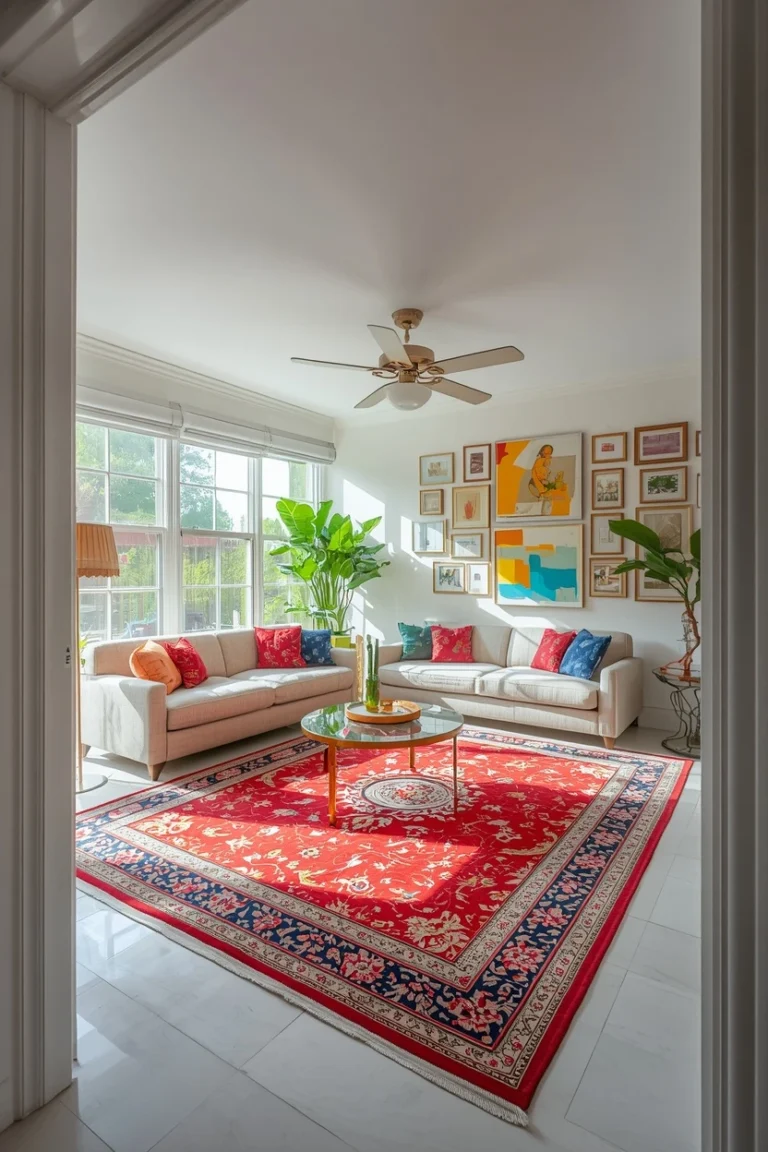
16 Living Room Decor Ideas That Instantly Elevate Any Space
A living room rarely needs new furniture to feel considerably more elevated — it usually needs a handful of layout and styling…
Read more →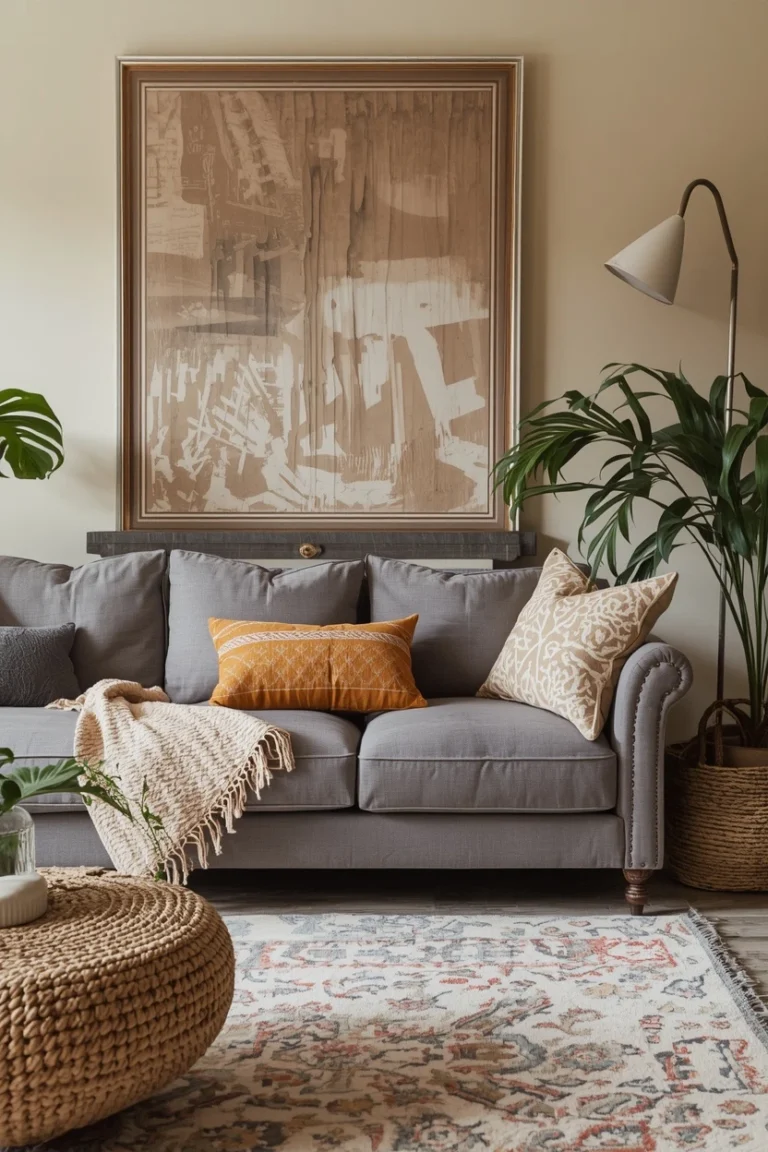
14 Grey Settee Living Room Ideas to Warm Up a Neutral Sofa
A grey settee is the most versatile thing you can put in a living room — and, if you're not careful, the…
Read more →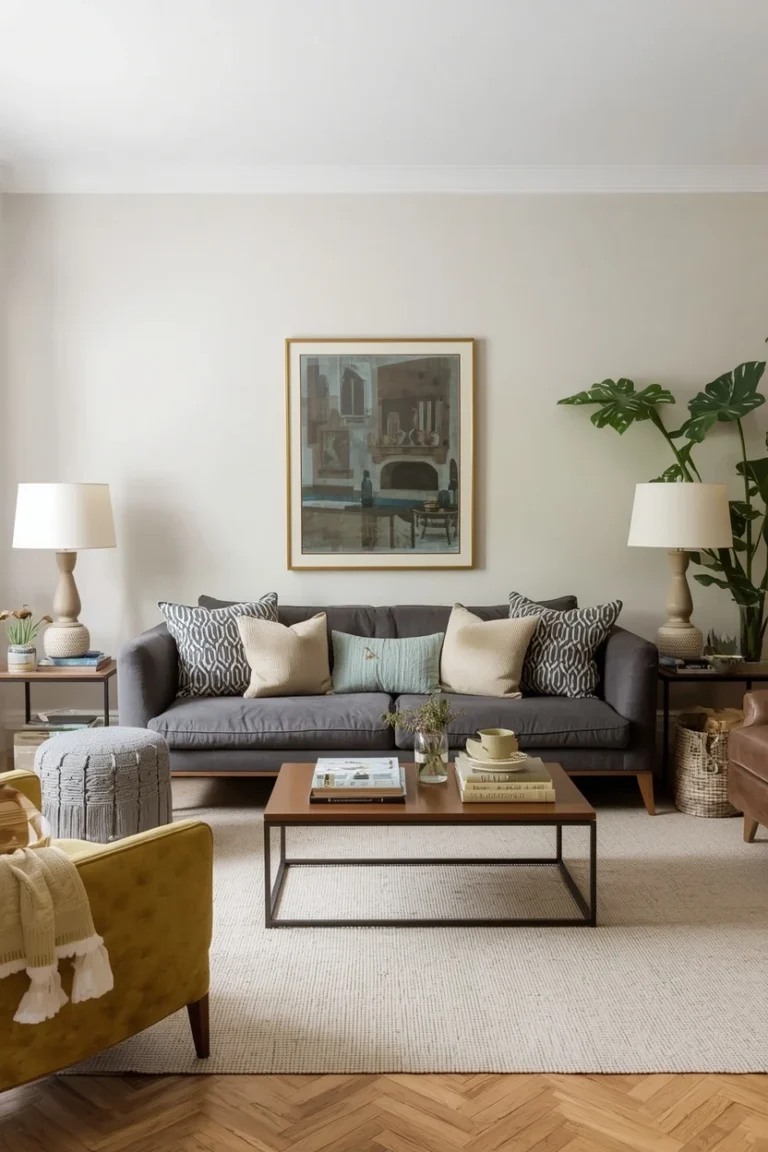
12 Living Room Arrangement Ideas for a Warm, Balanced Space
There's a difference between a room that's furnished and a room that's arranged. Furnished just means the pieces are in there; arranged…
Read more →