20 Living Room Curtains Ideas to Frame Your Windows Beautifully
 By zarcoyt2025
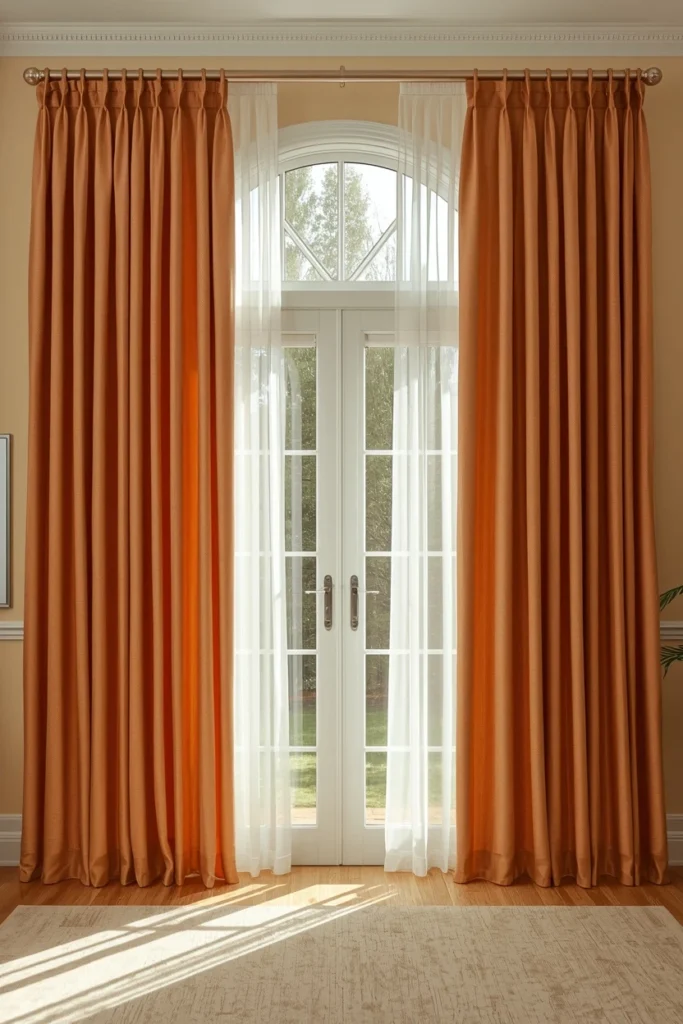
Table of Contents
- 1. The Floor-Length Drapes Living Room
- 2. The Hang-High-and-Wide Living Room
- 3. The Layered Sheer Living Room
- 4. The Neutral Linen Living Room
- 5. The Bold Color Living Room
- 6. The Patterned Drapes Living Room
- 7. The Velvet Luxe Living Room
- 8. The Floor-Pooling Living Room
- 9. The Light-and-Airy Living Room
- 10. The Floor-to-Ceiling Living Room
- 11. The Textured Weave Living Room
- 12. The Color-Matched Wall Living Room
- 13. The Ripple-Fold Modern Living Room
- 14. The Pinch-Pleat Classic Living Room
- 15. The Two-Tone Living Room
- 16. The Blackout-Lined Living Room
- 17. The Curtain-and-Blind Combo Living Room
- 18. The Tieback-Styled Living Room
- 19. The Statement Hardware Living Room
- 20. The Complete Curtained Living Room
- Where I’d Start if I Only Did Three Things
- FAQs
- Final Thoughts
Curtains do far more than cover a window — they frame the light, add color, softness, and height, and can transform the whole feel of a living room from bare and unfinished to warm and elegant. The difference between curtains that look like an afterthought and ones that look custom comes down to a few key decisions: the right length and hanging height, a fabric that suits the room, and the styling that makes them part of the design.
Each of these 20 living room curtains ideas is a complete look you can recreate, a whole approach to dressing your windows built around one clear style rather than a single product. Find the version that suits your space, your light, and the mood you want, and use it as a blueprint for curtains that frame your windows beautifully, soften the room, and add the finishing touch that makes a living room feel truly complete.
1. The Floor-Length Drapes Living Room
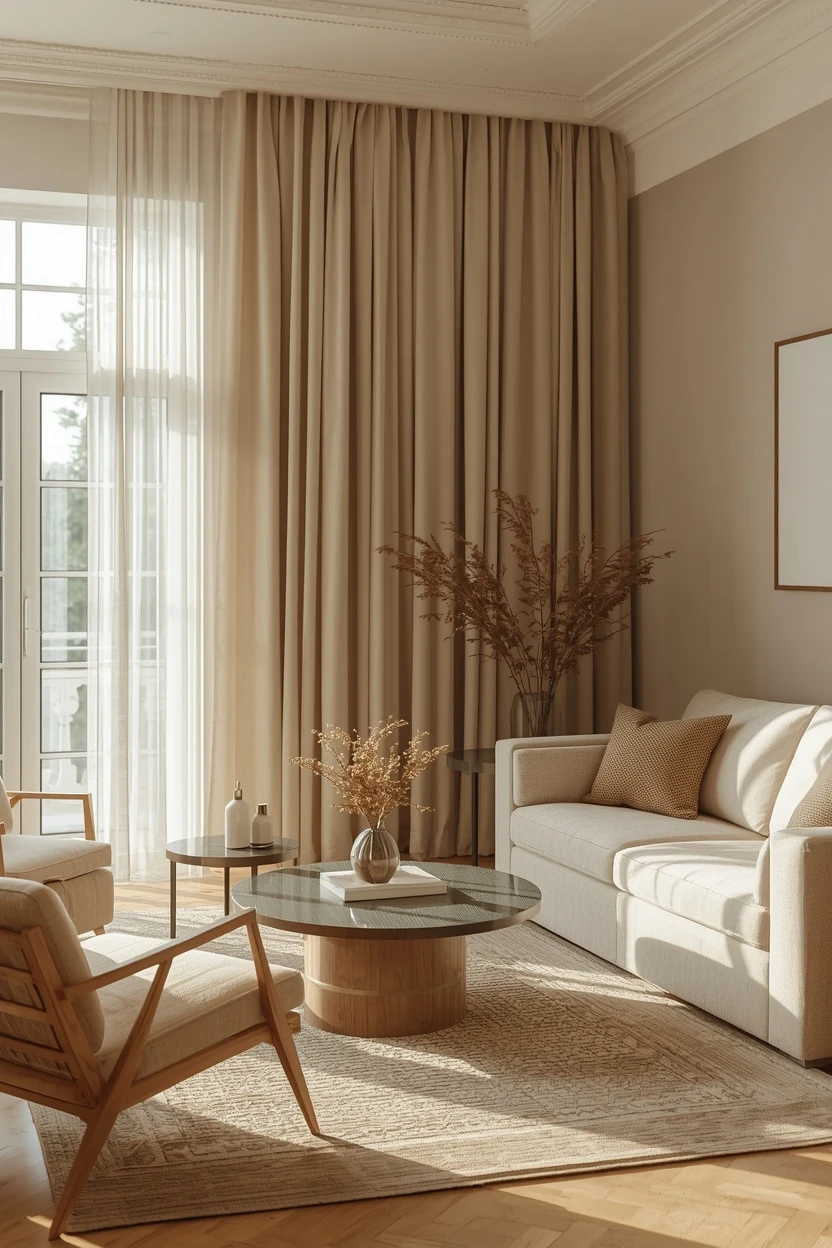
The single most important curtain rule is length, so floor-length drapes that just kiss or lightly pool on the floor instantly make a living room look elegant and finished. Avoid short curtains that end at the sill, which read dated and cheapen the window. Hang them to graze the floor for a tailored, custom look. The length transforms the room. It suits almost any living room, since floor-length drapes are the foundation of beautiful window dressing and the easiest way to make curtains look intentional and refined.
2. The Hang-High-and-Wide Living Room
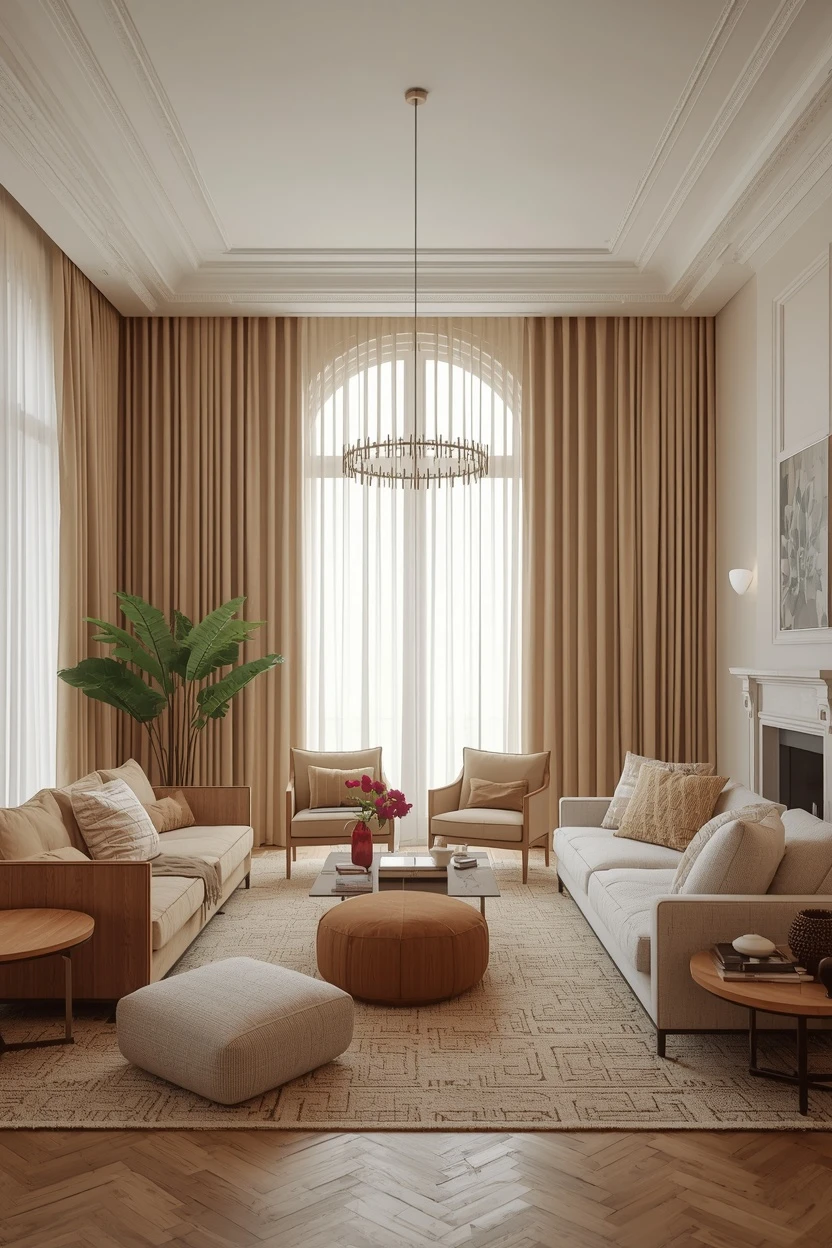
Where you hang the rod matters as much as the curtains themselves, so mounting it high — close to the ceiling — and wide, extending past the window frame, makes the window look bigger and the ceilings taller. The high, wide hanging draws the eye up and lets the curtains frame rather than cover the glass. The placement transforms the proportions. It suits any living room, since hanging curtains high and wide is a simple, free trick that makes the windows and the whole room feel grander and more elegant.
3. The Layered Sheer Living Room
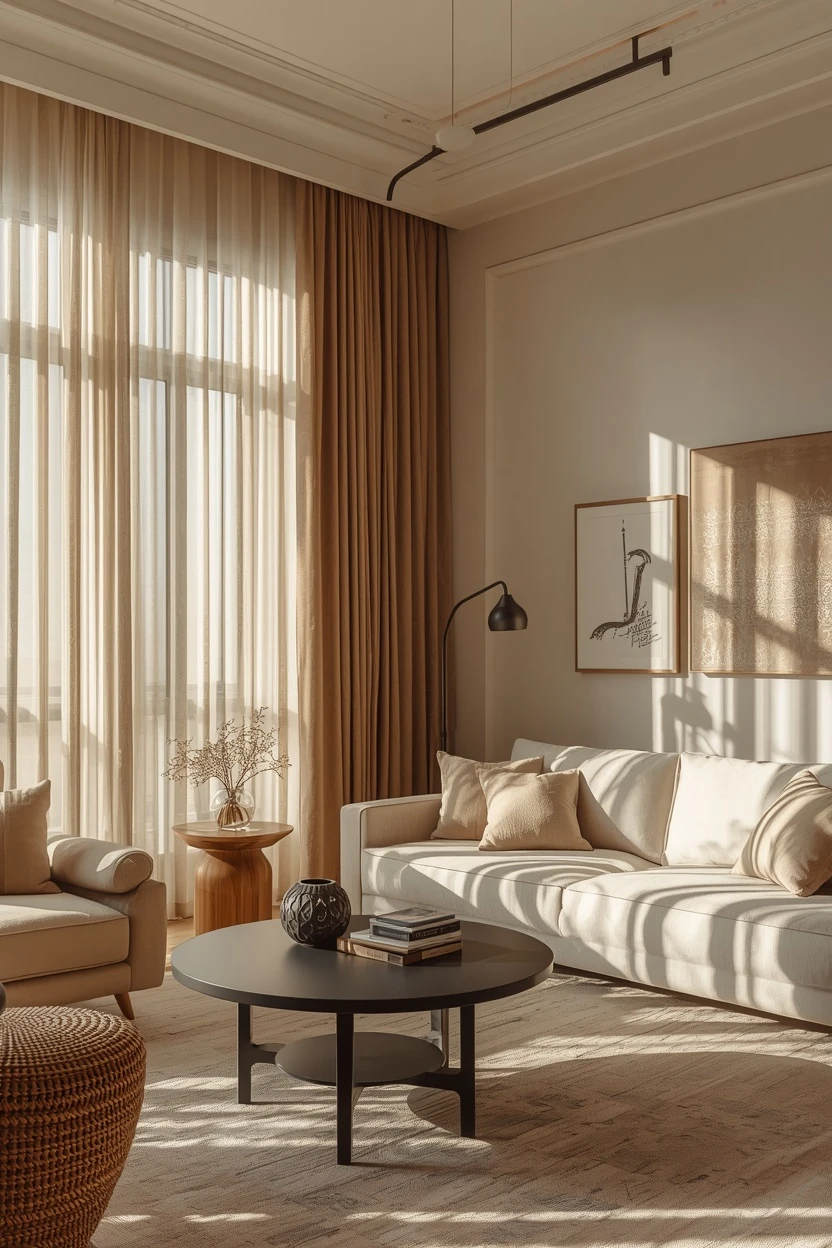
Layering sheer curtains behind heavier drapes gives a living room both softness and flexibility, with the sheers filtering light and offering daytime privacy while the drapes add richness and block light when drawn. The double layer reads luxurious and considered. It also gives you control over light and privacy throughout the day. It suits any living room, since layering sheers with drapes is one of the most elegant and practical curtain ideas, adding depth, softness, and versatility to the windows.
4. The Neutral Linen Living Room
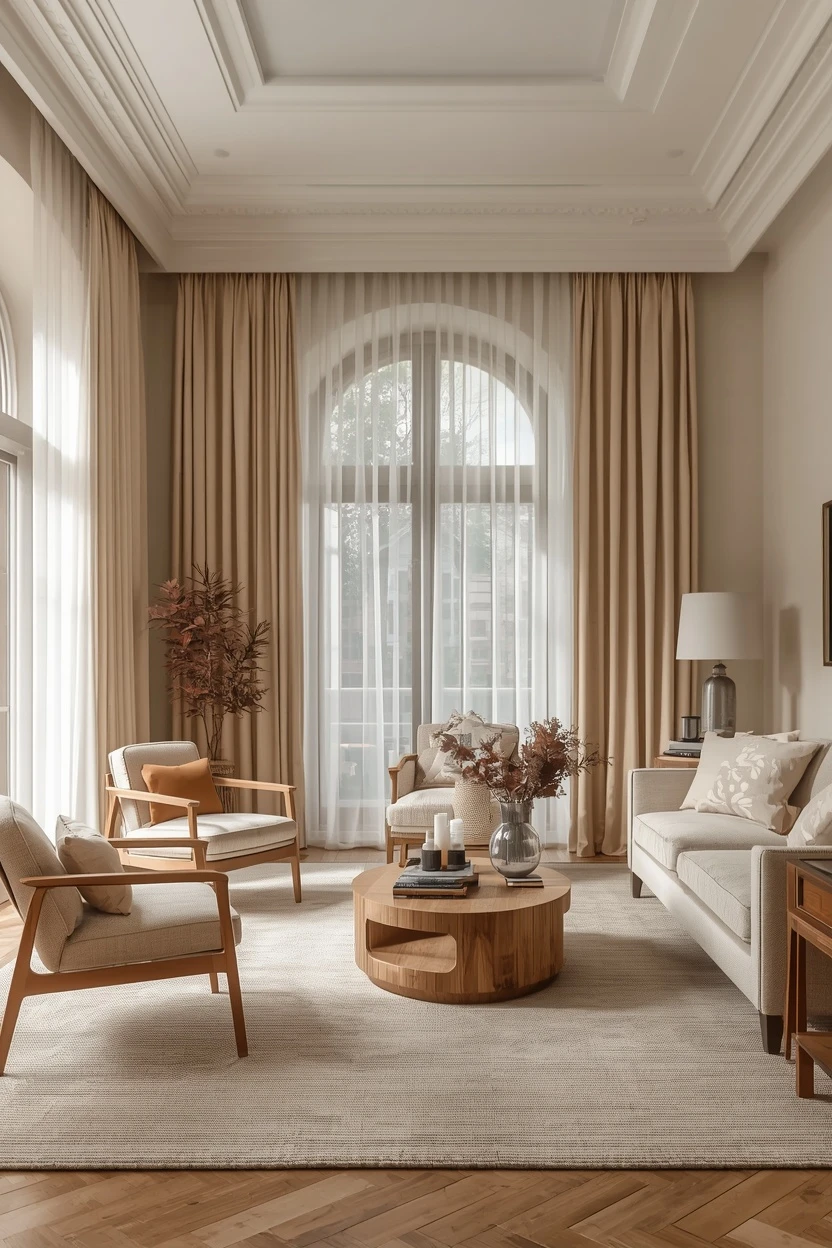
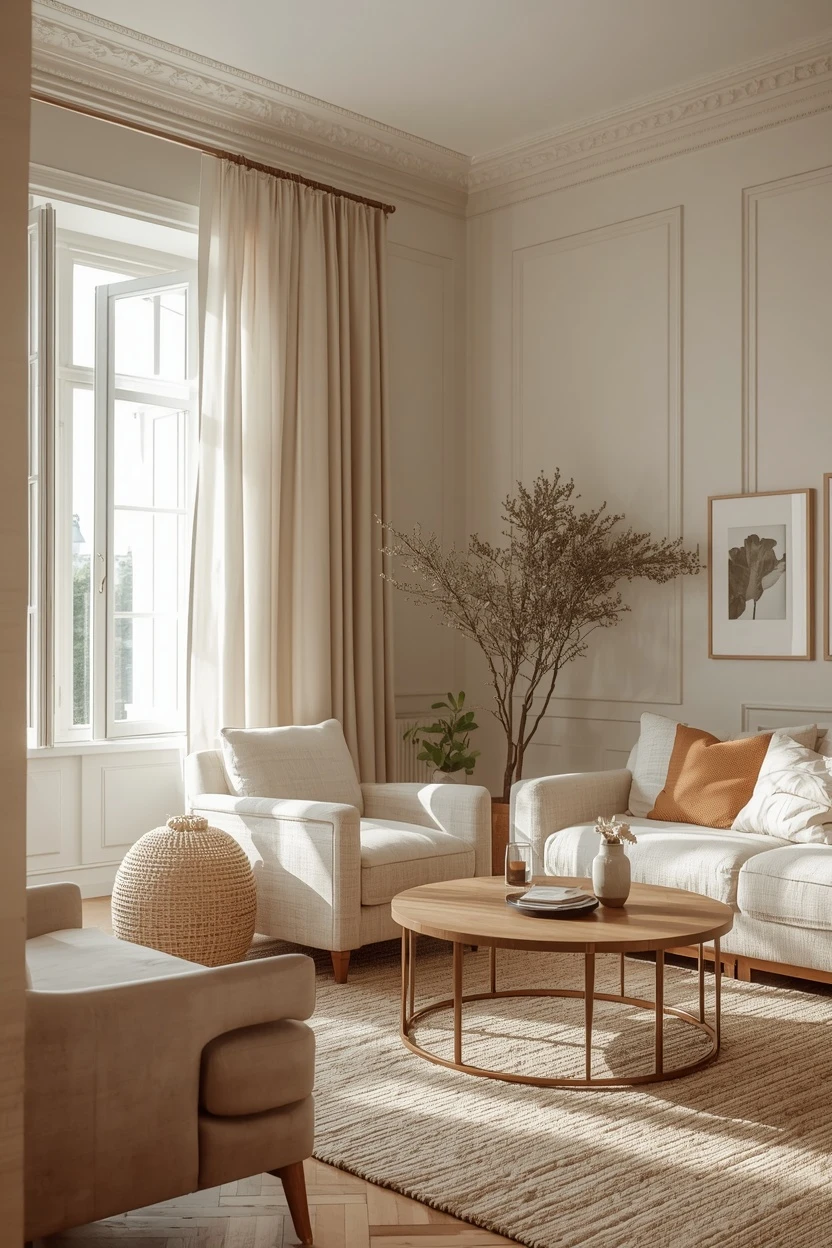
Natural linen curtains in a soft neutral — oatmeal, cream, or warm greige — bring an effortless, relaxed elegance that suits almost any living room. The soft drape and natural texture of linen read both casual and refined, filtering light beautifully. Hang them floor-length for the best effect. The fabric reads timeless and warm. It suits anyone who wants understated style, since neutral linen curtains are a versatile, broadly flattering choice that adds soft texture and a calm, natural elegance to a living room.
5. The Bold Color Living Room
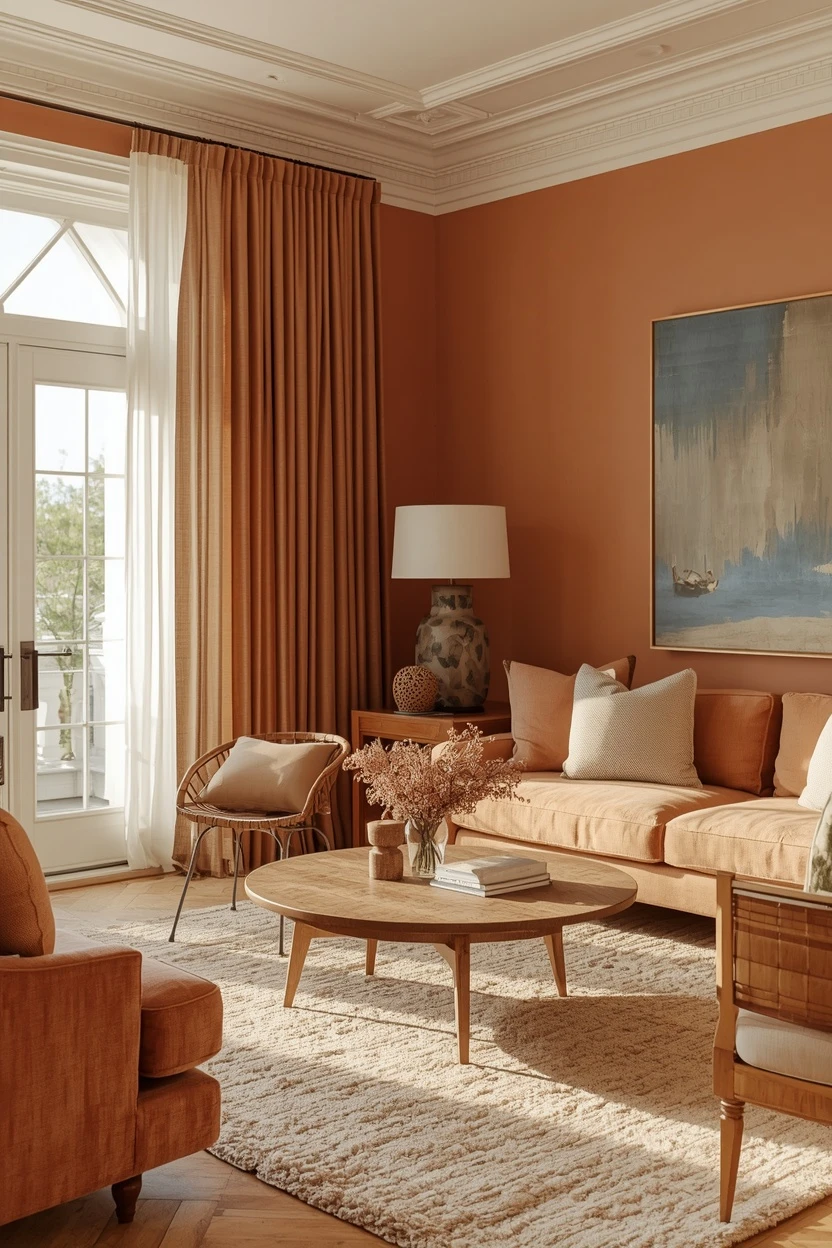
Curtains in a bold or rich color — deep green, navy, mustard, or a warm terracotta — make a striking statement and add personality and warmth to a living room. Choose a color that complements the scheme and let the curtains become a feature. Floor-length panels in a strong hue frame the window dramatically. The color adds character. It suits anyone who wants their window dressing to make an impact, since bold curtains are a confident way to bring color, drama, and a focal point into a living room.
6. The Patterned Drapes Living Room
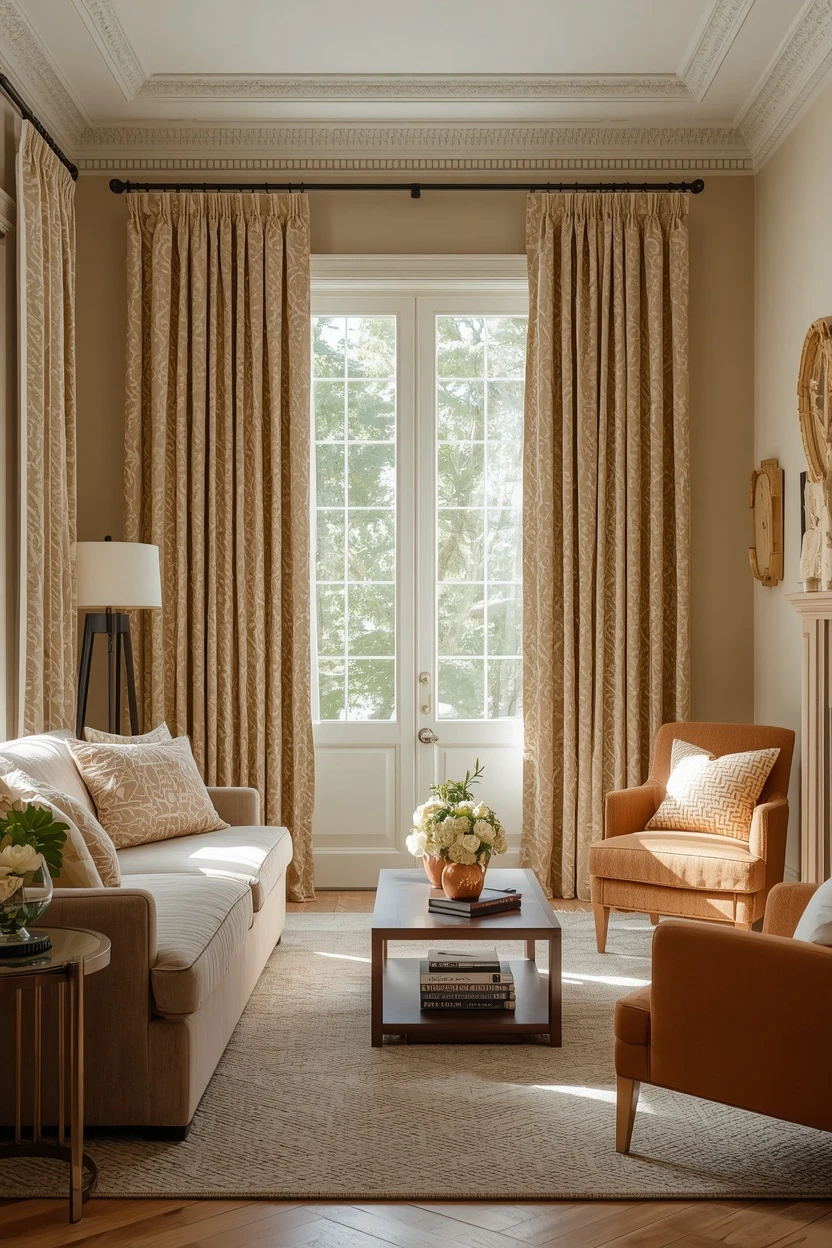
Patterned curtains — florals, geometrics, stripes, or a classic print — add interest, personality, and a decorated feel to a living room. Choose a pattern that ties to the room’s palette and let the curtains add visual richness, balancing them with calmer surrounding decor. The pattern reads characterful and considered. It suits anyone who loves a decorated room, since patterned drapes are a lovely way to introduce color, texture, and personality to a living room through the windows.
7. The Velvet Luxe Living Room
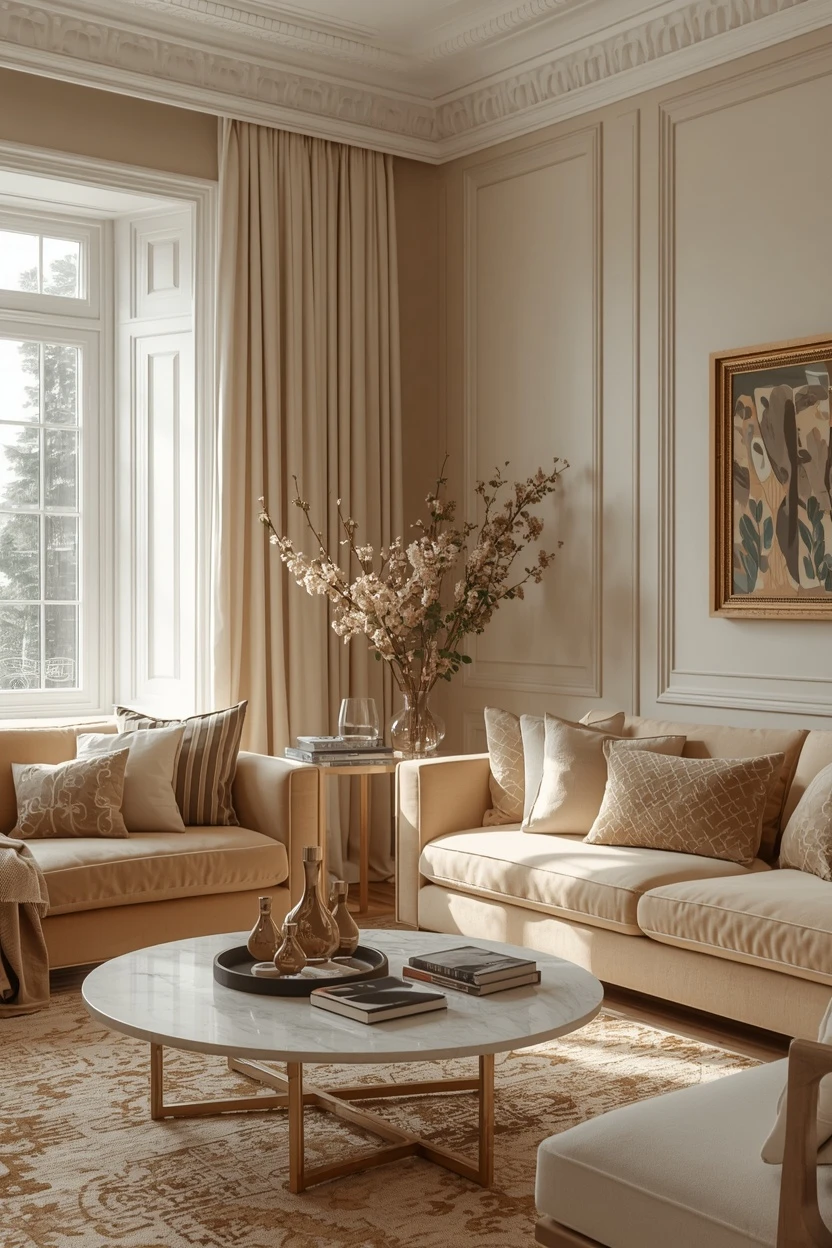
Velvet curtains bring instant luxury, warmth, and drama to a living room, with the rich fabric and soft sheen reading sumptuous and elegant. Choose a deep or jewel tone for maximum impact, and hang the heavy panels floor-length to pool slightly. Velvet also helps insulate and block light. The fabric reads opulent and cozy. It suits anyone who wants a glamorous, warm room, since velvet curtains are one of the most luxurious window-dressing choices, adding richness, warmth, and a sense of occasion.
8. The Floor-Pooling Living Room
Curtains that pool generously on the floor — with extra length that puddles in soft folds — create a romantic, luxurious, custom look. The deliberate puddle reads opulent and tailored, especially in flowing fabrics like linen or velvet. Allow a few extra inches of length for the effect. The pooling adds drama and softness. It suits formal and romantic rooms, since floor-pooling curtains are an elegant, indulgent way to dress a living room window with a sense of luxury and softness.
9. The Light-and-Airy Living Room
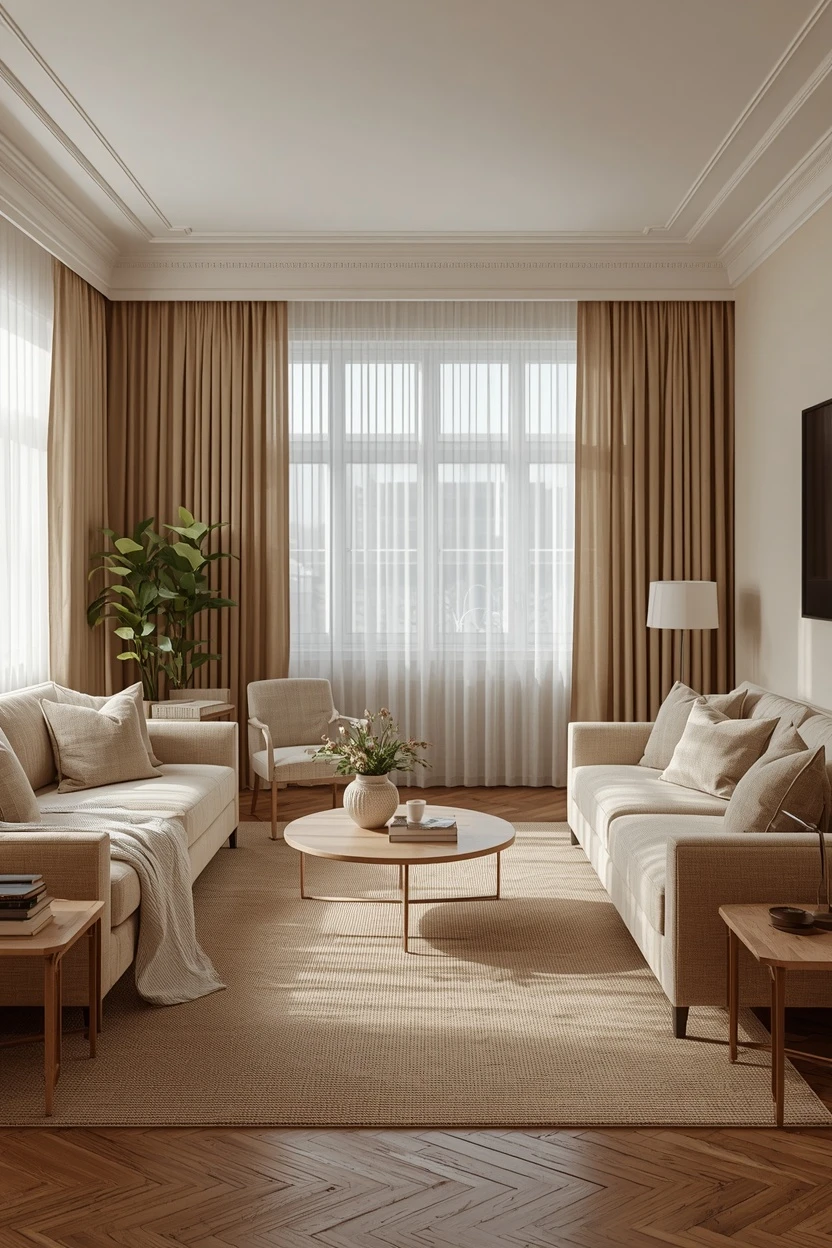
Light, airy curtains in sheer or lightweight fabric let plenty of daylight through while softening the window and adding a breezy, fresh feel. Choose white or pale sheers that billow gently and filter the light beautifully. The airy fabric keeps the room bright and open. It suits light-filled or coastal rooms, since light, airy curtains are a lovely way to soften a living room window without blocking the daylight, maintaining brightness while adding gentle softness.
10. The Floor-to-Ceiling Living Room
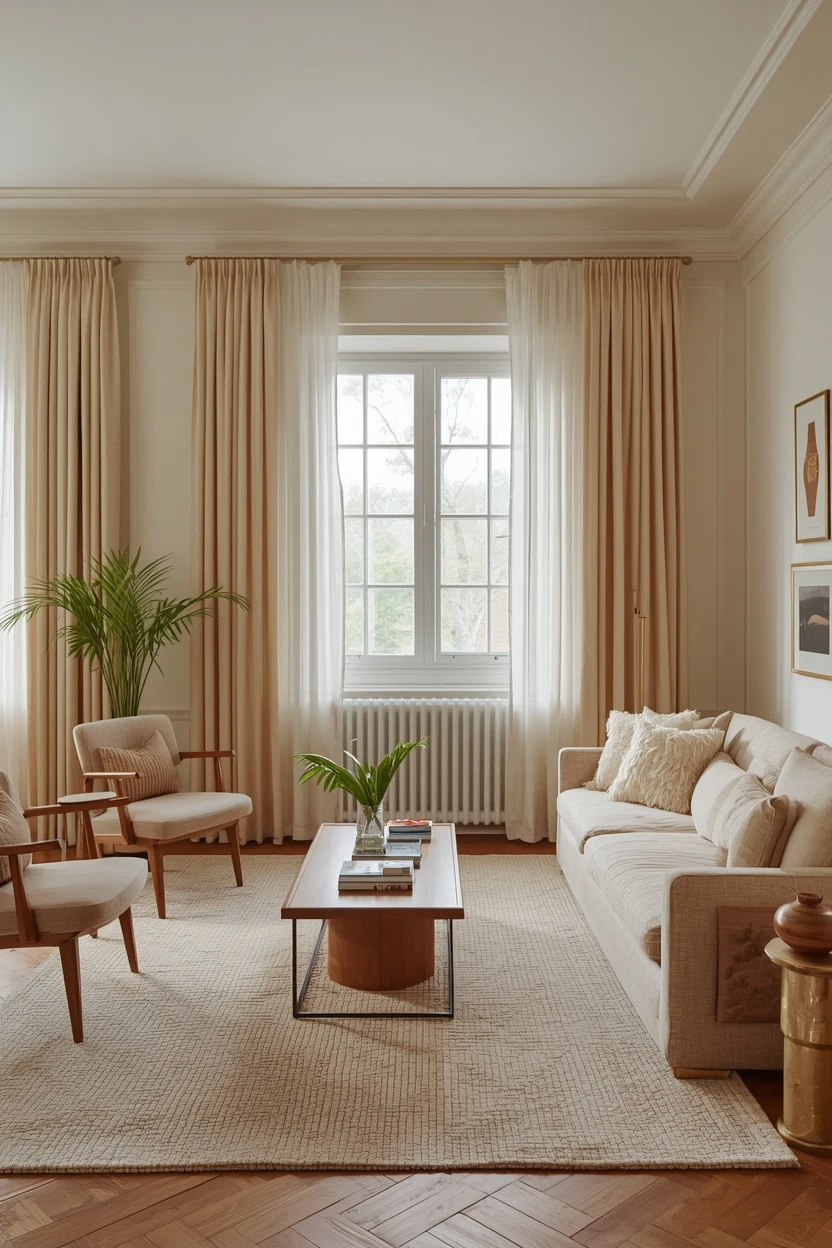
For large windows or a dramatic effect, floor-to-ceiling curtains that run the full height of the wall make a living room feel grand and the windows expansive. Mount the rod at the ceiling and let the panels fall all the way to the floor for maximum height and drama. The full-height drapes read luxurious and architectural. It suits rooms with large windows or high ceilings, since floor-to-ceiling curtains are a striking way to emphasize height and frame big windows beautifully in a living room.
11. The Textured Weave Living Room
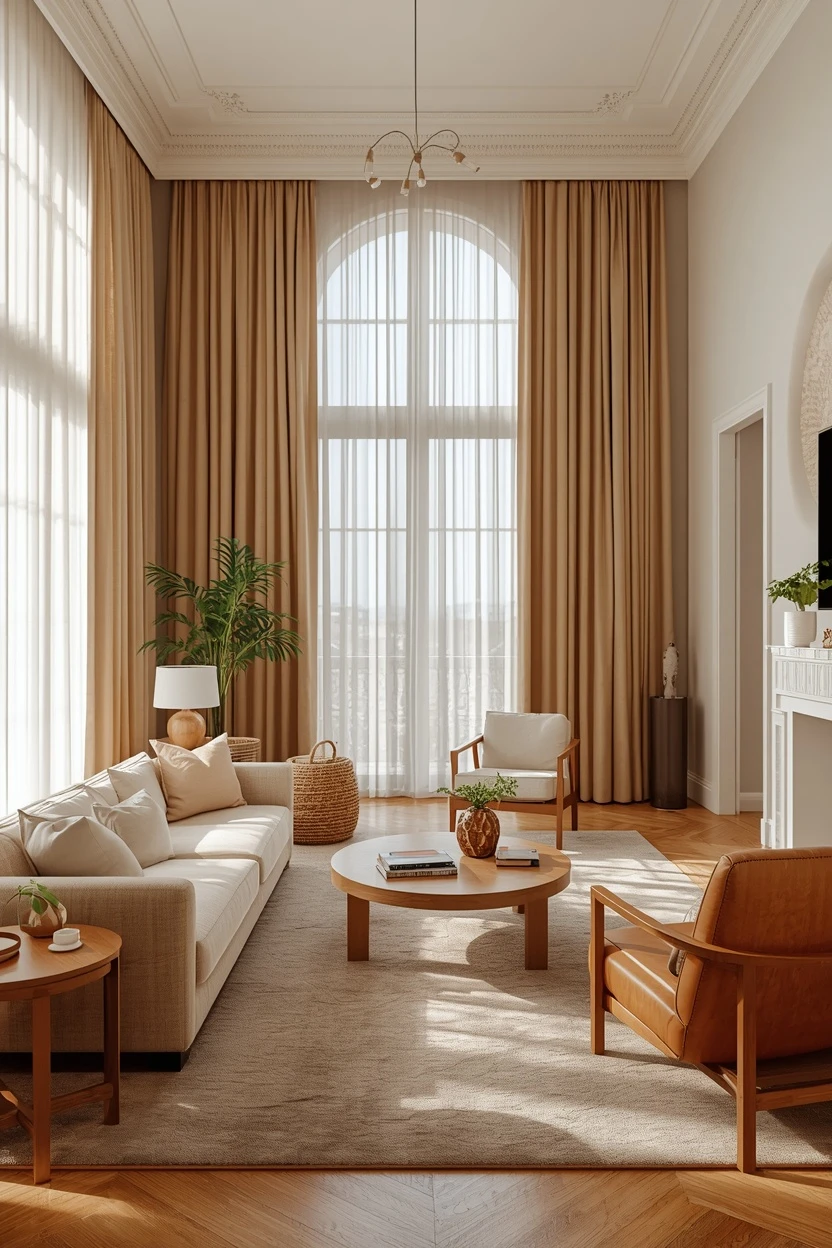
Curtains in a textured weave — slubby linen, basketweave, or a nubby natural fabric — add depth and tactile interest to a living room without relying on color or pattern. The texture catches the light and reads rich and considered against a calm scheme. Hang them floor-length for the best drape. The fabric adds quiet richness. It suits anyone who loves understated depth, since textured-weave curtains bring warmth and subtle interest to a living room window while keeping the palette calm.
12. The Color-Matched Wall Living Room
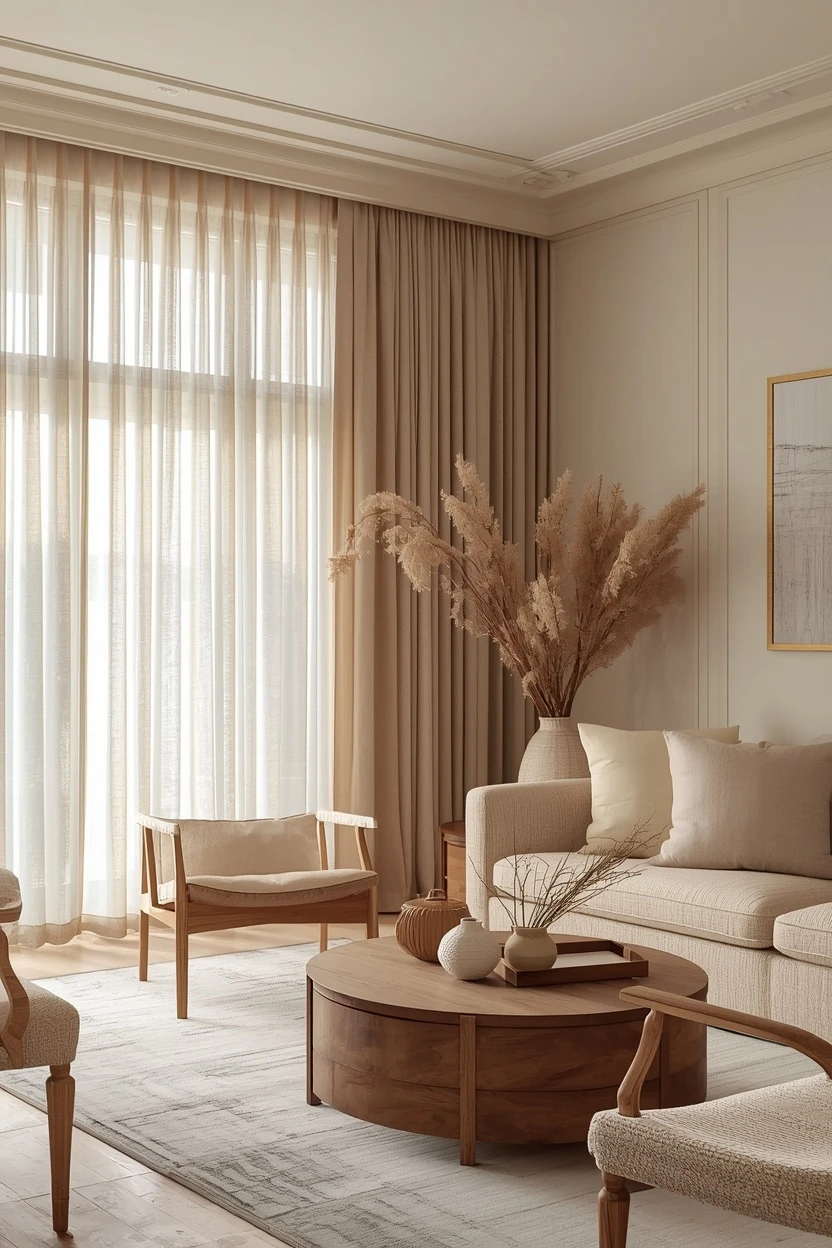
Curtains in the same color as the walls create a seamless, sophisticated look that makes a living room feel calm, cohesive, and taller. The tonal match lets the curtains blend rather than break up the wall, emphasizing height and serenity. Choose a shade close to the wall color for the effect. The match reads elegant and expansive. It suits anyone who wants a calm, cohesive room, since color-matched curtains are a chic, modern way to dress a living room window for a seamless, elongating effect.
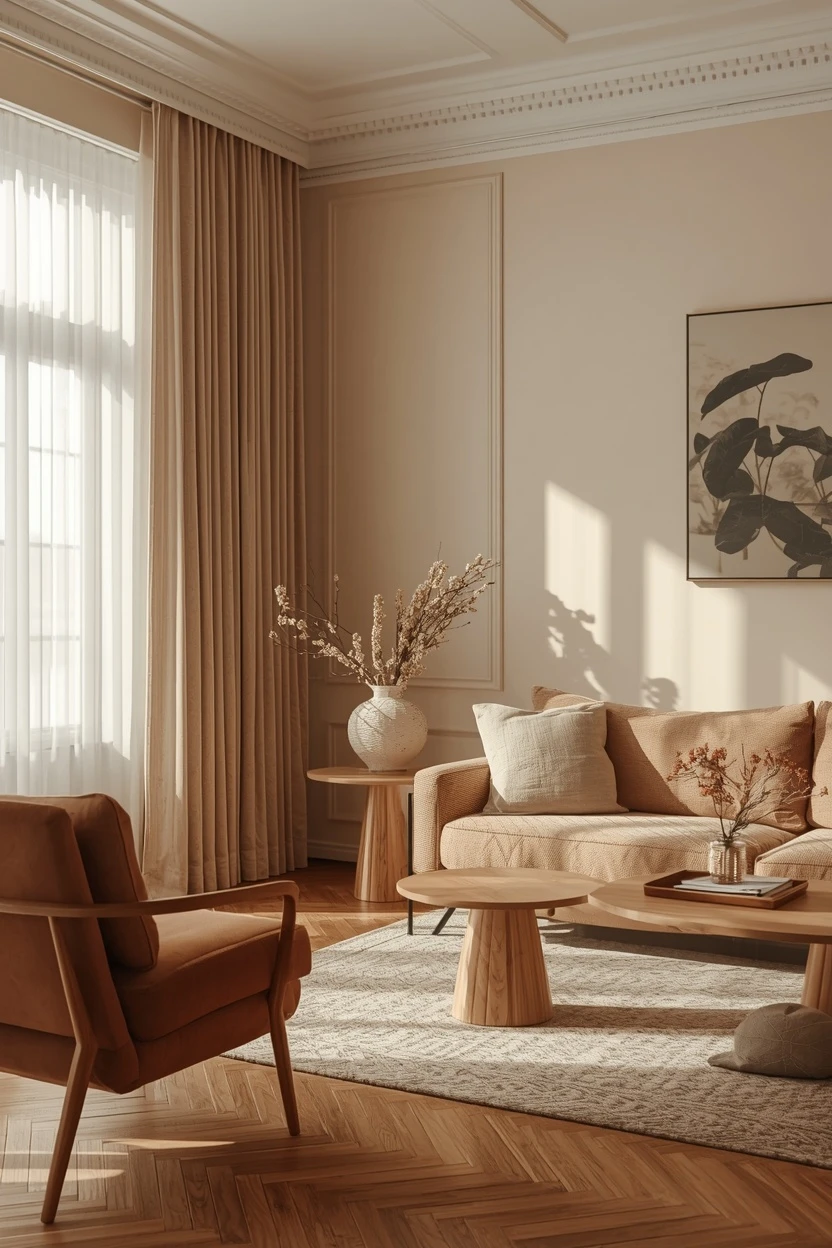
13. The Ripple-Fold Modern Living Room
Ripple-fold or wave-heading curtains hang in soft, uniform, continuous waves for a clean, modern, tailored look that suits contemporary living rooms. The neat, consistent folds read sleek and considered, with no fussy pleats or gathers. Hang them floor-length on a discreet track. The heading reads crisp and current. It suits modern rooms, since ripple-fold curtains are a stylish, contemporary way to dress a living room window with clean lines and an effortless, elegant drape.
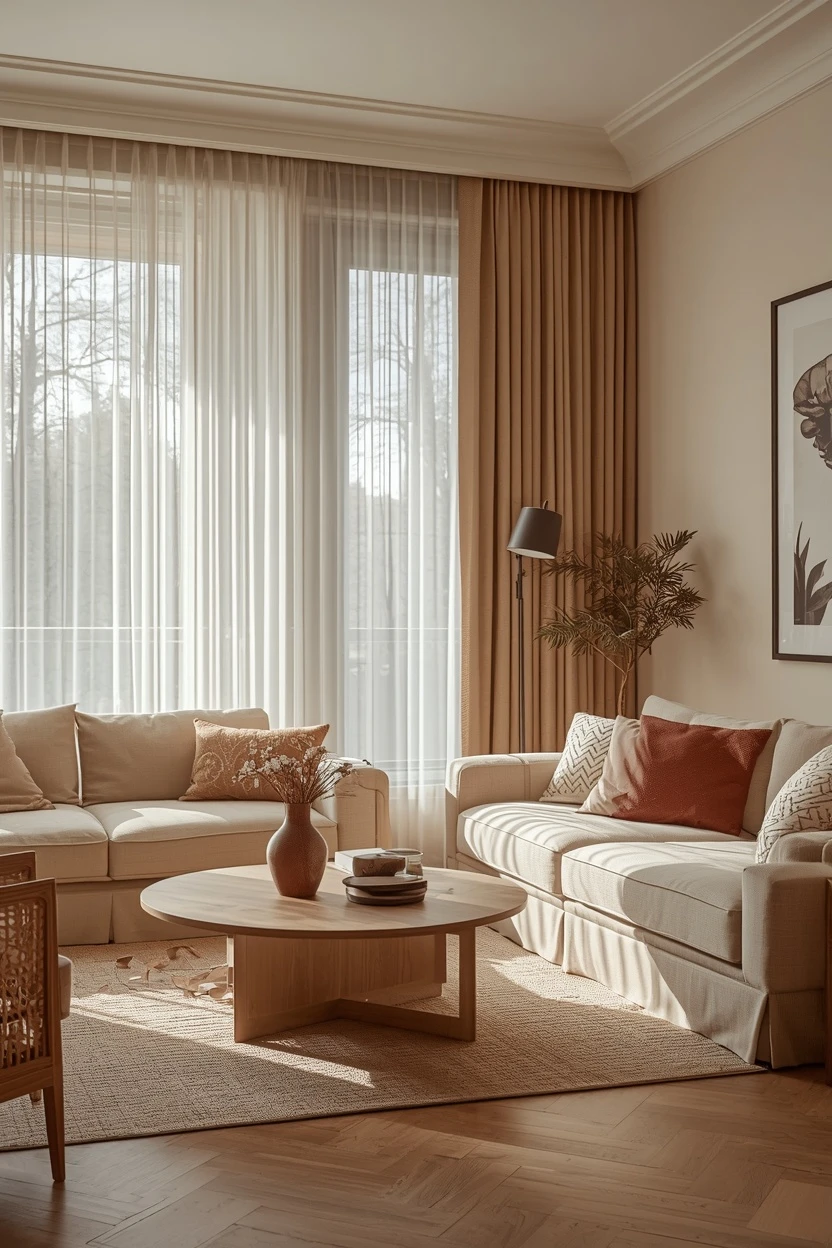
14. The Pinch-Pleat Classic Living Room
Pinch-pleat curtains, with their tailored gathered headings, bring a classic, formal elegance to a living room. The structured pleats give the panels a full, neat drape that reads refined and traditional. Hang them floor-length for a polished, custom look. The heading reads gracious and classic. It suits traditional and formal rooms, since pinch-pleat curtains are a timeless way to dress a living room window with a tailored, elegant, and beautifully structured finish.
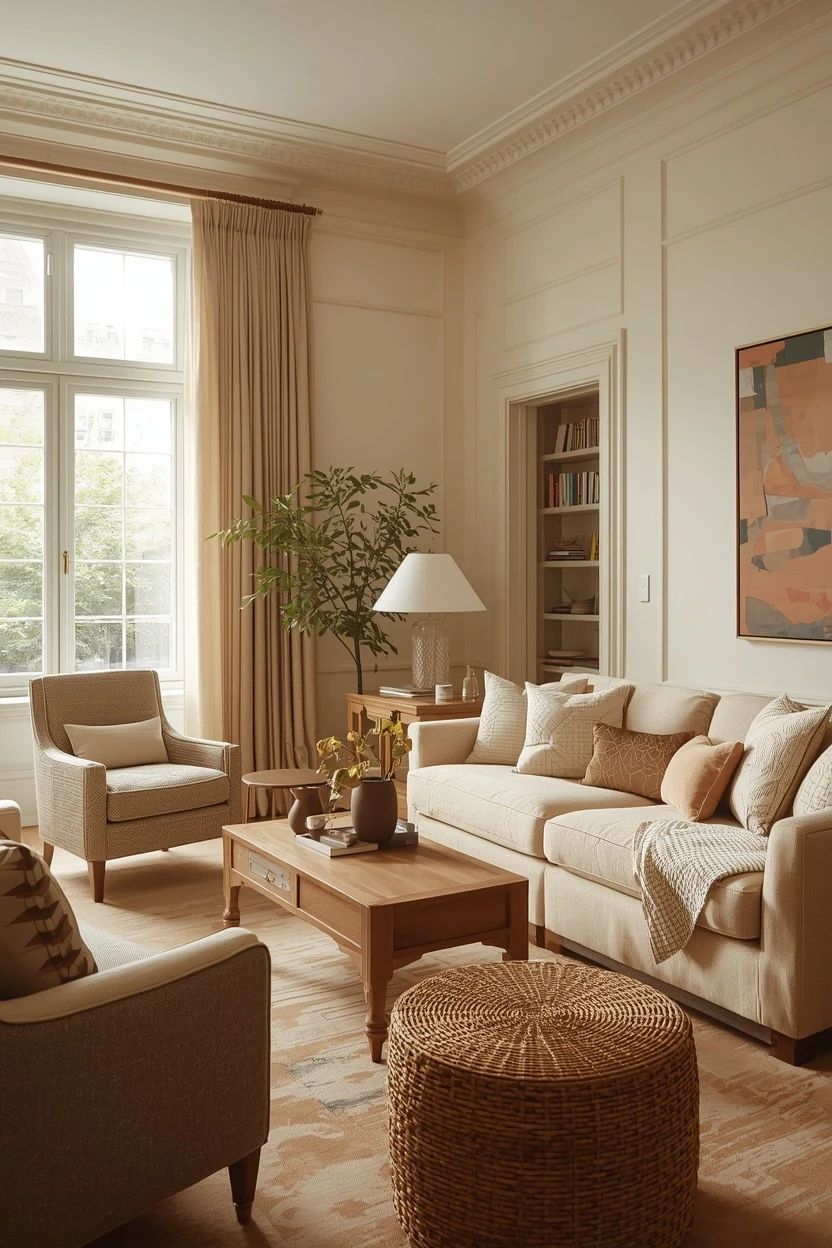
15. The Two-Tone Living Room
Curtains that combine two tones — a contrast border, a tonal layering, or a banded design — add subtle interest and a custom, designer feel to a living room. The two-tone detail reads tailored and considered without being loud. Tie the colors to the room’s palette for cohesion. The detail adds elegance. It suits anyone who wants a refined, custom look, since two-tone curtains are a sophisticated way to add quiet detail and a bespoke quality to a living room’s window dressing.
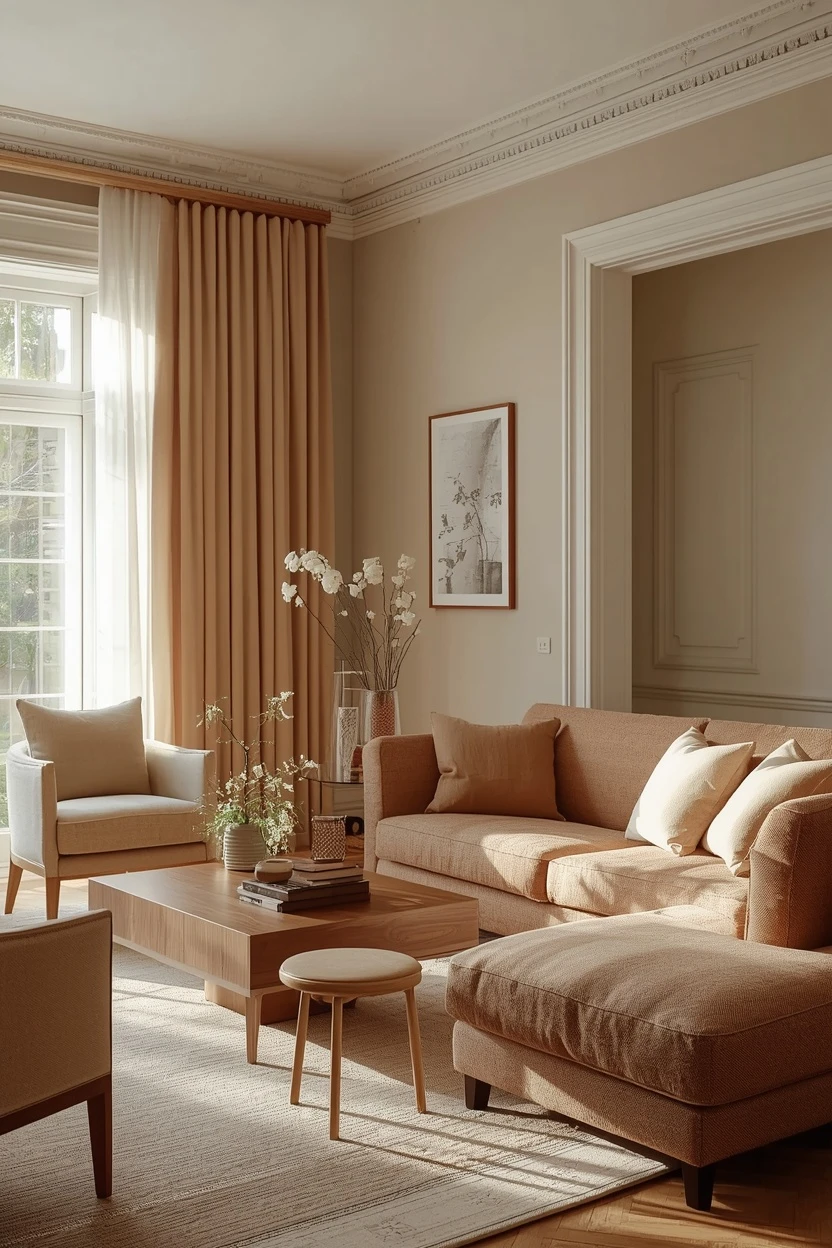
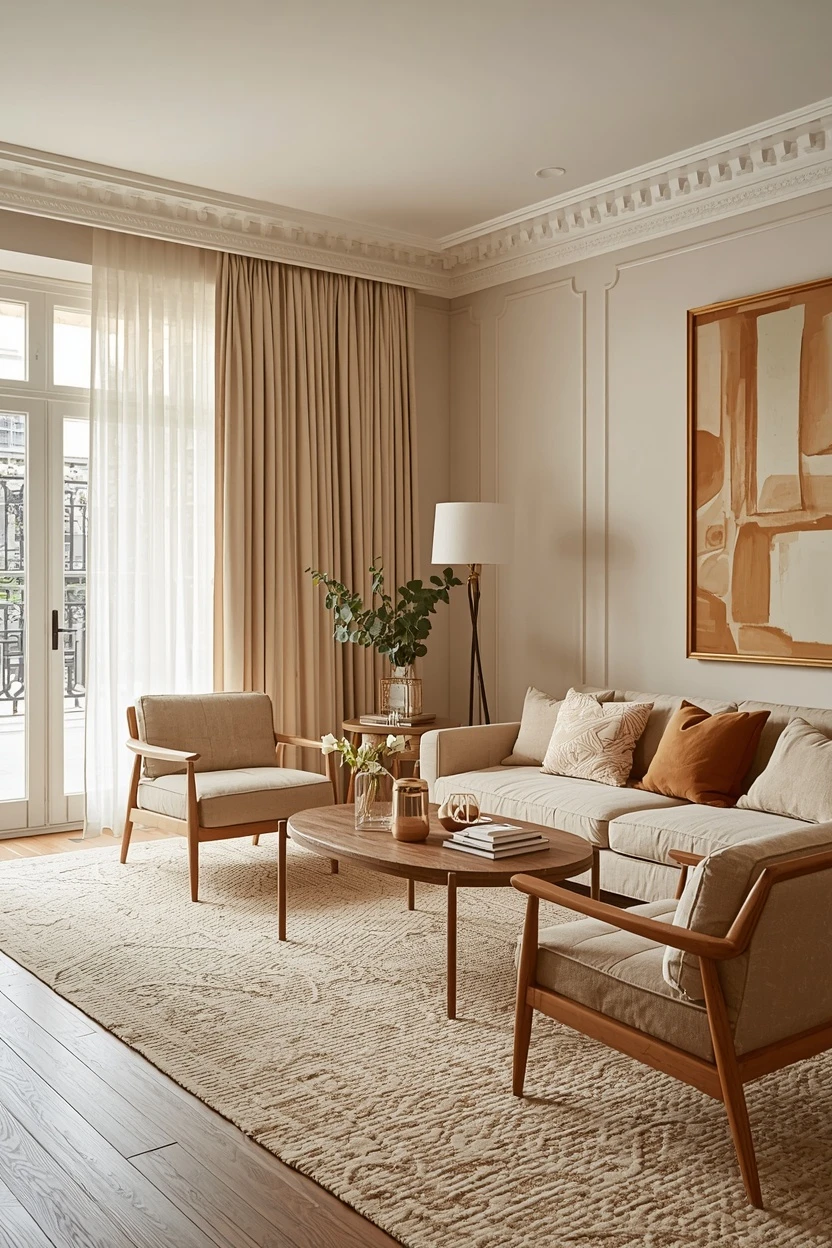
16. The Blackout-Lined Living Room
Blackout-lined curtains combine beauty with function, blocking light and adding insulation while still looking elegant in a living room. The lining gives the panels a fuller drape and keeps the room cozy and glare-free for movie nights. Choose a fabric you love with a blackout lining behind. The curtains read both practical and refined. It suits media rooms and sunny spaces, since blackout-lined curtains let a living room enjoy beautiful window dressing alongside real control over light and temperature.
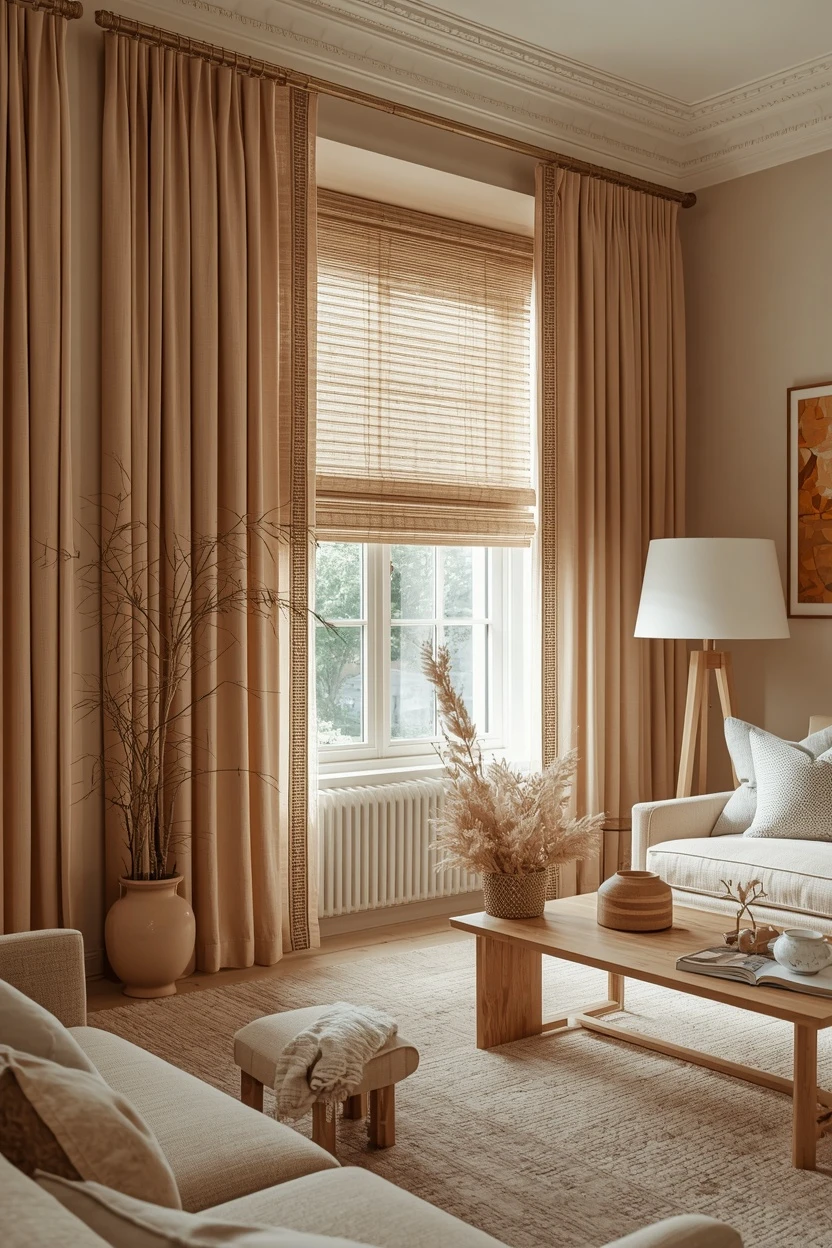
17. The Curtain-and-Blind Combo Living Room
Pairing curtains with a blind — a roller, Roman, or woven blind behind floor-length drapes — gives a living room layered function and a rich, finished look. The blind handles light and privacy while the curtains add softness and frame the window. The combination reads considered and practical. It suits anyone who wants flexibility, since combining curtains with a blind is a versatile, elegant way to dress a living room window with both beauty and full control over light.
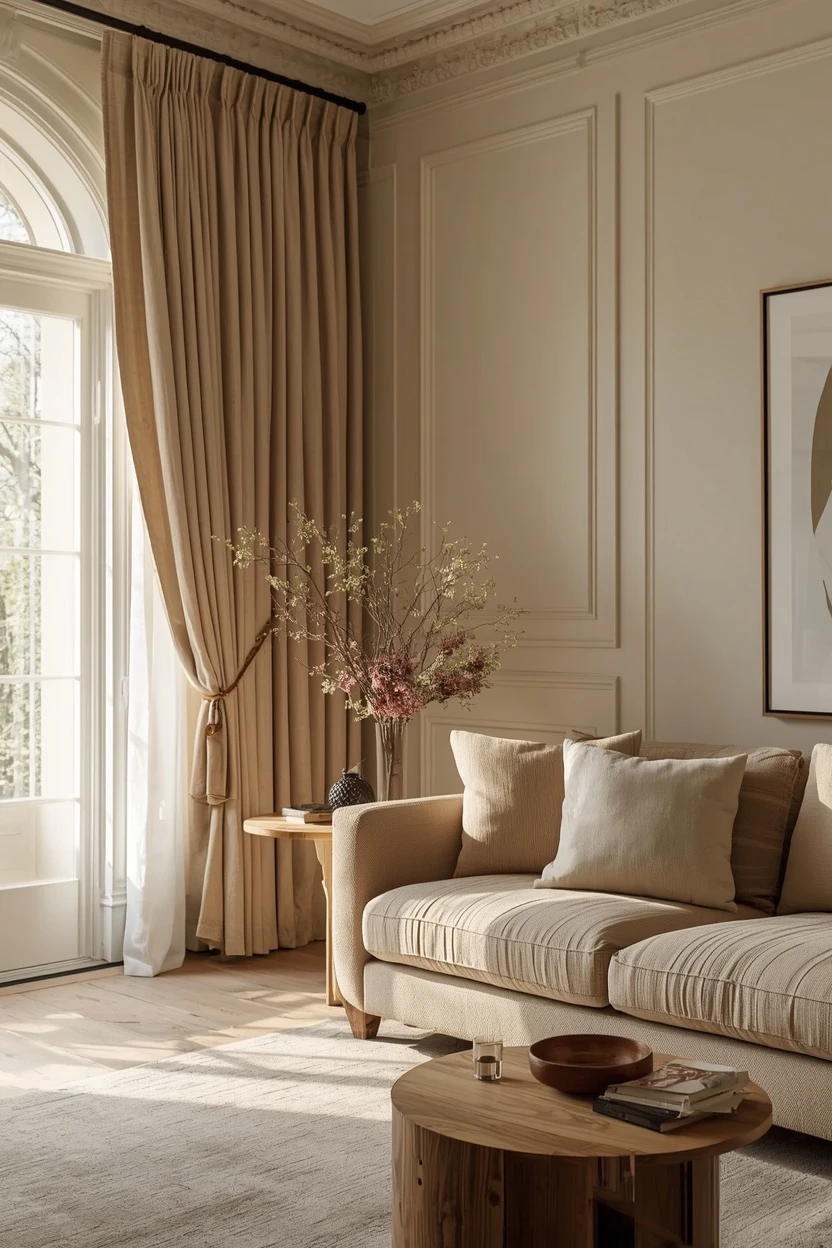
18. The Tieback-Styled Living Room
Styling curtains with tiebacks or holdbacks — gathering the panels gracefully to the sides — adds a classic, elegant touch and lets in maximum light by day. The swept-back drape reads gracious and traditional, framing the window beautifully. Use fabric ties or decorative holdbacks to suit the style. The detail reads polished. It suits classic and traditional rooms, since tieback-styled curtains are a timeless way to frame a living room window, adding elegance while letting the daylight flood in.
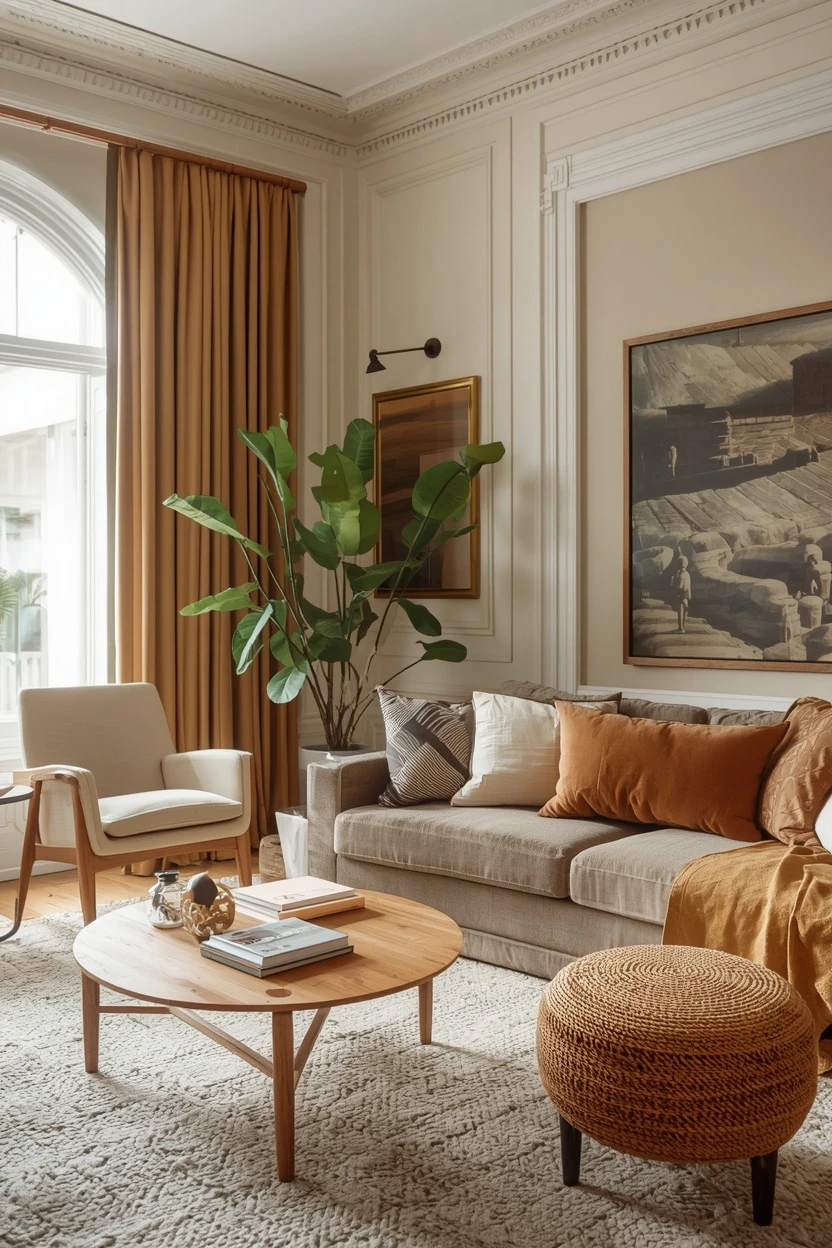
19. The Statement Hardware Living Room
Beautiful curtain hardware — a decorative rod, elegant finials, or stylish rings — elevates even simple curtains and adds a finishing detail to a living room. Choose hardware in a finish that suits the scheme, like brass, black, or wood, and let it frame the window. The hardware reads considered and custom. It suits anyone who wants a polished finish, since statement curtain hardware is an easy way to elevate a living room’s window dressing and add a touch of crafted detail.
20. The Complete Curtained Living Room
Bringing the principles together, a fully realized window dressing layers floor-length drapes hung high and wide, sheers behind for softness and flexibility, a fabric and color that suit the scheme, and beautiful hardware into one elegant, finished living room. Each element matters: the length and hanging height transform the proportions, the layering adds softness and function, the fabric and hardware refine it. The discipline is hanging high and long and choosing fabric and styling that suit the room. The result is curtains that frame the windows beautifully and make the living room feel complete.
Where I’d Start if I Only Did Three Things
If I were choosing living room curtains from scratch, I would start with length and hanging height, because this is the single biggest factor: floor-length curtains that just graze or lightly pool on the floor, hung high near the ceiling and wide past the window frame, instantly make a room look elegant and the windows grander, while short, narrowly hung curtains cheapen the whole effect. Next, I would choose a fabric and color that suit the room — soft linen for relaxed elegance, velvet for luxury, a bold hue for impact, or a wall-matched tone for calm cohesion. Third, I would layer sheers behind the drapes and add beautiful hardware, since layering adds softness and light control while good hardware gives a custom, finished feel. Get the length and hanging right, choose the fabric thoughtfully, and layer and finish with care: that trio gives you curtains that frame the windows beautifully and complete the room.
FAQs
How long should living room curtains be?
Living room curtains should be floor-length — this is the single most important rule for an elegant look. Ideally they just kiss the floor or lightly break on it, with a small pool of a few extra inches if you want a more luxurious, romantic effect. Avoid curtains that end at the windowsill or above the floor, as short curtains read dated and make the window look smaller and the room less finished. For the most flattering result, also hang the rod high near the ceiling and extend it wide past the window frame, so the floor-length panels frame the glass and make the window and ceilings feel taller.
How high should I hang living room curtains?
Hang the curtain rod high — close to the ceiling rather than just above the window frame — and extend it wide so the panels sit beyond the glass when open. Hanging high draws the eye upward and makes the ceilings feel taller, while hanging wide makes the window look bigger and lets the curtains frame rather than cover it. A common guide is to mount the rod about halfway between the top of the window frame and the ceiling, or right up at the ceiling for maximum drama. This high-and-wide approach is a simple, free trick that makes living room curtains and the whole room look far grander and more custom.
What kind of curtains are best for a living room?
The best curtains depend on your style and needs, but floor-length panels are the foundation for any living room. Soft linen offers relaxed, natural elegance and suits almost any room, velvet brings luxury and warmth, and bold or patterned fabrics add personality and impact. For light control and softness, layer sheers behind heavier drapes or pair curtains with a blind, and consider blackout lining for sunny or media rooms. Heading styles like pinch-pleat read classic while ripple-fold reads modern. Whatever you choose, hang them floor-length, high, and wide, and pick a fabric and color that suit your scheme for a beautiful, finished result.
Should living room curtains match the walls or the furniture?
Either approach works beautifully, depending on the effect you want. Curtains matched to the wall color create a calm, seamless, sophisticated look that makes the room feel taller and more cohesive, letting the windows blend rather than break up the wall. Curtains that pick up a color from the furniture, rug, or accessories tie the scheme together and can act as a feature. You can also go bold with a contrasting color for impact, or choose a neutral like linen that suits everything. The key is to relate the curtains to the room’s overall palette so they feel intentional and part of the design rather than disconnected.
Final Thoughts
Curtains are the finishing touch that can transform a living room, framing the light and adding color, softness, and height to a space that would otherwise feel bare. Whether you choose relaxed linen, luxurious velvet, bold color, or layered sheers, the same principles apply: hang them floor-length, high near the ceiling, and wide past the frame so they frame the windows beautifully, choose a fabric and color that suit your scheme, and layer and finish them with care. Get the length and hanging height right above all else, treat the curtains as part of the design rather than an afterthought, and you will have window dressing that softens the room, frames the light, and makes your living room feel truly complete.

zarcoyt2025
Khawar Iqbal is the founder and editor of Cozy Homes Hub. He writes about cozy, livable home decor — from small-apartment layouts to room-by-room styling guides — with a focus on warm palettes, layered lighting, and budget-friendly ideas that actually work in real homes.
Related Articles
16 Living Room Decor Ideas That Instantly Elevate Any Space
A living room rarely needs new furniture to feel considerably more elevated — it usually needs a handful of layout and styling…
Read more →
14 Grey Settee Living Room Ideas to Warm Up a Neutral Sofa
A grey settee is the most versatile thing you can put in a living room — and, if you're not careful, the…
Read more →
12 Living Room Arrangement Ideas for a Warm, Balanced Space
There's a difference between a room that's furnished and a room that's arranged. Furnished just means the pieces are in there; arranged…
Read more →